
Leptogenys truncatirostris
- Sci. Name
- Leptogenys truncatirostris
- Tribe
- Ponerini
- Subfamily
- Ponerinae
- Author
- Forel, 1897
- Distribution
- Found in 1 countries
Introduction
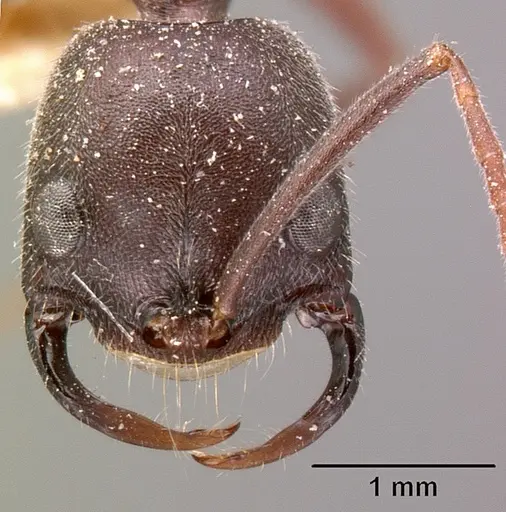
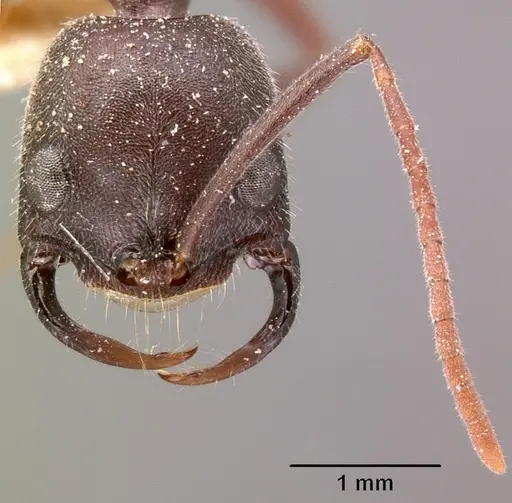
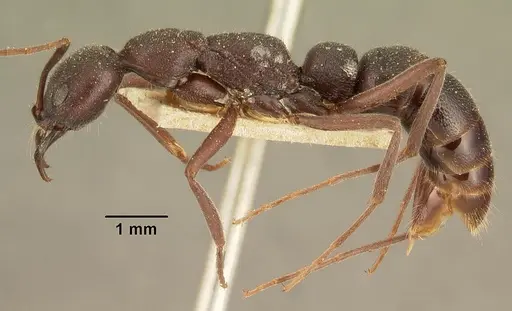
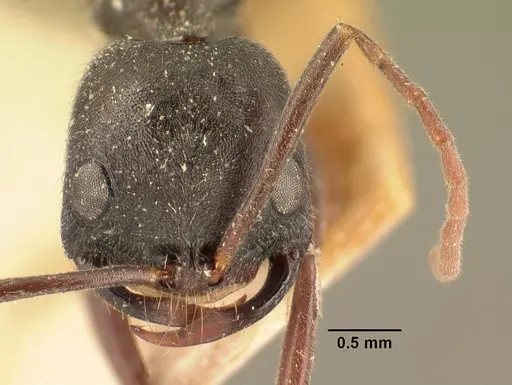
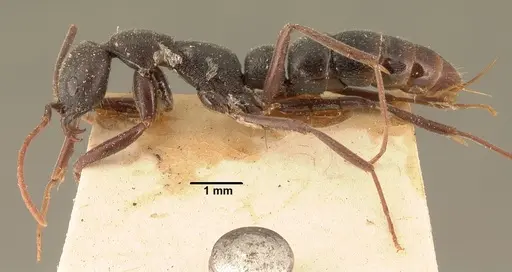
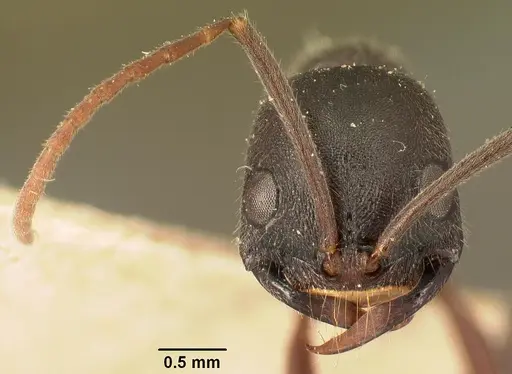
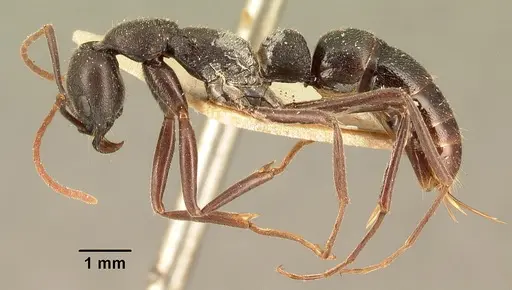
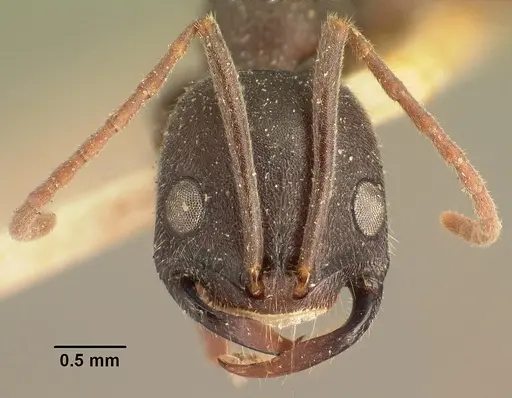
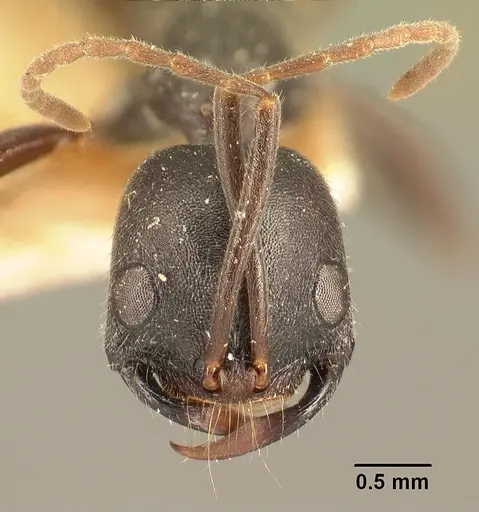
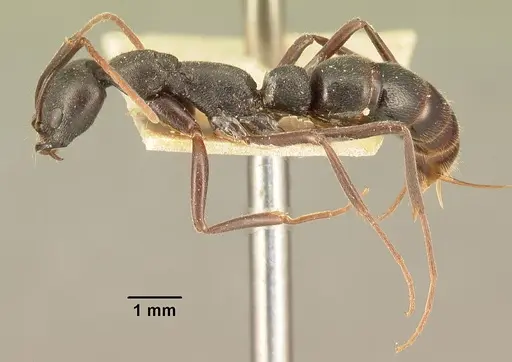
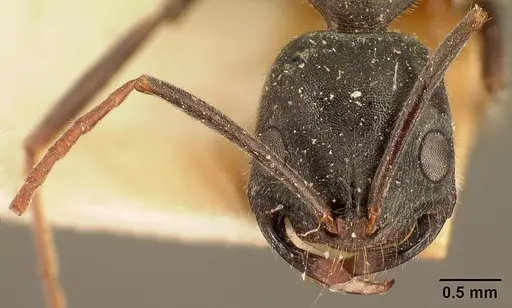
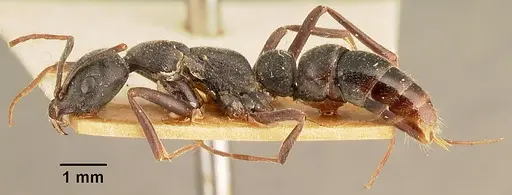
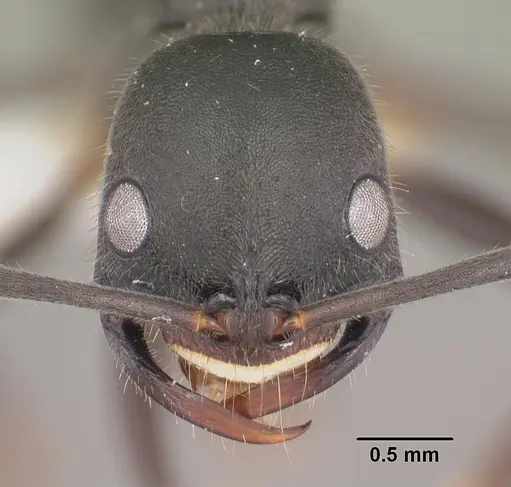
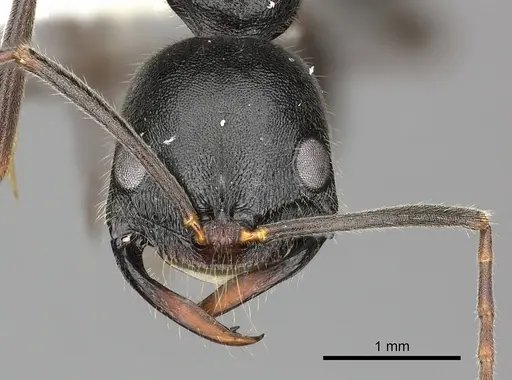
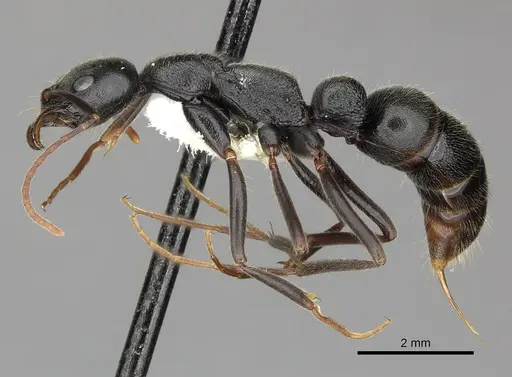
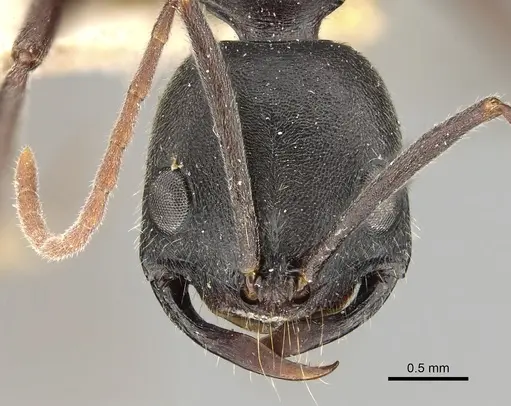
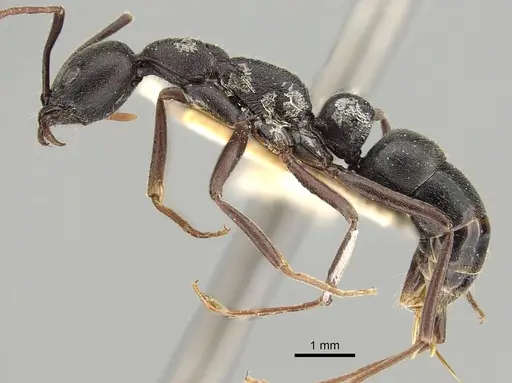
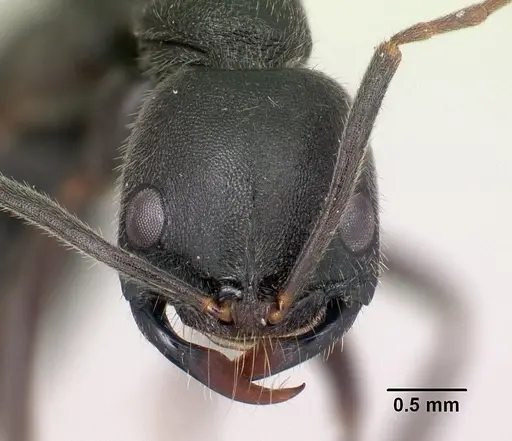
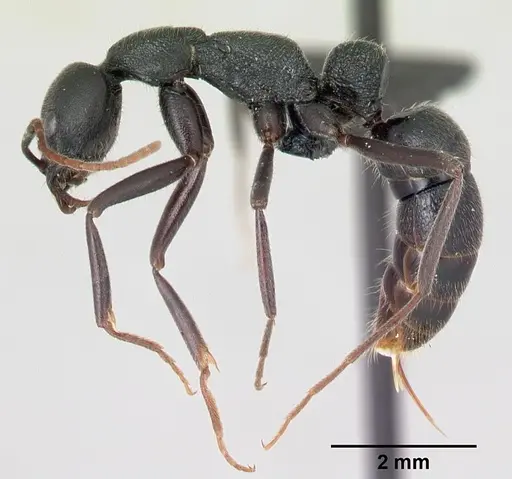
Leptogenys truncatirostris is a medium-sized ponerine ant native to Madagascar and the Comoros islands. Workers are black to dark brown with lighter brown appendages that fade toward the tips. This species is recognized by its uniquely shaped mandibles that bend sharply downward and a wide, transverse clypeus without a median carina. It is one of the most common species within the truncatirostris group, found across western Madagascar in diverse habitats from dry forests and gallery forests to spiny bush and even disturbed areas like roadsides. They forage primarily on the forest floor, rarely climbing onto vegetation, and nest in decaying wood, soil layers, and under rocks. A notable behavior includes tandem running during nest relocations, where workers lead each other while carrying brood .
Quick Summary
- Difficulty: Medium
- Origin & Habitat: Madagascar and Comoros islands, found in dry forests on Tsingy, gallery forests, littoral forests, spiny bush, and thicket habitats. Also occurs in disturbed areas like roadsides [1].
- Colony Type: Colony structure is unconfirmed for this species.
- Size & Growth:
- Queen: ~5-7mm, inferred from Leptogenys genus patterns
- Worker: ~2.7-3.1mm, inferred from genus patterns (total length)
- Colony: Likely up to several hundred workers based on typical Leptogenys patterns
- Growth: Growth rate is unconfirmed for this species
- Development: Timeline is unconfirmed, likely several months based on typical Ponerine development (Development time has not been documented for this specific species)
- Antkeeping:
- Temperature: Keep warm at 24-28°C, they are a tropical forest floor species. Avoid temperatures below 22°C for extended periods
- Humidity: Moderate, forest floor species that prefers damp conditions. Keep nest substrate consistently moist but not waterlogged
- Diapause: No true hibernation required, being tropical, they may have reduced activity during cooler months but no formal diapause period
- Nesting: Provide rotting wood pieces, soil-filled setups, or Y-tong nests with moist substrate. They naturally nest in rotten logs, rotting bamboo, soil, and under rocks or dead wood [1]
- Behavior: This is an active, predatory ant species that forages on the forest floor. They use tandem running to recruit nestmates during nest relocations and food discovery. Workers are moderately aggressive and equipped with a stinger for subduing prey. They are not climbers and rarely venture above ground vegetation. The species shows considerable geographic variation in morphology across Madagascar [2].
- Common Issues: tropical species may struggle in cool rooms below 24°C, use heating if needed, predatory nature means they need regular protein prey, sugar alone is insufficient, colonies may be slow to establish initially, patience required during founding phase, wild-caught colonies can carry parasites that affect captive survival, moderate humidity needs mean drying out is a common problem, monitor substrate moisture
Housing and Nest Setup
Leptogenys truncatirostris naturally nests in rotting wood, rotting bamboo, soil layers, and under rocks on the forest floor [1]. For captive care, a Y-tong nest with moist substrate works well, or you can use a naturalistic setup with soil and decaying wood pieces. The key is maintaining moderate humidity, the substrate should feel damp but not be waterlogged. Since they forage on the forest floor, ensure the outworld has easy access to the nest and provide a shallow water source. A small dish for protein prey and a test tube for sugar water cover their basic needs. These ants are not climbers, so you don't need to worry about them scaling smooth surfaces, but standard escape barriers are still good practice.
Feeding and Diet
Leptogenys truncatirostris is a predatory ant that hunts small invertebrates on the forest floor. In captivity, offer small live prey like fruit flies, pinhead crickets, mealworms, and other appropriately sized insects. They need regular protein to feed their brood and maintain the colony. Sugar sources like honey water or sugar water should be available constantly, though protein-rich prey is the primary food source. Feed them prey items roughly twice weekly, removing any uneaten prey after 24-48 hours to prevent mold. Since they are active hunters, placing prey in the outworld rather than directly in the nest encourages natural foraging behavior. [1]
Temperature and Seasonal Care
Being a tropical species from Madagascar, Leptogenys truncatirostris requires warm conditions. Keep the nest area at 24-28°C for optimal brood development. A heating cable or mat on one side of the nest can create a temperature gradient, allowing the ants to self-regulate. Room temperature may be sufficient in warm climates but monitor closely, if workers cluster near the warmest area, consider adding gentle heating. Unlike temperate species, they do not require a true hibernation period. However, during cooler months you may notice reduced activity, which is normal for tropical ants adjusting to temperature fluctuations. Avoid temperatures below 22°C for extended periods.
Behavior and Colony Dynamics
This species displays interesting social behaviors including tandem running during nest relocations, where experienced workers lead groups of nestmates to new locations while carrying larvae and cocoons [1]. Workers are moderately sized and actively forage on the ground surface. They have a functional stinger and can be defensive when the nest is disturbed. Colony structure is not extensively documented for this specific species. The species shows considerable geographic variation across its range, with different populations displaying subtle differences in mandible shape and clypeal morphology [2]. Growth rate is unconfirmed, expect gradual colony development over time.
Frequently Asked Questions
How long does it take for Leptogenys truncatirostris to produce first workers?
The exact development timeline has not been documented for this species. Based on typical Ponerine development patterns, expect first workers several months after the queen lays eggs. The queen will need to hunt for protein during the founding period until her first workers emerge.
Can I keep multiple Leptogenys truncatirostris queens together?
Not recommended. While colony structure isn't documented for this species, Leptogenys typically form single-queen colonies. Combining unrelated queens risks fighting and colony failure. If you acquire a wild colony, it likely already has an established queen.
What temperature do Leptogenys truncatirostris need?
Keep them warm at 24-28°C. This is a tropical forest floor species from Madagascar that requires consistent warmth. Use a heating cable on one side of the nest if your room temperature is below this range. Avoid temperatures below 22°C for extended periods.
Are Leptogenys truncatirostris good for beginners?
This is a medium-difficulty species. They are more demanding than common beginner ants like Lasius or Tetramorium because they need warm temperatures, regular protein prey, and proper humidity. However, they are not as challenging as some exotic species. If you have experience with at least one other ant species, you should be able to keep them successfully.
What do Leptogenys truncatirostris eat?
They are predatory ants that need protein-rich live prey. Offer small insects like fruit flies, pinhead crickets, small mealworms, or similar appropriately sized invertebrates. Sugar water or honey should be available constantly for energy. Remove uneaten prey after 24-48 hours.
When should I move Leptogenys truncatirostris to a formicarium?
Keep them in a test tube or small founding setup for the first several months until the colony reaches 20-30 workers. Once they outgrow this and you see workers regularly foraging in the outworld, you can move them to a larger nest setup. They prefer nests with moist substrate and decaying wood material.
Do Leptogenys truncatirostris need hibernation?
No, they do not require hibernation. Being a tropical species from Madagascar, they are adapted to year-round warm conditions. You may notice reduced activity during cooler months, but this is not a true diapause. Simply maintain normal temperatures year-round.
Why are my Leptogenys truncatirostris dying?
Common causes include: temperatures below 22°C (tropical species need warmth), too dry substrate (they need damp conditions), insufficient protein (they need regular prey, not just sugar), or parasites from wild-caught colonies. Review your temperature, humidity, and feeding regimen. Wild colonies may carry internal parasites that can cause colony collapse in captivity.
How big do Leptogenys truncatirostris colonies get?
Based on typical Leptogenys patterns, colonies likely reach up to several hundred workers over 1-2 years. The exact maximum size isn't documented, but expect moderate colony growth rather than the massive colonies some Formicinae produce.
Report an Issue
The current care sheet is based fully on literature. See inconsistencies, or something that's incorrect? Please , it will be resolved after review from an admin. Contributing to the blogs tab also helps providing information, to make us be able to further improve the caresheets. Thank you for your support!
References

This caresheet is licensed under CC BY-SA 4.0 .
Community Blogs
CASENT0101133
View on AntWeb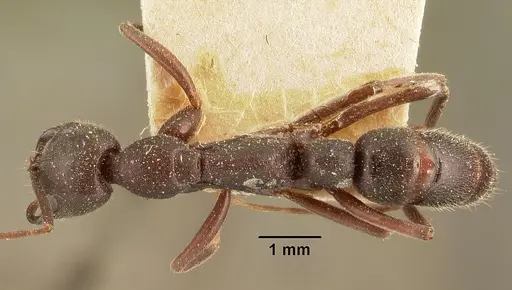
CASENT0101626
View on AntWeb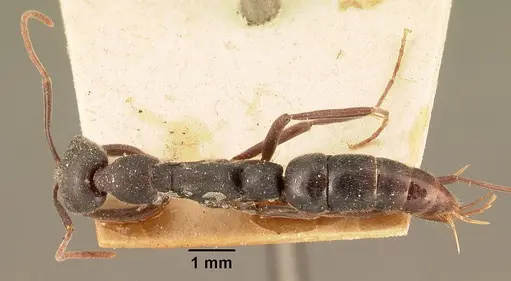
CASENT0101714
View on AntWeb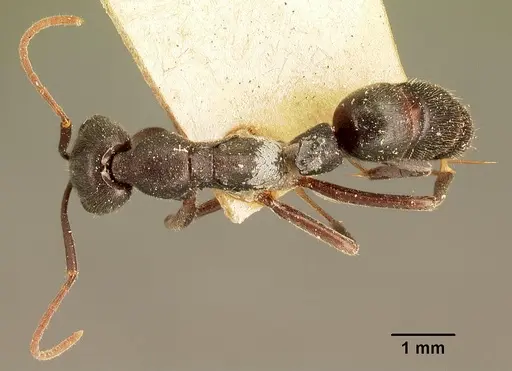
CASENT0101727
View on AntWeb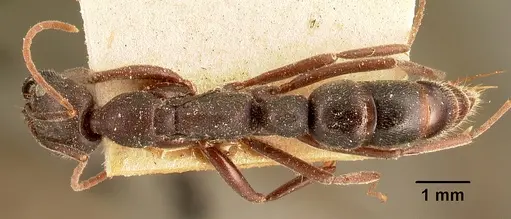
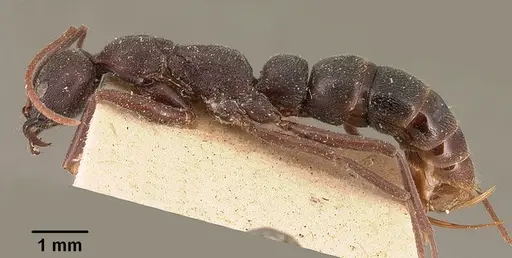
CASENT0101914
View on AntWeb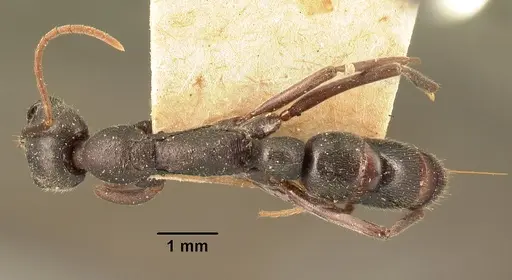
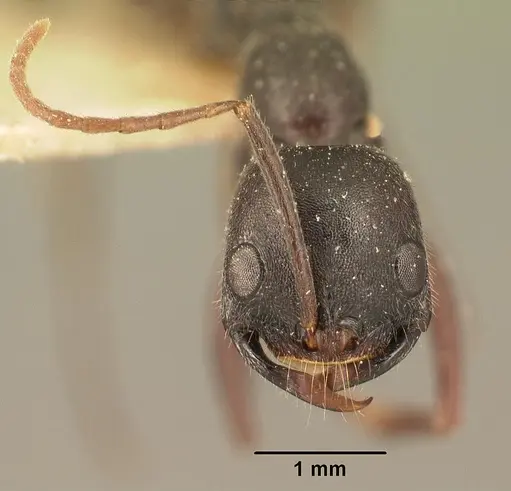
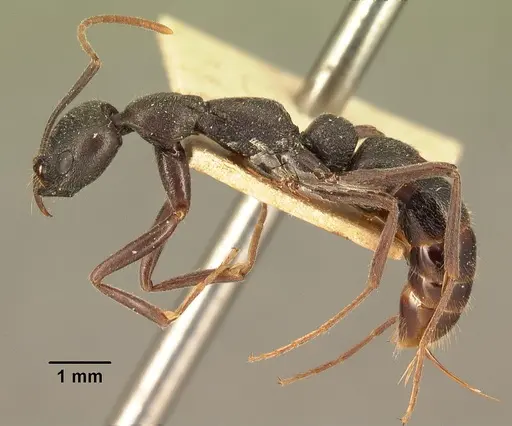
CASENT0101940
View on AntWeb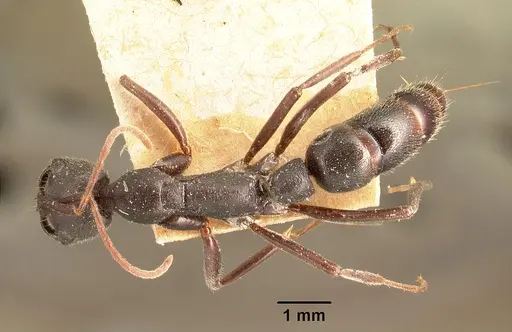
CASENT0101975
View on AntWeb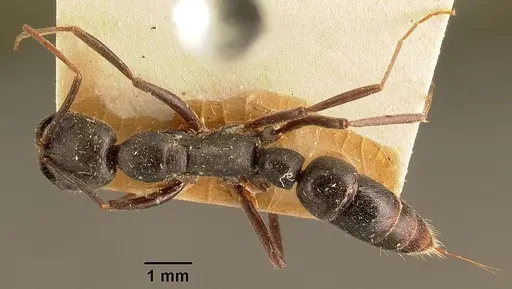
CASENT0102412
View on AntWeb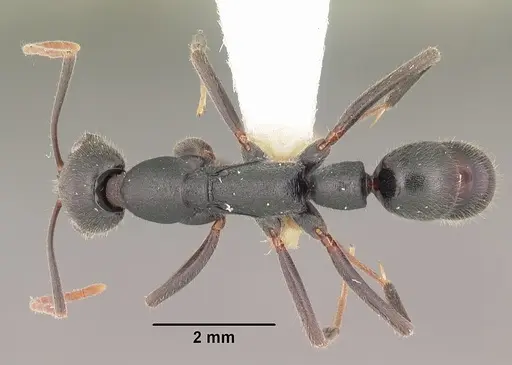
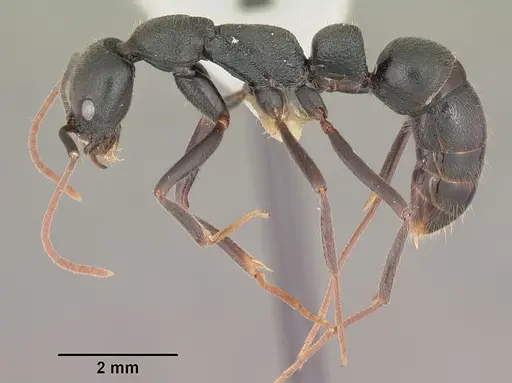
CASENT0163581
View on AntWeb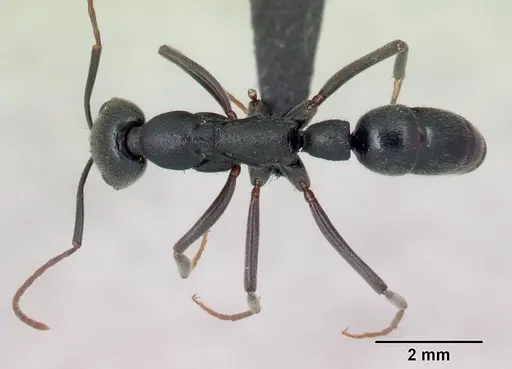
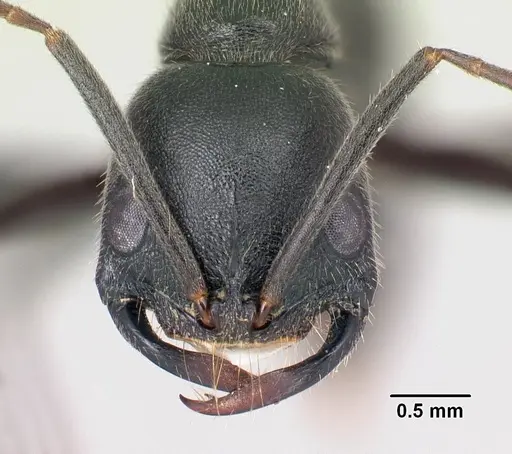
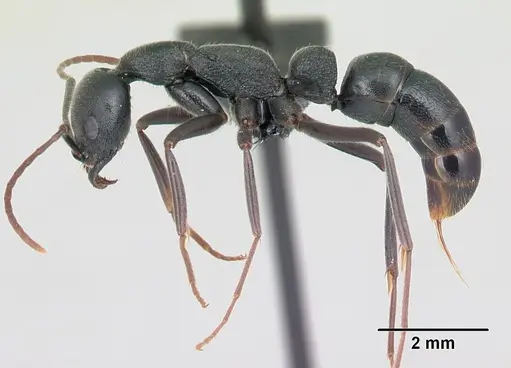
CASENT0270581
View on AntWeb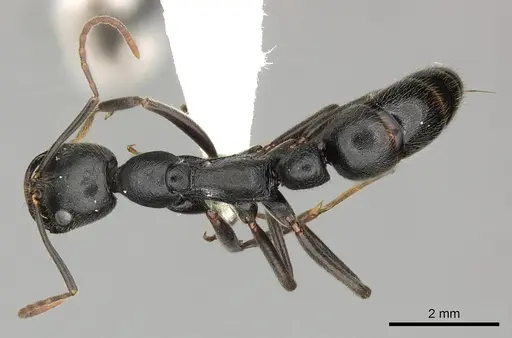
CASENT0280598
View on AntWeb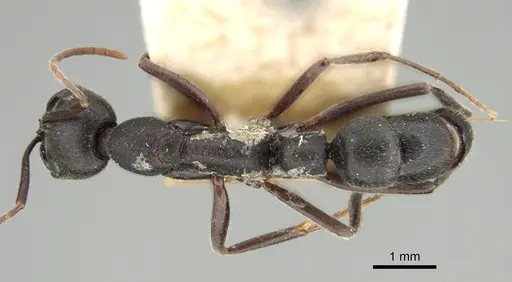
CASENT0491035
View on AntWeb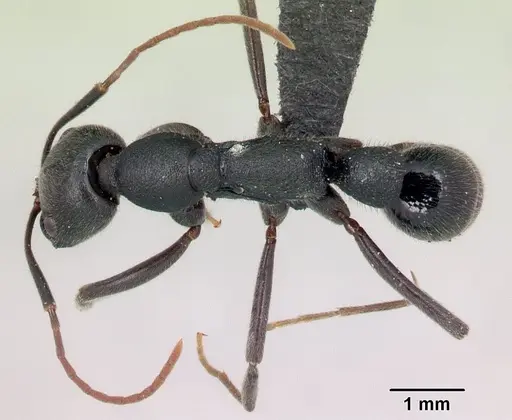
Literature
Loading distribution map...Loading products...