
Leptogenys trilobata
- Sci. Name
- Leptogenys trilobata
- Tribe
- Ponerini
- Subfamily
- Ponerinae
- Author
- Santschi, 1924
- Distribution
- Found in 0 countries
Introduction
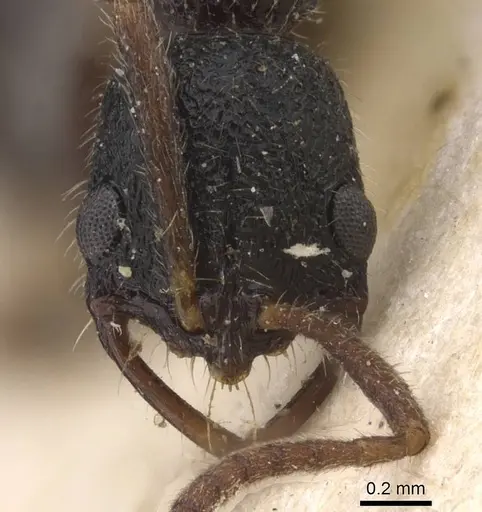
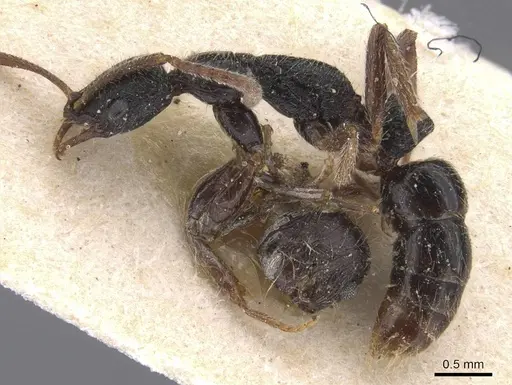
Leptogenys trilobata is a predatory ant species native to central Africa, specifically documented in the Democratic Republic of Congo (BC province) . Like other Leptogenys species, these ants have an elongated, slender body built for hunting. Workers are medium-sized with distinctive elongated mandibles adapted for capturing prey. The genus Leptogenys is commonly known as 'spider ants' due to their preference for hunting spiders and other arthropods. This is a predatory ponerine ant that actively hunts rather than foraging for sugary substances. As a Ponerinae species, they possess a functional stinger for defense.
Quick Summary
- Difficulty: Medium
- Origin & Habitat: Democratic Republic of Congo (BC province), tropical forest environment [1]
- Colony Type: Colony structure is unconfirmed, no specific data available for this species
- Size & Growth:
- Queen: Size data unavailable for this species, typical Leptogenys queens are roughly 8-12mm
- Worker: Size data unavailable for this species, typical Leptogenys workers are roughly 5-8mm
- Colony: Up to 300 workers based on related species
- Growth: Moderate, slower than many myrmicines due to predatory lifestyle
- Development: Development timeline is unconfirmed for this species, typical ponerine development is 6-10 weeks at warm temperatures (Ponerine ants typically have longer development than myrmicines.)
- Antkeeping:
- Temperature: Keep at 24-28°C, tropical species requiring warm conditions. Use a heating cable on one side of the nest to create a gradient.
- Humidity: High humidity required, aim for 70-80%. Keep nest substrate consistently moist but not waterlogged. These forest-floor predators need damp conditions.
- Diapause: No diapause required, DRC has mild tropical climate year-round. Some reduction in activity during cooler months may occur.
- Nesting: Prefers humid nest chambers. Y-tong or plaster nests work well. Provide narrow chambers and passages scaled to their medium size. Avoid dry, airy setups.
- Behavior: Leptogenys trilobata is an active predator. Workers hunt individually, using their elongated mandibles to capture prey. They are not aggressive toward humans but will defend the nest using their stinger if threatened. Escape risk is moderate, ensure secure barriers but they are not extreme escape artists like tiny species. They do not tend aphids or seek sugar sources, their diet is purely protein-based. Workers are fast-moving and alert.
- Common Issues: colonies often fail when fed only sugar water, they are obligate predators and need live prey, dry conditions cause rapid colony decline, monitor humidity closely, slow growth compared to seed-eating ants can frustrate beginners, wild-caught colonies may have parasites that kill them in captivity, overfeeding leads to mold problems in humid nests
Housing and Nest Setup
Leptogenys trilobata needs a humid nest environment. Y-tong or plaster nests work well for this species. The nest chambers should be appropriately sized for medium-sized ants, avoid chambers that are too large as this can stress the colony. Keep the nest substrate consistently moist but never waterlogged. A humidity reservoir or water tube connected to the nest helps maintain proper moisture levels. Since they are predators, provide an outworld area where they can hunt and explore. Use a test tube setup for founding colonies, transitioning to a proper formicarium once the colony reaches 20-30 workers. Escape prevention should be moderate, they are not tiny escape artists but secure lids are always recommended.
Feeding and Diet
This is an obligate predator, Leptogenys trilobata needs live prey to survive and thrive. Feed them small arthropods such as fruit flies, small crickets, mealworms, and especially spiders (hence the common name 'spider ants'). They will not accept sugar water, honey, or seeds. Prey should be offered 2-3 times per week, with portions sized appropriately to the colony size. Remove uneaten prey after 24-48 hours to prevent mold. A well-fed colony will have workers that appear plump and active. Starvation is a common cause of colony failure with predatory ants, ensure consistent prey availability.
Temperature and Heating
As a tropical species from the DRC, Leptogenys trilobata requires warm conditions. Keep the nest area at 24-28°C for optimal brood development. Temperatures below 22°C can slow activity and potentially harm the colony. Use a heating cable placed on top of or alongside the nest to maintain warmth. Create a temperature gradient so ants can self-regulate by moving between warmer and cooler areas. Room temperature alone is often insufficient, monitor with a thermometer and adjust heating accordingly. Avoid direct heat sources that could dry out the nest.
Behavior and Colony Dynamics
Leptogenys ants are active hunters that use individual foraging rather than mass recruitment. Workers search for prey alone, using chemical trails minimally. They are not aggressive toward keepers but will defend the nest if threatened using their stinger. The colony will grow gradually, expect slower growth than many common ant species. Workers are slender and fast-moving, with distinctive elongated mandibles for capturing prey. A healthy colony shows constant activity with workers coming and going from the nest. The queen is typically larger than workers and remains in the nest laying eggs.
Frequently Asked Questions
How long does it take for Leptogenys trilobata to produce first workers?
Development timeline is unconfirmed for this species, typical ponerine development takes 6-10 weeks from egg to first worker at optimal temperature (24-28°C). This is slower than many common ant species due to their predatory nature.
What do Leptogenys trilobata ants eat?
They are obligate predators that need live prey. Feed them small insects like fruit flies, small crickets, mealworms, and spiders. They do not accept sugar water, honey, or seeds.
Can I keep multiple Leptogenys trilobata queens together?
Not recommended. Colony structure is unconfirmed for this species, but most Leptogenys species are single-queen. Combining unrelated queens typically results in fighting.
What temperature do Leptogenys trilobata ants need?
Keep them warm at 24-28°C. They are tropical ants that need consistent warmth for activity and brood development.
Are Leptogenys trilobata good for beginners?
They are considered medium difficulty. Beginners may struggle with their live prey requirements and humidity needs. They are not recommended as a first ant but are manageable for those with some antkeeping experience.
How big do Leptogenys trilobata colonies get?
Up to 300 workers for mature colonies based on related species. They are not among the largest ant species but form moderate-sized colonies.
Do Leptogenys trilobata need hibernation?
No, as a tropical species from the DRC, they do not require true hibernation. You may observe reduced activity during cooler months, but no special overwintering setup is needed.
Why is my Leptogenys trilobata colony dying?
Common causes include: lack of live prey (they cannot survive on sugar), dry conditions (they need high humidity), temperatures below 22°C, or parasites from wild-caught colonies.
When should I move Leptogenys trilobata to a formicarium?
Move from test tube to formicarium when the colony reaches 20-30 workers. Ensure the new setup maintains high humidity and has appropriately sized chambers.
Report an Issue
The current care sheet is based fully on literature. See inconsistencies, or something that's incorrect? Please , it will be resolved after review from an admin. Contributing to the blogs tab also helps providing information, to make us be able to further improve the caresheets. Thank you for your support!
References

This caresheet is licensed under CC BY-SA 4.0 .
Community Blogs
RMCAENT000017736
View on AntWeb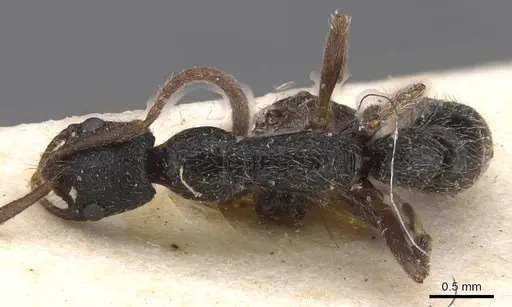
Literature
Loading distribution map...Loading products...