
Leptogenys suarensis
- Sci. Name
- Leptogenys suarensis
- Tribe
- Ponerini
- Subfamily
- Ponerinae
- Author
- Emery, 1895
- Distribution
- Found in 1 countries
Introduction
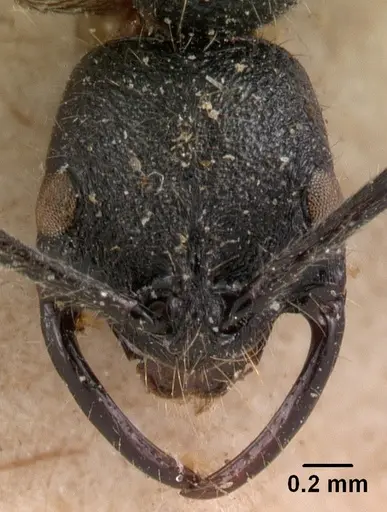
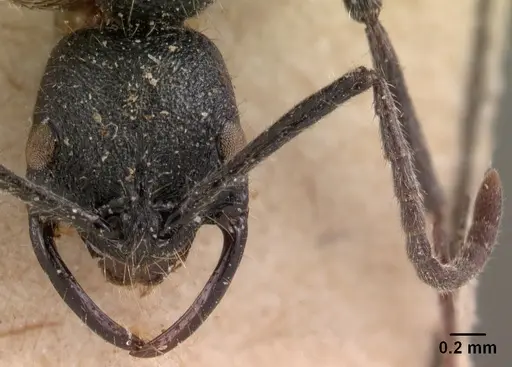
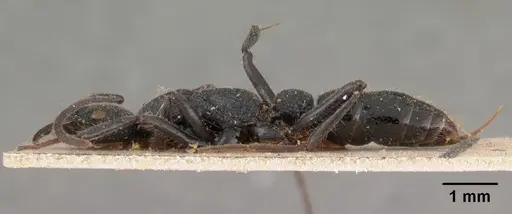
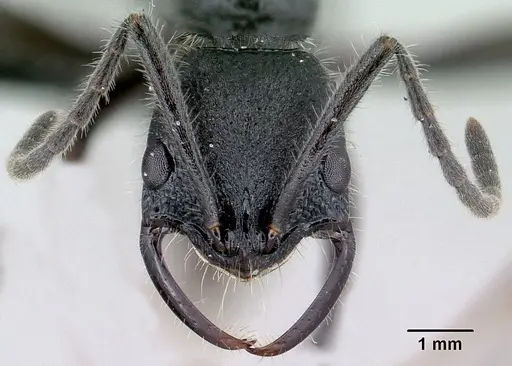
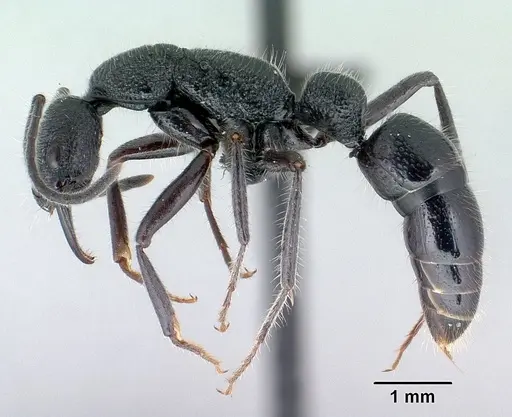
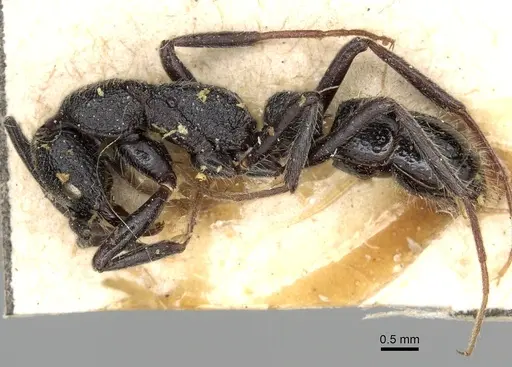
Leptogenys suarensis is a small predatory ant native to northern Madagascar. Workers are jet black with a distinctive bluish reflection or opalescence on their body . This species belongs to the imerinensis complex within the genus Leptogenys and is found in dry forests and littoral habitats in the north of Madagascar, with some populations also occurring in the humid forest of Binara near Daraina . Like other Leptogenys, they are active hunters that rely on capturing small prey.
Quick Summary
- Difficulty: Medium
- Origin & Habitat: Northern Madagascar, dry forests and littoral habitats, with some populations in humid forest near Daraina [1]
- Colony Type: Colony structure is unconfirmed for this species.
- Size & Growth:
- Queen: Size data unavailable, no documented queen measurements exist
- Worker: Size data unavailable, the research provides head measurements (HW: 1.09-1.47mm) but not total body length. Based on the genus Leptogenys, workers likely measure 4-7mm total length.
- Colony: Unknown for this species
- Growth: Unknown, not directly studied
- Development: Not documented for this species (Development timeline is unconfirmed. Ponerine ants typically develop faster in warm conditions.)
- Antkeeping:
- Temperature: Keep at 24-28°C. Madagascar species prefer warm conditions. A heating cable on one side of the nest creates a suitable gradient.
- Humidity: Moderate, they occur in both dry forests and humid forests, so aim for 50-70% humidity. Allow some variation so ants can self-regulate.
- Diapause: Unlikely, as a tropical Madagascar species, they probably do not require a true hibernation period. However, a slight cool-down during winter months may be beneficial.
- Nesting: In nature they likely nest in soil or under stones in forest floor debris. In captivity, a Y-tong (AAC) nest or plaster nest with moist substrate works well. Keep nesting area humid but not waterlogged.
- Behavior: Leptogenys suarensis is a predatory ant that actively hunts small invertebrates. Workers are relatively small but agile. They are not typically aggressive toward keepers but will defend the nest if threatened. Their small size means escape prevention should be taken seriously, use fine mesh barriers and tight-fitting lids. They are primarily nocturnal or crepuscular foragers.
- Common Issues: small size makes escape prevention critical, they can squeeze through tiny gaps, predatory diet means they need regular protein input, sugar alone is insufficient, humidity control is important, too dry causes brood death, too wet causes mold, wild-caught colonies may carry parasites that can devastate captive populations, slow initial colony growth causes some keepers to abandon them prematurely
Housing and Nest Setup
Leptogenys suarensis is a small ant that does well in compact nest setups. A Y-tong (AAC) formicarium or a plaster nest with narrow chambers works well for this species. The nesting area should be kept humid but not waterlogged, aim for substrate that feels damp to the touch with some condensation visible on the nest walls. Because they are small, ensure that connections between the nest and outworld are secure and that any gaps are sealed with cotton or fine mesh. An outworld with natural decor like small stones and leaf litter gives them hunting opportunities and makes observation more engaging.
Feeding and Diet
As a Leptogenys species, these ants are predatory and need regular protein to thrive. Feed them small live prey such as fruit flies, pinhead crickets, small mealworms, and other tiny invertebrates. Offer prey roughly twice weekly, adjusting based on colony size and consumption rate. While some Leptogenys will accept sugar water or honey occasionally, protein should form the bulk of their diet. Remove any uneaten prey after 24 hours to prevent mold issues. A small water dish should always be available in the outworld.
Temperature and Seasonal Care
Being from tropical Madagascar, Leptogenys suarensis prefers warm conditions. Maintain nest temperatures between 24-28°C for optimal brood development. A heating cable placed on top of the nest (never underneath where it could dry out the substrate) can create a gentle warmth gradient. They do not require true hibernation, but you might allow temperatures to drop slightly during winter months to simulate natural seasonal cycles. Avoid sudden temperature swings and keep the nest away from air conditioning vents or cold windows.
Behavior and Observation
These ants are active hunters that search for prey rather than scavenging. Workers are relatively small but move quickly when hunting. They are not particularly aggressive toward humans and rarely sting, though their small size makes any sting barely noticeable. The colony will likely establish a single nest site and expand gradually as the population grows. Watch for workers carrying prey back to the nest, this hunting behavior is one of the most engaging aspects of keeping predatory ponerine ants.
Frequently Asked Questions
How long does it take for Leptogenys suarensis to produce first workers?
The exact timeline is not documented for this species. Based on typical Ponerinae development, expect several months from egg to first worker at optimal warm temperatures (24-28°C).
Can I keep multiple Leptogenys suarensis queens together?
This has not been documented for this species. It is not recommended to combine unrelated foundress queens as aggression is likely.
What do Leptogenys suarensis ants eat?
They are predatory ants that need live protein. Feed small insects like fruit flies, pinhead crickets, small mealworms, and other tiny invertebrates. Sugar water or honey may be accepted occasionally but should not replace protein feeding.
What temperature do Leptogenys suarensis need?
Keep them warm at 24-28°C. As a Madagascar species, they prefer tropical conditions. A heating cable on the nest can help maintain optimal temperatures.
Are Leptogenys suarensis good for beginners?
This species is rated as medium difficulty. Their small size requires good escape prevention, and their predatory diet means you need to provide regular live prey. They are not the easiest species for complete beginners but are manageable for those willing to learn.
How big do Leptogenys suarensis colonies get?
Colony size is not directly documented for this species. Related Leptogenys species can reach several hundred workers over several years.
Do Leptogenys suarensis need hibernation?
As a tropical Madagascar species, they likely do not require true hibernation. A slight temperature reduction during winter months may be beneficial but is not strictly necessary.
Why are my Leptogenys suarensis dying?
Common causes include: too dry conditions (keep substrate moist), insufficient protein (feed more live prey), parasites from wild-caught colonies, or escape due to their small size. Review humidity, feeding schedule, and escape prevention.
When should I move Leptogenys suarensis to a formicarium?
Wait until the colony has at least 20-30 workers and is actively using the outworld. Moving too early can stress the colony. A test tube setup works well for the founding phase.
Report an Issue
The current care sheet is based fully on literature. See inconsistencies, or something that's incorrect? Please , it will be resolved after review from an admin. Contributing to the blogs tab also helps providing information, to make us be able to further improve the caresheets. Thank you for your support!
References

This caresheet is licensed under CC BY-SA 4.0 .
Community Blogs
CASENT0102014
View on AntWeb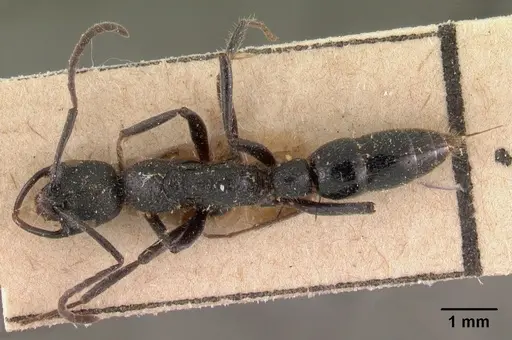
CASENT0102924
View on AntWeb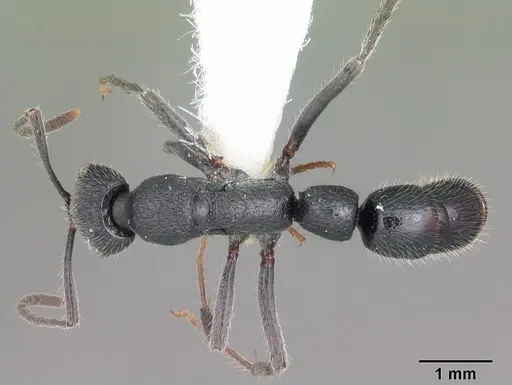
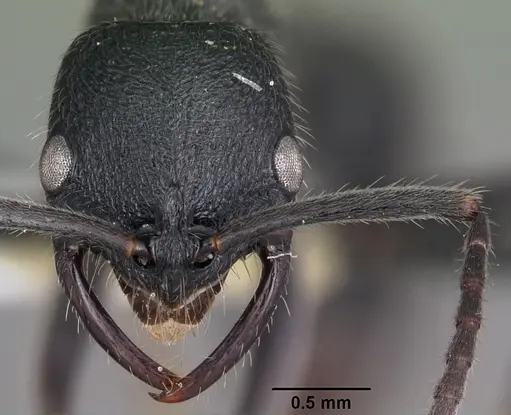
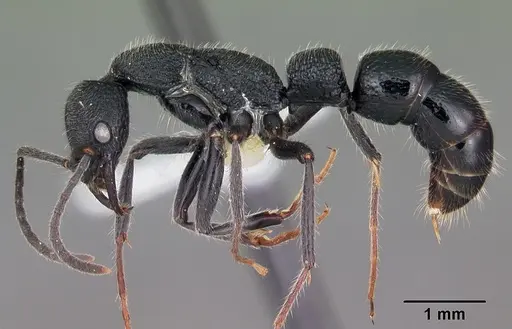
CASENT0110562
View on AntWeb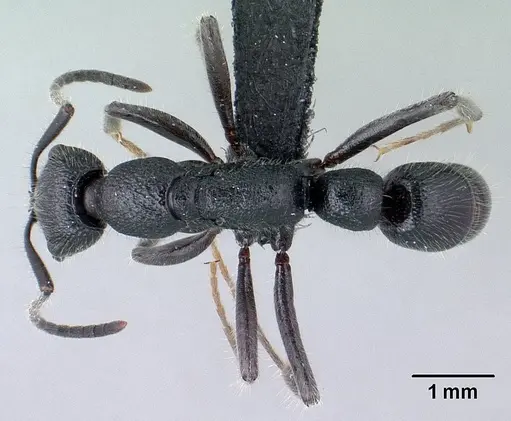
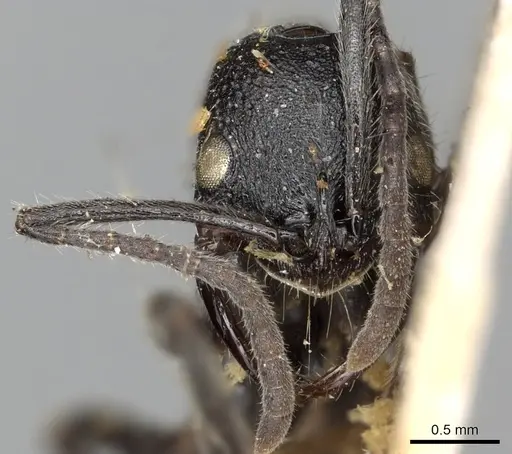
CASENT0280591
View on AntWeb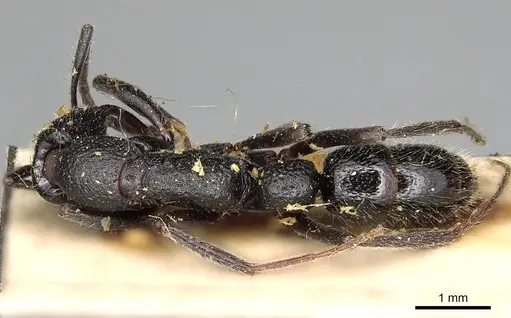
Literature
Loading distribution map...Loading products...