
Leptogenys ralipra
- Sci. Name
- Leptogenys ralipra
- Tribe
- Ponerini
- Subfamily
- Ponerinae
- Author
- Rakotonirina & Fisher, 2014
- Distribution
- Found in 1 countries
Introduction
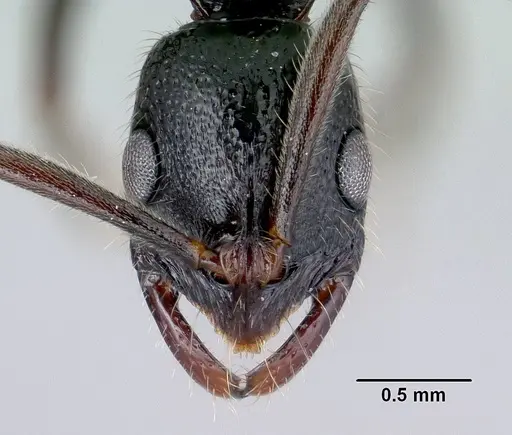
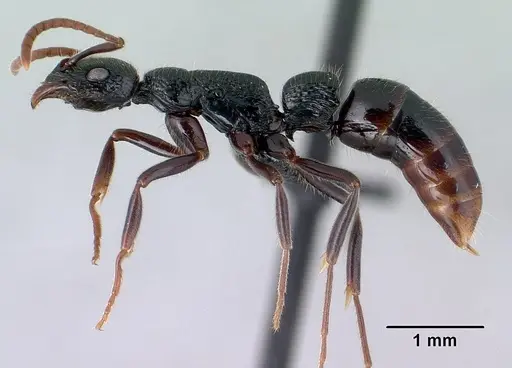
Leptogenys ralipra is a small ponerine ant endemic to the montane rainforests of east-central Madagascar. Workers are among the smaller Leptogenys species, with distinctive morphological features including large eyes, a smooth and shiny mandible, and a uniquely shaped petiolar node with a notched posterior margin. These ants are found only in the Moramanga region, specifically the Torotorofotsy area at approximately 1070m elevation, where they forage in leaf litter and nest in rotting wood on the forest floor . This species belongs to the saussurei species group and is recognized by its small size, indistinct metanotal groove, and the excised posterior border of the petiolar node. As a Ponerine ant, L. ralipra is predatory, hunting small invertebrates in the leaf litter layer of Madagascar's montane forests .
Quick Summary
- Difficulty: Medium
- Origin & Habitat: Montane rainforest of east-central Madagascar, specifically the Moramanga region at approximately 1070m elevation. Workers are found foraging in leaf litter and nesting in rotten logs and sticks on the ground [1].
- Colony Type: Colony structure is unconfirmed. No data exists on queen number or ergatoid replacement reproductives for this species.
- Size & Growth:
- Queen: Unconfirmed, no queen specimens have been described in the original species description [1].
- Worker: Small species, inferred from Leptogenys genus patterns (~4-5mm). The research provides head width (0.98-1.04mm) and mesosoma length (1.99-2.22mm) measurements, but total body length is not explicitly stated [1].
- Colony: Unknown, no colony size data exists for this species.
- Growth: Unknown, development timeline has not been studied.
- Development: Unconfirmed, no development data exists for this species. (No direct development data exists for this species.)
- Antkeeping:
- Temperature: Keep at moderate temperatures around 20-24°C. This species comes from a subtropical montane region, so avoid extreme heat. A gentle temperature gradient allows workers to self-regulate.
- Humidity: High humidity is essential, these ants live in rainforest leaf litter. Keep the nest substrate consistently moist but not waterlogged. Provide a water tube and ensure the nest area stays humid.
- Diapause: Unknown for this species. Madagascar does not experience harsh winters, so a true diapause may not be required. However, a slight cooling period during winter months may be beneficial.
- Nesting: In captivity, they do well in naturalistic setups with moist substrate or in Y-tong/plaster nests. They prefer tight spaces scaled to their tiny size. Provide rotten wood pieces or cork bark as nesting material to mimic their natural habitat in rotting logs and sticks.
- Behavior: These are small, predatory ants that forage in leaf litter. They are active hunters of micro-arthropods. Due to their very small size, escape prevention is critical, use fine mesh and tight-fitting lids. They possess a stinger but given their tiny size, sting risk to humans is minimal. Expect secretive behavior as they naturally live in hidden microhabitats.
- Common Issues: escape prevention is critical due to their small size, they can squeeze through tiny gaps, wild-caught colonies may have parasites that are difficult to treat in captivity, lack of available biological data makes proper care challenging, predatory diet requirements may be difficult to meet, they need small live prey, high humidity needs can lead to mold problems if ventilation is inadequate
Nest Preferences
In the wild, Leptogenys ralipra nests in rotten logs and rotting sticks on the forest floor. They forages in leaf litter, hunting small invertebrates in the moist microhabitat of Madagascar's montane rainforest. In captivity, provide a naturalistic setup with moist substrate (like a mix of soil and coco fiber) and include pieces of rotting wood, cork bark, or similar materials they can nest in. Alternatively, a Y-tong or plaster nest with tight chambers scaled to their small size works well. The key is maintaining high humidity while ensuring good ventilation to prevent mold. A water tube connected to the nest helps maintain moisture levels. [1]
Feeding and Diet
As a Ponerine ant, Leptogenys ralipra is predatory. In the wild, they hunt small invertebrates in leaf litter. In captivity, offer small live prey such as springtails, fruit flies, tiny crickets, and other micro-arthropods. Given their small worker size, prey items must be appropriately sized. You can also try offering small pieces of mealworms or other protein sources, though acceptance may vary. Sugar sources like honey water or sugar water may be accepted but should not be the primary food source for this predatory species. Feed every 2-3 days, removing uneaten prey to prevent mold. [1]
Temperature and Care
Keep Leptogenys ralipra at moderate temperatures around 20-24°C. This species comes from Madagascar's montane rainforests where temperatures are mild year-round. Avoid temperatures above 28°C, as this can stress the colony. Room temperature is often suitable. If needed, a heating cable on one side of the nest can create a gentle gradient, but ensure the heating element is placed on top of the nest to avoid evaporating moisture too quickly. Monitor colony activity, if workers seem sluggish, they may be too cold, if they avoid the heated area, it may be too warm. Maintain consistent temperatures rather than allowing fluctuations. [1]
Behavior and Temperament
Leptogenys ralipra is a small, secretive ant that naturally lives hidden in leaf litter and rotting wood. Workers are active hunters, using their stinger to subdue small prey. They are not aggressive toward humans and their small size means their sting is unlikely to cause significant discomfort. However, due to their tiny size, excellent escape prevention is essential, use fine mesh on any openings and ensure all connections are sealed. These ants are not colonial and should be kept in a setup that allows them to forage and hunt naturally. Expect to see more activity in the evening hours, as many leaf-litter ants are more active at night. [1]
Colony Founding
Direct observations of colony founding in Leptogenys ralipra do not exist. No data is available on whether the queen seals herself in a chamber (claustral founding) or if she continues foraging while raising brood. Given the lack of specific data, monitor the founding queen closely and maintain stable humidity and temperature. Do not disturb the founding chamber until at least 4-6 weeks have passed, then check gently for signs of successful founding.
Obtaining This Species
Leptogenys ralipra is endemic to a very limited range in Madagascar and is not commonly available in the antkeeping hobby. If available, wild-caught colonies are the most likely source. Be aware that wild-caught colonies may carry parasites or have difficulty adjusting to captive conditions. Quarantine and observe any new colony carefully before introducing them to your main setup. Due to their restricted distribution and limited availability, this species is best suited for experienced antkeepers who can provide proper care for a species with limited documented information. [1]
Frequently Asked Questions
How long does it take for Leptogenys ralipra to produce first workers?
The exact development timeline is unconfirmed for this species. No specific data exists on egg-to-worker development time.
Can I keep Leptogenys ralipra in a test tube setup?
Yes, a test tube setup can work for founding colonies. Ensure the tube has a water reservoir and keep it humid. However, given their natural nesting in rotting wood, a naturalistic setup with moist substrate and hiding places may be more suitable once the colony grows.
What do Leptogenys ralipra ants eat?
They are predatory ants that hunt small invertebrates. Feed them appropriately sized live prey such as springtails, fruit flies, and tiny crickets. Small protein pieces may also be accepted. They are not likely to rely on sugar sources.
Are Leptogenys ralipra good for beginners?
This species is not ideal for beginners. Limited biological data exists, making proper care challenging. Additionally, their small size requires excellent escape prevention, and their predatory diet can be difficult to maintain. Experienced antkeepers interested in rare Madagascar species would be better suited for this ant.
What temperature should I keep Leptogenys ralipra at?
Keep them at moderate temperatures around 20-24°C. This mimics their montane rainforest habitat in Madagascar. Avoid temperatures above 28°C. Room temperature is often suitable.
Do Leptogenys ralipra need hibernation?
Diapause requirements are unknown for this species. Madagascar does not have harsh winters, so a true hibernation may not be necessary. A slight cooling period during winter months may be beneficial but is likely not required.
How big do Leptogenys ralipra colonies get?
Colony size data is not available for this species. Based on their small worker size and limited range, colonies are likely modest in size.
Why are my Leptogenys ralipra dying?
Common causes include: escape due to inadequate barriers, improper humidity (too dry causes desiccation, too wet causes mold), stress from incorrect temperature, or starvation if prey is not offered frequently enough. Wild-caught colonies may also have parasites.
When should I move Leptogenys ralipra to a formicarium?
Move them when the test tube or founding setup becomes too cramped or the water reservoir runs low. For this species, a naturalistic setup with moist substrate often works better than traditional formicariums. Ensure any transition provides adequate humidity and appropriate-sized chambers.
Can I keep multiple Leptogenys ralipra queens together?
Colony structure is unconfirmed for this species. No data exists on whether they are single-queen or multi-queen. Combining unrelated queens has not been documented and is not recommended.
Where is Leptogenys ralipra found in the wild?
This species is endemic to the montane rainforests of east-central Madagascar, specifically the Moramanga region. It has only been collected from the Torotorofotsy area at approximately 1070m elevation.
Report an Issue
The current care sheet is based fully on literature. See inconsistencies, or something that's incorrect? Please , it will be resolved after review from an admin. Contributing to the blogs tab also helps providing information, to make us be able to further improve the caresheets. Thank you for your support!
References

This caresheet is licensed under CC BY-SA 4.0 .
Community Blogs
CASENT0051142
View on AntWeb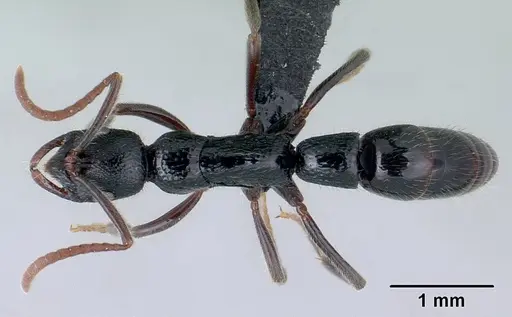
Literature
Loading distribution map...Loading products...