
Leptogenys quiriguana
- Sci. Name
- Leptogenys quiriguana
- Tribe
- Ponerini
- Subfamily
- Ponerinae
- Author
- Wheeler, 1923
- Distribution
- Found in 4 countries
Introduction
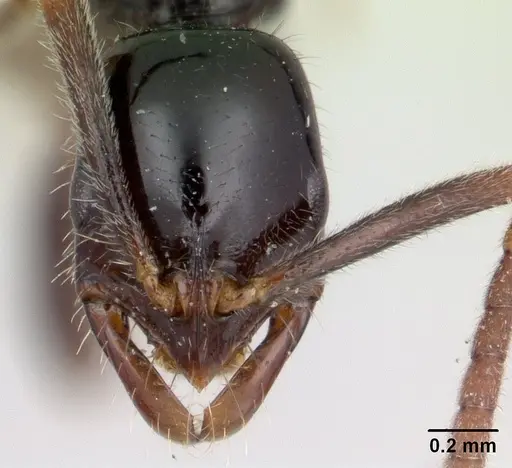
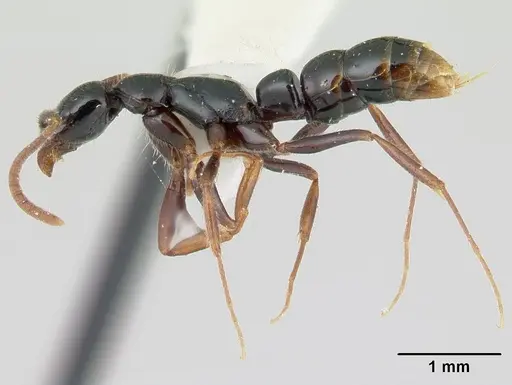
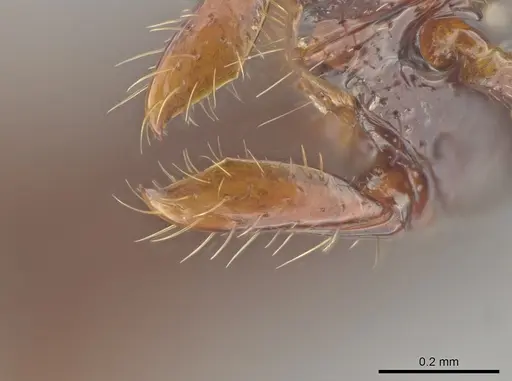
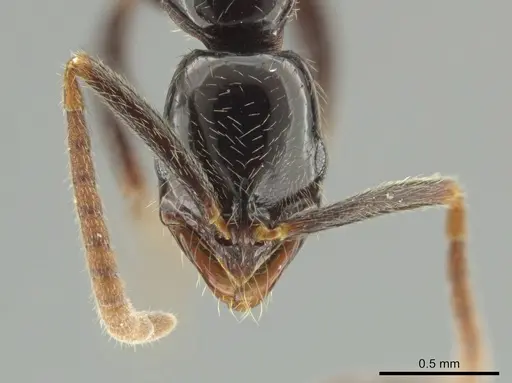
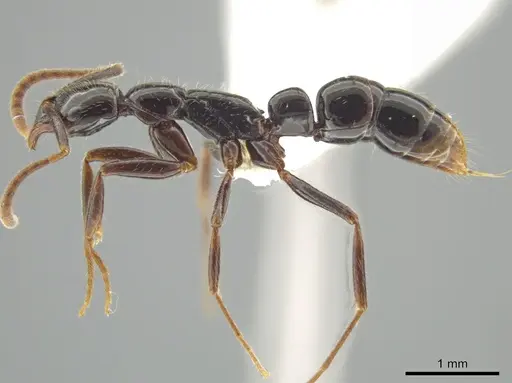
Leptogenys quiriguana is a small predatory ant native to southern Mexico, Belize, and Guatemala. Workers have a dark brown to black body with reddish antennae, mandibles, and legs. The species belongs to the Ponerinae subfamily, known for their active hunting behavior and relatively simple social structure. These ants are named after their type locality Quiriguá in Izabal, Guatemala. They are fast-moving ants that flee when disturbed, making them skittish but not aggressive. Queens and males remain unknown in scientific collections . The colony structure is unconfirmed.
Quick Summary
- Difficulty: Medium
- Origin & Habitat: Native to the Neotropical region, southern Mexico, Belize, and Guatemala. Found in forest habitats in this warm, humid region [1].
- Colony Type: Unconfirmed, queens have not been documented in scientific collections [1].
- Size & Growth:
- Queen: Unknown, queens have not been described in scientific literature [1]
- Worker: Very small, size data unavailable. Workers are approximately 3-4mm based on inference from related Leptogenys species
- Colony: Unknown, no colony size data available
- Growth: Unknown, likely moderate based on genus patterns
- Development: Unconfirmed, no direct development data exists for this species (Development timeline is unconfirmed for this species specifically)
- Antkeeping:
- Temperature: Keep warm and stable, roughly 24-28°C. These are tropical ants from Central America that prefer warm conditions. A heating cable on one side of the nest creates a suitable gradient
- Humidity: Maintain high humidity. These forest-dwelling ants from humid tropical regions need consistently moist substrate. Keep the nest substrate damp but not waterlogged
- Diapause: No, these tropical ants from southern Mexico and Guatemala do not require hibernation. They remain active year-round in captivity
- Nesting: In nature they likely nest in soil or under logs in forest floor habitats. In captivity, a small test tube setup or Y-tong nest with tight chambers works well. The very small worker size requires appropriately scaled chambers
- Behavior: These ants are fast-moving and flighty, they flee rapidly when disturbed rather than engaging in defensive behavior [2]. They are predatory hunters that likely chase down small prey. Their small size makes them capable of escaping through tiny gaps. Use fine mesh and excellent escape prevention. They are not aggressive toward keepers and pose no sting risk to humans due to their tiny size.
- Common Issues: escape prevention is critical due to their very small size, they can squeeze through standard mesh, lack of biological data means care is based on genus inference, results may vary, predatory diet requires live small prey which may be difficult to source consistently, high humidity needs can lead to mold if ventilation is inadequate, wild-caught colonies may have parasites since biology is unstudied
Housing and Nest Setup
Because workers are very small, you must use appropriately scaled housing. A small test tube setup works well for founding colonies, use a test tube with a cotton plug creating a water reservoir that keeps the substrate consistently moist. The chambers and passages must be tight, standard formicarium chambers are too large for these tiny ants. A Y-tong (AAC) nest with the smallest available chamber size is ideal. Whatever setup you choose, ensure all connections and barriers are tight, these ants can escape through gaps that would hold back larger species. Provide a small outworld for foraging that is also escape-proof.
Feeding and Diet
Leptogenys ants are predatory hunters that chase down live prey. Feed small live prey such as springtails, fruit flies, and other tiny arthropods. The workers are too small to take larger prey items. You may also offer small pieces of insects, but they prefer moving prey. Sugar sources are unlikely to be accepted, these are strict predators. Feed every 2-3 days, removing any uneaten prey to prevent mold. A constant water source should be available in the outworld.
Temperature and Humidity
These are tropical ants from southern Mexico and Guatemala that require warm, humid conditions. Keep the nest area at roughly 24-28°C. A heating cable placed on one side of the nest creates a temperature gradient that allows ants to self-regulate. For humidity, maintain high levels, the substrate should feel consistently damp but never waterlogged. Mist occasionally and monitor condensation levels. Good ventilation is essential to prevent mold while maintaining humidity, avoid both stagnant air and excessive drying. Room temperature in most homes may be too cool, so consider supplemental heating.
Behavior and Colony Care
This species is known for being fast and flighty, they will rapidly flee when disturbed rather than stand their ground [2]. This makes them interesting to watch but can be challenging to work with during nest inspections. They are not aggressive and pose no sting risk to humans due to their tiny size. Colony founding behavior is unconfirmed for this species. The first workers (nanitics) will be smaller than normal workers. Growth rate is unknown but likely moderate. Be patient during the founding stage, do not disturb the queen once she has sealed herself in.
Understanding the Knowledge Gap
It is important to note that almost nothing is scientifically known about the biology of Leptogenys quiriguana. Queens, males, colony size, development timeline, and exact behavior have not been documented in scientific literature [1]. This caresheet provides guidance based on genus patterns and related species, but your observations may contribute to our understanding of this species. Keep detailed notes on your colony's behavior, growth, and preferences. If you successfully keep and breed this species, your observations could help future antkeepers. The lack of documented biology also means wild-caught colonies may have unknown issues, quarantine and observe new colonies carefully.
Frequently Asked Questions
How long does it take for Leptogenys quiriguana to produce first workers?
The exact development timeline is unconfirmed for this species. Based on typical Ponerinae genus patterns, expect several months from egg to first worker at optimal temperature. The queen will seal herself in and raise the first brood alone.
What do Leptogenys quiriguana ants eat?
They are predatory ants that hunt small live prey. Feed tiny live insects like springtails, fruit flies, and other micro-arthropods. They are unlikely to accept sugar sources or dead prey, live hunting is their primary foraging strategy.
What temperature do Leptogenys quiriguana ants need?
Keep them warm at roughly 24-28°C. These are tropical ants from southern Mexico and Guatemala that need warm conditions year-round. A heating cable on one side of the nest creates a suitable gradient.
Do Leptogenys quiriguana ants need hibernation?
No, they do not require hibernation. Being tropical ants from Central America, they remain active year-round. Do not expose them to cold temperatures.
How do I house Leptogenys quiriguana ants?
Use small-scale housing appropriate for their tiny size. A small test tube setup works for founding colonies. For established colonies, a Y-tong nest with the smallest available chambers is ideal. Escape prevention is critical, they can squeeze through tiny gaps that larger ants cannot.
Why are my Leptogenys quiriguana ants dying?
Common causes include: temperature too low (they need warm conditions around 24-28°C), humidity too low (they need consistently moist substrate), escape through tiny gaps, lack of appropriate live prey, or stress from disturbance during founding. Review each parameter and ensure the colony is in a quiet location.
Can I keep multiple Leptogenys quiriguana queens together?
This is not recommended. While queens have not been documented for this species, combining unrelated queens of this species has not been studied. Colony social structure is unconfirmed for this species.
How big do Leptogenys quiriguana colonies get?
Colony size is unknown for this specific species. Based on related Leptogenys species, colonies likely reach several hundred workers at most. They are not large colony builders.
Is Leptogenys quiriguana good for beginners?
This species is not ideal for beginners due to the lack of biological data and specific care requirements. The need for small live prey, high humidity, warm temperatures, and excellent escape prevention make it more suitable for intermediate antkeepers who can provide these conditions consistently.
Report an Issue
The current care sheet is based fully on literature. See inconsistencies, or something that's incorrect? Please , it will be resolved after review from an admin. Contributing to the blogs tab also helps providing information, to make us be able to further improve the caresheets. Thank you for your support!
References

This caresheet is licensed under CC BY-SA 4.0 .
Community Blogs
CASENT0178823
View on AntWeb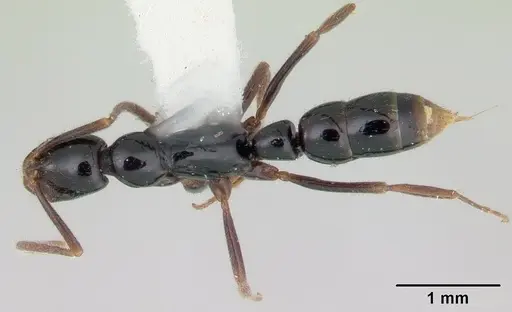
CASENT0615957
View on AntWeb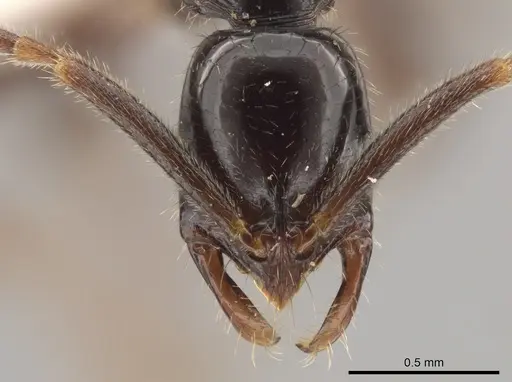
CASENT0615958
View on AntWeb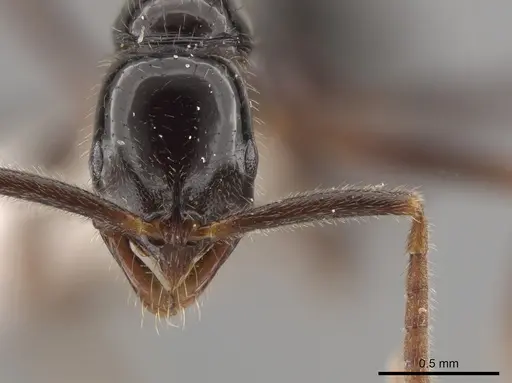
CASENT0618762
View on AntWeb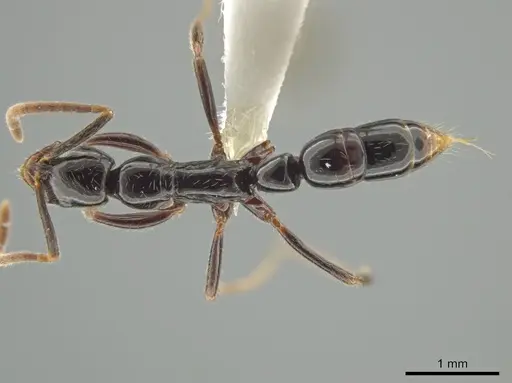
Literature
Loading distribution map...Loading products...