
Leptogenys quadrata
- Sci. Name
- Leptogenys quadrata
- Tribe
- Ponerini
- Subfamily
- Ponerinae
- Author
- Lattke, 2011
- Distribution
- Found in 2 countries
Introduction
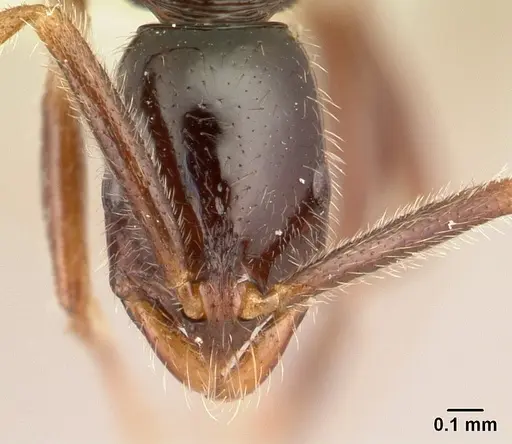
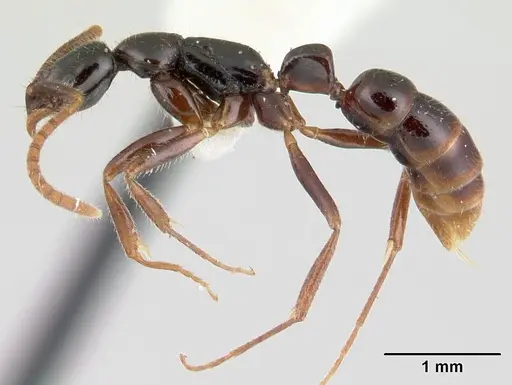
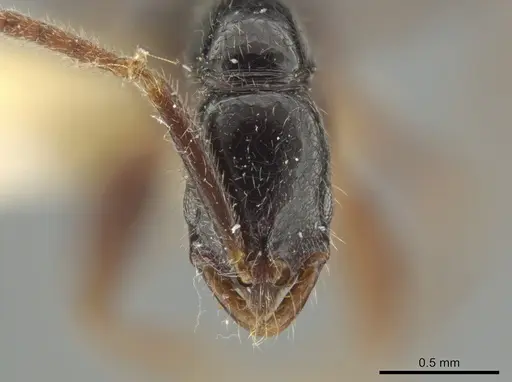
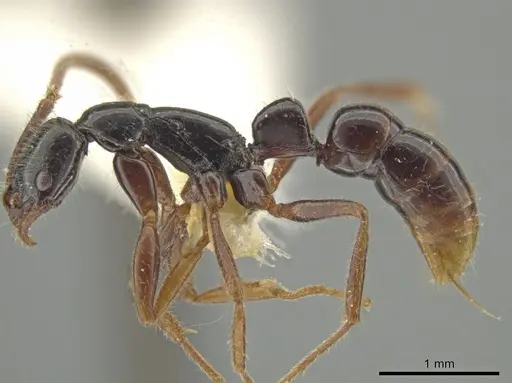
Leptogenys quadrata is a small predatory ant in the Ponerinae subfamily, found across the Neotropical region from Costa Rica through Colombia to Ecuador. Workers are primarily black to dark brown, with brown mandibles, clypeus, scape, and legs. The species was described in 2011 by Lattke and is a member of the pusilla species group. The name quadrata comes from the Latin for 'four-cornered', referring to the rectangular head shape visible in full-face view. Queens and males remain unknown, and the broad elevational range from 1700m to near sea level suggests this may represent more than one distinct species .
Quick Summary
- Difficulty: Expert
- Origin & Habitat: Neotropical region, Costa Rica, Colombia (Caldas, Cauca, Magdalena, Quindío, Valle del Cauca), and Ecuador. Found under stones in forested areas at elevations ranging from near sea level to 1700m [2][3][1].
- Colony Type: Unknown, queens and males have not been documented, so colony structure is unconfirmed.
- Size & Growth:
- Queen: Unknown, queens have not been described [1]
- Worker: size data unavailable, the species is only known from workers, and only head and mesosoma measurements are published, not total body length [1]
- Colony: Unknown, no colony size data available
- Growth: Unknown, no development data available
- Development: Unconfirmed, no development data exists for this species (Queens have never been documented, so captive breeding is currently impossible.)
- Antkeeping:
- Temperature: Warm Neotropical conditions, aim for 24-28°C. The wide elevational range suggests some flexibility, but populations from Costa Rica and lowland Colombia likely prefer warmer conditions.
- Humidity: Moderate to high, being found under stones in forest habitats suggests they prefer stable, moderately humid conditions. Keep nest substrate consistently moist but not waterlogged.
- Diapause: Likely minimal or none, as a tropical species from low elevations, they probably do not require true hibernation.
- Nesting: Natural nesting: under stones in forest habitats. Captive recommendations: Y-tong or plaster nests work well for small Ponerinae. Provide narrow chambers and moderate humidity. A test tube setup with a water reservoir can work for founding colonies.
- Behavior: Active and predatory hunters. Like other Leptogenys species, they are likely aggressive foragers that hunt small arthropods. Their small size means escape prevention is critical, they can squeeze through tiny gaps. Ponerinae ants have functional stingers, so there is potential for stinging behavior if handled roughly. They are likely more active in warmer conditions and may reduce activity during cooler periods.
- Common Issues: queen availability is a major constraint, queens have never been documented, making captive breeding from wild-caught queens impossible unless discovered., small size makes escape prevention challenging, use fine mesh and tight-fitting lids., no established husbandry guidelines exist for this species, keepers must experiment with conditions., tropical origin means they may not tolerate cool temperatures, keep warm year-round., predatory diet may be difficult to sustain, requires consistent access to small live prey.
Species Identification and Range
Leptogenys quadrata is a member of the pusilla species group within the genus Leptogenys. The species was described in 2011 by J. Lattke based on specimens collected from Colombia. Workers are characterized by their elongate, rectangular head, broadly convex eyes, and smooth shiny body. The distribution spans the Neotropical region from Costa Rica through Colombia to Ecuador, with documented records in Colombian departments of Caldas, Cauca, Magdalena, Quindío, and Valle del Cauca. The type specimens were collected under a stone at 1700m elevation near Cali. Specimens from different localities show minor morphological differences, those from Magdalena have more convex eyes, while Costa Rican specimens are very black with striae on the mandibles. This variation across such a wide elevational range suggests the species may actually represent multiple cryptic species [1][2][3].
Housing and Nest Setup
For this small Ponerinae species, a Y-tong or plaster nest with narrow chambers works well. The natural nesting habit is under stones in forest habitats, indicating they prefer stable, moderately humid conditions with some protection from drying out. Test tubes can work for founding colonies if humidity is carefully managed. Because workers are tiny, escape prevention must be excellent, use fine mesh barriers and ensure all connections are sealed. Provide a small outworld for foraging. The nest should have areas of slightly varying humidity so the ants can self-regulate. Avoid overly wet conditions that could cause mold, but keep the substrate consistently damp. [1]
Feeding and Diet
Leptogenys ants are predatory, using their mandibles to capture and subdue small arthropods. In captivity, offer small live prey such as fruit flies, small crickets, mealworm larvae, and other appropriately-sized insects. The small worker size means prey items should be tiny, springtails and booklice are likely ideal. Remove uneaten prey promptly to prevent mold. Sugar sources may be accepted occasionally, but protein-rich live prey should form the primary diet. Feed every 2-3 days, adjusting based on colony consumption.
Temperature and Seasonal Care
As a Neotropical species from Costa Rica and Colombia, Leptogenys quadrata requires warm conditions. Aim for 24-28°C in the nest area. The broad elevational range suggests some flexibility, but the lowland populations likely prefer warmer conditions. Use a heating cable or mat on one side of the nest to create a gentle temperature gradient. Avoid temperatures below 20°C for extended periods. True hibernation is unlikely given the tropical distribution, but activity may decrease during cooler months. Monitor colony behavior, if workers become sluggish, slightly increase temperatures.
Challenges and Limitations
A significant challenge with Leptogenys quadrata is that queens and males have never been documented. This means wild-caught colonies cannot be obtained, and captive breeding from this species is currently impossible unless someone discovers and describes the queen caste. The species is known only from worker specimens. Additionally, no established husbandry guidelines exist, keepers will need to experiment with conditions based on what works for related Leptogenys species. The small size also presents practical challenges for feeding and escape prevention. Until the queen is discovered and described, this species remains more of a taxonomic curiosity than a practical species for antkeeping. [1]
Frequently Asked Questions
Can I keep Leptogenys quadrata in a test tube?
Yes, a test tube setup can work for this small species. Keep the tube consistently humid but not waterlogged, and ensure the cotton stopper is packed tightly to prevent escapes. However, test tube colonies are difficult to observe and feed. A small Y-tong or plaster nest is often more practical for long-term keeping.
When will Leptogenys quadrata have workers?
This is currently impossible to answer definitively, queens have never been documented for this species, so there are no wild colonies to obtain. Until the queen caste is discovered and described scientifically, captive colonies cannot be established.
What do Leptogenys quadrata ants eat?
Like other Leptogenys species, they are predatory and likely hunt small arthropods. Feed tiny live prey such as fruit flies, small crickets, springtails, and mealworm larvae. Remove uneaten prey promptly. Sugar water may be occasionally accepted but should not be the primary food source.
Are Leptogenys quadrata ants dangerous?
Ponerinae ants typically have functional stingers. However, this species is very small, and their sting is unlikely to penetrate human skin significantly. They are not considered dangerous to humans, but handle gently to avoid triggering defensive responses.
What temperature do Leptogenys quadrata ants need?
Keep them warm at 24-28°C. As a Neotropical species from Costa Rica and Colombia, they prefer tropical temperatures. A heating cable on part of the nest can provide the necessary warmth, but ensure there's a cooler area so ants can self-regulate.
Do Leptogenys quadrata ants need hibernation?
Probably not. As a tropical species from low elevations in Central and South America, they likely do not require true hibernation. However, they may become less active during cooler months. Maintain warm temperatures year-round for best results.
Why are my Leptogenys quadrata ants dying?
Without established husbandry guidelines, troubleshooting is speculative. Common issues likely include: temperatures too low, humidity too dry or too wet, escape-related losses due to their tiny size, or starvation if not provided appropriate live prey. This species is currently too poorly known for definitive care advice.
Can I keep multiple queens together?
This cannot be answered, queens have never been documented for this species, so there is no information on colony structure or queen behavior. The species is only known from worker specimens.
How big do Leptogenys quadrata colonies get?
Unknown. No colony size data exists for this species. Based on related Leptogenys species, colonies are likely modest in size, but this is speculative.
Are Leptogenys quadrata good for beginners?
No. This species is not recommended for beginners or even experienced keepers. Queens have never been documented, meaning captive colonies cannot be established. Additionally, no established care guidelines exist. This species remains a taxonomic curiosity rather than a practical antkeeping species.
What is the difficulty level for Leptogenys quadrata?
Expert. This species cannot currently be kept in captivity because queens have never been documented. Even for experienced antkeepers, the complete lack of baseline husbandry information makes this species impractical. It remains known only from occasional worker specimens collected in the wild.
Report an Issue
The current care sheet is based fully on literature. See inconsistencies, or something that's incorrect? Please , it will be resolved after review from an admin. Contributing to the blogs tab also helps providing information, to make us be able to further improve the caresheets. Thank you for your support!
References

This caresheet is licensed under CC BY-SA 4.0 .
Community Blogs
CASENT0178795
View on AntWeb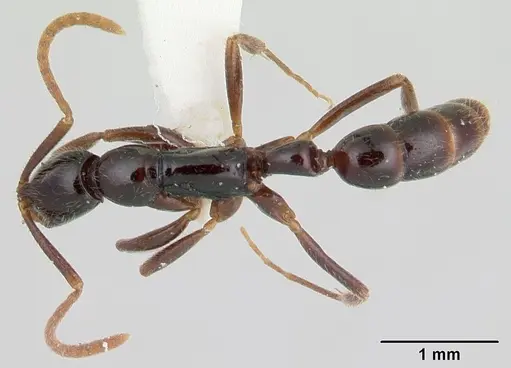
INBIOCRI001279747
View on AntWeb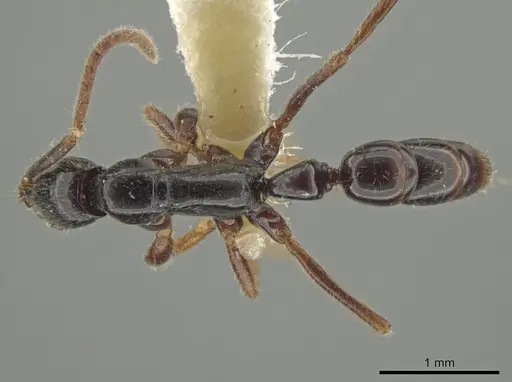
Literature
Loading distribution map...Loading products...