
Leptogenys pusilla
- Sci. Name
- Leptogenys pusilla
- Tribe
- Ponerini
- Subfamily
- Ponerinae
- Author
- Emery, 1890
- Distribution
- Found in 6 countries
Introduction
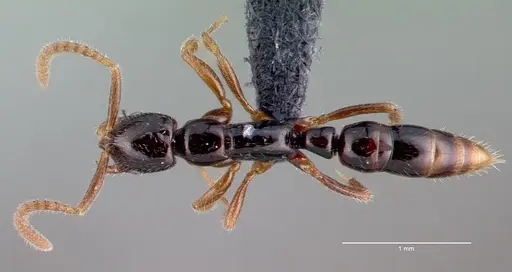
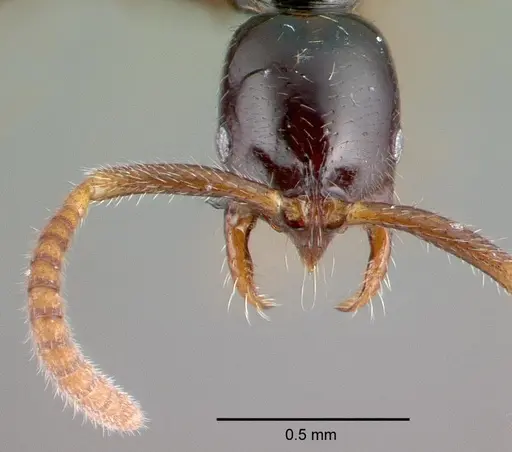
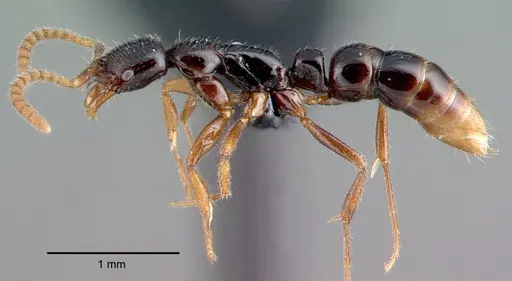
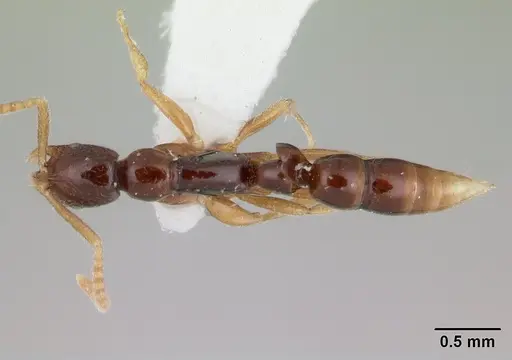
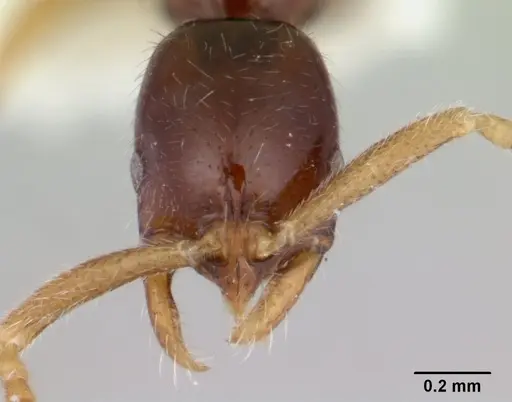
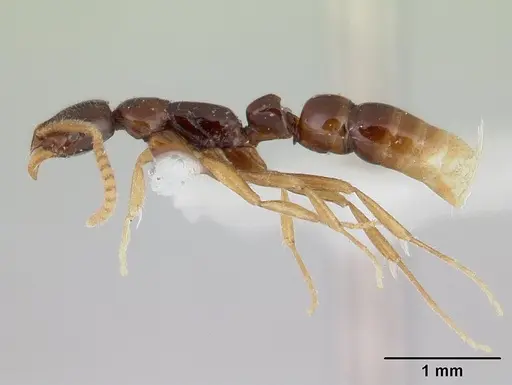
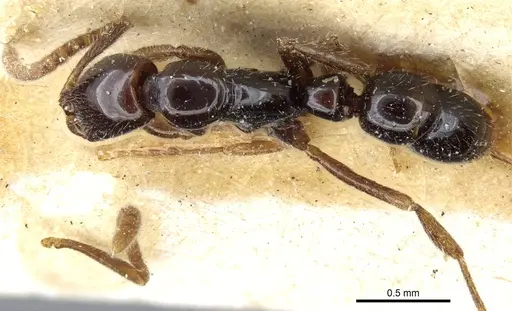
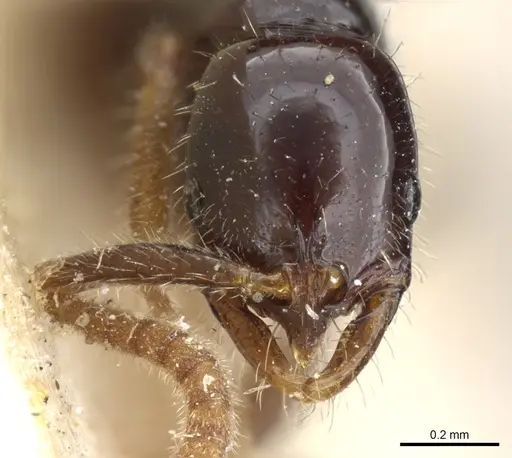
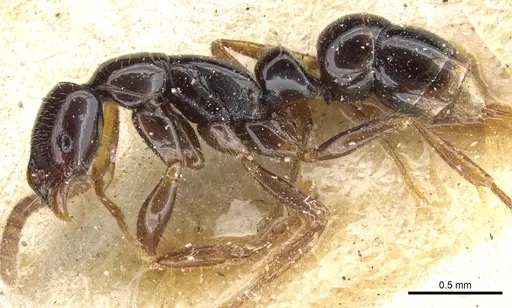
Leptogenys pusilla is a small predatory ant from the Ponerinae subfamily, found throughout Central America into northern South America. Workers are small ants colored ferruginous brown to black, with brownish-yellow to brown legs and antennae. They have distinctive pectinated (comb-like) tarsal claws that help them grip surfaces, and their eyes are small and placed closer to the middle of the head than to the mandibles. This species nests in decomposing wood on the ground in moist forested areas, ranging from secondary forest to primary rainforest and even cocoa plantations . Queens have uniquely hypertrophied mandibles that appear spoon-shaped, a trait shared only with the related species Leptogenys josephi among the entire genus .
Quick Summary
- Difficulty: Medium
- Origin & Habitat: Native to Central and northern South America, ranging from Mexico through Costa Rica and Panama to Brazil, Colombia, French Guiana, and Argentina. Found in moist forested areas including primary and secondary rainforest, as well as cocoa plantations [1][2].
- Colony Type: Colony structure is not well documented. Observations in Costa Rica suggest this species may be polygynous (multi-queen), but more research is needed to confirm [1].
- Size & Growth:
- Queen: Similar morphology to workers but with greatly swollen, spoon-shaped mandibles. Size data unavailable, inferred from Leptogenys genus patterns as slightly larger than workers.
- Worker: Small ant, approximately 3-4 mm total length, inferred from Leptogenys genus patterns.
- Colony: Maximum colony size is not documented in research.
- Growth: Unknown, no specific development data available.
- Development: Development timeline not directly studied for this species. (Temperature-dependent, warmer conditions may accelerate development.)
- Antkeeping:
- Temperature: Keep around 22-26°C. This species comes from tropical regions with warm, stable temperatures.
- Humidity: Requires moderate to high humidity, think damp forest floor conditions. Keep nest substrate consistently moist but not waterlogged. Provide a water source.
- Diapause: No, being a tropical species from Central and South America, they do not require hibernation. Keep them active year-round at warm temperatures.
- Nesting: In nature, they nest in decomposing wood on the ground. In captivity, a naturalistic setup with moist substrate (soil/peat mix) and decaying wood pieces works well. Y-tong or plaster nests with good moisture retention are also suitable.
- Behavior: This is a predatory ant species that actively hunts terrestrial isopods (woodlice) in nature [1]. They are ground-dwelling and likely use chemical trails to coordinate foraging. Workers are relatively small but actively hunt prey. Escape risk is moderate, their small size means they can slip through small gaps, so use standard barrier precautions. Temperament is typically non-aggressive toward humans but will defend the nest. This species has a functional stinger typical of Ponerinae ants.
- Common Issues: humidity control is critical, too dry and colonies will fail, especially during founding, predatory diet means you must provide live prey regularly, they won't survive on sugar alone, small size makes escape prevention important despite their ground-dwelling nature, slow founding phase, ponerine queens often take longer to raise first workers than claustral species, wild-caught colonies may carry parasites that can devastate captive colonies
Housing and Nest Setup
Leptogenys pusilla is a ground-dwelling ant that naturally nests in decomposing wood on the forest floor. For captivity, a naturalistic setup works best, use a mixture of soil and peat as substrate, with pieces of decaying wood or bark for them to nest in. Keep the substrate consistently moist but not waterlogged. A shallow water dish should always be available. Since they're small, ensure any gaps in the outworld are sealed, they can squeeze through surprisingly small openings. A test tube setup can work for founding colonies, but transfer to a naturalistic setup once the colony reaches 15-20 workers. [1][2]
Feeding and Diet
This is a predatory species that primarily hunts terrestrial isopods (woodlice) in the wild [1]. In captivity, you must replicate this protein-rich diet. Offer small live prey such as isopods, springtails, small mealworms, fruit flies, and other tiny arthropods. They need regular protein to sustain the colony, feed every 2-3 days, removing uneaten prey after 24 hours. Sugar sources like honey or sugar water may be accepted but should not be the primary food. Fresh water must always be available.
Temperature and Humidity
Being a tropical species, Leptogenys pusilla needs warm, humid conditions. Maintain temperatures between 22-26°C with some variation allowed. A heating cable on one side of the nest creates a gradient so workers can self-regulate. Humidity is critical, keep the nest substrate moist like a damp forest floor. Mist the outworld occasionally but monitor for mold. Poor humidity is one of the most common causes of colony failure, especially during the founding stage when the queen is more vulnerable.
Colony Development
Leptogenys pusilla likely has semi-claustral founding, meaning the queen may need access to small prey items during the founding phase. This is different from claustral species that seal themselves in and live off stored fat. The founding queen will need access to small prey items to survive and raise her first workers. Development takes longer than many common ants. The first workers (nanitics) will be smaller than normal workers. Growth is moderate, don't expect rapid expansion. Patience is key with ponerine species. [1]
Behavior and Foraging
These ants are active hunters that forage on the ground surface. They likely use chemical pheromone trails to coordinate group hunting, similar to other Leptogenys species. Workers are relatively small but bold hunters. They have a functional stinger but are not aggressive toward humans. In the outworld, they will hunt any small invertebrates they encounter. Observing their hunting behavior is one of the most interesting aspects of keeping this species. [1]
Frequently Asked Questions
How long does it take for Leptogenys pusilla to have first workers?
Development timeline is not directly studied for this species. Expect several months from egg to first worker under optimal conditions (22-26°C). This is slower than many common ants because they are likely semi-claustral, the queen may need to hunt rather than living off stored fat alone.
What do Leptogenys pusilla ants eat?
They are predatory ants that primarily hunt terrestrial isopods (woodlice) in the wild [1]. In captivity, feed small live prey like springtails, isopods, small mealworms, and fruit flies. Protein-rich foods are essential, they cannot survive on sugar alone.
Can I keep Leptogenys pusilla in a test tube?
Test tubes work for founding colonies but are not ideal long-term. This species nests in decomposing wood in nature and prefers a naturalistic setup with moist substrate. Transfer to a naturalistic or Y-tong setup once the colony reaches 15-20 workers.
Are Leptogenys pusilla good for beginners?
This is a medium-difficulty species. The main challenges are providing a proper predatory diet and maintaining humidity. If you have experience with ponerine ants or are willing to commit to regular live prey feeding, they can be rewarding.
Do Leptogenys pusilla need hibernation?
No, being a tropical species from Central and South America, they do not require hibernation. Keep them active year-round at warm temperatures (22-26°C). Some reduction in activity during cooler months may occur naturally.
How big do Leptogenys pusilla colonies get?
The maximum colony size is not documented in research. Based on related species and collection data, mature colonies likely reach several hundred workers. Growth is moderate and slower than many Myrmicinae species.
Why are my Leptogenys pusilla dying?
The most common causes are: 1) Low humidity, keep substrate consistently moist, 2) Lack of protein, they need live prey regularly, 3) Temperature too cold, keep at 22-26°C, 4) Parasites from wild-caught colonies. Ensure proper care parameters and consider if the colony was wild-caught.
Can I keep multiple queens together?
Observations suggest this species may be polygynous (multi-queen) in the wild [1]. However, combining unrelated foundress queens in captivity is risky and not recommended unless you have experience. Let a single queen found the colony first.
When should I move Leptogenys pusilla to a formicarium?
Keep them in a test tube or small container for the founding phase. Once you have 15-20 workers and the test tube is getting crowded or the water reservoir is low, transfer to a naturalistic setup or formicarium with good moisture retention.
Report an Issue
The current care sheet is based fully on literature. See inconsistencies, or something that's incorrect? Please , it will be resolved after review from an admin. Contributing to the blogs tab also helps providing information, to make us be able to further improve the caresheets. Thank you for your support!
References

This caresheet is licensed under CC BY-SA 4.0 .
Community Blogs
Literature
Loading distribution map...Loading products...