
Leptogenys polaszeki
- Sci. Name
- Leptogenys polaszeki
- Tribe
- Ponerini
- Subfamily
- Ponerinae
- Author
- Sharaf & Akbar, 2017
- Distribution
- Found in 1 countries
Introduction
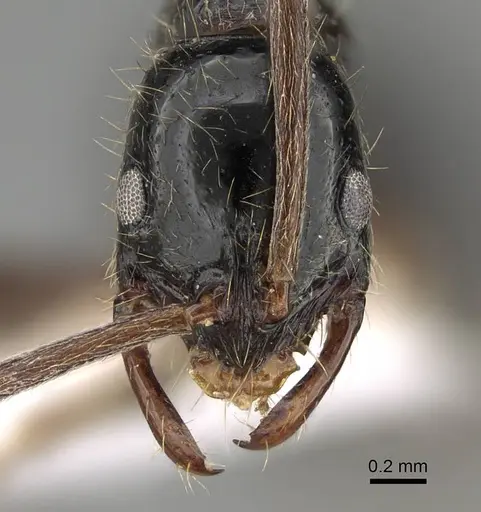
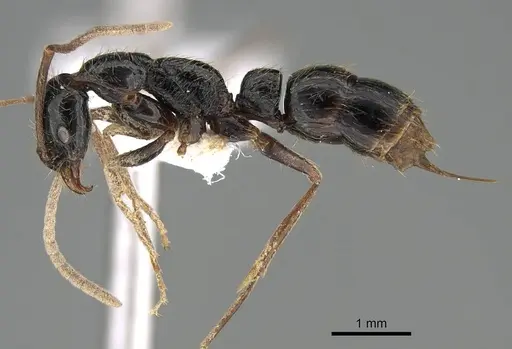
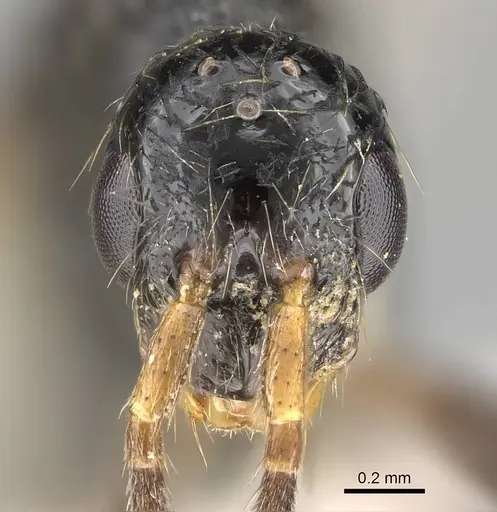
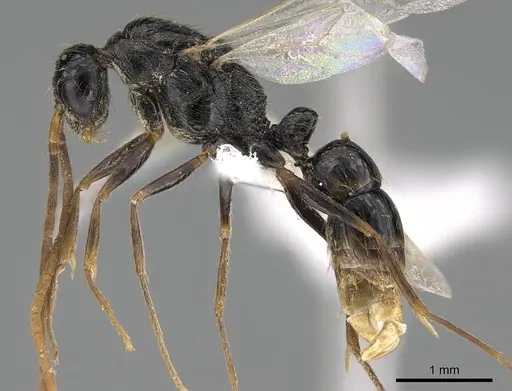
Leptogenys polaszeki is a predatory ant from the Asir Mountains of Saudi Arabia. Workers are approximately 5.75-6.00 mm long with a black to brown-black body and brown appendages . They belong to the Leptogenys sulcinoda-group and have long scapes, small eyes with 13 ommatidia, and a deeply impressed metanotal groove . This species is rare, with only two specimens collected in extensive pitfall trap surveys, indicating nocturnal activity . The most notable aspect is its rarity and nocturnal behavior, making it difficult to study and potentially challenging to keep in captivity.
Quick Summary
- Difficulty: Expert
- Origin & Habitat: Raydah Nature Reserve, Asir Mountains, Saudi Arabia at 1851m elevation, in juniper forest habitat with diverse vegetation [1][2].
- Colony Type: Colony structure is unconfirmed. Only workers and a possible male have been collected [1].
- Size & Growth:
- Queen: Undescribed, queen has not been documented [1]
- Worker: Approximately 5.75-6.00 mm total length [1]
- Colony: Unknown, only two specimens ever collected [1]
- Growth: Unknown
- Development: Unknown, no development data exists for this species (Based on related Leptogenys species, development may take 2-4 months at tropical temperatures, but this is a high-altitude species so may be slower.)
- Antkeeping:
- Temperature: Unconfirmed. Based on high-altitude habitat (1851m), likely prefer cooler conditions around 20-24°C [1].
- Humidity: Moderate humidity likely preferred, based on juniper forest habitat. Keep nest substrate slightly moist but not waterlogged [1].
- Diapause: Unknown, no data on seasonal dormancy.
- Nesting: No direct data. Based on habitat, naturalistic setup with moist soil or Y-tong/plaster nest may be appropriate.
- Behavior: Likely nocturnal predator based on collection method [1]. As a Ponerine ant, they probably sting and hunt small invertebrates. Escape risk is moderate due to medium size. Temperament is unknown but may be defensive.
- Common Issues: no established care protocols exist due to species rarity., queen is undescribed, making wild colony collection impossible., diet preferences are unconfirmed, but likely predatory on small invertebrates., temperature and humidity requirements are speculative based on habitat., high-altitude origin may require cooler conditions than typical ant setups.
Discovery and Rarity
Leptogenys polaszeki was described in 2017 by Sharaf and Akbar. The species is named after Dr. Andrew Polaszek. It is rare, with only two specimens collected in over 200 pitfall traps over two years, suggesting low population density and nocturnal activity [1].
Identification and Distinguishing Features
Workers measure approximately 6 mm total length with black to brown-black body. Key features include long scapes (scape index 150-159), small eyes with 13 ommatidia, deeply impressed metanotal groove, and petiole meeting gaster at right angle [1]. These distinguish it from similar species like Leptogenys bellii and Leptogenys maxillosa [1].
Habitat and Natural History
Type locality is Raydah Nature Reserve at 1851m elevation, with juniper forest and diverse vegetation [1]. Activity noted in late summer, but seasonal patterns unknown [1].
Keeping This Species
This species is not suitable for beginners due to rarity and lack of data. If a colony were obtained, experiment with cooler temperatures, moderate humidity, and live prey. However, no queen has been described, making it currently impossible to keep [1].
Frequently Asked Questions
Can I keep Leptogenys polaszeki as a pet?
No, this species has never been kept in captivity and the queen is undescribed, making it impossible to obtain a colony [1].
How big do colonies get?
Unknown, as only two specimens have been collected [1].
What do they eat?
Unconfirmed, but likely predatory on small invertebrates based on Ponerine characteristics.
What temperature do they need?
Unconfirmed, but based on high-altitude habitat, likely 20-24°C [1].
Are they good for beginners?
No, due to rarity and lack of care data [1].
Where do they live?
Only known from Raydah Nature Reserve, Saudi Arabia [1].
Development time?
Unknown, but related species take 2-4 months.
Do they need hibernation?
Unknown, but high-altitude habitat suggests possible seasonal slowdown.
Can I find a queen in the wild?
Extremely unlikely, as species is rare and queen undescribed [1].
Report an Issue
The current care sheet is based fully on literature. See inconsistencies, or something that's incorrect? Please , it will be resolved after review from an admin. Contributing to the blogs tab also helps providing information, to make us be able to further improve the caresheets. Thank you for your support!
References

This caresheet is licensed under CC BY-SA 4.0 .
Community Blogs
CASENT0922261
View on AntWeb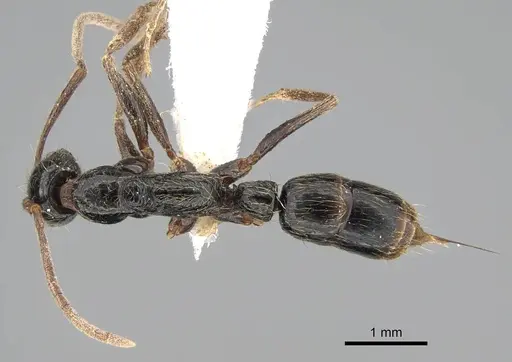
CASENT0922262
View on AntWeb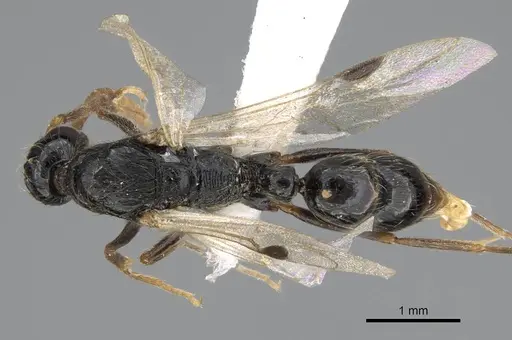
Literature
Loading distribution map...Loading products...