
Leptogenys peuqueti
- Sci. Name
- Leptogenys peuqueti
- Tribe
- Ponerini
- Subfamily
- Ponerinae
- Author
- André, 1887
- Distribution
- Found in 4 countries
Introduction
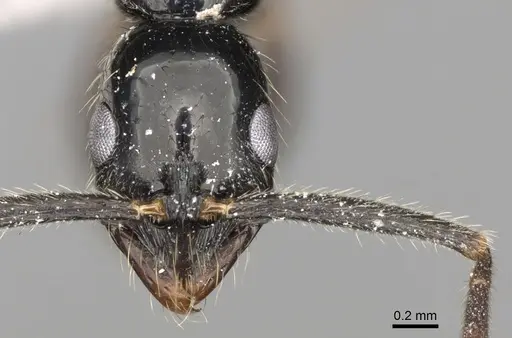
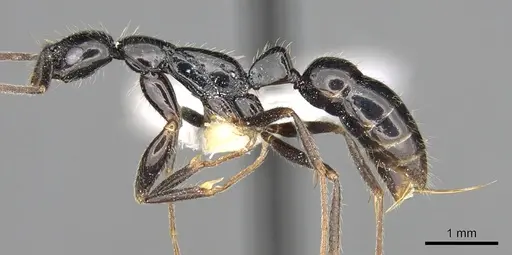
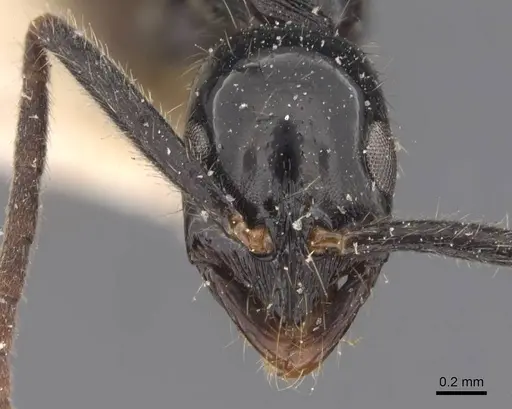
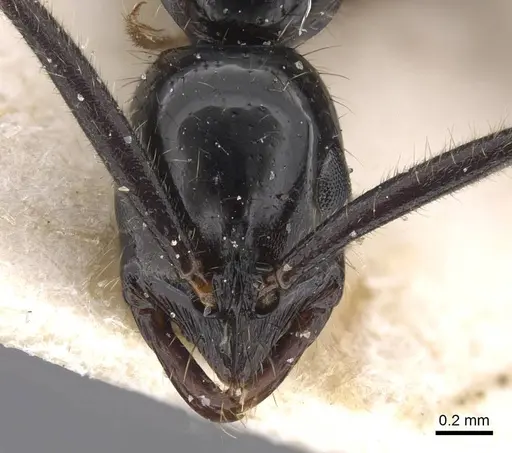
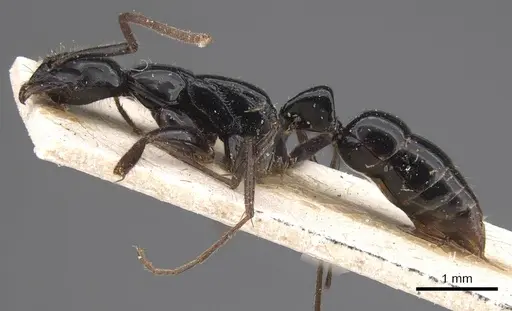
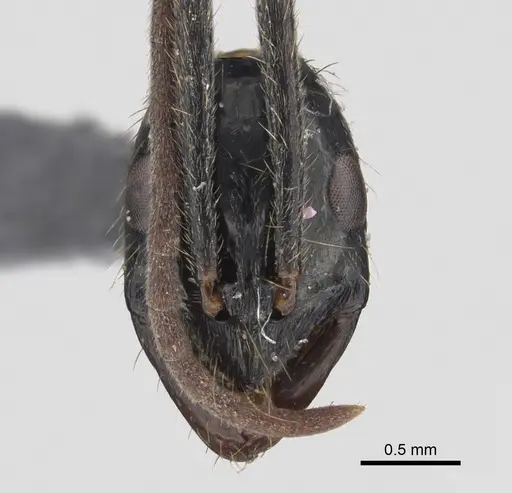
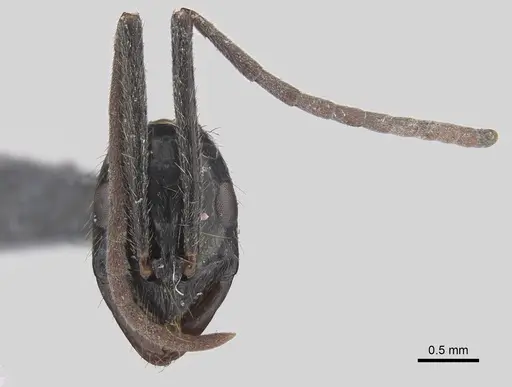
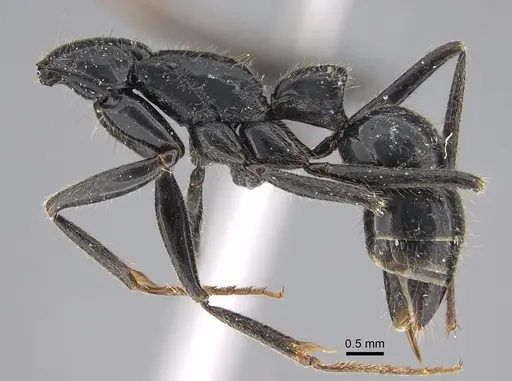
Leptogenys peuqueti is a medium-sized ponerine ant native to the Indomalayan region, ranging from southern China through Southeast Asia to India and Sri Lanka. Workers measure 5-7mm with a distinctive black body that can show an iridescent blue sheen, smooth and shiny overall with long antennae that extend beyond the back of the head . This species belongs to the chinensis species group and is the most common Leptogenys in Hong Kong, found in forests, shrubland, and even disturbed urban areas . What makes L. peuqueti unique is its colony structure - these ants are queenless and reproduce through gamergates, which are workers that become reproductive and lay eggs. This is rare among ants and means you'll be keeping a functional colony without a traditional queen caste . They also have one of the most complex trail pheromone mixtures known in ants, with 14 different compounds from their venom gland used for communication .
Quick Summary
- Difficulty: Medium
- Origin & Habitat: Indomalayan region, from southern China (Fujian, Guangdong, Guangxi, Hainan, Hong Kong, Yunnan, Zhejiang) through Myanmar, Thailand, Malaysia, Indonesia, Philippines to India (Andaman Islands, Kerala, Meghalaya, Sikkim, West Bengal), Bangladesh, Bhutan, Sri Lanka, and Vietnam [2][1]. Found in forests, shrubland, and urban areas.
- Colony Type: Queenless colony that reproduces through gamergates (reproductive workers). Colonies contain 4 ± 4 gamergates on average (range 1-13), with worker populations ranging from 5-97 workers [2][6].
- Size & Growth:
- Queen: size data unavailable, ergatoid queen (wingless replacement queen) present but no specific measurements in research
- Worker: 5-7mm total length [1][2]
- Colony: up to 97 workers [2]
- Growth: Moderate
- Development: estimated 6-10 weeks based on related Ponerine species (Development time is estimated. Small colony sizes suggest slower overall growth.)
- Antkeeping:
- Temperature: Keep at 24-28°C. This is a tropical/subtropical species from warm climates, provide a gentle temperature gradient and adjust based on colony activity.
- Humidity: Moderate to high humidity (60-80%). In nature they nest in rotting wood and soil under rocks in forest environments, keep the nest substrate moist but not waterlogged [2].
- Diapause: Unlikely to require true hibernation given their tropical distribution. May show reduced activity during cooler months.
- Nesting: Provide a naturalistic setup with moist substrate, they nest in rotting logs, under rocks, and in soil. A Y-tong or plaster nest with narrow chambers works well. Keep part of the outworld moist to simulate forest floor conditions [2].
- Behavior: Workers forage individually but will recruit nestmates when tackling larger prey items like isopods [2]. They are predatory and have a potent sting, these ants should be handled with caution as they are known to sting [7]. They use complex trail pheromones (14 compounds) to communicate and recruit to food sources [4]. Escape prevention should be moderate, they're not extremely small but are active foragers. Colonies remain relatively small (under 100 workers) so they won't overwhelm a formicarium.
- Common Issues: queenless colonies can be harder to establish, gamergates must be mated workers, so wild-caught colonies may have unmated workers that cannot reproduce, small colony size means slower growth, beginners may lose patience with these relatively slow-growing ants, predatory diet on isopods means you need to source appropriate live prey, they won't thrive on standard ant foods alone, tropical species may struggle in cool/dry indoor environments, monitor temperature and humidity closely, handling requires care, their sting is potent and these ants are defensive when threatened
Understanding Queenless Colonies
Leptogenys peuqueti is one of the few ant species that operates without a queen. Instead, certain workers called gamergates (from Greek 'gamos' meaning marriage and 'ergates' meaning worker) become reproductive and lay eggs [3]. These are not just regular workers, they have specialized anatomy including a thickened sperm reservoir (hilar epithelium 3-10 times thicker than normal workers) that allows them to store sperm and produce eggs [3]. In a typical colony, you'll find 4 ± 4 gamergates, though some colonies have been observed with just one [2][6]. This means when you acquire a colony, you need workers that are already mated and reproductive. Wild-caught colonies will already contain functional gamergates, but if you're trying to establish a colony from a single foundress (which isn't applicable here since there's no queen caste), you'd need to ensure gamergates are present. The colony structure is stable and self-sustaining once established, gamergates can replace each other if needed, ensuring the colony continues reproducing [6].
Nest Preferences and Housing
In the wild, Leptogenys peuqueti nests in rotting logs, under rocks, and within soil (often underneath objects) [2]. This tells us they prefer dark, moist environments with access to decaying wood material. For captive care, a naturalistic setup works best, use a mix of soil and rotting wood or leaf litter as the substrate, or a Y-tong/plaster nest that maintains consistent moisture [2]. The nest chambers should be relatively small and snug, these are not large ants and they prefer cozy spaces. Provide a water tube or moisture reservoir to maintain humidity, and keep the nest area at 60-80% humidity. Because they're from forest floor habitats, they appreciate some cover and darkness in their nest area. A small outworld connected to the nest allows them to forage, they can climb so ensure your setup has good escape barriers. The key is replicating their natural rot-log habitat: moist, dark, with decaying organic matter they can move around.
Feeding and Diet
Leptogenys peuqueti is a specialized predator with a particular taste for isopods (woodlice), they've been observed actively hunting and feeding on isopods in Hong Kong [2]. This is their primary food source in the wild, and replicating this in captivity is key to their success. Offer live isopods as a staple food, these should be appropriately sized (not larger than the ants themselves). Beyond isopods, they'll likely accept other small arthropods including springtails, tiny beetles, and other small insects. They forage individually and will recruit nestmates when they encounter larger prey that requires team effort to subdue [2]. Unlike many ants, they're not particularly interested in sugar sources, their predatory nature means protein is their primary focus. Feed them small live prey items 2-3 times per week, adjusting based on colony size and consumption. Remove uneaten prey after 24-48 hours to prevent mold. A varied diet including different small prey types will help ensure nutritional balance.
Temperature and Seasonal Care
As a species from the warm Indomalayan region, Leptogenys peuqueti prefers temperatures in the 24-28°C range [2]. They occur in southern China and tropical Southeast Asia, so they're adapted to year-round warmth. Provide a heating cable or mat on one side of the nest to create a temperature gradient, allowing the ants to regulate their own temperature by moving between warmer and cooler areas. Place the heating element on top of the nest to avoid evaporating moisture too quickly. Room temperature may be sufficient in warmer climates or heated homes, but monitor colony activity, if workers become sluggish, increase temperature slightly. Unlike temperate species, they likely don't require a true hibernation period. During cooler winter months, they may show reduced activity and consume less food, this is normal and you should reduce feeding accordingly rather than attempting to force activity. Maintain humidity alongside warmth, as the two work together to keep the colony healthy.
Behavior and Defense
Leptogenys peuqueti workers are active foragers that hunt individually but communicate effectively when needed [2]. They use an extremely sophisticated trail pheromone system, researchers have identified 14 different compounds in their venom gland that all contribute to trail formation, making this one of the most complex pheromone mixtures known in ants [4][5]. When a worker finds large prey, they recruit others through these chemical trails to help tackle prey too big for a single ant. This makes them fascinating to observe as they coordinate hunts. However, be aware that these ants have a potent sting and will use it defensively. They're not aggressive toward humans unprovoked, but if threatened or trapped, they won't hesitate to sting. The sting pain level is significant for their size, treat them with respect and avoid handling them directly. Use proper tools when working with the colony. Their small colony size (typically under 100 workers) means they're not overwhelming, but their defensive nature means you should always use caution during maintenance.
Frequently Asked Questions
How does a queenless colony work in Leptogenys peuqueti?
L. peuqueti colonies have no queen, instead, certain workers called gamergates become reproductive and lay eggs. These are workers that have mated and developed the ability to store sperm and produce eggs. A typical colony has 4 ± 4 gamergates that work together to maintain reproduction [3][2]. When you acquire a colony, you need one that already has mated gamergates, wild-caught colonies will have these already.
What do Leptogenys peuqueti ants eat?
They are specialized predators that primarily feed on isopods (woodlice) in the wild [2]. In captivity, offer small live isopods as a staple food, along with other tiny arthropods like springtails and small insects. They're not interested in sugar water or honey, their diet should be primarily protein-based live prey. Feed them appropriately sized live prey 2-3 times per week.
How big do Leptogenys peuqueti colonies get?
Colonies remain relatively small, typically reaching 50-100 workers at maximum [2]. The largest documented colonies had around 97 workers. This is smaller than many common ant species, so don't expect massive swarms. Their small colony size is part of what makes them more challenging to keep, growth is slower and each worker is more valuable to the colony.
Are Leptogenys peuqueti good for beginners?
They're not ideal for complete beginners due to several factors: they require a specialized diet (live isopods), have a complex queenless colony structure, stay in small colonies, and have a potent sting. However, an antkeeper with some experience who can provide live prey and maintain proper humidity/temperature could manage them. They're more challenging than species like Lasius or Camponotus but fascinating once established.
What temperature do Leptogenys peuqueti need?
Keep them at 24-28°C as a starting point. This tropical species from southern China and Southeast Asia prefers warm conditions. Use a heating cable on one side of the nest to create a gradient, allowing ants to move between temperatures. Room temperature may work in heated homes, observe colony activity and adjust accordingly.
How long does it take for Leptogenys peuqueti to develop from egg to worker?
The exact development time hasn't been documented for this species. Based on related Ponerine ants, expect approximately 6-10 weeks from egg to worker at optimal temperature (around 26°C). Their small colony sizes and likely longer development times mean patience is required, don't expect rapid growth.
Can I keep multiple Leptogenys peuqueti colonies together?
These ants should be kept in separate setups. While they're not highly territorial in the sense of aggressive swarms, each colony maintains its own structure with gamergates. Introducing workers from different colonies would likely result in aggression. Each established colony should have its own housing.
What type of nest is best for Leptogenys peuqueti?
A naturalistic setup with moist substrate (soil mixed with rotting wood or leaf litter) works well, replicating their natural rot-log habitat. Y-tong or plaster nests that hold moisture also work. The key is maintaining 60-80% humidity with a dark, moist nest chamber. They prefer snug chambers scaled to their 5-7mm size.
Why are my Leptogenys peuqueti dying?
Common causes include: wrong humidity (too dry), temperatures outside their 24-28°C range, lack of appropriate live prey (they need isopods or similar small arthropods), or stress from too much disturbance. Check that the nest substrate stays moist but not waterlogged, provide heat if needed, and ensure they're getting proper prey. Also verify they're not being exposed to pesticides or other contaminants in your home environment.
Report an Issue
The current care sheet is based fully on literature. See inconsistencies, or something that's incorrect? Please , it will be resolved after review from an admin. Contributing to the blogs tab also helps providing information, to make us be able to further improve the caresheets. Thank you for your support!
References

This caresheet is licensed under CC BY-SA 4.0 .
Community Blogs
CASENT0281935
View on AntWeb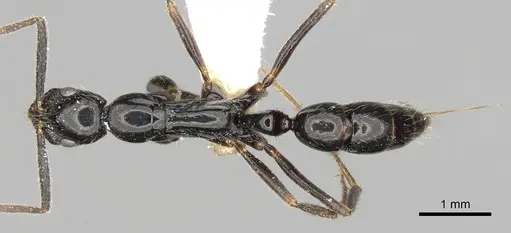
CASENT0907379
View on AntWeb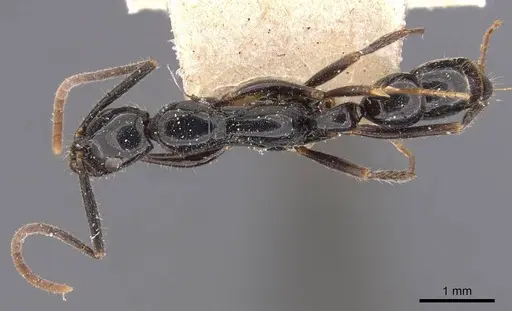
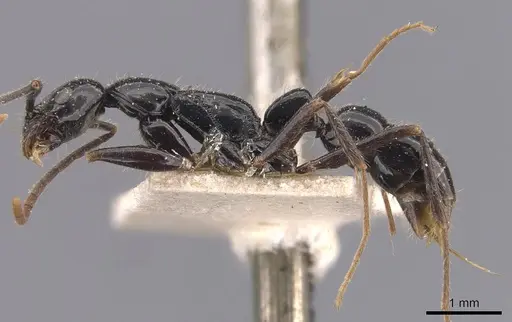
CASENT0907380
View on AntWeb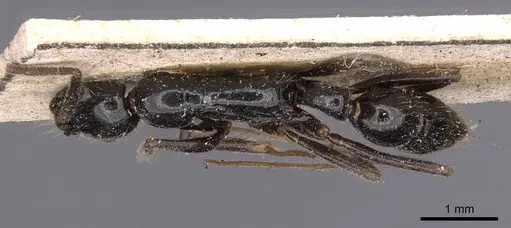
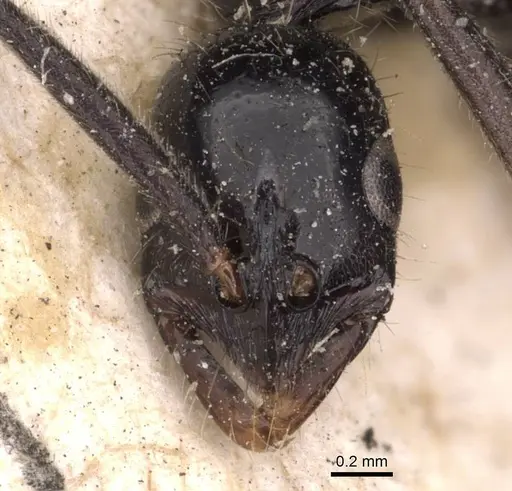
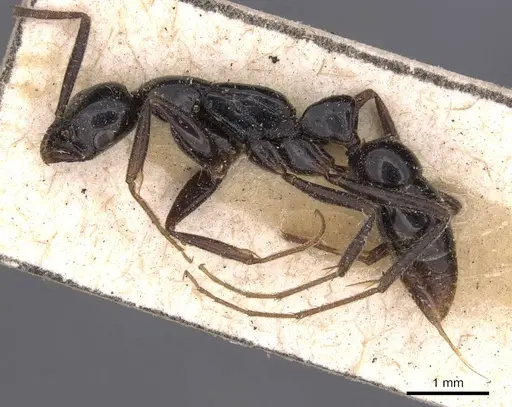
CASENT0907381
View on AntWeb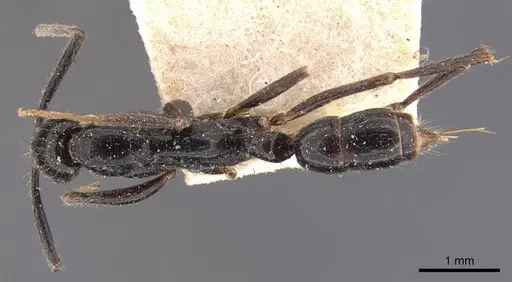
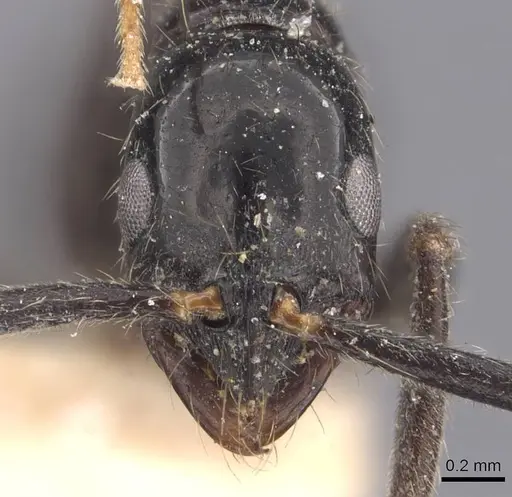
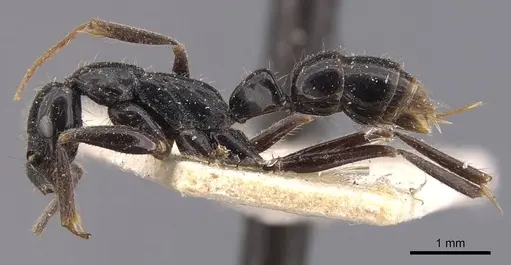
CASENT0915465
View on AntWeb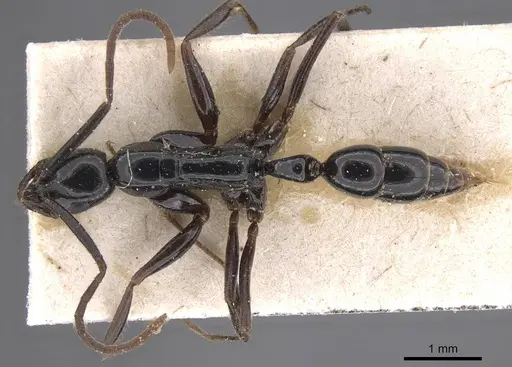
CASENT0923245
View on AntWeb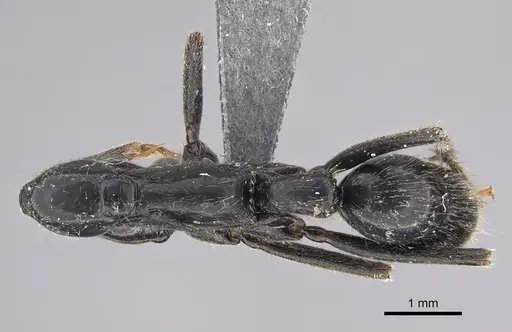
Literature
Loading distribution map...Loading products...