
Leptogenys linearis
- Sci. Name
- Leptogenys linearis
- Tribe
- Ponerini
- Subfamily
- Ponerinae
- Author
- Smith, 1858
- Distribution
- Found in 3 countries
Introduction
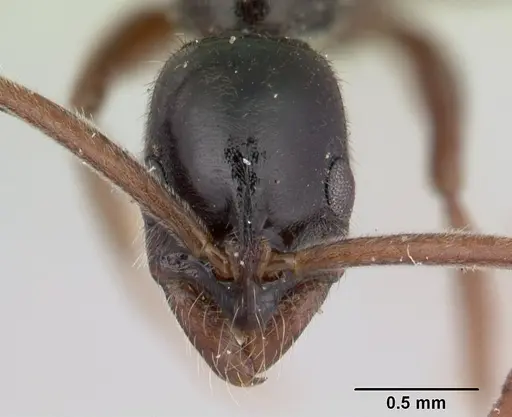
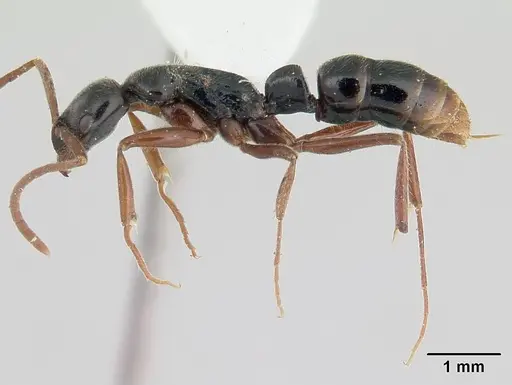
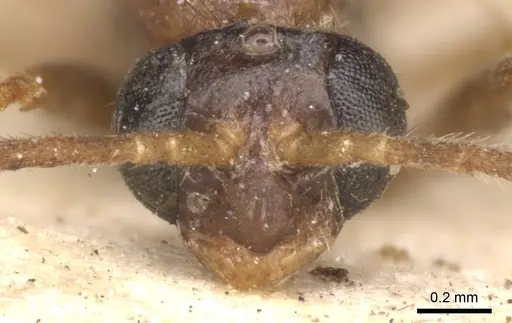
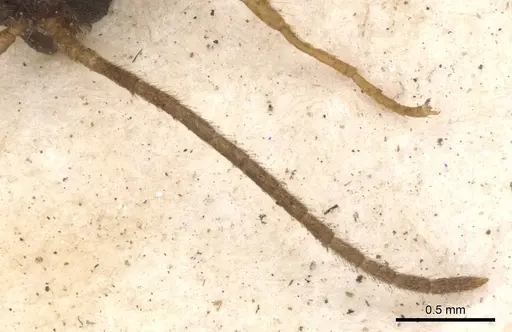
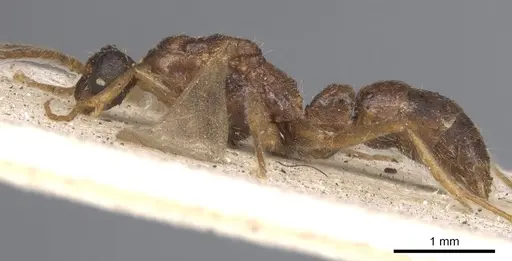
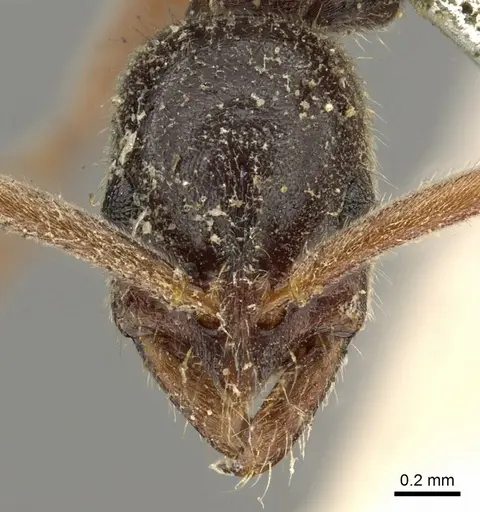
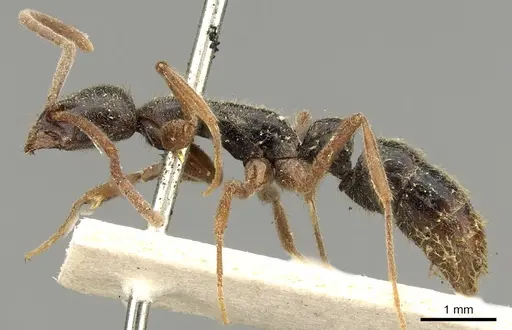
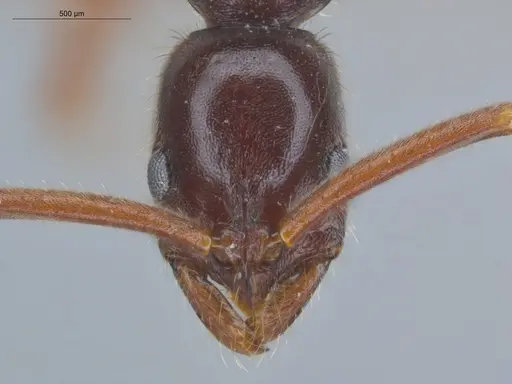
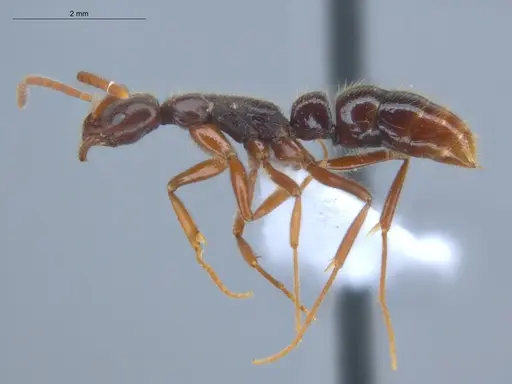
Leptogenys linearis is a small ponerine ant native to the Amazon-Orinoco watershed in South America. Workers measure approximately 4-5mm in total length with a distinctive elongated, semi-squared head and large eyes positioned dorsolaterally. The body is mostly black with a subtle blue opalescence, while the mandibles, antennae, legs and gaster tip are brown to dark brown. This species nests in rotting logs on the forest floor in mesic to occasionally dry forest environments . This ant is a specialist predator that hunts small prey in the leaf-litter layer of pristine rainforest environments. It belongs to the genus Leptogenys, which contains predatory ants that actively hunt their prey rather than relying on sugar sources. The species was previously known as Leptogenys dasygyna before being synonymized with L. linearis in 2011 .
Quick Summary
- Difficulty: Medium
- Origin & Habitat: Amazon-Orinoco watershed in Brazil, Colombia, French Guiana, Guyana, Peru, and Suriname. Nests in rotting logs on the ground in mesic to occasionally dry forests [1][3][4].
- Colony Type: Colony structure is unconfirmed. Based on typical Ponerinae patterns, likely single-queen colonies.
- Size & Growth:
- Queen: Size data unavailable, estimated similar to workers based on genus patterns
- Worker: Approximately 4-5mm total length, inferred from original description (Smith 1858 reports worker length as 2+ lines) [5]
- Colony: Colony size data unavailable for this species
- Growth: Growth rate is unconfirmed
- Development: Development time is unconfirmed for this species (Species-specific development data is not available.)
- Antkeeping:
- Temperature: Keep at 24-28°C, these are tropical forest ants that need warm, stable conditions. A heating cable on one side of the nest creates a temperature gradient [1].
- Humidity: High humidity required, aim for 70-85%. Keep the nest substrate consistently moist but not waterlogged. These forest-floor ants need damp conditions similar to their leaf-litter habitat [1].
- Diapause: No, as a tropical species from the Amazon basin, they do not require hibernation. Maintain warm conditions year-round.
- Nesting: Provide rotting wood pieces or a moist, naturalistic setup with multiple chambers. Y-tong (AAC) nests or plaster nests work well, the key is maintaining high humidity while allowing some ventilation. They prefer tight chambers scaled to their medium size.
- Behavior: Leptogenys linearis is an active predator that hunts small invertebrates in the leaf-litter layer. Workers are fast-moving and will aggressively pursue prey. They are not aggressive toward humans but will defend their nest if threatened. Escape risk is moderate, their small size means they can squeeze through small gaps, so use standard barrier methods. They do not tend aphids or seek sugar sources, focusing entirely on protein prey.
- Common Issues: colonies often fail when kept too dry, these forest-floor ants need constant moisture, predatory diet means they require constant access to live small prey, dead food is often rejected, slow founding phase can lead to abandonment if queen is disturbed, mold problems are common if ventilation is poor while maintaining high humidity, wild-caught colonies may have parasites that cause colony collapse in captivity
Housing and Nest Setup
Leptogenys linearis requires high humidity housing that mimics their forest-floor nesting environment. Y-tong (AAC) nests or plaster nests work well because they hold moisture while allowing some ventilation. The nest should have multiple connected chambers, these ants are moderately active and will use the space. Keep the nest substrate consistently moist but never waterlogged. Place a water reservoir or moisture source connected to the nest to maintain humidity. Outworld space should be moderate, they need room to hunt and dispose of prey remains. Use a shallow foraging area with a small water dish and protein food dish. Escape prevention should be standard, these ants are small enough to slip through loose connections but not notorious escape artists like some tiny species. [1]
Feeding and Diet
As a specialist predator, Leptogenys linearis requires a diet of small live prey. They are not interested in sugar water or honey, their hunting instinct drives them to chase moving targets. This species is classified in the specialist predator guild (Pred esp) based on research in Brazilian forests [6]. Offer small live insects such as fruit flies, pinhead crickets, small mealworms, and other appropriately-sized arthropods. Feed every 2-3 days, removing uneaten prey after 24 hours to prevent mold. The colony should have constant access to water. During founding, the queen will need to hunt or be fed small prey items until her first workers emerge. Once workers are established, they will hunt cooperatively and take down prey larger than individual workers can handle.
Temperature and Humidity
These tropical ants need warm, humid conditions year-round. Maintain temperatures between 24-28°C, this range supports normal activity and brood development. Temperatures below 22°C can slow or stop colony activity entirely. Use a heating cable on one side of the nest to create a gentle gradient, allowing ants to regulate their temperature by moving between areas. Humidity should be kept at 70-85%, this is critical for colony health. The nest substrate should feel consistently damp. Mist the outworld occasionally but avoid letting water pool in the nest. Poor humidity leads to desiccation and colony death, especially during the founding phase. [1]
Colony Founding
Colony founding behavior is unconfirmed for this species. After mating, the queen will locate a suitable nesting site in rotting wood or soil. She lays eggs and tends them herself until the first workers emerge. The founding phase can be slow, be patient and avoid disturbing the queen. Offer tiny prey items to help her through this period. Once workers arrive, they take over foraging and brood care while the queen focuses on egg-laying. Colony growth is moderate, expect several months before you see significant worker numbers. [1]
Behavior and Temperament
Leptogenys linearis is an active, predatory ant that spends most of its time hunting in the leaf-litter layer. Workers are fast-moving and will form raiding parties to tackle prey. They are not particularly aggressive toward humans and rarely sting, their sting is mild if anything. However, they will vigorously defend their nest against intruders. Workers communicate through chemical signals and tactile interactions rather than the tandem-running seen in some other genera. The colony establishes a clear territorial area around the nest. These ants are diurnal, showing peak activity during daylight hours when they hunt. They do not exhibit the territorial slave-raiding behavior seen in some ponerine species. This species has been collected exclusively from primary forest habitats [6].
Growth and Development
Colony growth rate is unconfirmed for this species. The first workers (nanitics) are typically smaller than mature workers and may take several weeks to reach full size. Brood development depends heavily on temperature, warmer conditions speed development while cool temperatures can extend it by months. The queen has a long lifespan compared to workers, potentially living several years. Colony death usually results from improper humidity, temperature extremes, or starvation due to inadequate prey provision. [1]
Frequently Asked Questions
Can I keep Leptogenys linearis in a test tube?
Test tubes can work for founding colonies but are not ideal long-term. These ants need high humidity that test tubes provide well, but they also need space to hunt and store prey. A small Y-tong or plaster nest is a better long-term option. If using test tubes, ensure the cotton is kept moist and transfer to a proper nest once the colony reaches 15-20 workers.
What do Leptogenys linearis eat?
They are strict predators that require live small prey. This species is classified as a specialist predator (Pred esp) in leaf-litter ant communities [6]. Offer fruit flies, small crickets, pinhead crickets, small mealworms, and other tiny arthropods. They will not accept sugar water or honey, their hunting instinct means they only eat prey they can chase and capture. Feed every 2-3 days, removing uneaten prey after 24 hours.
How long does it take for Leptogenys linearis to produce first workers?
Development time is unconfirmed for this species. The founding phase can be slow, be patient and avoid disturbing the queen.
Are Leptogenys linearis good for beginners?
This species is rated as medium difficulty. While not the hardest ant to keep, the strict predatory diet and high humidity requirements make it better suited for keepers who already have some experience. Beginners might struggle with the constant live prey requirement and humidity management.
When should I move Leptogenys linearis to a formicarium?
Move them when the test tube or founding setup becomes crowded, typically when you have 15-30 workers. The transition should be gradual. Connect the formicarium to the current setup and let the ants explore and move on their own. Ensure the formicarium is pre-humidified.
Do Leptogenys linearis need hibernation?
No, as a tropical Amazon species, they do not require hibernation. Keep them warm year-round at 24-28°C. Cold temperatures can slow or stop colony activity and may harm the colony over time.
Why are my Leptogenys linearis dying?
The most common causes are: low humidity (keep substrate consistently moist), inadequate food (they need live prey, not dead), temperature too low (below 22°C), or parasites from wild-caught colonies. Check these parameters first and adjust accordingly.
How big do Leptogenys linearis colonies get?
Colony size data is unavailable for this species. Growth is moderate, expect 2-3 years to reach a mature colony size.
Can I keep multiple Leptogenys linearis queens together?
Not recommended, combining unrelated queens of this species has not been documented. Ponerine ants are typically single-queen colonies, and introducing multiple queens will likely result in fighting. Start with one queen per colony.
Report an Issue
The current care sheet is based fully on literature. See inconsistencies, or something that's incorrect? Please , it will be resolved after review from an admin. Contributing to the blogs tab also helps providing information, to make us be able to further improve the caresheets. Thank you for your support!
References

This caresheet is licensed under CC BY-SA 4.0 .
Community Blogs
CASENT0178528
View on AntWeb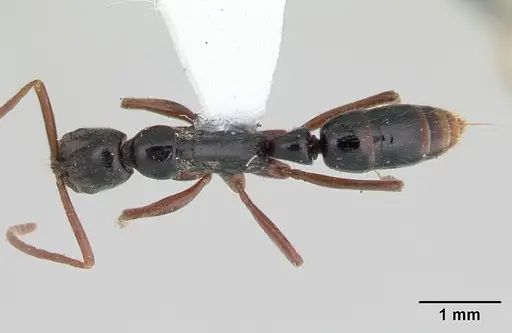
CASENT0901357
View on AntWeb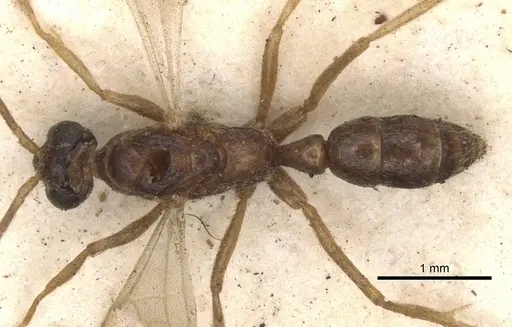
CASENT0902626
View on AntWeb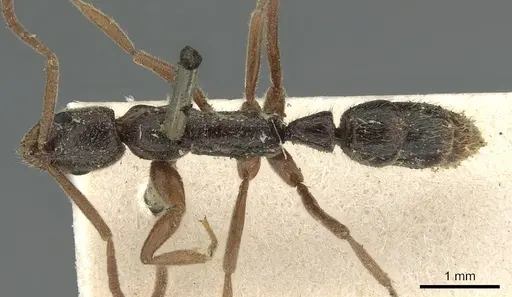
ECOFOG-KR17-0025-09
View on AntWeb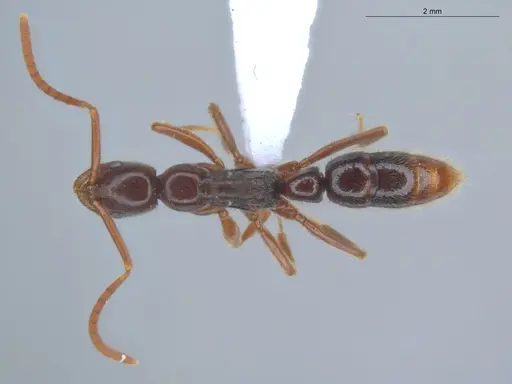
Literature
Loading distribution map...Loading products...