
Leptogenys kraepelini
- Sci. Name
- Leptogenys kraepelini
- Tribe
- Ponerini
- Subfamily
- Ponerinae
- Author
- Forel, 1905
- Distribution
- Found in 5 countries
Introduction
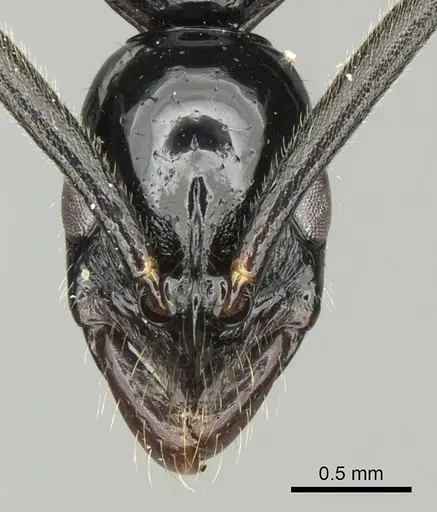
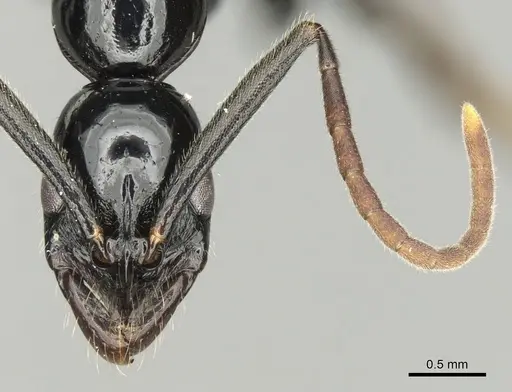
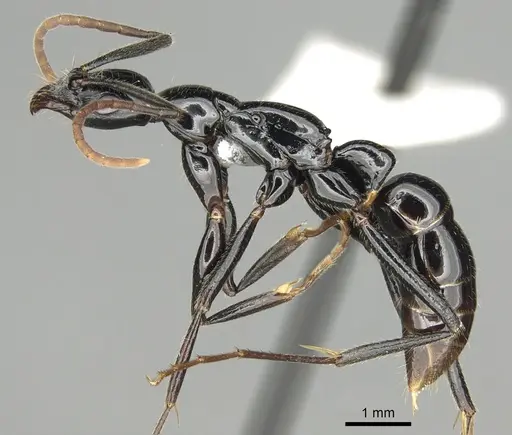
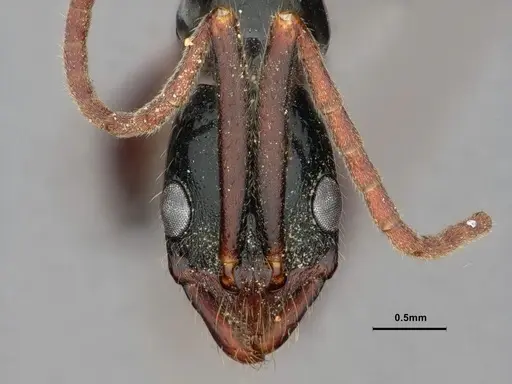
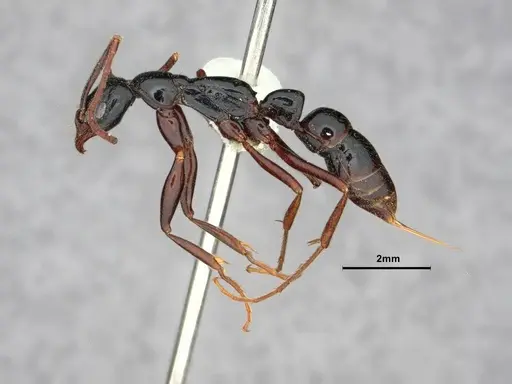
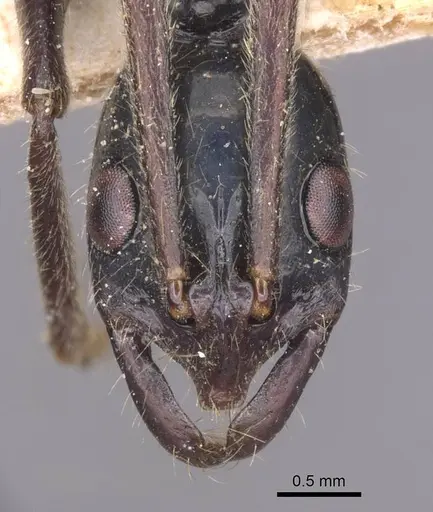
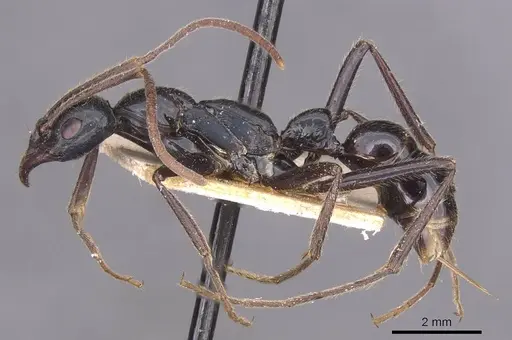
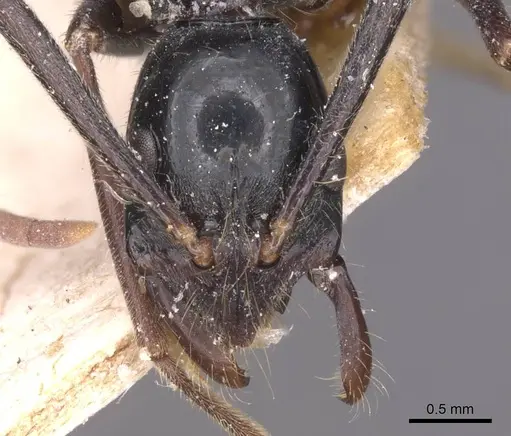
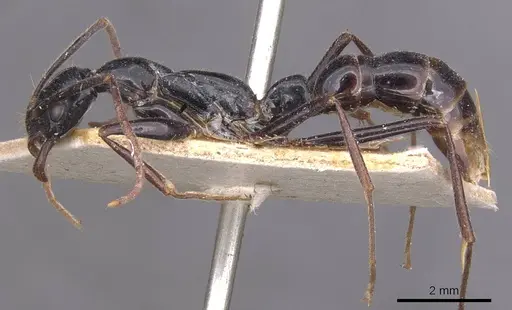
Leptogenys kraepelini is a medium-sized ponerine ant native to the Indomalayan region, ranging from southern China through Southeast Asia to Indonesia. Workers measure 9-11mm in total length with a distinctive appearance: a rectangular head that doesn't narrow behind the eyes, a truncated (flat-topped) clypeus, and propodeal lobes that project distinctly backward. Their color varies from reddish-brown to jet-black, sometimes with a blue iridescent shine. These ants nest in rotting wood within secondary forest and shrubland environments, avoiding heavily disturbed areas. Colonies reproduce through ergatoid queens - wingless queens that develop from worker-like forms rather than flying alates. This species has a specialized diet, primarily hunting earwigs and termites .
Quick Summary
- Difficulty: Medium
- Origin & Habitat: Indomalayan region, found in China (Yunnan, Hong Kong, Hainan), Vietnam, Laos, Thailand, Malaysia, Singapore, Borneo, Sumatra, and Java. Nests in rotting wood within young to old growth secondary forest and shrublands. Absent from highly disturbed environments [1].
- Colony Type: Ergatoid queen colonies, colonies reproduce using wingless ergatoid queens rather than flying alates. Single-queen colonies with documented ergatoid replacement reproductives. Maximum colony size around 28 workers in observed colonies [3][4][5].
- Size & Growth:
- Queen: Ergatoid queens are wingless and similar in size to workers. Specific total length measurements unavailable for queens [1].
- Worker: Total length 9-11mm [2].
- Colony: Up to approximately 28 workers based on documented wild colonies [3].
- Growth: Moderate, based on typical Ponerine development patterns.
- Development: Unconfirmed, no direct development studies exist for this species. (Development timeline has not been directly studied. Related Leptogenys species suggest moderate growth rates typical of Ponerinae.)
- Antkeeping:
- Temperature: Keep warm and stable, roughly low-to-mid 20s°C. As a tropical/subtropical species from Southeast Asia, they prefer warm conditions. A heating cable on one side of the nest creates a suitable gradient.
- Humidity: Moderate to high humidity. They nest in rotting wood which retains moisture. Keep the nest substrate consistently damp but not waterlogged. Provide a water tube for drinking.
- Diapause: No, this is a tropical/subtropical species that does not require hibernation. Maintain warm conditions year-round [1].
- Nesting: Rotting wood nesting, in captivity they do well in Y-tong (AAC) nests, plaster nests, or naturalistic setups with rotting wood pieces. They need tight, humid chambers scaled to their medium size. Avoid dry, airy conditions.
- Behavior: Active predators with specialized hunting behavior. They actively forage during the day, hunting earwigs and termites in nature. Workers are moderately aggressive when defending the colony. They have a functional sting but are not considered dangerous to humans. Escape risk is moderate, use standard barrier methods. They are not escape artists like tiny ants, but can climb smooth surfaces [1].
- Common Issues: small colony size, wild colonies are small (around 28 workers), so don't expect massive colonies in captivity, specialized diet, they primarily eat earwigs and termites, may reject standard ant foods, humidity requirements, drying out causes colony decline, monitor moisture levels closely, ergatoid queens don't fly, colony reproduction is different from typical ants, queens are wingless, stress from disturbance, like many Ponerines, they can be sensitive to frequent nest inspections
Housing and Nest Setup
Leptogenys kraepelini nests in rotting wood in the wild, so replicate this in captivity with a Y-tong (AAC) nest, plaster nest, or naturalistic setup. They need tight-fitting chambers scaled to their medium size (workers are 9-11mm). Keep the nest humid, these ants come from moist forest environments and will decline if kept too dry. Use a test tube setup for founding colonies, transitioning to a proper nest once the colony reaches 10+ workers. Provide a water tube connected to the nest for drinking water. Outworld space should allow for hunting and prey storage [1].
Feeding and Diet
This species has a specialized diet in the wild, they primarily hunt earwigs (Dermaptera) and have been observed preying upon termites. In captivity, you should replicate this with live prey items. Offer small live insects like fruit flies, pinhead crickets, and most importantly, earwigs if available. They are active predators and will not accept dead prey readily, the movement triggers their hunting response. Sugar sources are unlikely to be accepted given their predatory nature. Feed every 2-3 days, offering prey items that are appropriately sized to the colony. Remove uneaten prey after 24 hours to prevent mold [1].
Temperature and Humidity
As a tropical/subtropical species from Southeast Asia, Leptogenys kraepelini needs warm conditions. Maintain temperatures in the low-to-mid 20s°C range. A heating cable placed on part of the nest creates a thermal gradient they can choose between. They need moderate to high humidity, their natural habitat in rotting wood is consistently moist. Keep the nest substrate damp but not waterlogged. Monitor for condensation, which indicates good humidity. Avoid placing the nest near air conditioning or drafts that could dry them out. Room temperature in most homes may be too cool, so consider supplemental heating [1].
Colony Structure and Reproduction
This species uses ergatoid queens, wingless queens that develop from worker-like forms rather than the typical winged alates. This is different from most ant species and affects how colonies reproduce. Ergatoid queens cannot fly, so colony dispersal happens differently than with flying queens. The reproductive system is queen-dominant (Q strategy), workers cannot become reproductive like gamergates seen in some related species. Colonies are small, with documented maximum sizes around 28 workers. This is a single-queen species. When the queen dies, the colony will not produce replacement reproductives since workers lack the ability to mate and reproduce like gamergates [3][4][5][1].
Behavior and Temperament
Leptogenys kraepelini is an active, diurnal (daytime) predator. Workers forage individually or in small groups, hunting for earwigs and termites. They are moderately aggressive when defending the colony and have a functional sting, though they are not considered dangerous to humans, the sting is mild and their small size limits how much venom they can deliver. They are not overly skittish but can be stressed by frequent disturbance. Unlike many ants, they don't form large supercolonies, expect small, focused colonies. They are not escape artists but should still be kept in proper formicaria with barriers, as they can climb smooth surfaces [1].
Growth and Development
Specific development timeline from egg to worker has not been documented for this species. Based on typical Ponerine ant development patterns, expect several months to reach maturity. The first workers (nanitics) will likely be smaller than normal workers. Colony growth is slow compared to many common ant species, wild colonies max out around 28 workers, so don't expect rapid population explosions. The small colony size is natural for this species. Be patient with founding colonies and avoid disturbing them too much during the critical early stages [3].
Similar Species Identification
Leptogenys kraepelini has been confused with both Leptogenys chinensis and Leptogenys peuqueti in the past. You can distinguish L. kraepelini by: larger size compared to similar species, distinctly posteriorly projecting propodeal lobes, truncated (flat-topped) anterior clypeal margin, rectangular head that doesn't narrow behind the eyes, and punctuate sculpture between the clypeus and eyes. Color varies from reddish-brown to jet-black, sometimes with blue iridescent shine. If your ants don't match these characteristics, you may have a different Leptogenys species [1][2].
Frequently Asked Questions
How long does it take for Leptogenys kraepelini to produce first workers?
The exact timeline is unconfirmed for this species. Development has not been directly studied. Be patient, this species has small colony sizes even in the wild.
What do Leptogenys kraepelini ants eat?
They are specialized predators that primarily hunt earwigs and termites. In captivity, offer live small insects like fruit flies, pinhead crickets, and earwigs if available. They likely won't accept dead prey or sugar water given their predatory nature.
How big do Leptogenys kraepelini colonies get?
Wild colonies reach approximately 28 workers maximum. This is a small colony species, don't expect massive populations like some Formica or Camponotus species.
Do Leptogenys kraepelini need hibernation?
No, they are a tropical/subtropical species from Southeast Asia and do not require hibernation. Keep them warm year-round.
What is an ergatoid queen?
An ergatoid queen is a wingless, worker-like queen that develops from a worker rather than a winged alate. These queens cannot fly, they mate on or near the nest and establish new colonies differently than flying queens. Leptogenys kraepelini uses ergatoid queens for reproduction.
Can I keep multiple Leptogenys kraepelini queens together?
This is a single-queen (monogyne) species. While ergatoid queens are present, they function as replacement reproductives if the primary queen dies, not as multiple egg-layers in one colony. Combining unrelated queens has not been documented and is not recommended.
Are Leptogenys kraepelini good for beginners?
They are rated as medium difficulty. While not the hardest species, their specialized diet (requiring live prey), humidity needs, and small colony sizes make them better suited for antkeepers with some experience. Their small wild colony sizes also mean you won't get the satisfying population explosions seen with easier species.
What nest type is best for Leptogenys kraepelini?
Y-tong (AAC) nests, plaster nests, or naturalistic setups with rotting wood work well. They need humid conditions and tight chambers scaled to their medium size (9-11mm workers). Avoid dry setups.
Where is Leptogenys kraepelini found?
They are widely distributed across the Indomalayan region: southern China (Yunnan, Hong Kong, Hainan), Vietnam, Laos, Thailand, Malaysia Peninsula, Singapore, Borneo, Sumatra, and Java. They nest in rotting wood in secondary forest and shrublands.
Report an Issue
The current care sheet is based fully on literature. See inconsistencies, or something that's incorrect? Please , it will be resolved after review from an admin. Contributing to the blogs tab also helps providing information, to make us be able to further improve the caresheets. Thank you for your support!
References

This caresheet is licensed under CC BY-SA 4.0 .
Community Blogs
CASENT0281936
View on AntWeb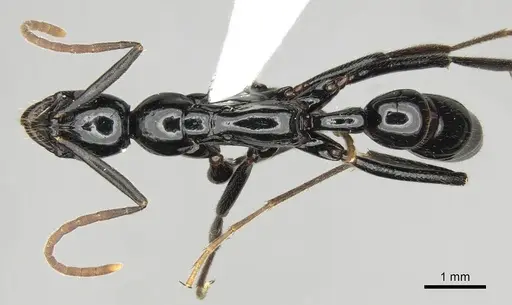
CASENT0882084
View on AntWeb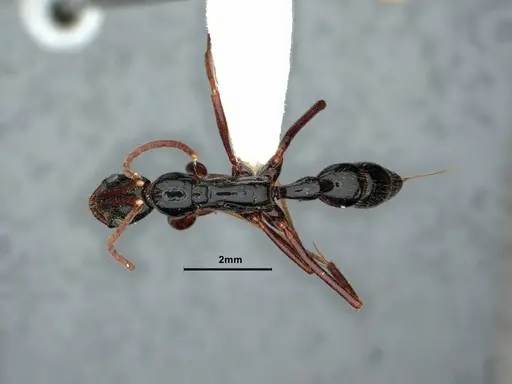
CASENT0915235
View on AntWeb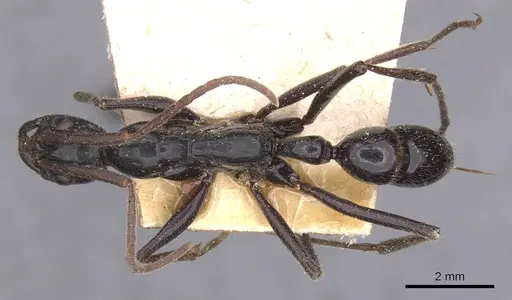
CASENT0915236
View on AntWeb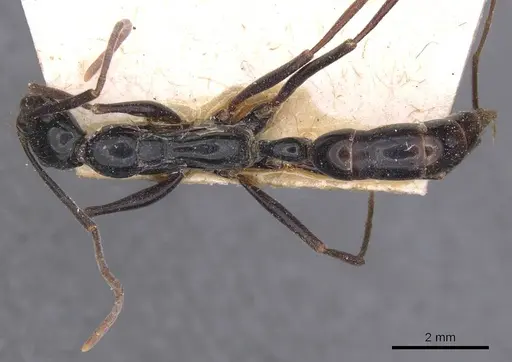
Literature
Loading distribution map...Loading products...