
Leptogenys imerinensis
- Sci. Name
- Leptogenys imerinensis
- Tribe
- Ponerini
- Subfamily
- Ponerinae
- Author
- Forel, 1892
- Distribution
- Found in 1 countries
Introduction
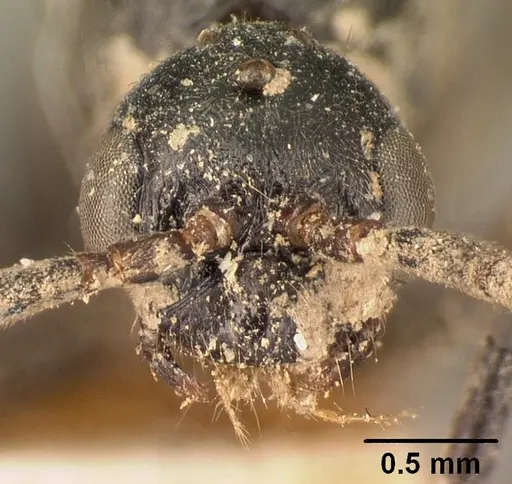
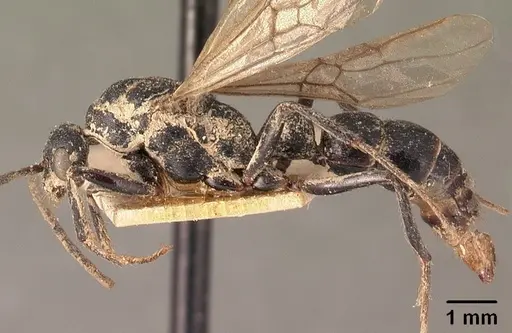
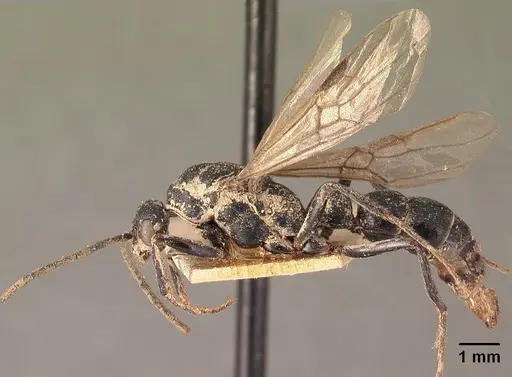
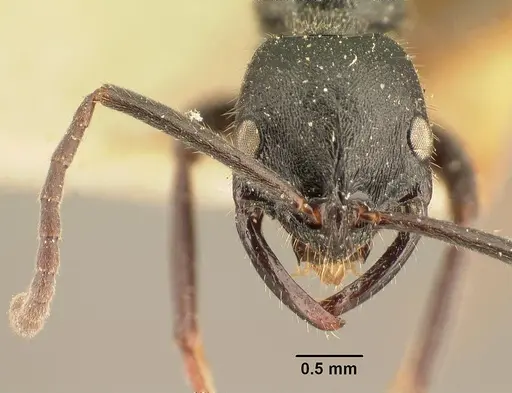
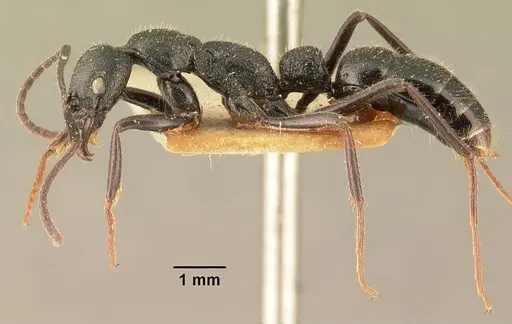
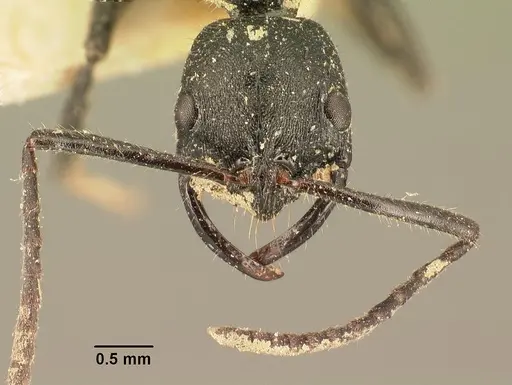
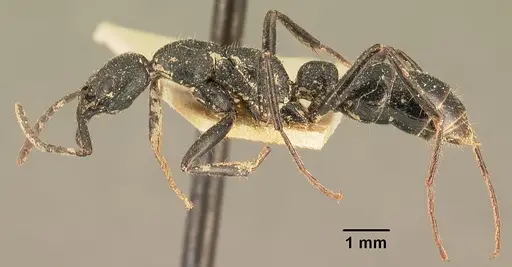
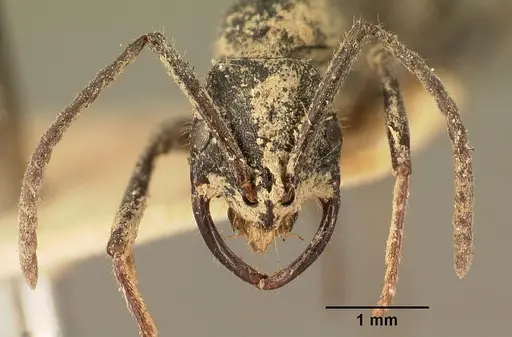
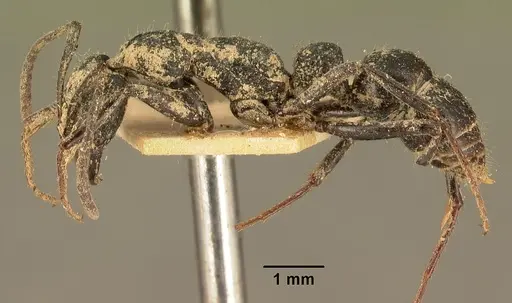
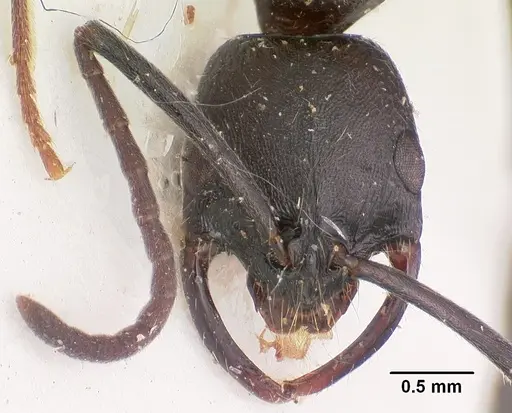
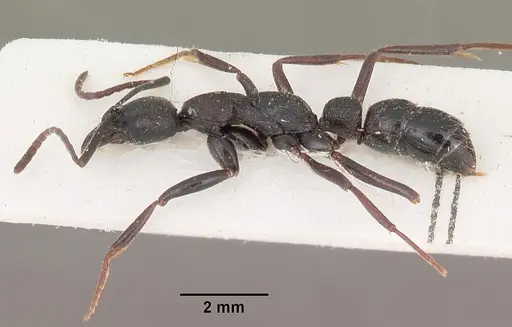
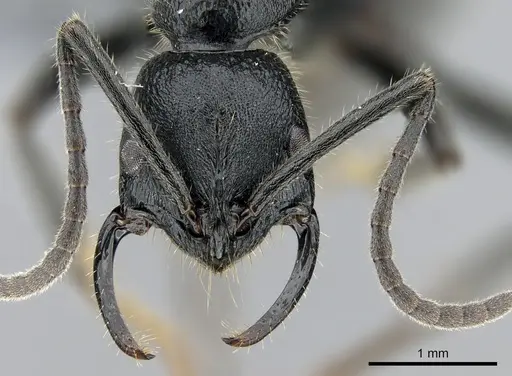
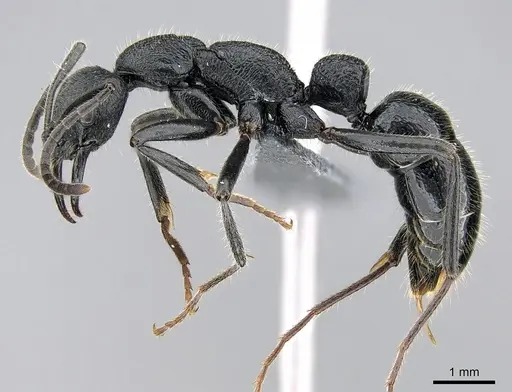
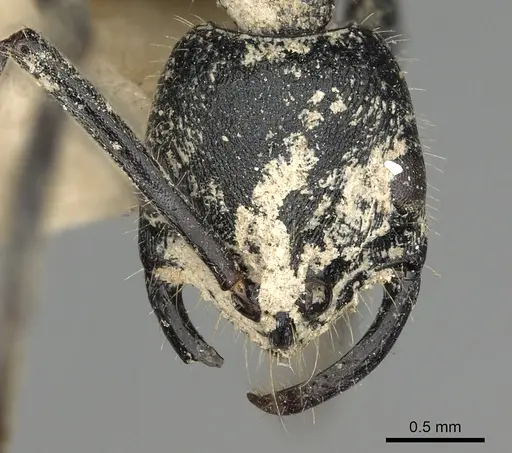
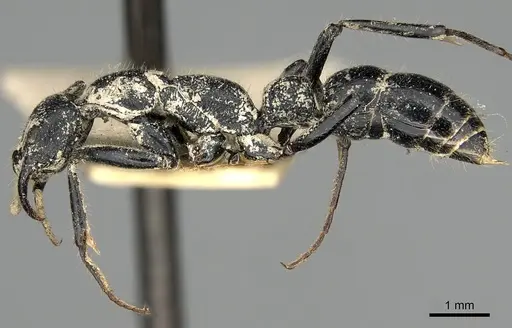
Leptogenys imerinensis is a medium-sized ponerine ant endemic to the central-eastern plateau of Madagascar. Workers have a distinctive black body with brownish leg tips and gaster, relatively short antennal scapes, and a blunt median clypeal carina that helps distinguish them from similar species. These ants are specialized predators that hunt isopods in coordinated raids, running in single file along the forest floor to locate prey up to 10 meters from their nest before returning individually with their catch. Colonies have been found nesting in rotten logs, and workers forage on both the ground and lower vegetation.
Quick Summary
- Difficulty: Medium
- Origin & Habitat: Central-eastern Madagascar, specifically found in the Ankerana Forest and Mantadia-Andasibe corridor at elevations around 1389m. They inhabit humid forest environments, nesting in rotting logs and foraging on the forest floor and lower vegetation [1].
- Colony Type: Colony structure is unconfirmed. Workers have been observed hunting cooperatively, but the exact queen number and colony organization have not been documented in available research.
- Size & Growth:
- Queen: Size data unavailable, queen measurements not documented in available literature
- Worker: Approximately 5-7mm total length, inferred from Leptogenys genus typical size range
- Colony: Unknown, colony size has not been documented
- Growth: Unknown, growth rate has not been studied
- Development: Unconfirmed, development timeline has not been directly studied for this species. (No specific data available.)
- Antkeeping:
- Temperature: Keep around 22-26°C. Madagascar's central plateau experiences moderate temperatures, so a room-temperature setup with slight warming works well.
- Humidity: Maintain moderate to high humidity (60-80%). These forest-floor ants need damp conditions. Keep the nest substrate consistently moist but not waterlogged.
- Diapause: Unknown, no data on overwintering requirements. Madagascar is tropical but the central plateau at 1389m elevation experiences cooler nights. Consider a slight seasonal temperature reduction in winter months rather than a true hibernation.
- Nesting: Natural nesting occurs in rotting logs. In captivity, a naturalistic setup with moist substrate (like a dirt-filled formicarium or Y-tong with soil) works well. The nest should have chambers scaled to their medium size with good moisture retention.
- Behavior: These ants are active and efficient predators. Workers hunt isopods in coordinated raids, running in single file along the forest floor to locate prey before returning individually with their catch. As Ponerinae ants, they possess a functional stinger and will defend their nest if threatened. Their medium size and active foraging style make them engaging to watch.
- Common Issues: specialized diet means colonies may fail if isopods or suitable prey are not consistently available, humidity requirements are higher than many ants, too-dry conditions cause colony decline, colony size and growth rate are poorly documented, making progress tracking difficult, no data on founding behavior, introducing a queen to captivity may require experimentation, queen size and development timeline are unknown, no specific measurements exist for this species
Housing and Nest Setup
Leptogenys imerinensis naturally nests in rotting logs, so a naturalistic setup works best. Use a formicarium filled with moist soil or a Y-tong nest with a soil chamber. The nest material should retain moisture well since these forest ants need higher humidity. Because they are medium-sized ants, chambers should be appropriately scaled. Provide an outworld area for foraging where you can place prey items. Use a secure lid as these active ants will explore for escape routes. [1]
Feeding and Diet
This species is a specialized predator that primarily hunts isopods in the wild. Workers use their curved, elongate mandibles to clutch isopods and carry them back to the nest. In captivity, prioritize live isopods (small woodlice) as a primary food source. Other small arthropods may be accepted, but isopods should form the core of their diet. Feed prey items in the outworld and observe hunting behavior. Do not rely on sugar water or honey as a primary food source, this is a predatory species. [1]
Temperature and Seasonal Care
Based on their Madagascar habitat at approximately 1389m elevation, these ants prefer moderate temperatures around 22-26°C. The central-eastern plateau experiences mild temperatures year-round, so avoid extreme heat. Room temperature often falls within this range. If needed, use a heating cable on one side of the nest to create a gentle gradient. No specific diapause data exists, but the elevation suggests they may appreciate a slight seasonal temperature drop in winter. [1]
Behavior and Observation
The hunting behavior of Leptogenys imerinensis makes them particularly interesting to observe. Workers run in single file along the forest floor to locate prey sites, sometimes traveling up to 10 meters from the nest. Once they find prey, they return individually carrying the isopod between their clypeus and specialized mandibles. Some workers return without prey, possibly having consumed it or having been recruited for different tasks. This coordinated raiding behavior is rarely seen in captive ant colonies. [1]
Colony Establishment
Since colony structure and founding behavior are unconfirmed for this species, establishing a colony requires some experimentation. If you obtain a founding queen, provide her with a moist test tube or small container with soil. Do not expect claustral behavior since this has not been documented. She may need prey during founding, so offer small isopods or other tiny arthropods. If you acquire a colony with workers, focus on replicating their natural conditions: high humidity, dark nesting area, and regular isopod prey.
Frequently Asked Questions
What do Leptogenys imerinensis ants eat?
They are specialized predators that hunt isopods (woodlice) in the wild. In captivity, feed them live isopods as a primary food source. They may accept other small arthropods, but isopods should form the core of their diet.
How long does it take for Leptogenys imerinensis to develop from egg to worker?
The development timeline has not been directly studied for this species. No specific data is available.
What size are Leptogenys imerinensis workers?
Workers are approximately 5-7mm in total length, inferred from the typical Leptogenys genus size range.
Where is Leptogenys imerinensis found in the wild?
This species is endemic to the central-eastern plateau of Madagascar, specifically found in the Ankerana Forest and Mantadia-Andasibe corridor at elevations around 1389m.
What type of nest should I use for Leptogenys imerinensis?
A naturalistic setup with moist soil or a Y-tong nest with soil chambers works best. They naturally nest in rotting logs, so the nest material should retain moisture well. Provide a dark nesting area and a foraging outworld.
Do Leptogenys imerinensis ants need hibernation?
Diapause requirements are unknown for this species. Since they come from Madagascar's elevated central plateau, they may appreciate a slight seasonal temperature reduction in winter rather than a true hibernation. Monitor colony activity to determine what works best.
Are Leptogenys imerinensis good for beginners?
This species is rated as medium difficulty. The main challenges are providing a specialized diet of isopods and maintaining proper humidity. If you can source regular isopod prey and keep the nest moist, they can be rewarding to keep.
How do Leptogenys imerinensis ants hunt?
They hunt cooperatively in single file, running along the forest floor to locate prey up to 10 meters from the nest. Workers locate the prey site together, then return individually carrying isopods clutched between their clypeus and specialized curved mandibles.
What temperature should I keep Leptogenys imerinensis at?
Keep them around 22-26°C. This matches their native habitat on Madagascar's central plateau. Room temperature often works well, or use slight heating if needed.
Report an Issue
The current care sheet is based fully on literature. See inconsistencies, or something that's incorrect? Please , it will be resolved after review from an admin. Contributing to the blogs tab also helps providing information, to make us be able to further improve the caresheets. Thank you for your support!
References

This caresheet is licensed under CC BY-SA 4.0 .
Community Blogs
CASENT0101656
View on AntWeb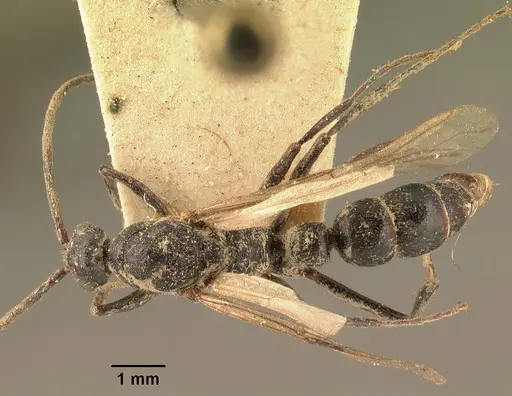
CASENT0101723
View on AntWeb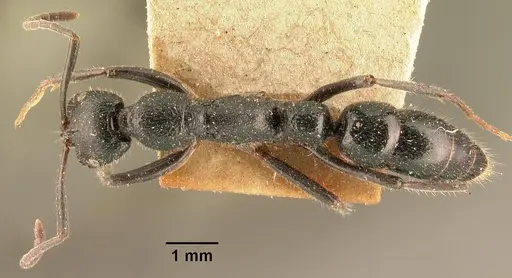
CASENT0101795
View on AntWeb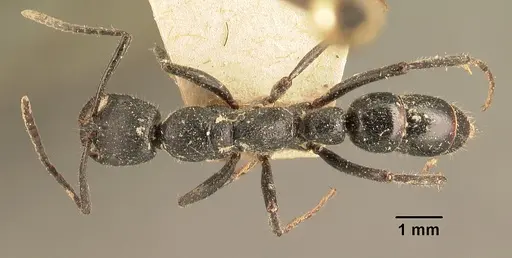
CASENT0101825
View on AntWeb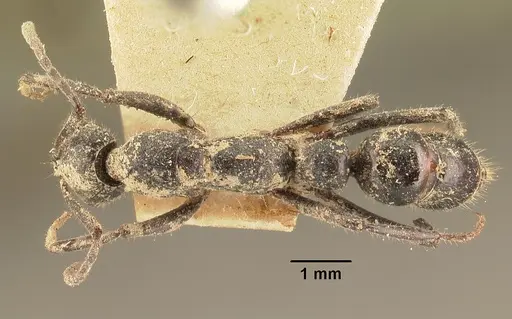
CASENT0102414
View on AntWeb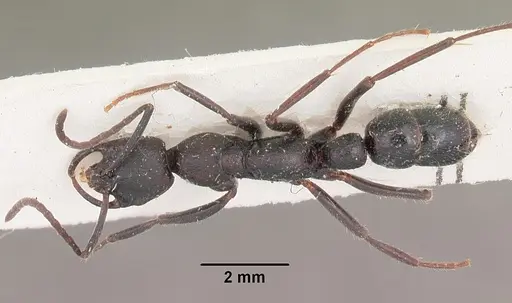
CASENT0274176
View on AntWeb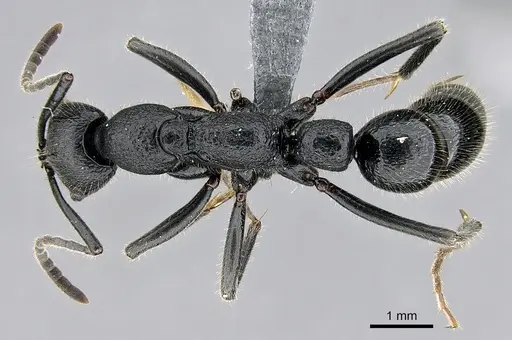
CASENT0280600
View on AntWeb
Literature
Loading distribution map...Loading products...