
Leptogenys grandidieri
- Sci. Name
- Leptogenys grandidieri
- Tribe
- Ponerini
- Subfamily
- Ponerinae
- Author
- Forel, 1910
- Distribution
- Found in 1 countries
Introduction
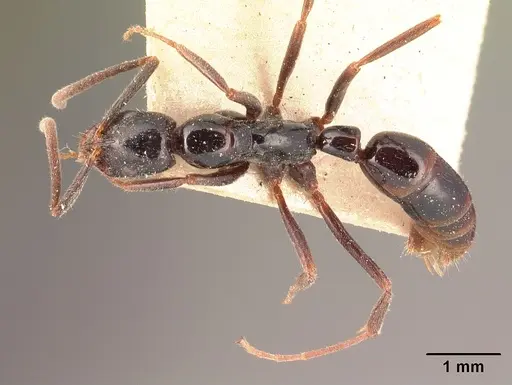
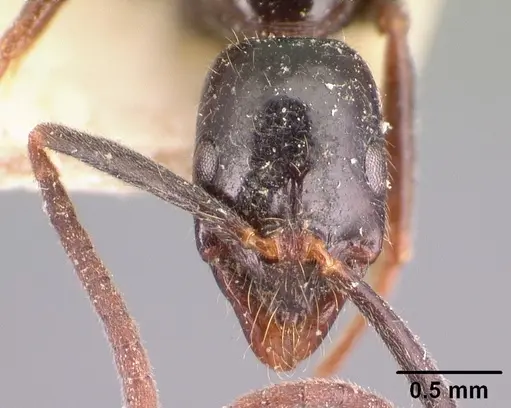
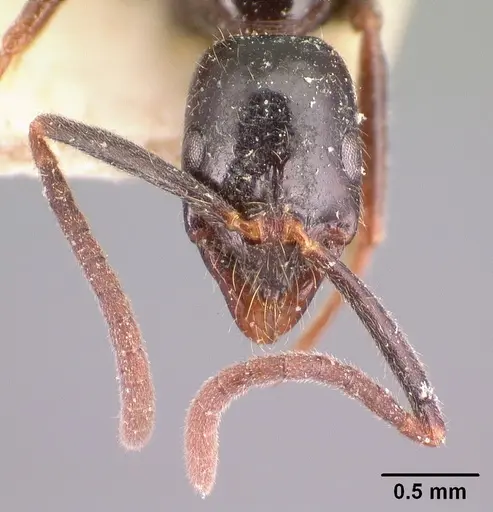
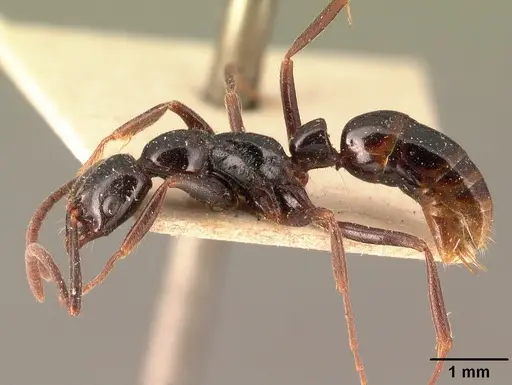
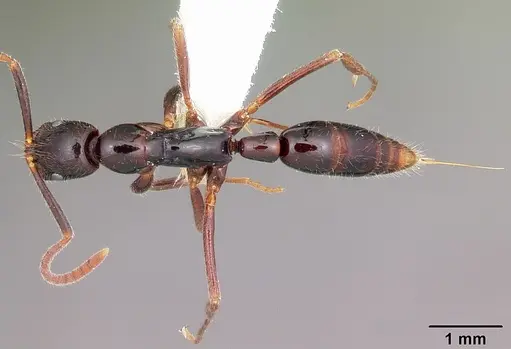
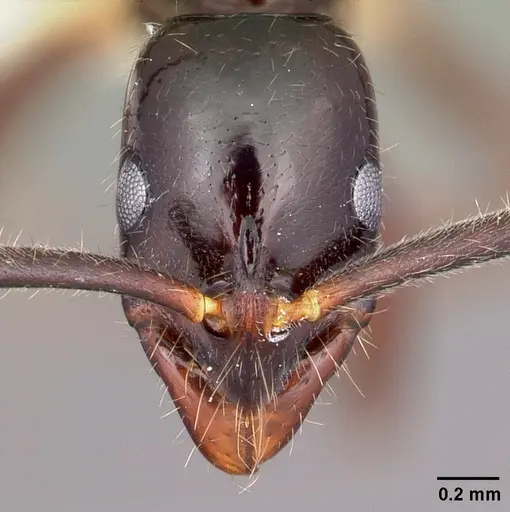
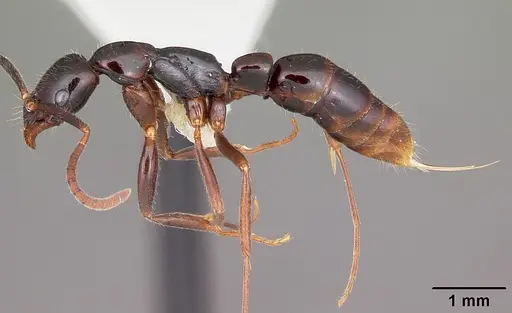
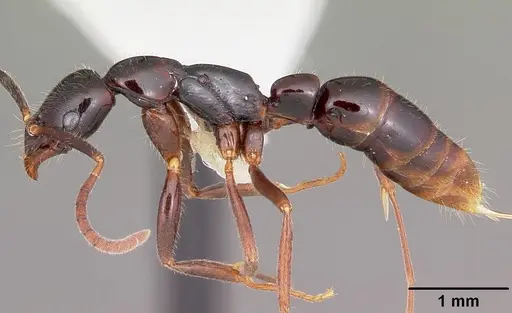
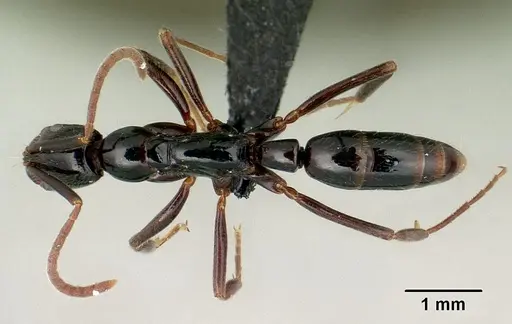
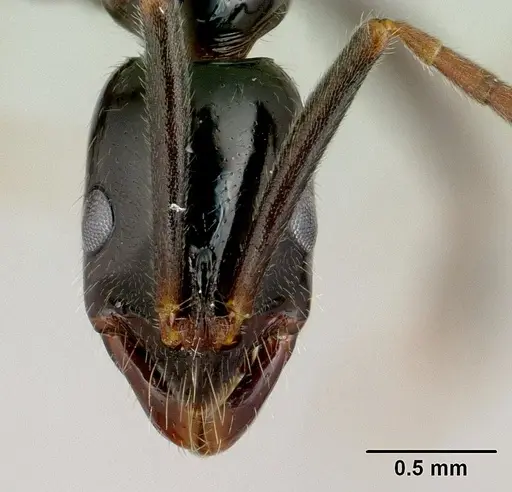
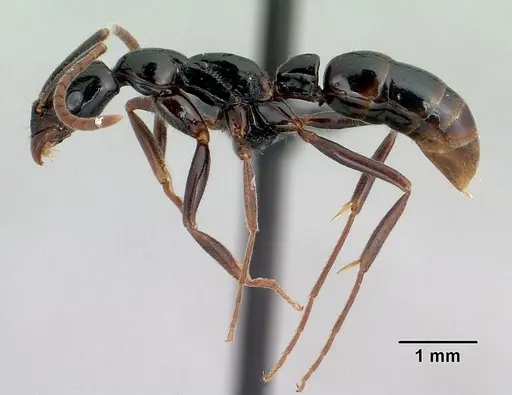
Leptogenys grandidieri is a medium-sized predatory ant native to Madagascar, belonging to the Ponerinae subfamily. Workers have a distinctive dark brown to reddish-brown body with lighter antennae and legs. This species is identified by the striated mandibles, sculpture on the sides of the mesosoma, and the unique backward-projecting posterodorsal angle of the petiolar node that overhangs the posterior margin . This species is part of the attenuata species group and is known only from the high and mid-elevational montane rainforests of PN Andohahela in southeastern Madagascar. Workers forage through leaf litter on the forest floor, hunting for small prey. Nests are found underground and in rotting logs . As a Ponerine ant, they possess a functional sting - handle with care.
Quick Summary
- Difficulty: Medium
- Origin & Habitat: Endemic to Madagascar, specifically the montane rainforests of PN Andohahela in the southeast. Found at high and mid-elevations [1].
- Colony Type: Colony structure is not directly documented for this species.
- Size & Growth:
- Queen: ~6-8mm, inferred from Leptogenys genus
- Worker: ~5-7mm, inferred from Leptogenys genus
- Colony: Colony size is not documented for this species
- Growth: Moderate, inferred from typical Ponerine development
- Development: Development time is unconfirmed for this species (Ponerine ants typically develop slower than many other subfamilies)
- Antkeeping:
- Temperature: Keep around 22-26°C. As a montane rainforest species from Madagascar, they prefer moderate temperatures, avoid overheating.
- Humidity: High humidity required, aim for 70-85%. Keep the nest substrate consistently moist but not waterlogged. Montane rainforests are damp environments.
- Diapause: Unknown for this species. Madagascar has less extreme seasonal variation than temperate regions.
- Nesting: In captivity, they do well in Y-tong nests, plaster nests, or naturalistic setups with moist substrate. They nest underground and in rotting wood in the wild [1].
- Behavior: These are active, predatory ants that hunt through leaf litter. They are not aggressive toward humans but will sting if threatened, their sting is functional and can cause discomfort. Workers are fast-moving and can be skittish. They do not form large supercolonies.
- Common Issues: Predatory diet means they need live prey, cannot survive on sugar alone, High humidity requirements can lead to mold if ventilation is poor, Montane origin means they can overheat easily, avoid temperatures above 28°C, Slow colony growth may frustrate beginners expecting fast development, Sting is functional, handle with care, use gloves when necessary
Housing and Nest Setup
Leptogenys grandidieri does well in Y-tong nests, plaster nests, or naturalistic setups. Provide chambers scaled to their medium size. They prefer dark, humid environments and will use the entire nest space for foraging and brood care. A water reservoir connected to the nest helps maintain humidity. Since they nest underground and in rotting wood in the wild [1], a substrate-filled formicarium or a hybrid setup works well. Ensure the nest has multiple connected chambers so the colony can regulate humidity zones themselves.
Feeding and Diet
This is a predatory species, they hunt and kill live prey. Feed small insects like fruit flies, pinhead crickets, small mealworms, and other appropriately-sized arthropods. Prey should be smaller than the workers. They do not typically scavenge like some ants, live prey triggers their hunting response. Offer protein 2-3 times per week, removing uneaten prey after 24 hours. Sugar water or honey can be offered occasionally but is not their primary food source, they are obligate predators.
Temperature and Seasonal Care
Keep temperatures in the 22-26°C range. As a montane rainforest species from Madagascar, they prefer moderate warmth and can overheat easily. Never exceed 28°C, temperatures above this can be fatal. Room temperature around 22-24°C is often ideal without additional heating. If you use a heating cable or mat, place it on ONE SIDE of the nest only to create a temperature gradient so ants can move to cooler areas. The natural habitat in PN Andohahela is humid and receives moderate temperatures year-round [1]. A slight reduction in temperature during winter months may simulate their natural cycle, but this species has not been studied for specific diapause requirements.
Humidity Management
High humidity is essential, aim for 70-85% relative humidity. The montane rainforest habitat they come from is consistently damp [1]. Keep the nest substrate moist but never waterlogged. Standing water in the outworld should be avoided, but the nest itself should have damp areas. Use a water reservoir connected to the nest to maintain moisture over time. Good ventilation is also important to prevent mold, stagnant, overly humid air causes fungal problems.
Behavior and Handling
Leptogenys grandidieri workers are active foragers that search through substrate and leaf litter for prey [1]. They are not particularly aggressive but will defend the nest if threatened. The sting is functional, it can cause a painful sensation similar to a bee sting, though these ants are not as aggressive as some Ponerines. Workers are fast-moving and can be skittish, often fleeing rather than attacking when disturbed. When working with the colony, move slowly and avoid sudden vibrations. Use gloves when you need to handle the nest or move colonies.
Frequently Asked Questions
How long does it take for Leptogenys grandidieri to produce first workers?
Development time is unconfirmed for this species. Ponerine ants typically take several months from egg to worker, but exact timing is unknown for L. grandidieri.
Can I keep Leptogenys grandidieri in a test tube setup?
Test tubes can work for founding colonies, but this species prefers higher humidity than many test tube setups provide. A Y-tong nest or plaster nest with a water reservoir is more suitable for established colonies.
What do Leptogenys grandidieri eat?
They are obligate predators that require live prey. Feed small insects like fruit flies, small crickets, mealworms, and other tiny arthropods. They do not primarily eat sugar or honey, though occasional sweet offerings may be accepted.
Are Leptogenys grandidieri good for beginners?
This species is rated as Medium difficulty. While not the hardest ant to keep, their predatory diet and high humidity requirements make them better suited for keepers with some experience.
How big do Leptogenys grandidieri colonies get?
Colony size is not documented for this species. Based on related Leptogenys species, colonies may reach several hundred workers at maturity.
Do Leptogenys grandidieri need hibernation?
Diapause requirements are unknown for this species. Madagascar has mild seasons compared to temperate regions, so a strict hibernation may not be necessary.
When should I move Leptogenys grandidieri to a formicarium?
Move them when the colony reaches around 20-30 workers and the test tube or founding setup becomes cramped. They do well in formicariums earlier than some species since they are active foragers.
Why are my Leptogenys grandidieri dying?
Common causes include: temperatures too high over 28°C, humidity too low or too high causing mold, lack of live prey, and stress from excessive disturbance. Check your temperature, humidity levels, and ensure they have adequate prey.
Can I keep multiple Leptogenys grandidieri queens together?
Colony structure is not documented for this species. Combining unrelated queens is not recommended as they would likely fight. Only keep one queen per colony.
Report an Issue
The current care sheet is based fully on literature. See inconsistencies, or something that's incorrect? Please , it will be resolved after review from an admin. Contributing to the blogs tab also helps providing information, to make us be able to further improve the caresheets. Thank you for your support!
References

This caresheet is licensed under CC BY-SA 4.0 .
Community Blogs
Literature
Loading distribution map...Loading products...