
Leptogenys fotsivava
- Sci. Name
- Leptogenys fotsivava
- Tribe
- Ponerini
- Subfamily
- Ponerinae
- Author
- Rakotonirina & Fisher, 2014
- Distribution
- Found in 1 countries
Introduction
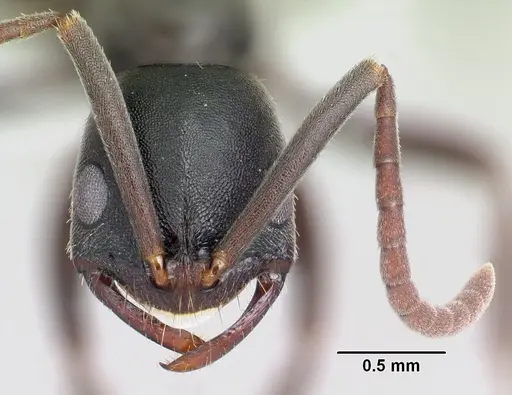
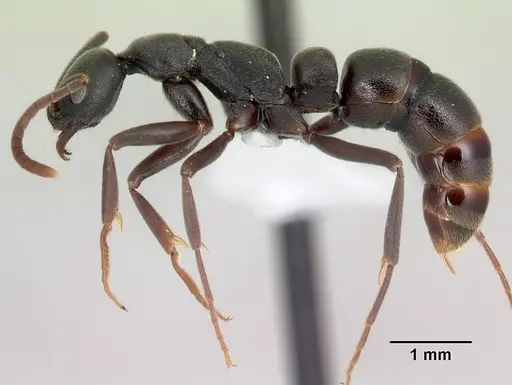
Leptogenys fotsivava is a small ponerine ant native to southern Madagascar. Workers have a dark brown to black body with reddish-brown leg bases and lighter brown tips on their appendages. They belong to the ridens species complex within the truncatirostris group and are identified by their relatively short antennal scapes and medium-sized eyes that break the outline of their head . In the wild, they inhabit dry forests, gallery forests, and Uapaca woodlands in southern Madagascar, where they also tolerate some human-modified habitats . Unlike many ants that nest high in trees, this species nests in soil layers and under rocks, foraging along the ground surface and through leaf litter .
Quick Summary
- Difficulty: Medium
- Origin & Habitat: Southern Madagascar, natural dry forests, gallery forests, and Uapaca woodlands [1]. Also found in anthropogenic habitats.
- Colony Type: Colony structure is unconfirmed. Based on typical Leptogenys patterns, likely single-queen colonies.
- Size & Growth:
- Queen: Unconfirmed, no queen measurements available. Estimated slightly larger than workers based on genus patterns.
- Worker: Approximately 5-7mm total length, inferred from Leptogenys genus patterns [1].
- Colony: Likely up to a few hundred workers based on genus patterns
- Growth: Moderate, inferred from typical Ponerine development rates
- Development: Approximately 6-10 weeks at warm temperatures (Development time is estimated as this species has not been specifically studied. Ponerine ants typically develop faster at warmer temperatures.)
- Antkeeping:
- Temperature: Keep around 24-28°C, these are Madagascan forest ants that prefer warm, stable conditions.
- Humidity: Moderate to high, they inhabit dry forests but nest in soil, so keep substrate consistently moist but not waterlogged. Provide a moisture gradient so ants can choose their preferred humidity.
- Diapause: Unconfirmed, Madagascan ants may reduce activity during cooler months but true hibernation is unlikely. Keep temperatures stable year-round.
- Nesting: Soil nests and nests under rocks in the wild. In captivity, a naturalistic setup with a soil chamber or a Y-tong/plaster nest with moist substrate works well. They prefer tight, enclosed spaces that mimic their natural soil layer nesting [1].
- Behavior: Leptogenys fotsivava is a predatory ant with documented raiding behavior, they hunt and raid other small invertebrates in groups [1]. They forage on the ground surface and through leaf litter, making them active hunters. As a Ponerine ant, they have a functional stinger for subduing prey. Their small size means escape prevention is important, they can slip through small gaps. They are not aggressive toward humans but will defend their nest if threatened. Workers are moderately active and will readily hunt live prey.
- Common Issues: small size means escapes are likely without fine mesh barriers and tight-fitting lids, predatory nature requires constant access to live prey, colonies can fail if protein food is inconsistent, soil-nesting species need proper substrate moisture, too dry causes desiccation, too wet causes mold and drowning, wild-caught colonies may have parasites that kill them in captivity, slow initial colony growth causes keepers to overfeed, leading to mold problems in the nest
Housing and Nest Setup
Leptogenys fotsivava nests in soil layers and under rocks in the wild, so a naturalistic setup with a soil chamber works best for them. You can use a Y-tong nest with a dirt chamber or a plaster nest with moist substrate. The key is providing tight, enclosed spaces that mimic their natural soil environment. Avoid tall, open spaces, these ants prefer to stay close to the ground. Use a small outworld since workers are tiny. Escape prevention is critical because their small size allows them to squeeze through tiny gaps. Apply fluon to the edges of the outworld and use tight-fitting lids on all connections. A small water test tube attached to the outworld provides drinking water. [1]
Feeding and Diet
This is a predatory ant with documented raiding behavior, they hunt and capture prey in groups [1]. In captivity, their primary food should be small live prey like fruit flies, pinhead crickets, mealworms, and other tiny invertebrates. Offer protein 2-3 times per week, removing any uneaten prey within 24 hours to prevent mold. While not directly documented for this species, Leptogenys ants typically accept some sugar sources like honey water or sugar water, but protein remains the essential food. Observe your colony's acceptance of sugar and adjust accordingly. Always ensure fresh water is available.
Temperature and Humidity
As a Madagascan species from dry forest habitats, these ants need warm conditions, aim for 24-28°C in the nest area. A heating cable placed on one side of the nest creates a gentle temperature gradient so workers can regulate their own temperature. For humidity, keep the soil substrate consistently moist but not waterlogged. The key is providing a moisture gradient: some areas slightly damper, some slightly drier. This lets ants choose their preferred conditions. Check substrate moisture every few days and rehydrate when the surface begins drying. Avoid both excessive dryness and excessive moisture. [1]
Behavior and Colony Dynamics
Leptogenys fotsivava shows raiding behavior in the wild, workers coordinate to hunt and capture prey [1]. They forage along the ground surface and through leaf litter, making them active hunters rather than scavengers. As a Ponerine ant, they have a functional stinger for subduing prey, though the sting potency for this specific species is not documented. Workers are moderately active and will readily search for food in the outworld. Colony growth is likely moderate, Ponerine colonies typically grow slower than many common house ants. Be patient during the founding stage.
Growth and Development
The egg-to-worker timeline is not directly documented for this species, but based on typical Ponerine development at warm temperatures, expect around 6-10 weeks from egg to first worker. Development is temperature-dependent, warmer temperatures within the safe range speed up development, while cooler temperatures slow it down. Queens seal themselves in during founding (inferred from genus patterns), living on stored fat reserves until the first workers emerge. The founding chamber should be kept dark and undisturbed. Once workers emerge, they will gradually expand the nest and begin foraging. Colony growth is typically slower than species like Lasius or Camponotus, this is normal for Ponerine ants.
Frequently Asked Questions
How long does it take for Leptogenys fotsivava to produce first workers?
The egg-to-worker timeline is not specifically documented, but based on typical Ponerine development, expect 6-10 weeks at warm temperatures (24-28°C). This is slower than many common ants, so patience is required during the founding stage.
What do Leptogenys fotsivava ants eat?
They are predatory ants with raiding behavior. Feed them small live prey like fruit flies, pinhead crickets, and small mealworms 2-3 times per week. They may also accept sugar water or honey occasionally, but protein is essential for colony growth.
Can I keep Leptogenys fotsivava in a test tube?
Test tubes can work for founding colonies, but soil-based nests are more appropriate since they naturally nest in soil layers. If using test tubes, ensure proper moisture and consider moving to a naturalistic setup once the colony reaches 10-20 workers.
What temperature do Leptogenys fotsivava need?
Keep them warm at 24-28°C. A heating cable on one side of the nest creates a gradient. These are Madagascan forest ants that prefer stable, warm conditions year-round.
Are Leptogenys fotsivava good for beginners?
This species is rated as medium difficulty. They require more specialized care than common ants like Lasius or Camponotus, specifically, they need consistent live prey and proper soil nesting conditions. Not the best choice for a first ant, but manageable for those with some experience.
How big do Leptogenys fotsivava colonies get?
Colony size is not documented, but based on genus patterns and their small worker size, expect moderate colonies up to a few hundred workers. Growth is slower than many common ants.
Do Leptogenys fotsivava need hibernation?
Hibernation is not required or documented. As a Madagascan species, they do not experience true cold winters. Keep temperatures stable at 24-28°C year-round.
Why are my Leptogenys fotsivava dying?
Common causes include: inconsistent protein feeding (they need live prey regularly), improper humidity (too dry or too wet), escape through tiny gaps due to their small size, or parasites from wild-caught colonies. Check each of these factors and adjust accordingly.
When should I move Leptogenys fotsivava to a formicarium?
Move them when the test tube or founding setup becomes crowded, typically around 20-30 workers. Ensure the new setup has appropriate soil moisture and a suitable nesting chamber. They prefer tight, enclosed spaces.
Report an Issue
The current care sheet is based fully on literature. See inconsistencies, or something that's incorrect? Please , it will be resolved after review from an admin. Contributing to the blogs tab also helps providing information, to make us be able to further improve the caresheets. Thank you for your support!
References

This caresheet is licensed under CC BY-SA 4.0 .
Community Blogs
CASENT0001423
View on AntWeb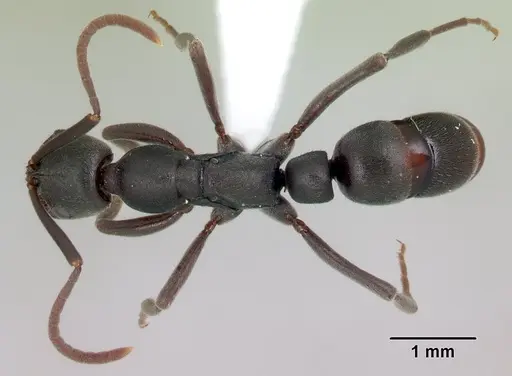
Literature
Loading distribution map...Loading products...