
Leptogenys fiandry
- Sci. Name
- Leptogenys fiandry
- Tribe
- Ponerini
- Subfamily
- Ponerinae
- Author
- Rakotonirina & Fisher, 2014
- Distribution
- Found in 2 countries
Introduction
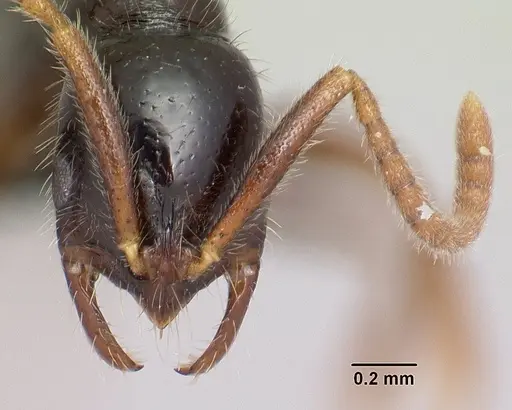
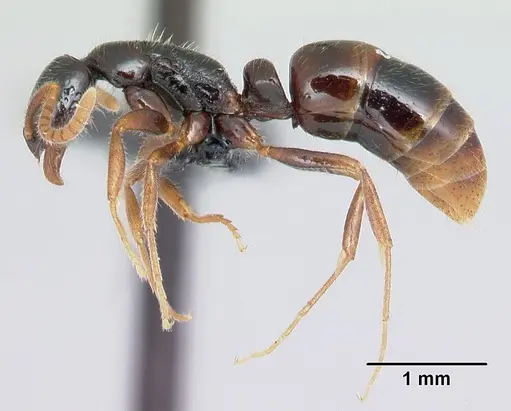
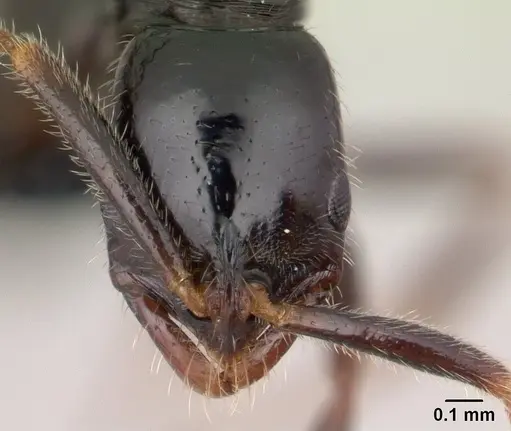
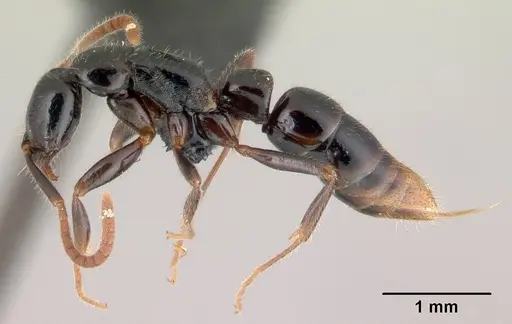
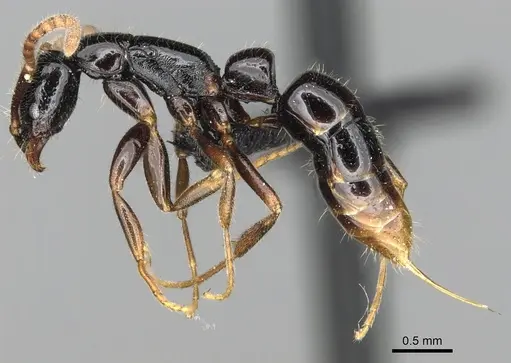
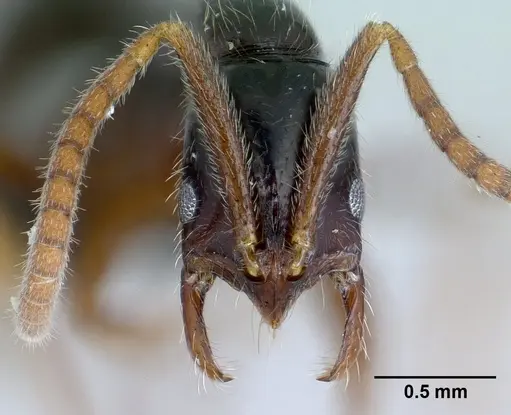
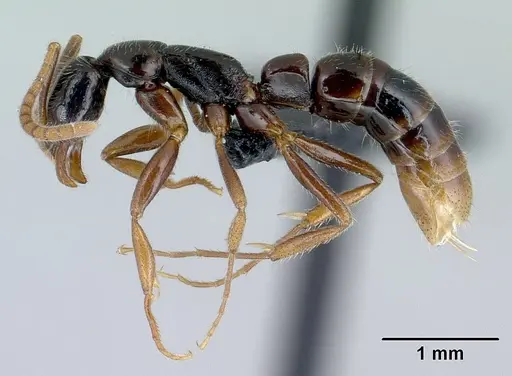
Leptogenys fiandry is a small ponerine ant native to Madagascar and the Comoros Islands. Workers have a distinctive smooth, shiny blackish-brown body with lighter appendages. Their most notable feature is their ergatoid queens - wingless queens that resemble workers, with a broader head and enlarged gaster. This species belongs to the fiandry species group and is quite common across northern Madagascar, found in everything from dry forests to montane rainforests. They forage on the ground and nest under rocks, rootmat layers, and in rotting wood on the forest floor .
Quick Summary
- Difficulty: Medium
- Origin & Habitat: Northern Madagascar and Comoros Island. Found in dry forest (particularly Tsingy), transitional humid and littoral forests, and montane rainforest [1].
- Colony Type: Ergatoid queen system, colonies have wingless queens that resemble workers. Exact colony structure is not documented.
- Size & Growth:
- Queen: Size data unavailable, ergatoid queens measured by head width (HW 0.68-0.74mm) but full body length not provided [1]
- Worker: Size data unavailable, workers measured by head width (HW 0.60-0.69mm) but full body length not provided [1]
- Colony: Unknown, not documented in available research
- Growth: Unknown, specific growth data not available
- Development: Unknown, no species-specific development data available (Development time is not documented for this species)
- Antkeeping:
- Temperature: Keep warm, being a tropical Madagascar species, they likely need temperatures in the mid-to-high 20s°C. Start around 24-26°C and observe colony activity.
- Humidity: High humidity required, they inhabit forest floor environments. Keep nest substrate consistently moist but not waterlogged.
- Diapause: No, being a tropical species from Madagascar, they do not require hibernation. Maintain warm conditions year-round.
- Nesting: Naturalistic setup works best. They naturally nest under rocks, in rootmat layers, and in rotten logs. A Y-tong nest with moist substrate or a naturalistic terrarium with soil and hiding spots mimics their natural environment well.
- Behavior: Leptogenys fiandry is a ground-foraging predator. Like other Ponerine ants, they are active hunters of small invertebrates. Workers are small but agile. They have a stinger (Ponerinae subfamily) but being small, any sting would be minimal. Escape prevention should be moderate, they are not large ants but not tiny either. They are most active on the forest floor, so provide foraging space.
- Common Issues: humidity control is critical, they come from humid forest habitats and desiccate easily, colonies may be slow to establish due to ergatoid queen system, patience is needed, predatory diet means live prey is essential, they cannot survive on sugar alone, wild-caught colonies may harbor parasites that affect captive survival, small colony sizes mean losses have bigger impact, avoid disturbing founding colonies
Housing and Nest Setup
Leptogenys fiandry naturally nests under rocks, in rootmat layers, and in rotting logs on the forest floor [1]. For captive care, a naturalistic setup works best, a terrarium with moist soil, leaf litter, and pieces of rotting wood or flat stones for cover. Alternatively, a Y-tong nest with moist chambers can work, though adding some natural substrate elements helps them feel secure. These ants are not aggressive escape artists, but standard barrier methods like fluon on the rim of the outworld are still recommended. Provide a water tube and keep the nest area humid.
Feeding and Diet
As a Ponerine ant, Leptogenys fiandry is predatory and needs live small invertebrates. Offer small prey like fruit flies, pinhead crickets, small mealworms, and other tiny arthropods. They likely hunt on the forest floor in the wild, so prey that moves along the ground is most natural. Sugar sources may be accepted occasionally, but protein-rich live prey should be the primary food. Feed every 2-3 days, removing uneaten prey after 24 hours. [1]
Temperature and Humidity
Being from tropical Madagascar, these ants need warm and humid conditions. Based on their natural range, temperatures in the mid-to-high 20s°C are likely appropriate, a small heating cable on one side of the nest creates a gentle gradient. Humidity should be high, the nest substrate should remain consistently moist but never waterlogged. Mist the outworld occasionally and use a water tube connected to the nest. Avoid temperature drops below room temperature and dry conditions. [1]
Colony Structure and Queens
Leptogenys fiandry has ergatoid queens, wingless queens that look very similar to workers but with a broader head and enlarged gaster [1]. Ergatoid queens develop without wings and may be produced within established colonies as replacement reproductives. The exact colony structure (how many queens per colony) is not documented. Ergatoid morphology alone does not confirm multi-queen colony structure.
Frequently Asked Questions
How long does it take for Leptogenys fiandry to produce first workers?
The exact development time is unknown, no species-specific data is available. Maintain stable warm, humid conditions and provide adequate prey. Patience is key with this species.
Can I keep multiple Leptogenys fiandry queens together?
This is not specifically documented. Ergatoid queens are present, but colony structure (monogyne vs polygyne) has not been studied. Introduce caution when combining queens.
What do Leptogenys fiandry ants eat?
They are predatory ants that need live small invertebrates. Offer fruit flies, small crickets, mealworms, and other tiny arthropods. Sugar water may be occasionally accepted but should not be the primary food source.
Are Leptogenys fiandry good for beginners?
They are considered medium difficulty. They require warm, humid conditions and a predatory diet, which is more demanding than feeding sugar water to most ant species. They are best suited for keepers with some experience maintaining tropical ant species.
What temperature do Leptogenys fiandry need?
Keep them warm, being a tropical Madagascar species, they likely need temperatures in the mid-to-high 20s°C. A small heating cable on part of the nest can provide this. Start around 24-26°C and observe colony activity.
Do Leptogenys fiandry need hibernation?
No, being a tropical species from Madagascar, they do not require hibernation or winter cooling. Maintain warm, stable conditions throughout the year.
What size do Leptogenys fiandry colonies reach?
The maximum colony size is not documented in available research. Colonies are likely moderate in size given their small worker size.
When will Leptogenys fiandry queens lay eggs?
This is not specifically documented. Ergatoid queens may begin laying eggs shortly after establishing, but founding colonies may take time to become established. Maintain stable warm, humid conditions and provide adequate prey.
Why is my Leptogenys fiandry colony dying?
Common causes include: low humidity (they desiccate easily), too cold temperatures, lack of live prey, or parasites from wild-caught colonies. Ensure proper humidity, warm temperatures, and provide regular live prey.
Report an Issue
The current care sheet is based fully on literature. See inconsistencies, or something that's incorrect? Please , it will be resolved after review from an admin. Contributing to the blogs tab also helps providing information, to make us be able to further improve the caresheets. Thank you for your support!
References

This caresheet is licensed under CC BY-SA 4.0 .
Community Blogs
CASENT0044282
View on AntWeb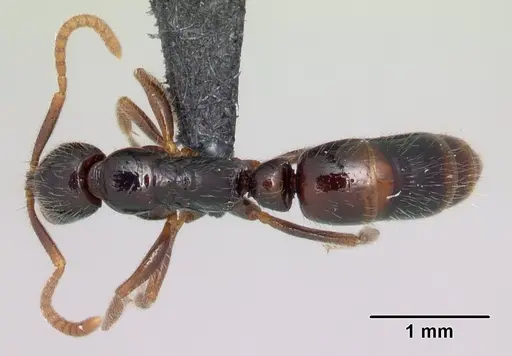
CASENT0147308
View on AntWeb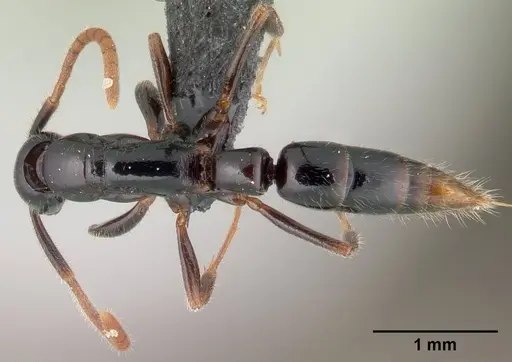
CASENT0247245
View on AntWeb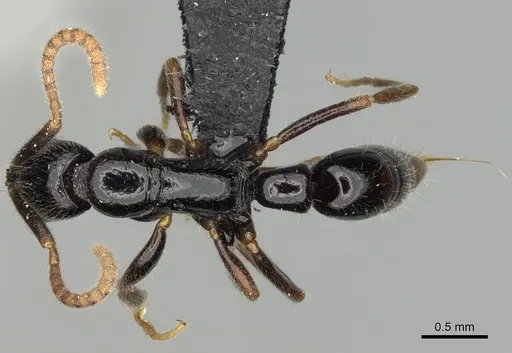
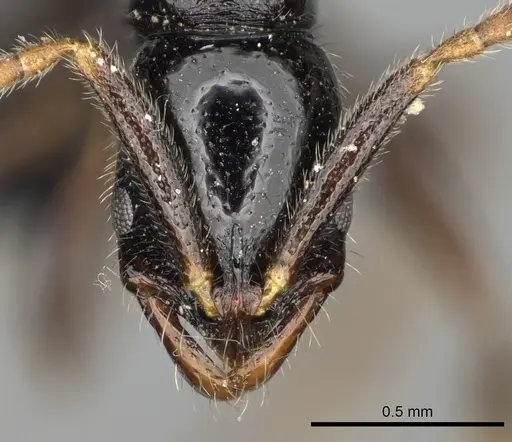
CASENT0463434
View on AntWeb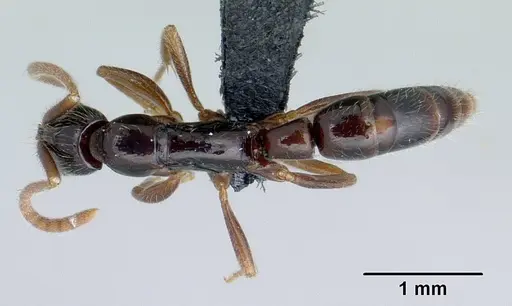
Literature
Loading distribution map...Loading products...