
Leptogenys diana
- Sci. Name
- Leptogenys diana
- Tribe
- Ponerini
- Subfamily
- Ponerinae
- Author
- Rakotonirina & Fisher, 2014
- Distribution
- Found in 1 countries
Introduction
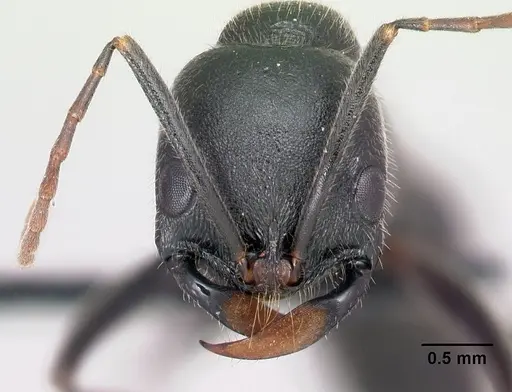
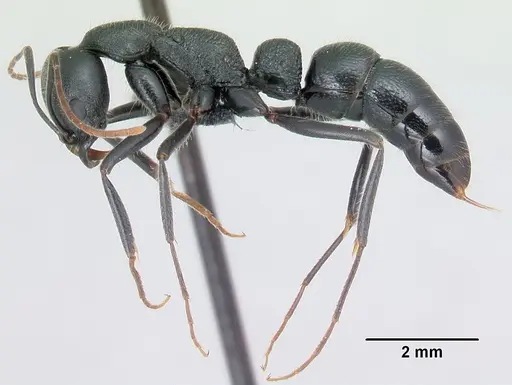
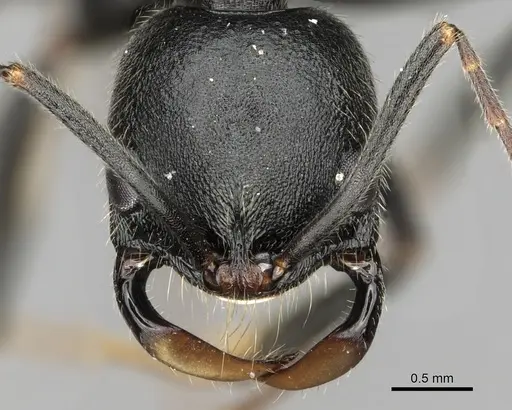
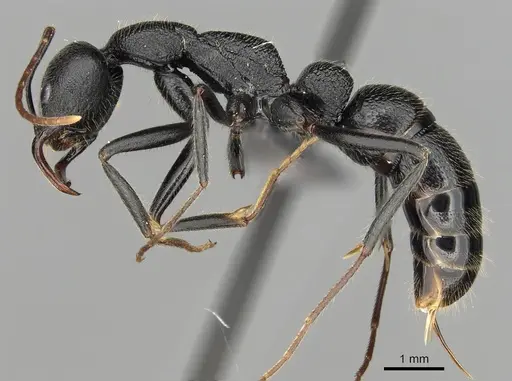
Leptogenys diana is a small ponerine ant endemic to northern Madagascar, specifically the dry forests of Montagne des Français and RS Ambre near the island's northern tip . Workers have a distinctive black body with brown to light brown tips on their appendages and gaster. They can be identified by their broadly rounded clypeus (the plate above the mouth), strongly downward-curved mandibles with a unique striated surface, and the complete absence of fine hairs on their upper body . This species belongs to the truncatirostris species group and is closely related to Leptogenys truncatirostris, though the two differ in clypeal structure and surface texture . In the wild, these ants forage on the ground and nest under rocks or inside rotten logs, indicating they prefer humid microhabitats within the dry forest environment . Their unusual mandible shape with a soft, striated outer surface suggests specialized hunting or food-processing behaviors. This makes them an interesting species for antkeepers interested in observing unique predatory behaviors.
Quick Summary
- Difficulty: Medium
- Origin & Habitat: Endemic to northern Madagascar, specifically the dry forests of Montagne des Français and RS Ambre near the northern tip of the island, in two disjunct populations [1]. Found at elevations around 400m in tropical dry forest habitats.
- Colony Type: Colony structure is unconfirmed. No published data on queen number or colony social structure for this species.
- Size & Growth:
- Queen: Unconfirmed, no documented queen measurements for this species
- Worker: ~5-7mm, inferred from Leptogenys genus typical size range
- Colony: Unknown, no colony size data available
- Growth: Moderate, estimated based on related Leptogenys species
- Development: Unknown, specific development data not available for this species (Development time is unconfirmed. Related Leptogenys species typically take several months from egg to worker.)
- Antkeeping:
- Temperature: Keep warm, roughly 24-28°C. Being tropical ants from Madagascar, they need consistent warmth. A gentle temperature gradient allowing workers to self-regulate is ideal.
- Humidity: Moderate to high, they nest under rocks and in rotting wood, indicating preference for humid microhabitats. Keep nest substrate moist but not waterlogged, with some drier areas available.
- Diapause: No, being a tropical species from Madagascar, they do not require hibernation. Maintain warm temperatures year-round.
- Nesting: In captivity, they do well in naturalistic setups with moist substrate (soil/peat mix) and multiple hiding spots like flat stones, cork bark, or pieces of wood. They prefer dark, humid nest chambers.
- Behavior: Leptogenys diana is a predatory ponerine ant with active ground-foraging behavior. Workers are agile hunters that pursue prey on the forest floor. Their specialized mandibles suggest unique prey-handling techniques. As a ponerine ant, they have a functional stinger capable of injecting venom, though they are not aggressive toward humans. Escape risk is moderate, workers are small but not extremely tiny, so standard barrier methods should suffice.
- Common Issues: tropical species requires consistent warmth, cold temperatures below 20°C can slow or stop colony development, predatory diet means they need regular live prey, colonies can fail if protein sources are inadequate, wild-caught colonies may carry parasites that can devastate captive populations, founding colonies are fragile and sensitive to disturbance, requires high humidity, dry conditions can cause brood failure and worker mortality
Housing and Nest Setup
Leptogenys diana does well in naturalistic terrarium-style setups that mimic their natural habitat of dry forest floor. Use a substrate mix that holds moisture well, a combination of soil and peat moss works nicely. The substrate should be kept consistently moist but never waterlogged. Provide multiple hiding structures like flat stones, pieces of cork bark, or small logs where workers can nest and forage. These ants prefer dark, humid nest chambers, so cover the nest area to block light. A shallow water dish in the outworld ensures hydration access. Because they forage on the ground, the foraging area should have a decent amount of floor space rather than being tall. Escape prevention is important, while not extremely tiny, they can slip through small gaps, so use barrier tape and ensure any lid fits tightly. [1]
Feeding and Diet
As a ponerine ant, Leptogenys diana is primarily predatory and needs a protein-rich diet to thrive. Offer small live prey such as fruit flies, small crickets, mealworms, and other appropriately-sized insects. They will likely accept frozen-thawed prey if moved around to simulate movement, though live prey is always preferred for predatory species. Feed small prey items every 2-3 days, adjusting based on colony size and consumption. A sugar source like honey or sugar water can be offered occasionally, but protein should be the primary focus. Remove uneaten prey after 24-48 hours to prevent mold issues. A constant water source is essential, a shallow dish with a cotton ball in the center prevents drowning.
Temperature and Humidity
Being from tropical Madagascar, these ants need warm conditions. Maintain temperatures between 24-28°C in the nest area. You can create a gentle temperature gradient by placing a heating cable or mat on one side of the nest, allowing workers to move between warmer and cooler areas as needed. Avoid temperatures below 20°C for extended periods as this can slow development and weaken the colony. For humidity, aim for moderate to high levels, their natural nesting under rocks and in rotten logs indicates they prefer humid microhabitats. Keep the substrate moist but allow some drying between waterings to prevent mold. Mist the outworld occasionally to maintain ambient humidity. [1]
Colony Development
Leptogenys diana is a relatively new species description from 2014,and detailed captive breeding data is limited. Founding colonies will progress through the typical stages: queen lays eggs, eggs hatch into larvae, larvae pupate, and finally emerge as workers. The first workers will be smaller than mature workers and the colony will grow gradually. Growth rate is moderate, the colony will expand over several months to years. Unlike some ants, Leptogenys colonies tend to stay relatively modest in size. Be patient with founding colonies and avoid disturbing the queen or moving the nest during the early stages.
Behavior and Observation
One of the most interesting aspects of keeping Leptogenys diana is observing their specialized morphology in action. Their mandibles are strongly bent downward and have a unique striated surface, this likely helps them grip and handle prey in ways other ants cannot. Workers forage actively on the ground, searching for small invertebrates. They are likely to be more active during warmer parts of the day. As a ponerine ant, they have a functional stinger, though they are not particularly aggressive toward humans. Their dark coloration with brown-tipped appendages makes them visually distinctive. Watching them hunt and handle prey provides insight into their unique predatory adaptations. [1]
Frequently Asked Questions
How long does it take for Leptogenys diana to produce first workers?
Specific development data is not available for this species. Based on typical Leptogenys patterns, expect first workers several months after founding under ideal conditions (warm temperatures and adequate feeding).
What do Leptogenys diana ants eat?
They are predatory ants that need live protein. Feed small live insects like fruit flies, small crickets, and mealworms. They may accept frozen-thawed prey moved to simulate movement. Occasional sugar sources like honey water can be offered but protein should be the main food.
Do Leptogenys diana ants need hibernation?
No, being a tropical species from Madagascar, they do not require hibernation or diapause. Keep them warm year-round at 24-28°C. Cold temperatures can harm the colony.
What size colony do Leptogenys diana reach?
Colony size data is not available for this species. Based on typical Leptogenys patterns, colonies likely remain moderate in size.
Are Leptogenys diana good for beginners?
This species is rated as medium difficulty. While not the hardest species, they do require consistent warmth, high humidity, and a reliable live prey food source. Beginners should be prepared for the specific care requirements of a tropical predatory ant.
What nest type is best for Leptogenys diana?
They do well in naturalistic setups with moist substrate (soil/peat mix) and hiding structures like flat stones, cork bark, or pieces of wood. They prefer dark, humid nest chambers.
Where is Leptogenys diana found in the wild?
This species is endemic to northern Madagascar, specifically the dry forests of Montagne des Français and RS Ambre. They are found at around 400m elevation, nesting under rocks and in rotten logs while foraging on the ground.
Can I keep multiple Leptogenys diana queens together?
Colony structure has not been documented for this species. Unless you have specific information about multi-queen founding, it is not recommended to combine unrelated queens. Start with a single queen colony for best success.
Why are my Leptogenys diana dying?
Common causes include: temperatures below 20°C, dry substrate conditions, inadequate protein food, parasites from wild-caught colonies, or disturbance during founding. Ensure warm, humid conditions and regular live prey feeding. Wild-caught colonies should be quarantined and monitored for parasites.
Report an Issue
The current care sheet is based fully on literature. See inconsistencies, or something that's incorrect? Please , it will be resolved after review from an admin. Contributing to the blogs tab also helps providing information, to make us be able to further improve the caresheets. Thank you for your support!
References

This caresheet is licensed under CC BY-SA 4.0 .
Community Blogs
CASENT0162488
View on AntWeb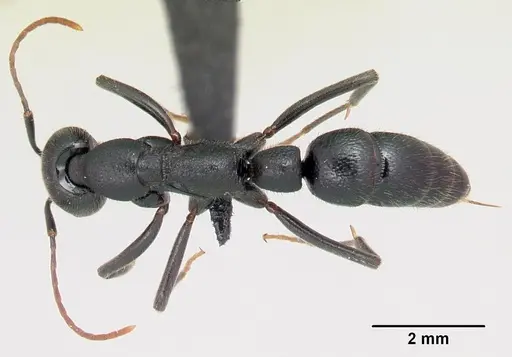
CASENT0261104
View on AntWeb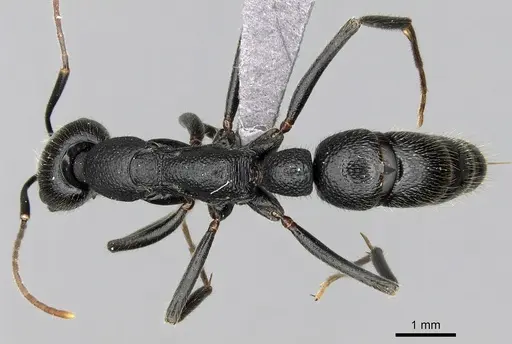
Literature
Loading distribution map...Loading products...