
Leptogenys crustosa
- Sci. Name
- Leptogenys crustosa
- Tribe
- Ponerini
- Subfamily
- Ponerinae
- Author
- Santschi, 1914
- Distribution
- Found in 4 countries
Introduction
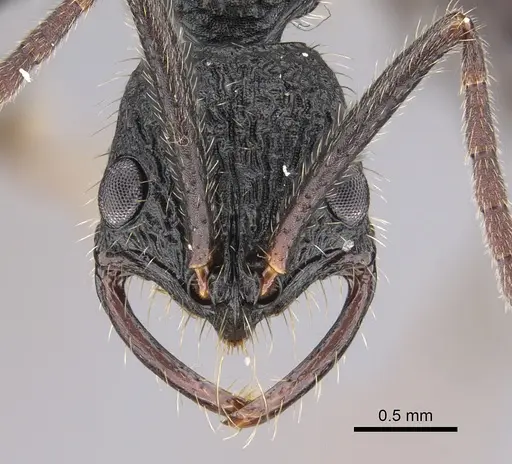
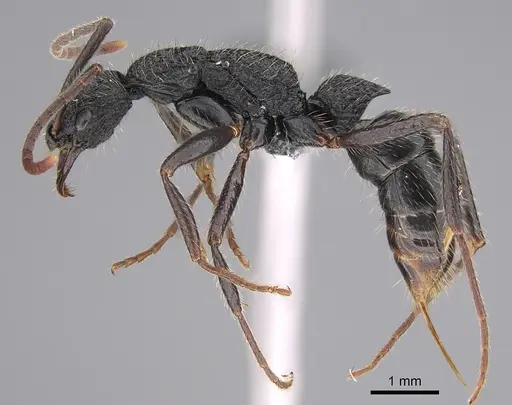
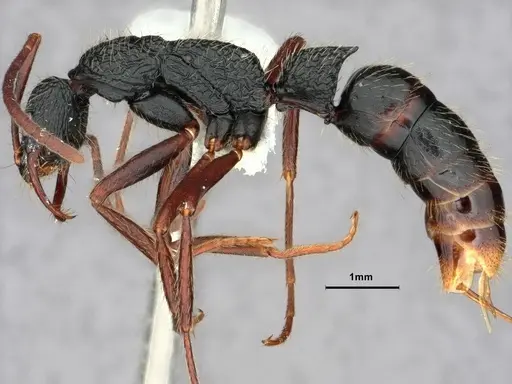
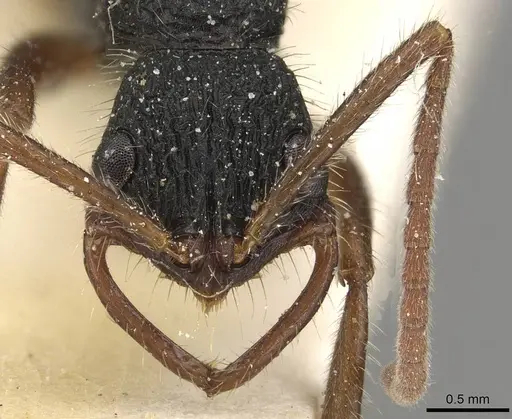
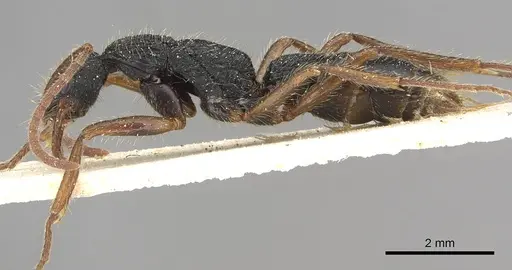
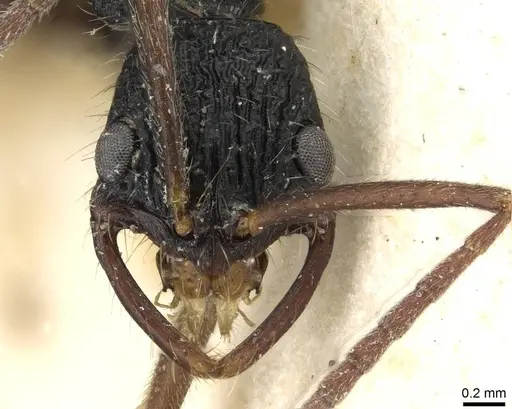
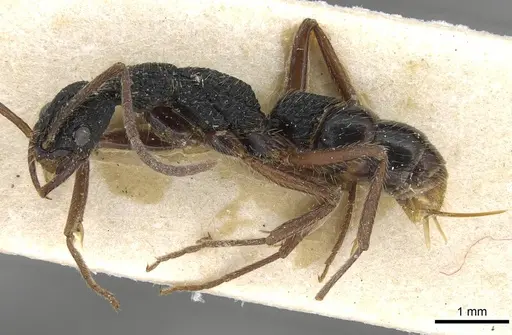
Leptogenys crustosa is a predatory ant species from the Ponerinae subfamily, native to the Democratic Republic of Congo. Workers are medium-sized ants with the elongated body and distinct petiole characteristic of the Leptogenys genus. They have dark coloration typical of many ponerine ants, with a sleek, streamlined appearance suited for hunting prey. These ants are specialized predators, using their powerful mandibles to capture and subdue arthropods like isopods and other small invertebrates. In their natural habitat of central African forests, they hunt cooperatively. This species is known from Haut-Katanga and Ituri provinces in the DRC .
Quick Summary
- Difficulty: Medium
- Origin & Habitat: Democratic Republic of Congo (Haut-Katanga and Ituri provinces), forest habitats in central Africa [1]
- Colony Type: Colony structure is unconfirmed, specific data on queen number and colony organization is not available for this species
- Size & Growth:
- Queen: Size data unavailable, no specific measurements exist for this species. Based on typical Leptogenys genus patterns, queens likely measure around 10-12mm
- Worker: Size data unavailable, no specific measurements exist for this species. Based on typical Leptogenys genus patterns, workers likely measure around 6-9mm
- Colony: Colony size data is unavailable for this specific species
- Growth: Growth rate data is unavailable
- Development: Development timeline is unconfirmed for this species (Ponerine ants typically have slower development than many Myrmicinae species)
- Antkeeping:
- Temperature: Keep at 22-26°C, they prefer warm, stable conditions typical of their tropical origin. Activity may reduce below 20°C
- Humidity: High humidity preferred (70-85%), they come from moist African forest habitats. Keep nest substrate consistently moist but not waterlogged
- Diapause: No true diapause required given their tropical origin. Activity may slow slightly during cooler periods but no formal hibernation is needed
- Nesting: Provide a humid nest with chambers sized for medium-sized ants. Y-tong, plaster, or naturalistic soil nests work well. They prefer dark, humid nesting areas
- Behavior: Leptogenys crustosa is a predatory ant that hunts live prey. Workers are active foragers that search for arthropods, particularly isopods. They have moderate aggression and will defend their colony if threatened. This species has a functional stinger typical of Ponerinae ants, the sting is painful to vertebrates and keepers should exercise caution. Escape prevention is important as they are agile and can escape through small gaps.
- Common Issues: colonies may fail if not provided with adequate live prey, they are obligate predators, high humidity requirements can lead to mold if ventilation is poor, slow or inconsistent colony growth due to lack of species-specific data, wild-caught colonies may have parasites that cause issues in captivity, they require escape-proof setups as active foragers, the sting is painful, handle with care and avoid disturbing the colony
Housing and Nest Setup
Leptogenys crustosa needs a nest that maintains high humidity while providing dark, secure chambers. Y-tong or plaster nests work well because they hold moisture effectively. The nest should have chambers sized for medium-sized ants. Provide a water reservoir connected to the nest to maintain humidity without needing frequent misting. The outworld should be spacious enough for workers to hunt and should include hiding spots and structures where prey can be placed. Use a test tube setup for the founding colony, then transition to a proper nest once the colony reaches 20-30 workers.
Feeding and Diet
Leptogenys crustosa is an obligate predator and requires live prey to thrive. Their primary food source should be small arthropods, they are known for hunting isopods in the wild but will accept various small invertebrates. Offer live prey appropriate to the colony size: small isopods, fruit flies, small crickets, and other tiny arthropods. Feed every 2-3 days, adjusting based on colony size and consumption. Remove uneaten prey after 24 hours to prevent mold. Sugar sources are typically not accepted by predatory Leptogenys species, they derive their energy from protein-rich prey. Do not rely on honey or sugar water.
Temperature and Humidity
Maintain temperatures between 22-26°C for optimal colony health and development. These tropical ants prefer warm, stable conditions and may show reduced activity below 20°C. A gentle heat gradient in the outworld allows ants to regulate their temperature. Humidity should be kept high at 70-85%, this can be achieved through a water reservoir in the nest and occasional misting of the outworld. The nest substrate should remain damp but not waterlogged. Poor humidity can lead to desiccation and colony decline, while excessive moisture without ventilation causes mold problems.
Colony Development
Specific colony development data is unavailable for Leptogenys crustosa. The queen lays eggs which develop through larval and pupal stages before emerging as workers. First workers are typically smaller than mature workers. Regular feeding with appropriate prey and stable warm, humid conditions are essential for healthy development. Colonies will not become massive, Leptogenys species typically maintain moderate-sized colonies.
Behavior and Temperament
These ants are active foragers that search for prey both individually and through coordinated group hunting. Workers are not particularly aggressive toward humans but will defend their nest if disturbed. WARNING: This species has a functional stinger typical of Ponerinae ants, the sting is painful to vertebrates and keepers should exercise caution. The workers are agile and can move quickly when hunting or responding to threats. They are primarily nocturnal or crepuscular in their foraging activity, though they will forage during the day if prey is available. Watch for escape attempts, while not tiny, they are accomplished climbers and foragers that will exploit any gap in your setup.
Frequently Asked Questions
How long does it take for Leptogenys crustosa to produce first workers?
Specific development timeline data is unavailable for this species. Based on typical Ponerinae patterns, first workers may emerge in 6-10 weeks at optimal temperature (22-26°C), though this is unconfirmed. Patience is required during the founding stage.
What do Leptogenys crustosa ants eat?
They are obligate predators that require live prey. Offer small arthropods like isopods, fruit flies, small crickets, and other tiny invertebrates. They do not typically accept sugar sources or dead food.
Can I keep Leptogenys crustosa in a test tube setup?
Yes, test tubes work well for founding colonies. Keep the cotton damp and maintain high humidity. Once the colony reaches 20-30 workers, transition to a proper nest with more space.
Do Leptogenys crustosa ants sting?
Yes, this species has a functional stinger typical of Ponerinae ants. The sting is painful to vertebrates and keepers should exercise caution when handling or disturbing the colony.
How big do Leptogenys crustosa colonies get?
Specific colony size data is unavailable for this species. Based on typical Leptogenys patterns, colonies likely reach a few hundred workers at maturity but will not become massive supercolonies.
What temperature and humidity do Leptogenys crustosa need?
Keep them warm at 22-26°C with high humidity (70-85%). These tropical ants need consistent warmth and moisture to thrive.
Are Leptogenys crustosa good for beginners?
They are rated as medium difficulty. They require more specific care than simple sugar-feeding species, particularly needing live prey and high humidity. The presence of a functional stinger also requires careful handling. Beginners should research predatory ant care before attempting this species.
Do Leptogenys crustosa need hibernation?
No, they do not require true hibernation. Being tropical ants from central Africa, they prefer consistent warm temperatures year-round. Activity may slow slightly during cooler periods but no formal diapause is needed.
Why are my Leptogenys crustosa dying?
Common causes include: insufficient live prey (they need protein), low humidity, temperatures below 20°C, mold from excessive moisture, or parasites from wild-caught colonies. Ensure proper prey feeding and stable environmental conditions.
When should I move Leptogenys crustosa to a formicarium?
Move them when the test tube colony reaches 20-30 workers or when the water reservoir becomes difficult to maintain. A formicarium with humidity control will better support larger colonies.
Report an Issue
The current care sheet is based fully on literature. See inconsistencies, or something that's incorrect? Please , it will be resolved after review from an admin. Contributing to the blogs tab also helps providing information, to make us be able to further improve the caresheets. Thank you for your support!
References

This caresheet is licensed under CC BY-SA 4.0 .
Community Blogs
CASENT0281916
View on AntWeb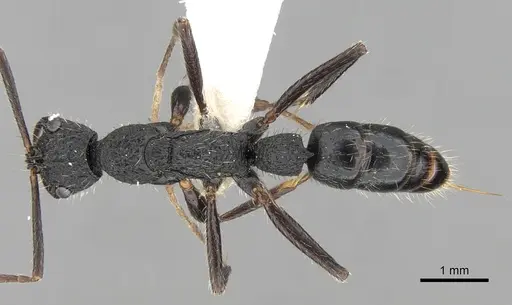
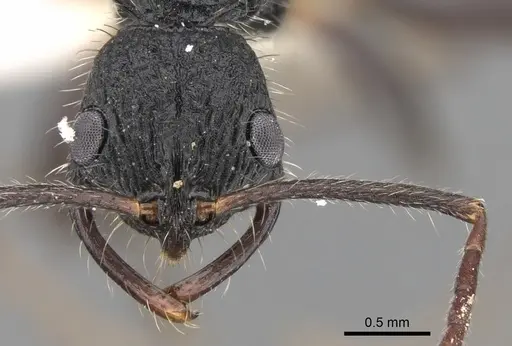
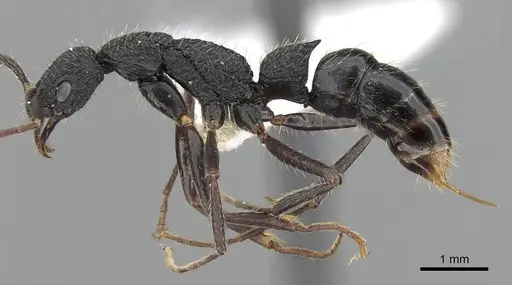
CASENT0352386
View on AntWeb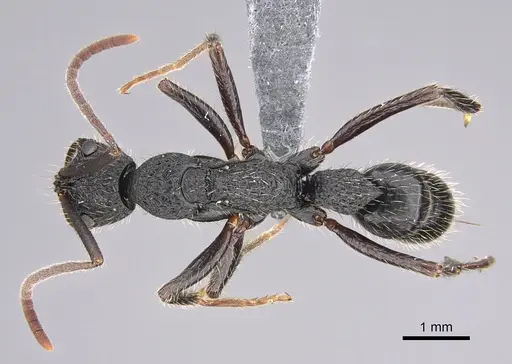
CASENT0882088
View on AntWeb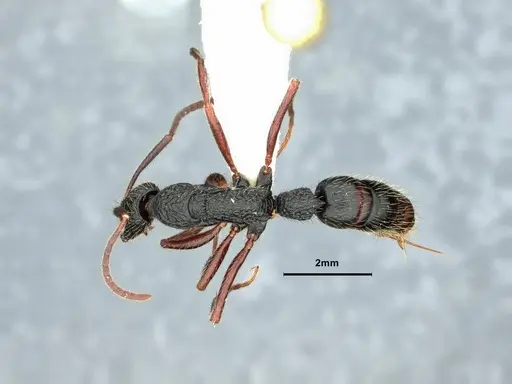
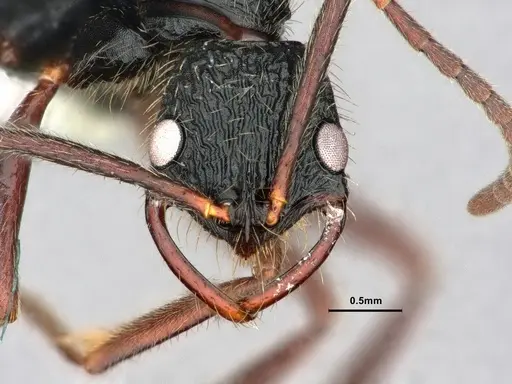
CASENT0915219
View on AntWeb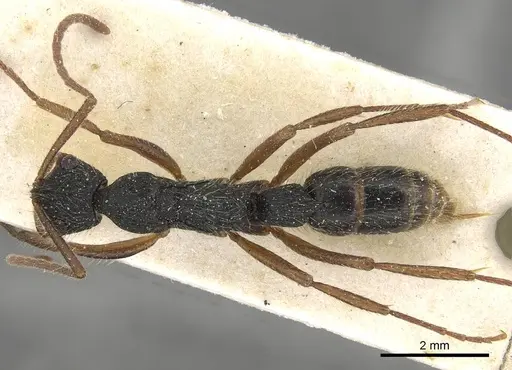
CASENT0915220
View on AntWeb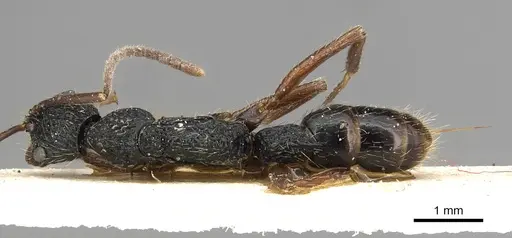
Literature
Loading distribution map...Loading products...