
Leptogenys conradti
- Sci. Name
- Leptogenys conradti
- Tribe
- Ponerini
- Subfamily
- Ponerinae
- Author
- Forel, 1913
- Distribution
- Found in 3 countries
Introduction
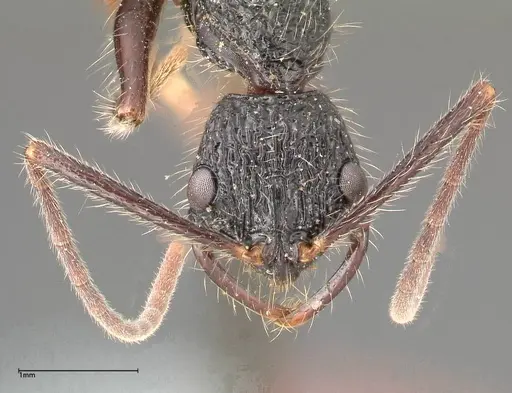
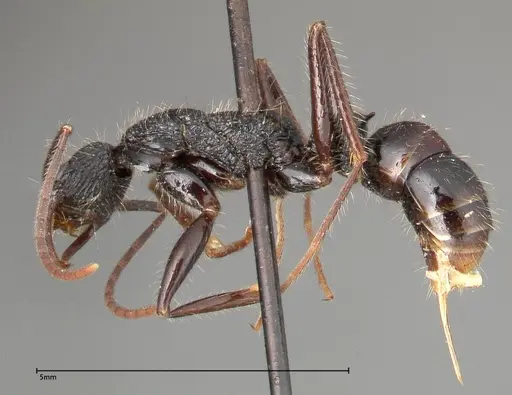
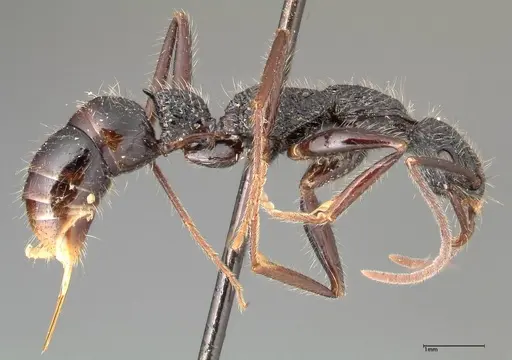
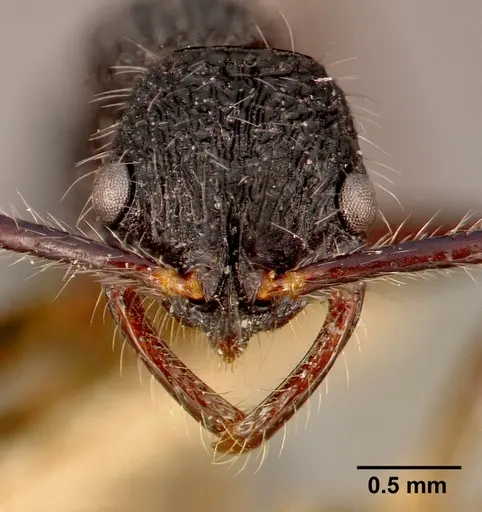
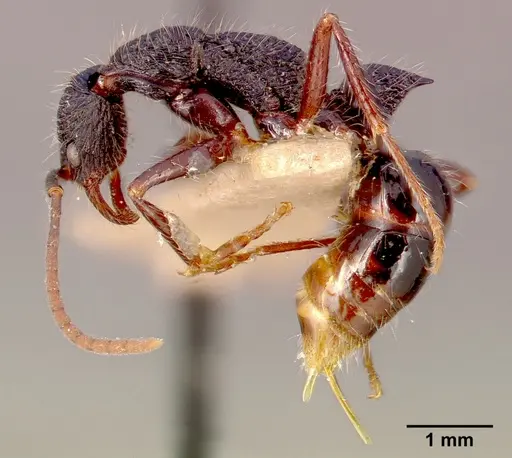
Leptogenys conradti is a predatory ant species from the Ponerinae subfamily, found across West Africa including Cameroon, Democratic Republic of Congo, Ghana, Ivory Coast, and Nigeria . Workers are slender ants with elongated mandibles typical of the genus, adapted for hunting small prey. They inhabit tropical forest regions and surrounding savanna areas, with documented occurrences in urban green spaces and forest access roads in Côte d'Ivoire . This species belongs to the Ponerini tribe, which includes active predatory ants with functional stingers for colony defense.
Quick Summary
- Difficulty: Medium
- Origin & Habitat: West African tropical distribution spanning Cameroon, DRC, Ghana, Ivory Coast, and Nigeria [1]. Found in forest edges, urban green spaces, and savanna-forest transition zones [2][3][4].
- Colony Type: Colony structure is unconfirmed for this species.
- Size & Growth:
- Queen: Size data unavailable, no specific measurements exist for this species
- Worker: Size data unavailable, no specific measurements exist for this species
- Colony: Colony size unconfirmed for this species
- Growth: Growth rate unconfirmed
- Development: Development time unconfirmed for this species (Development time inferred from related Ponerinae species, precise data for L. conradti not available)
- Antkeeping:
- Temperature: Keep at 24-28°C (tropical species). A heating cable on one side of the nest creates a temperature gradient [2].
- Humidity: Maintain moderate to high humidity (60-80%). Keep nest substrate moist but not waterlogged. Mist occasionally and provide a water tube.
- Diapause: No, this is a tropical species that does not require hibernation [1]. Maintain year-round tropical conditions.
- Nesting: Prefers humid nest conditions. A Y-tong (AAC) nest or plaster nest works well. Provide moist substrate and ensure good humidity retention. Avoid dry, air-conditioned environments.
- Behavior: Active predatory ants with aggressive colony defense. Workers hunt small invertebrates using their elongated mandibles. They are fast-moving and will readily defend the colony using their stinger. Escape prevention is important, use fluon on nest edges and ensure tight-fitting lids. Medium escape risk compared to tiny ants.
- Common Issues: tropical species cannot tolerate cool temperatures, keep above 24°C or colony will decline, predatory diet means they need live prey, sugar water alone is insufficient, colonies may fail if humidity drops too low, monitor substrate moisture, wild-caught colonies may have parasites that can devastate captive populations, founding phase may be slow, queens may take months to raise first workers
Housing and Nest Setup
Leptogenys conradti requires humid nest conditions typical of tropical forest ants. A Y-tong (AAC) nest or plaster formicarium works well, both retain moisture effectively while providing proper ventilation. The nest should have chambers scaled to their medium size. Keep the nest substrate consistently moist by connecting a water tube or misting regularly. An outworld (foraging area) should be attached with a secure connection tube. Use fluon or other barrier methods on tube connections to prevent escapes, as these ants are active and can find small gaps. [2][3]
Feeding and Diet
As a Ponerinae predator, L. conradti requires a protein-rich diet of live small invertebrates. Feed small live prey such as fruit flies, pinhead crickets, small mealworms, and other appropriately-sized insects. Offer prey 2-3 times per week, removing uneaten prey after 24 hours to prevent mold. While some Leptogenys species occasionally accept sugar water or honey, their primary nutrition comes from hunting. A varied diet of different small prey items helps ensure balanced nutrition. Do not rely solely on sugar sources, these ants are active hunters and need the stimulation and nutrition of live prey.
Temperature and Seasonal Care
This is a tropical West African species that requires warm temperatures year-round. Maintain nest temperatures between 24-28°C. A heating cable placed on one side of the nest creates a thermal gradient allowing ants to self-regulate. Room temperature may be sufficient in warm homes, but monitor with a thermometer. Unlike temperate species, L. conradti does not require a diapause or winter rest period. Keep them away from air conditioning vents, drafty windows, or cool basements. Cold temperatures below 20°C can weaken and eventually kill the colony. Consistent warmth is key to maintaining an active, healthy colony. [2]
Colony Founding
Leptogenys conradti founding behavior is unconfirmed. The genus Leptogenys shows varied founding strategies, but specific data for this species is not available. Expect a potentially slower founding process compared to fully claustral species. The first workers (nanitics) will likely be smaller than normal workers and may take several months to appear. Do not disturb the founding queen unnecessarily.
Behavior and Temperament
Leptogenys conradti is an active, aggressive predator. Workers use their elongated mandibles to capture and subdue small prey. They are fast-moving and will readily swarm to defend against threats. When the colony feels threatened, workers will attack aggressively using their stinger, use caution when observing. They are not typically skittish but will investigate and explore their outworld thoroughly. These ants are diurnal and most active during the day. Their hunting behavior is fascinating to observe, workers will stalk and chase prey with surprising speed. Provide enrichment in the outworld such as small obstacles and hiding spots to encourage natural foraging behavior.
Frequently Asked Questions
How long does it take for Leptogenys conradti to raise first workers?
Exact development time is unconfirmed for this species. Based on related Ponerinae species, expect several months for the first workers (nanitics) to emerge. Patience is essential during the founding phase.
What do Leptogenys conradti eat?
They require live small invertebrates as their primary food. Offer fruit flies, small crickets, mealworms, and other appropriately-sized insects. Some keepers report occasional acceptance of sugar water or honey, but protein from prey is essential.
Can I keep multiple Leptogenys conradti queens together?
Not recommended. Colony structure is unconfirmed for this species, but Leptogenys typically form single-queen colonies. Combining unrelated foundress queens has not been documented and likely results in fighting.
What temperature do Leptogenys conradti need?
Keep them at 24-28°C year-round. This tropical species does not tolerate cool temperatures. Use a heating cable or heat mat if your room temperature falls below this range.
Do Leptogenys conradti need hibernation?
No. As a tropical West African species, they do not require diapause or hibernation. Maintain warm, stable temperatures throughout the year.
Is Leptogenys conradti good for beginners?
This species is rated as medium difficulty. The founding phase may require more attention than claustral species, and their predatory diet means you must provide live prey regularly. Experienced antkeepers will have more success.
How big do Leptogenys conradti colonies get?
Colony size is unconfirmed for this specific species. Based on related species, colonies may reach several hundred workers.
Why is my Leptogenys conradti colony declining?
Common causes include: temperatures below 24°C, low humidity, insufficient live prey, or parasites. Check all three environmental factors first. Wild-caught colonies may carry parasites that can devastate captive populations.
When should I move Leptogenys conradti to a formicarium?
Wait until the colony has at least 20-30 workers and is actively using the outworld for foraging. Moving too early can stress the colony. A Y-tong or plaster nest works well once the colony is established.
Report an Issue
The current care sheet is based fully on literature. See inconsistencies, or something that's incorrect? Please , it will be resolved after review from an admin. Contributing to the blogs tab also helps providing information, to make us be able to further improve the caresheets. Thank you for your support!
References

This caresheet is licensed under CC BY-SA 4.0 .
Community Blogs
CASENT0417217
View on AntWeb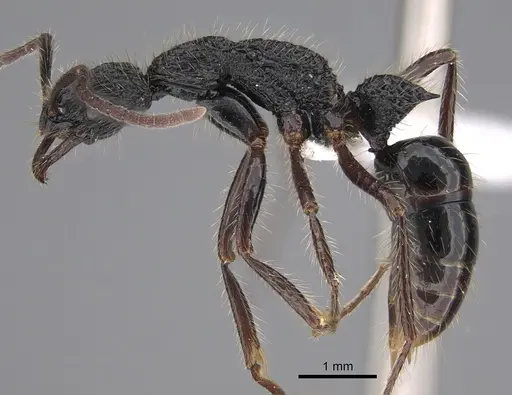
CASENT0907340
View on AntWeb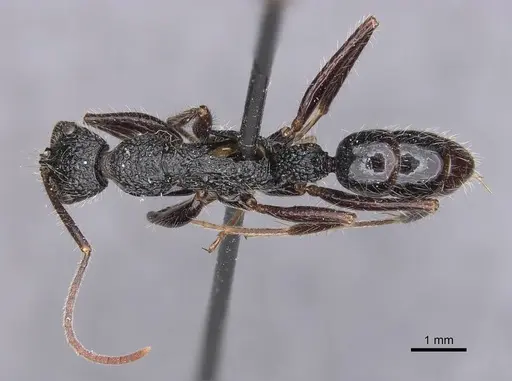
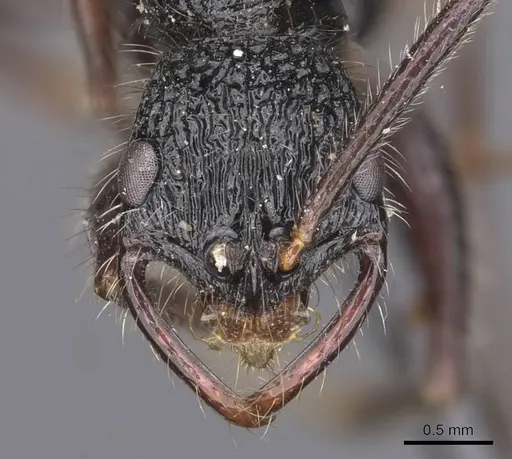
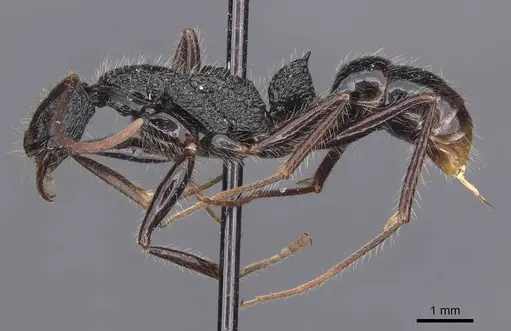
FOCOL0351
View on AntWeb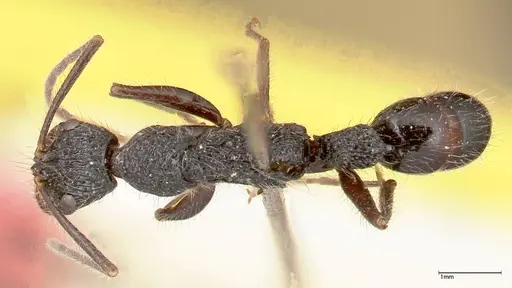
FOCOL0352
View on AntWeb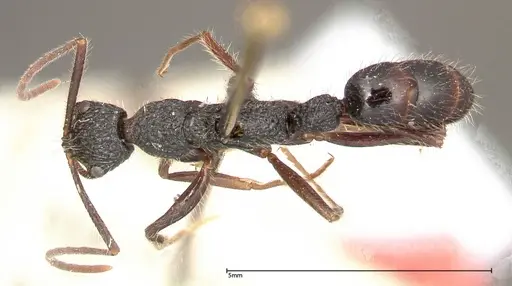
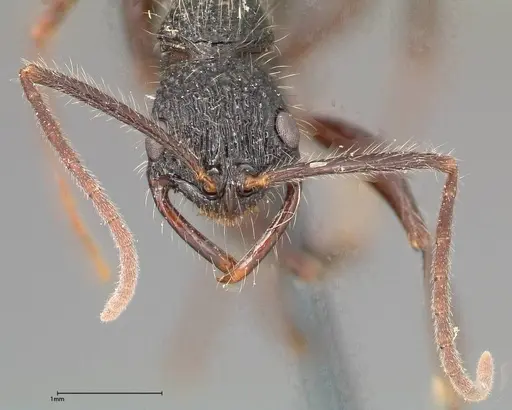
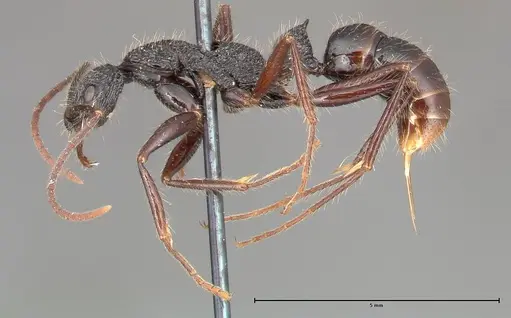
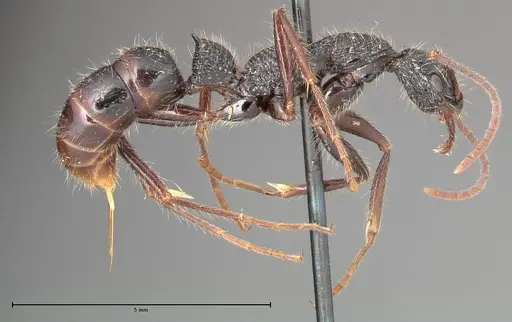
SAM-HYM-C002505A
View on AntWeb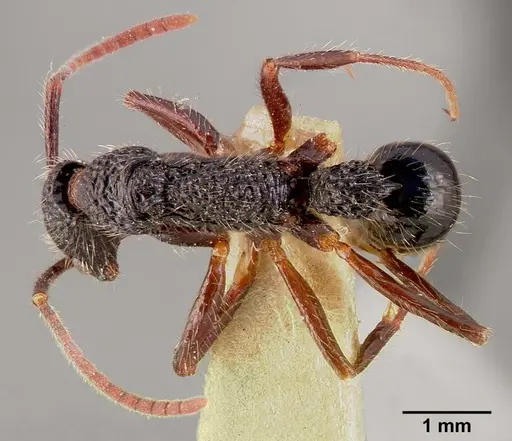
Literature
Loading distribution map...Loading products...