
Leptogenys comajojo
- Sci. Name
- Leptogenys comajojo
- Tribe
- Ponerini
- Subfamily
- Ponerinae
- Author
- Rakotonirina & Fisher, 2014
- Distribution
- Found in 2 countries
Introduction
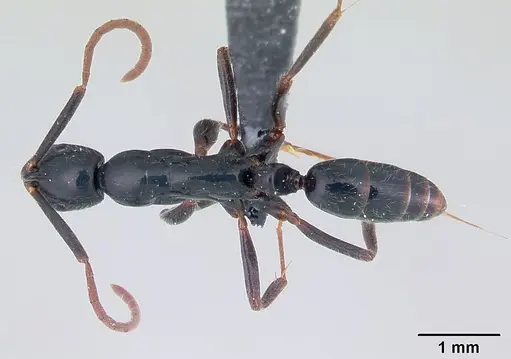
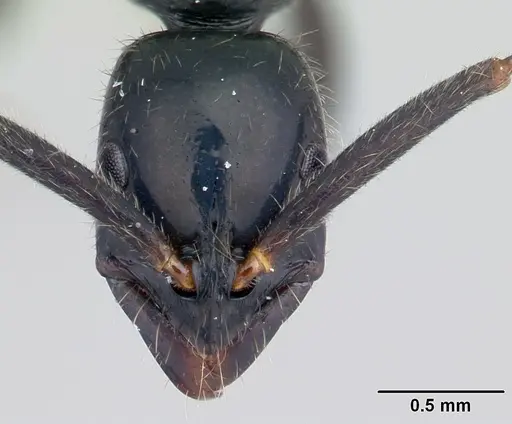
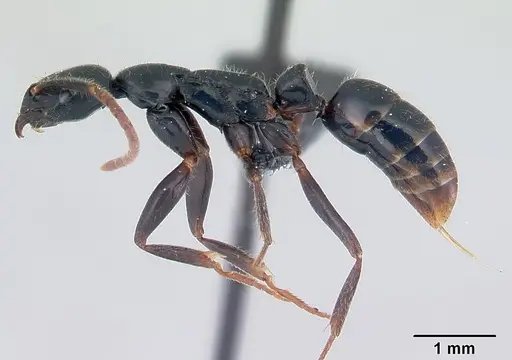
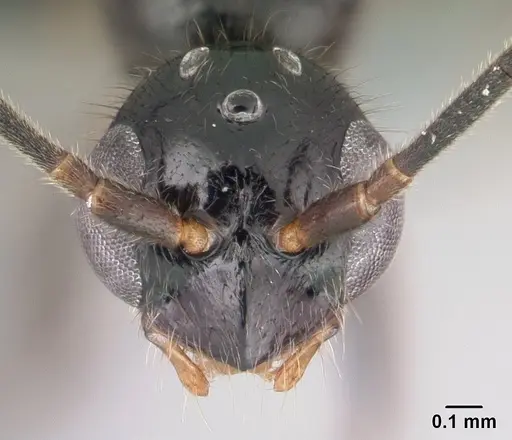
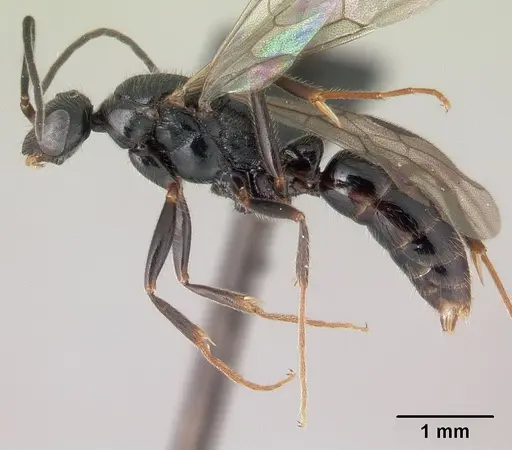
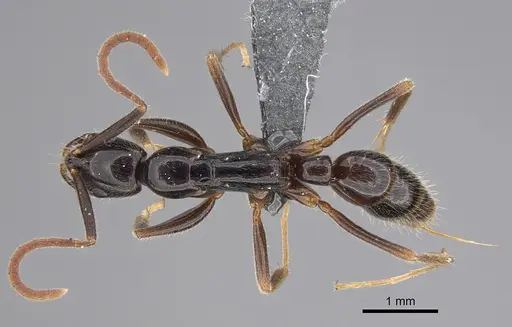
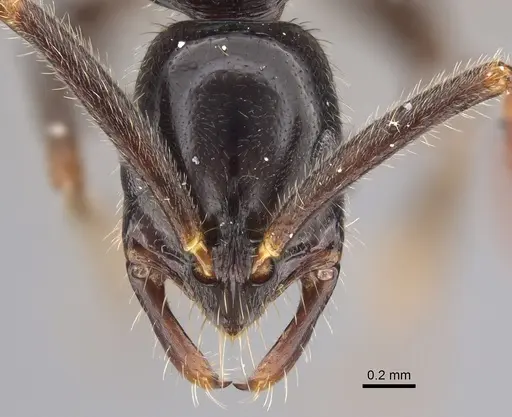
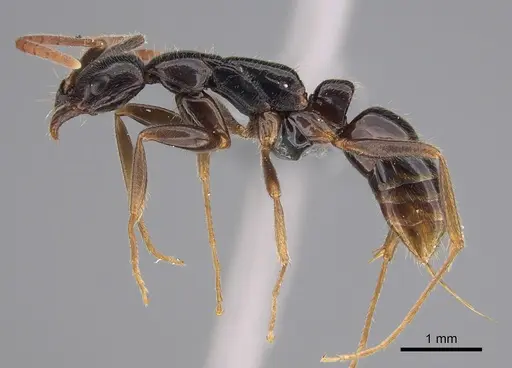
Leptogenys comajojo is a small ponerine ant native to the Comoros islands in the Indian Ocean, specifically found on Mohéli and Mayotte. Workers are tiny - approximately 4-6mm total length, inferred from the genus Leptogenys based on head measurements . They have a distinctive black coloration with a bluish reflection or opalescence, and the tips of their abdomen and legs are dark brown to brown . This species belongs to the attenuata species group and can be identified by its finely microreticulate mandibles and the striated median lobe of the clypeus . They nest in rotten logs and under soil in mesic forests, foraging through leaf litter and on lower vegetation . What makes L. comajojo interesting is its restricted distribution to just two islands in the Comoros archipelago - it's an island endemic with very limited range. As a Ponerine ant, they are predatory hunters using their sting to subdue prey, which is typical of the genus Leptogenys. Their small size and preference for damp forest habitats make them quite different from the more commonly kept larger ant species.
Quick Summary
- Difficulty: Medium
- Origin & Habitat: Comoros islands (Mohéli and Mayotte) in mesic forests, natural lowland and montane rainforests, including disturbed high montane areas [1]
- Colony Type: Colony structure is unconfirmed.
- Size & Growth:
- Queen: ~5-7mm, inferred from Leptogenys genus patterns
- Worker: ~4-6mm total length, inferred from genus based on head measurements [1]
- Colony: Unknown
- Growth: Unknown
- Development: Unknown for this species (No specific development data available.)
- Antkeeping:
- Temperature: 24-28°C, they come from tropical islands so prefer warm conditions.
- Humidity: Keep substrate consistently moist but not waterlogged. These forest-floor ants need damp conditions.
- Diapause: No, Comoros has a tropical climate with no true winter. Keep at stable warm temperatures year-round.
- Nesting: Provide a naturalistic setup with moist substrate. Rotten log pieces or a Y-tong/plaster nest with high humidity works well. They naturally nest in rotting wood and soil.
- Behavior: These are predatory ants with a functional sting. Workers are active foragers through leaf litter, hunting small invertebrates. They are likely moderately aggressive when defending the colony. Their small size means excellent escape prevention is critical, they can squeeze through tiny gaps. As Ponerines, they have a painful sting though the small size limits sting effectiveness on human skin.
- Common Issues: escape prevention is critical due to their tiny size, use fine mesh and tight-fitting barriers, humidity management is important, they need damp conditions but not standing water, slow founding if claustral, queens may take time to establish first workers, limited availability since they're a rare species with restricted range, predatory diet means you need consistent live prey, they won't survive on sugar alone
Housing and Nest Setup
Leptogenys comajojo requires high-humidity housing due to their natural habitat in mesic forests. A Y-tong or plaster nest works well, as these materials hold moisture better than test tubes. The nest chambers should be appropriately scaled to their tiny worker size, narrow passages and small chambers are more appropriate than large open spaces. Include a water reservoir or moisture chamber to maintain humidity. For the outworld, provide a shallow foraging area with leaf litter or decaying wood pieces to simulate their natural forest-floor environment. Use excellent escape prevention, despite their small size, they are active foragers and will explore any gaps. Fine mesh on all openings is essential. [1]
Feeding and Diet
As a Ponerine ant, L. comajojo is predatory and needs a protein-based diet. Feed small live prey such as fruit flies, pinhead crickets, small mealworms, and other tiny arthropods. They forage through leaf litter in the wild, hunting small invertebrates. Offer prey 2-3 times per week, removing any uneaten prey within 24 hours to prevent mold. Sugar sources like honey or sugar water may be accepted occasionally but should not be the primary food, these are primarily predatory ants. Some Leptogenys species also scavenge, so occasionally offering small pieces of dead insects can supplement their diet. Always ensure fresh water is available. [1]
Temperature and Humidity
Keep your colony at 24-28°C, reflecting their tropical island origin in the Comoros. They prefer stable, warm temperatures without major fluctuations. A heating cable on one side of the nest can create a gentle gradient, allowing ants to regulate their temperature by moving between chambers. Humidity should be high, the nest substrate should feel consistently moist but never waterlogged. Mist the nest occasionally or use a water reservoir to maintain humidity levels. These forest-floor ants from mesic habitats are accustomed to damp conditions. Ensure adequate ventilation to prevent mold while maintaining humidity. [1]
Behavior and Temperament
Leptogenys comajojo workers are active foragers that search through leaf litter and lower vegetation for prey. They are predatory ants that will hunt and subdue small invertebrates using their sting. As Ponerines, they have a defensive sting, while the small size means limited effect on human skin, they will use it if threatened. Workers are likely moderately aggressive in defending their colony. They do not form large colonies quickly, so growth will be gradual. Their small size and active foraging behavior mean escape prevention must be excellent at all times. Watch for workers exploring and sealing any potential escape routes.
Colony Development
Little is known about the specific colony development of L. comajojo. Queens may seal themselves in during founding, living off stored fat reserves until the first workers emerge. The first workers (nanitics) will be smaller than normal workers. Avoid disturbing the queen during founding as this can cause her to abandon or consume the brood.
Frequently Asked Questions
How long does it take for Leptogenys comajojo to produce first workers?
The exact timeline is unknown for this species. The founding queen may take several months to establish before laying her first eggs.
Can I keep Leptogenys comajojo in a test tube setup?
Test tubes can work initially for a founding queen, but due to their high humidity requirements, a Y-tong or plaster nest is more suitable for long-term housing. These forest-floor ants need consistent moisture that test tubes don't retain well.
Do Leptogenys comajojo ants sting?
Yes, as a Ponerine ant they have a functional sting. However, their small size means the sting is unlikely to penetrate human skin effectively. They will use their sting defensively if threatened.
What do Leptogenys comajojo eat?
They are predatory ants that need live protein prey. Offer small insects like fruit flies, pinhead crickets, small mealworms, or other tiny arthropods 2-3 times per week. Sugar water or honey may be occasionally accepted but should not be the primary food.
Are Leptogenys comajojo good for beginners?
This species is rated as medium difficulty. While not the hardest species to keep, their specific humidity needs, predatory diet requirements, and escape prevention make them better suited for keepers with some experience. Their rarity also makes them a more advanced species.
Do Leptogenys comajojo need hibernation?
No, they do not need hibernation. Coming from the tropical Comoros islands, they expect warm temperatures year-round. Keep them at 24-28°C consistently without seasonal temperature drops.
How big do Leptogenys comajojo colonies get?
The maximum colony size is unknown. Growth will be gradual over several years.
Why are my Leptogenys comajojo escaping?
Their tiny size means they can squeeze through extremely small gaps. Use fine mesh on all openings, seal any gaps, and ensure lid fit is tight. Check for any cracks around the nest setup and outworld connections.
Can I keep multiple Leptogenys comajojo queens together?
This has not been documented for this species. Based on typical Leptogenys behavior, single-queen colonies are most likely. Combining unrelated queens is not recommended without evidence they can coexist.
What makes Leptogenys comajojo different from other ants?
Their restricted distribution to just two islands (Mohéli and Mayotte) makes them a rare, geographically limited species. Their small size, bluish-black coloration with opalescence, and predatory leaf-litter foraging behavior distinguish them from more common ant species.
Report an Issue
The current care sheet is based fully on literature. See inconsistencies, or something that's incorrect? Please , it will be resolved after review from an admin. Contributing to the blogs tab also helps providing information, to make us be able to further improve the caresheets. Thank you for your support!
References

This caresheet is licensed under CC BY-SA 4.0 .
Community Blogs
Literature
Loading distribution map...Loading products...