
Leptogenys coerulescens
- Sci. Name
- Leptogenys coerulescens
- Tribe
- Ponerini
- Subfamily
- Ponerinae
- Author
- Emery, 1895
- Distribution
- Found in 1 countries
Introduction
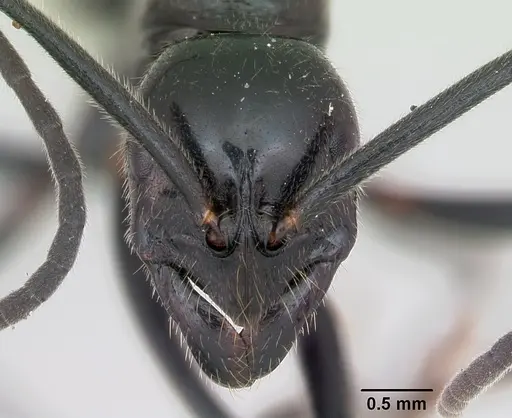
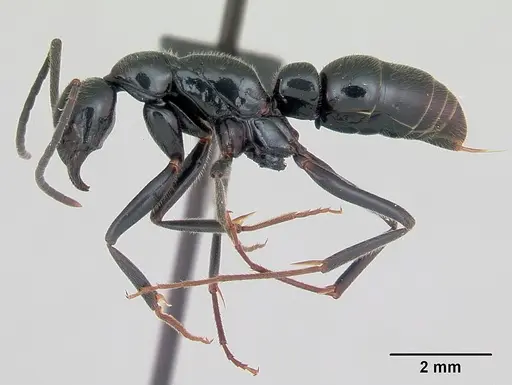
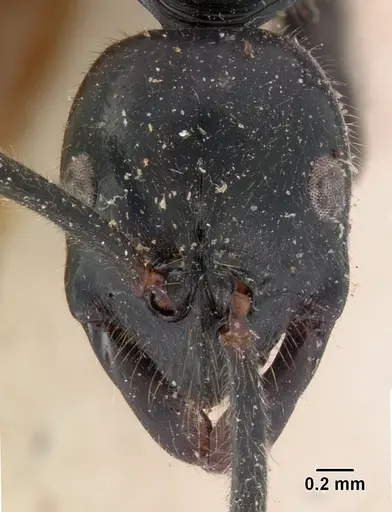
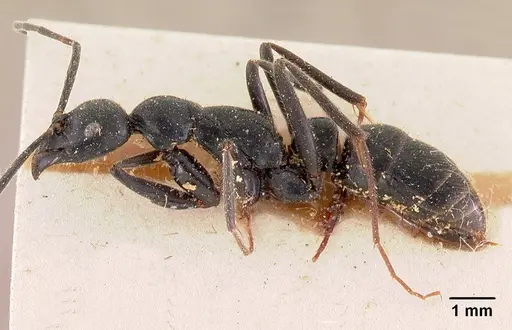
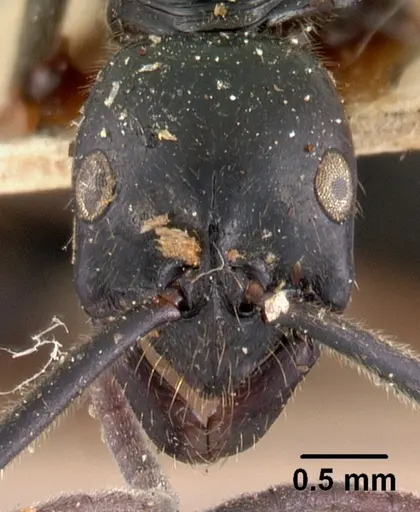
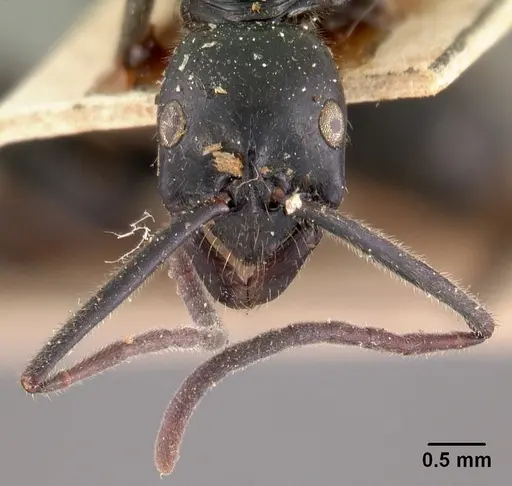
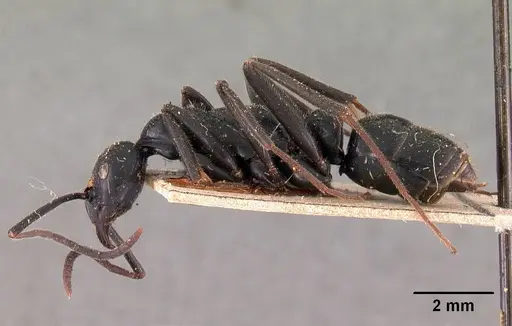
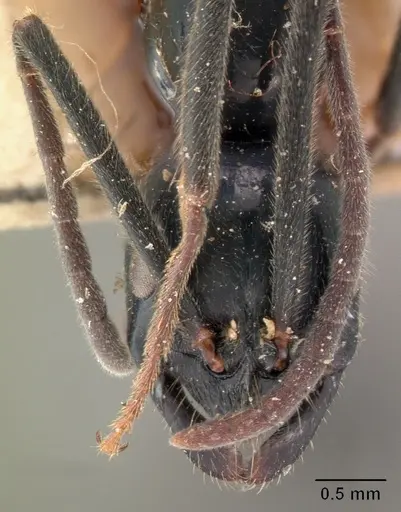
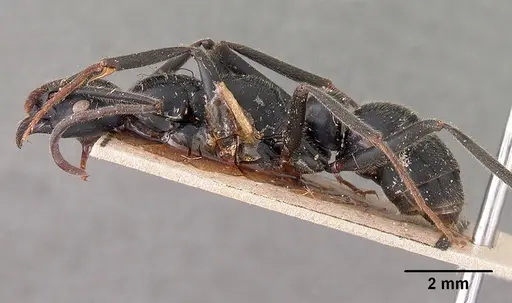
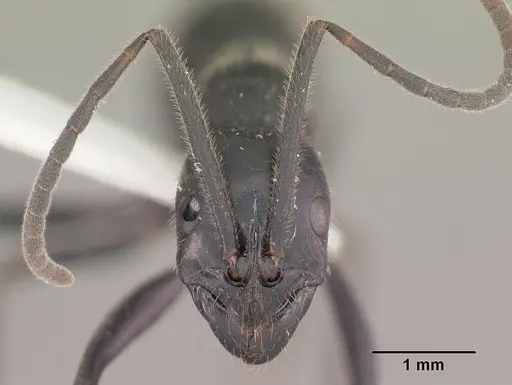
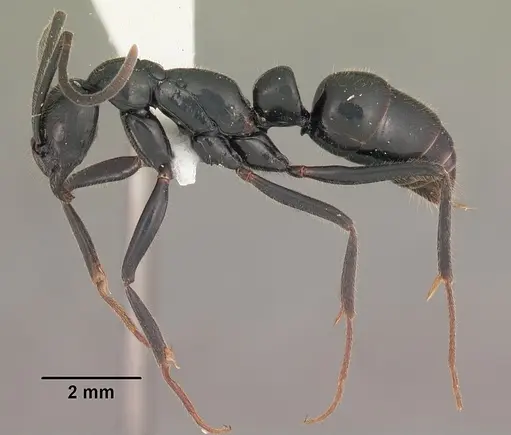
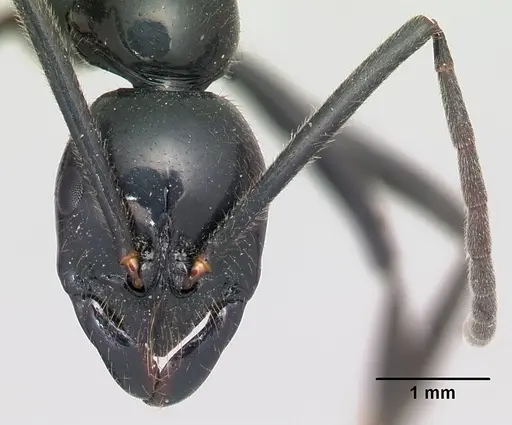
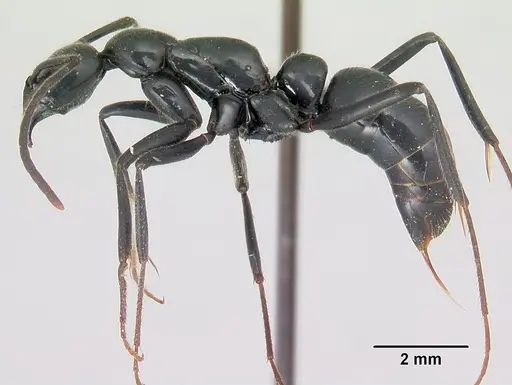
Leptogenys coerulescens is a large predatory ant species endemic to northern Madagascar. It is one of the largest species in the attenuata group . Workers have a black body with bluish iridescence, and appendages are reddish-brown to ferruginous red . Their eyes are positioned so they don't break the head outline in full-face view, and mandibles have fine punctures with striation . This species forages on the forest floor and through leaf litter, hunting small invertebrates. They nest underground, in rotten logs, or under rocks .
Quick Summary
- Difficulty: Medium
- Origin & Habitat: Northern Madagascar, found in lowland and montane rainforests, littoral forests, and dry forest habitats [1][2]
- Colony Type: Colony structure is unconfirmed, no specific data on queen number or social structure in the research context.
- Size & Growth:
- Queen: Size data unavailable, full body length measurements are not provided in the research context.
- Worker: Size data unavailable, full body length measurements are not provided in the research context.
- Colony: Maximum colony size is not documented in the research context.
- Growth: Moderate, inferred from typical Ponerine ant development patterns.
- Development: Estimated 8-12 weeks at tropical temperatures based on related Ponerine species, specific data for L. coerulescens is not available [1]. (Development time is estimated from related species, maintain warm conditions for optimal growth.)
- Antkeeping:
- Temperature: Keep warm, roughly 24-28°C, based on tropical habitat inference. Provide a gentle gradient for temperature regulation.
- Humidity: Keep the nest substrate consistently moist but not waterlogged, as they inhabit damp forest environments [1][2].
- Diapause: No, as a tropical species from Madagascar, they do not require hibernation.
- Nesting: Prefer humid nests mimicking underground or rotting log environments. Use Y-tong, plaster, or soil-based nests with good moisture retention [2].
- Behavior: Workers are active predators that hunt small invertebrates using their vision. They have a functional sting for defense and prey capture, typical of Ponerinae ants. They are not aggressive toward humans but will defend the nest if disturbed. Escape prevention is important due to their agility, use barriers on open setups.
- Common Issues: high humidity can lead to mold if ventilation is inadequate, balance moisture and air flow, predatory diet requires consistent access to live prey, which can be demanding, tropical warmth needs year-round may be challenging in cooler climates without heating, sting is painful, handle with care and avoid disturbing the colony, colony growth may be slow compared to common ant species, testing patience
Housing and Nest Setup
You need a humid nest that mimics their natural underground or rotting log habitats. Use Y-tong, plaster, or soil-based nests that retain moisture well. Ensure a water reservoir to maintain damp conditions without flooding. The outworld should be spacious for foraging. Apply fluon or barriers to prevent escapes, as they are agile climbers [2].
Feeding and Diet
You must provide live prey such as fruit flies, small crickets, or mealworms, as they are obligate predators. Prey should be appropriately sized, no larger than half the worker size. Feed several times a week and remove uneaten prey after 24-48 hours to prevent mold [1].
Temperature and Heating
Keep temperatures warm, around 24-28°C, based on their tropical habitat. Use a heating cable or mat on one side to create a gradient, allowing ants to regulate their temperature. Avoid temperatures above 30°C to prevent stress [1].
Humidity Management
Maintain high humidity by keeping the nest substrate consistently moist but not waterlogged. Monitor for signs of too little humidity, like workers clustering at moisture sources, or too much, like mold growth. Ensure adequate ventilation [1][2].
Behavior and Temperament
Workers forage individually or in small groups using their vision to locate prey. They have a functional sting for defense and subduing prey, typical of Ponerinae ants. They are not aggressive toward humans but will sting if threatened. Handle with care and avoid disturbing the nest [1].
Colony Development
Colony growth is moderate. First workers may emerge around 8-12 weeks after founding at optimal temperatures, but this is estimated from related species. Patience is key, as Ponerine colonies grow slower than many common ants. No specific data on development timeline for this species is available [1].
Frequently Asked Questions
How long does it take for Leptogenys coerulescens to produce first workers?
Expect first workers approximately 8-12 weeks after the queen lays eggs, at optimal temperatures of 25-28°C. This is an estimate based on related Ponerine species, as specific data for this species is not available [1].
Do Leptogenys coerulescens ants sting?
Yes, they have functional stingers and can deliver a painful sting. This is their primary defense mechanism, typical of Ponerinae ants. They will sting if threatened or if the nest is disturbed [1].
What do Leptogenys coerulescens eat?
They are obligate predators that need live prey, such as fruit flies, small crickets, or mealworms. Prey should be appropriately sized, and uneaten prey should be removed after 24-48 hours [1].
Are Leptogenys coerulescens good for beginners?
They are rated as medium difficulty. They require regular live prey, high humidity, and warm temperatures year-round, which may be challenging for beginners. If you are prepared for these needs, they can be rewarding to keep.
What temperature do Leptogenys coerulescens need?
Keep them at warm temperatures, roughly 24-28°C, based on their tropical habitat. Provide a temperature gradient using a heating mat or cable [1].
Do Leptogenys coerulescens need hibernation?
No, they do not require hibernation as a tropical species from Madagascar. Maintain warm conditions year-round [1].
How big do Leptogenys coerulescens colonies get?
Maximum colony size is not documented in the research context. Based on genus patterns, colonies may grow substantial over time with proper care.
When should I move Leptogenys coerulescens to a formicarium?
Wait until the colony has a stable number of workers and is regularly foraging. Test tube setups work well for early growth. Move to a larger nest when the colony can maintain humidity across the space.
Can I keep multiple Leptogenys coerulescens queens together?
This is not recommended, as there is no documentation of multiple-queen colonies in this species. Combining unrelated queens may result in fighting.
Why is my Leptogenys coerulescens colony declining?
Common causes include insufficient live prey, incorrect humidity or temperature, mold from poor ventilation, or stress from disturbance. Review these factors and adjust care accordingly.
Report an Issue
The current care sheet is based fully on literature. See inconsistencies, or something that's incorrect? Please , it will be resolved after review from an admin. Contributing to the blogs tab also helps providing information, to make us be able to further improve the caresheets. Thank you for your support!
References

This caresheet is licensed under CC BY-SA 4.0 .
Community Blogs
CASENT0076558
View on AntWeb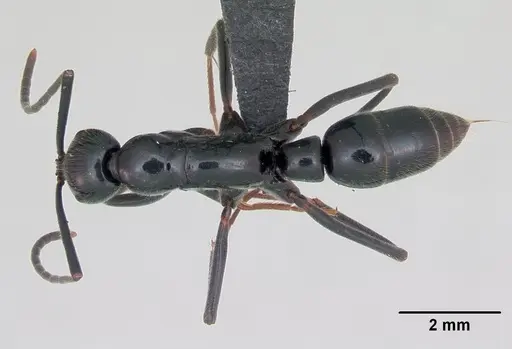
CASENT0102025
View on AntWeb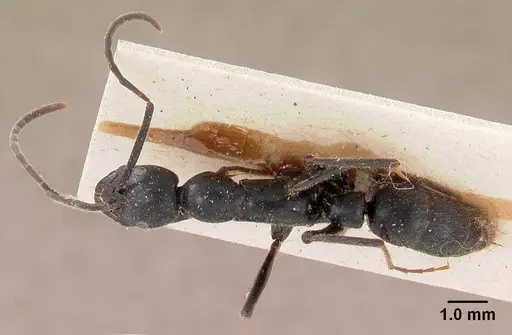
CASENT0102026
View on AntWeb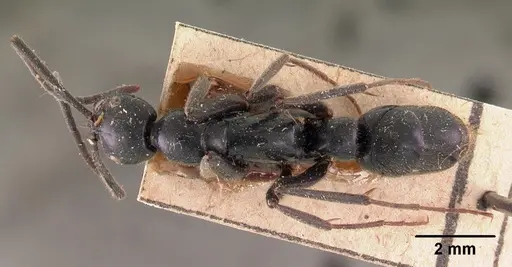
CASENT0102027
View on AntWeb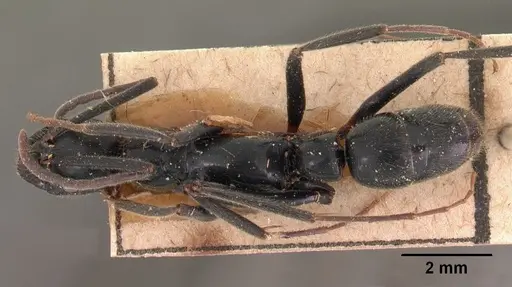
CASENT0102413
View on AntWeb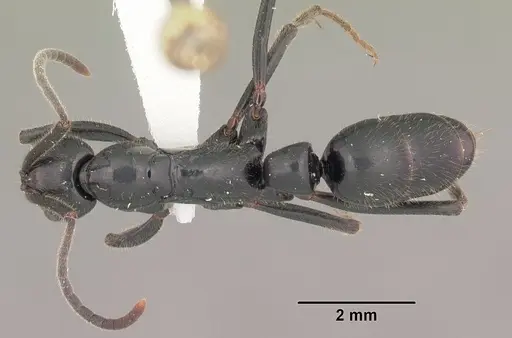
CASENT0163585
View on AntWeb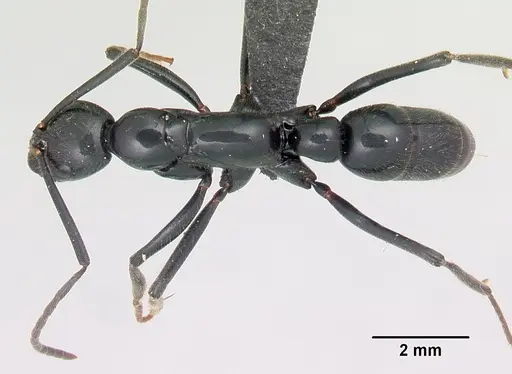
Literature
Loading distribution map...Loading products...