
Leptogenys chinensis
- Sci. Name
- Leptogenys chinensis
- Tribe
- Ponerini
- Subfamily
- Ponerinae
- Author
- Mayr, 1870
- Distribution
- Found in 5 countries
Introduction
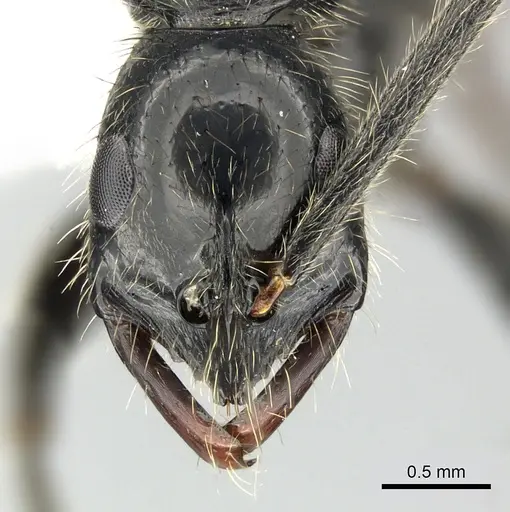
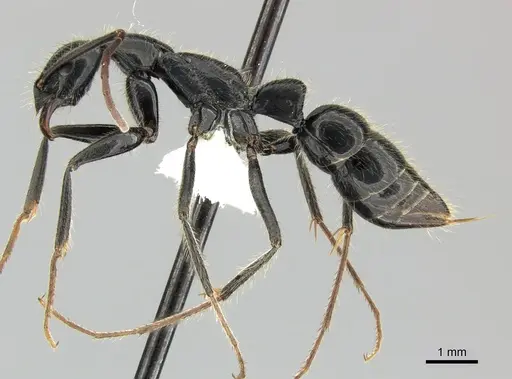
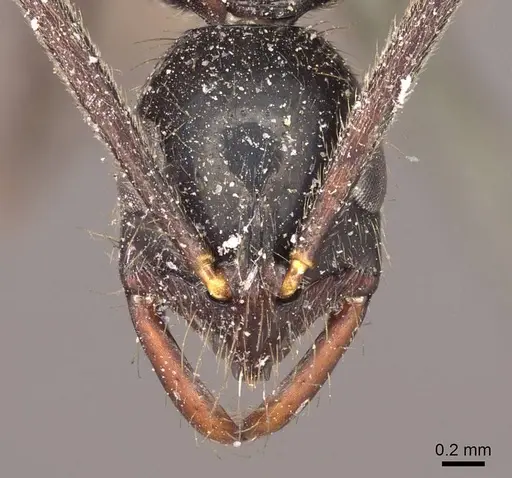
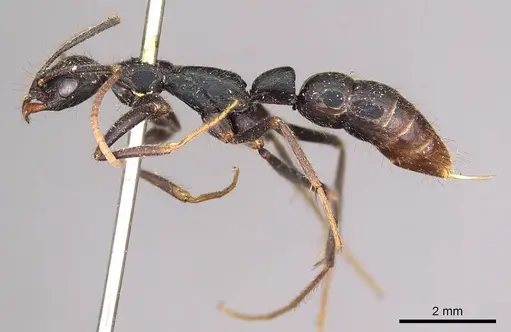
Leptogenys chinensis is a medium-sized ponerine ant native to South and Southeast Asia. Workers measure 8-10mm with a distinctive slender, elongated body featuring a slight bluish metallic sheen. The head is smooth and shiny, the propodeal declivity has transverse striations, and the petiolar node is characteristically longer than wide. Queens reach 8.5-9.5mm and are similarly elongated and hairy. This species belongs to the chinensis species group within the genus Leptogenys . This ant is a specialized termite predator that exhibits Megaponera-like raiding behavior - they organize group raids to hunt termite colonies. They forage both solitarily and through group recruitment, using specialized communication to coordinate attacks on termite nests. Their antennae are equipped with unique sensory structures that help them detect prey and navigate their environment .
Quick Summary
- Difficulty: Medium
- Origin & Habitat: Native to the Indomalaya region (India, Sri Lanka, Vietnam, Philippines, Singapore) and southern China. This species is a habitat specialist restricted to primary forest environments, it has been documented in 23 primary forest regions but is absent from secondary forest and rubber plantations [7]. Found from lowlands up to 1300m elevation in Nepal. They prefer agricultural ecosystems over urban areas [8][9].
- Colony Type: Colony structure is not directly documented in scientific literature. Based on typical Leptogenys patterns, they likely form single-queen colonies. The genus is known for nomadic nesting behavior where colonies frequently relocate [5].
- Size & Growth:
- Queen: 8.5-9.5mm [2]
- Worker: 8-10mm [2][1]
- Colony: Unknown, no colony size data available in research literature
- Growth: Unknown, growth rate has not been directly studied
- Development: Unknown, development timeline has not been documented for this species. (No direct development data exists for this species.)
- Antkeeping:
- Temperature: Based on their tropical and subtropical distribution across India, Southeast Asia, and southern China, keep them warm at 24-28°C. Room temperature (22-25°C) is likely suitable. Avoid temperatures below 20°C as they are adapted to warmer climates [10].
- Humidity: They require moderate to high humidity consistent with their forest floor habitat. Keep the nest substrate consistently moist but not waterlogged. Their epigeic (ground-dwelling) nature means they prefer damp conditions [11].
- Diapause: Unknown, no specific research on hibernation requirements. Given their tropical/subtropical distribution, they likely do not require a true diapause but may show reduced activity during cooler winter months in temperate collections [10].
- Nesting: In nature they are ground-nesting ants found in primary forest habitats. They frequently relocate their nests (nomadic behavior). In captivity, a naturalistic setup with moist soil or a Y-tong/plaster nest works well. Provide a spacious outworld for foraging since they actively hunt prey. Avoid dry, compact substrates.
- Behavior: Leptogenys chinensis is an aggressive predator specialized in hunting termites. They use group recruitment to coordinate raids on termite colonies, a behavior similar to the famous Megaponera ant. Workers forage both solitarily and in groups, communicating to recruit nestmates to prey locations. They possess a recruitment gland that helps coordinate group foraging [12][5]. They are active hunters and will readily attack prey items. Escape prevention is important, while not tiny, they are agile and can escape through small gaps. As a Ponerinae ant, they possess a functional stinger.
- Common Issues: specialized diet, they are termite specialists and may reject standard ant foods, you must provide live prey, nomadic behavior means they may abandon nests frequently, provide adequate foraging space, not found in urban areas in the wild, they struggle in highly urbanized habitats and may not thrive in cities, no colony size data means you won't know what to expect as they grow, prepare for unknown maximum sizes, they require warm, humid conditions year-round, dry or cool conditions will kill them
Housing and Nest Setup
Leptogenys chinensis requires a setup that accommodates their predatory lifestyle and nomadic tendencies. A naturalistic setup with moist soil substrate works well, they are ground-dwelling ants that prefer damp conditions. Alternatively, a Y-tong or plaster nest with a moist chamber provides the humidity they need. The key requirement is a spacious outworld where they can hunt and process prey. Since they frequently relocate their nests in the wild, they may benefit from multiple potential nesting sites within their enclosure. Ensure excellent escape prevention, while not tiny, they are agile and will find any gap. Use a tight-fitting lid and consider fluon barriers on smooth surfaces. [11][5][7]
Feeding and Diet
This species is a specialized termite predator, in the wild, they primarily hunt Odontotermes and Hypotermes termites [3][4]. They use Megaponera-like raiding behavior, coordinating group attacks on termite colonies. In captivity, you must provide live prey items. Termites are the ideal food, but they will likely accept other small insects including mealworms, fruit flies, and small crickets. They are not known to tend aphids or consume sugar sources, their diet is primarily predatory. Feed small prey items 2-3 times per week, adjusting based on colony size and activity. Remove uneaten prey after 24 hours to prevent mold. Do not rely on honey or sugar water, this is a strict predator.
Temperature and Seasonal Care
Keep Leptogenys chinensis warm at 24-28°C. Their distribution across tropical and subtropical Asia (India, Sri Lanka, Vietnam, Philippines, southern China) indicates they need consistently warm conditions. Room temperature in most homes (22-25°C) should be suitable, but monitor colony activity, if they become sluggish, slightly increase temperature. Avoid temperatures below 20°C. They show seasonal variation in activity, in studies, they were most abundant in summer (111 individuals) and autumn (63), with only 2 individuals found in winter [10]. This suggests they remain active year-round in warm conditions but reduce activity during cooler periods. No formal diapause is documented, but they may naturally slow down during winter months in captivity.
Foraging Behavior and Recruitment
This species uses sophisticated foraging strategies including both solitary hunting and group recruitment. They possess a recruitment gland that allows them to communicate with nestmates and coordinate group raids on termite colonies [12]. A single scout locates a termite nest, then returns to recruit workers who form raiding parties. This is similar to the famous Megaponera (formerly Termitopone) behavior. In captivity, you may observe this recruitment behavior when introducing new prey, workers may communicate and form groups to tackle larger prey items. They also use stridulatory sounds as part of their communication system [13][14]. Provide enough space for this group behavior to occur naturally.
Distribution and Habitat Preferences
Leptogenys chinensis has a wide distribution across South and Southeast Asia: India, Sri Lanka, Vietnam, Philippines, Singapore, Nepal, southern China (Yunnan, Guangxi, Fujian, Taiwan), and Macau [15][16][17]. Critically, they are habitat specialists restricted to primary forest, studies show they occupy 23 primary forest regions but are absent from secondary forest and rubber plantations [7]. They are found in agricultural ecosystems but never in urban areas [8][9]. This means they are not suitable for keepers in highly urbanized environments. If keeping this species, try to replicate natural forest floor conditions with appropriate leaf litter, moisture, and prey availability.
Morphology and Identification
Workers measure 8-10mm and have a distinctive elongated, slender body. The head is smooth and shiny without punctures, the propodeal declivity has transverse striations, and the petiolar node is longer than wide (about 1.3 times as long as broad in dorsal view) [1]. They have a slight bluish metallic sheen on their dark body [2]. Their antennae are relatively long, with the flagellum comprising most of this length [6]. Queens are similar but larger at 8.5-9.5mm, with a more elongated body and longer wings. Males are smaller at around 7mm. The clypeus is truncated at the anterior margin, which helps distinguish this species from related Leptogenys [1][18].
Frequently Asked Questions
Can I keep Leptogenys chinensis in a test tube?
A test tube is not ideal for this species. They are ground-dwelling predators that need space to hunt and are known for nomadic behavior (frequently moving nests). A naturalistic setup with moist soil or a Y-tong/plaster nest works much better. They also need a spacious outworld for foraging and prey processing.
What do Leptogenys chinensis eat?
They are specialized termite predators. In captivity, provide live termites, small crickets, mealworms, or fruit flies. They are not known to accept sugar sources or honey, this is a strict predator that hunts live prey.
How long until first workers in Leptogenys chinensis?
The egg-to-worker timeline is not documented in scientific literature. No specific data exists for this species.
Are Leptogenys chinensis good for beginners?
No, this species is rated as Medium difficulty and is not recommended for beginners. They have specialized dietary requirements (live termite prey), need warm humid conditions, are habitat specialists that don't thrive in urban settings, and their colony development is not well understood. They also frequently relocate their nests.
Do Leptogenys chinensis need hibernation?
No true hibernation is documented or likely. Given their tropical/subtropical distribution across India and Southeast Asia, they do not require a cold period. However, they show reduced activity in winter (only 2 individuals found in one study versus 111 in summer) [10]. Simply reduce feeding and expect slightly reduced activity during cooler months without a formal diapause.
Can I keep multiple queens together in Leptogenys chinensis?
This has not been studied. The colony structure (monogyne vs polygyne) is unconfirmed for this species. Based on typical Leptogenys patterns, they likely form single-queen colonies. Combining unrelated queens is not recommended without specific evidence they can coexist.
Why are my Leptogenys chinensis dying?
Common causes include: 1) Lack of live prey, they are obligate predators and will starve without appropriate prey,2) Too dry or cool conditions, they need warm, humid forest-floor conditions,3) Urban environment, they are primary forest specialists and struggle in cities,4) Wrong substrate, they need moist, not dry conditions. Check that you are providing live prey and appropriate temperature/humidity.
How big do Leptogenys chinensis colonies get?
The maximum colony size is unknown, no scientific data exists on colony size for this species.
When do Leptogenys chinensis have nuptial flights?
The timing of nuptial flights is not documented in scientific literature.
What makes Leptogenys chinensis different from other ants?
They are specialized termite hunters that use group raiding behavior similar to Megaponera. They are one of the few ants that actively coordinate group attacks on termite colonies. They also have nomadic nesting behavior, frequently relocating their nests. Their antennae have unique sensory structures that help them detect prey and navigate [6].
Report an Issue
The current care sheet is based fully on literature. See inconsistencies, or something that's incorrect? Please , it will be resolved after review from an admin. Contributing to the blogs tab also helps providing information, to make us be able to further improve the caresheets. Thank you for your support!
References

This caresheet is licensed under CC BY-SA 4.0 .
Community Blogs
CASENT0270544
View on AntWeb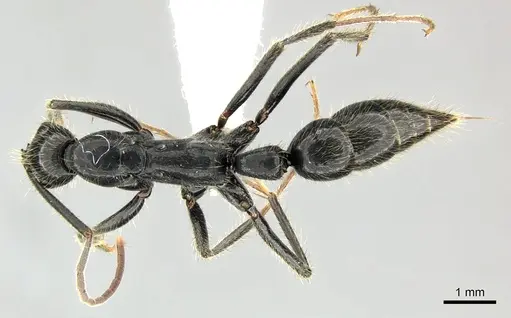
CASENT0915873
View on AntWeb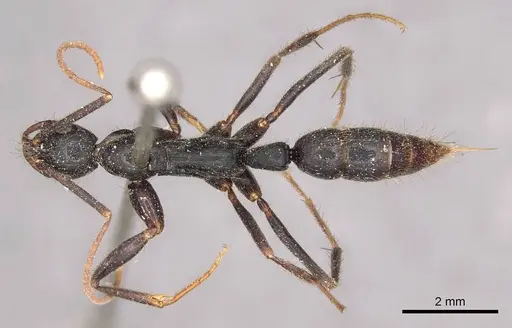
Literature
Loading distribution map...Loading products...