
Leptogenys camerunensis
- Sci. Name
- Leptogenys camerunensis
- Tribe
- Ponerini
- Subfamily
- Ponerinae
- Author
- Stitz, 1910
- Distribution
- Found in 4 countries
Introduction
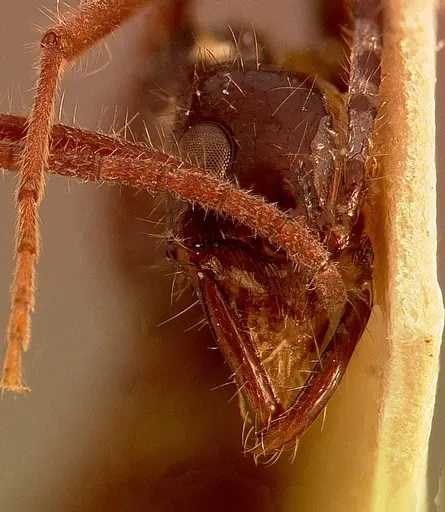
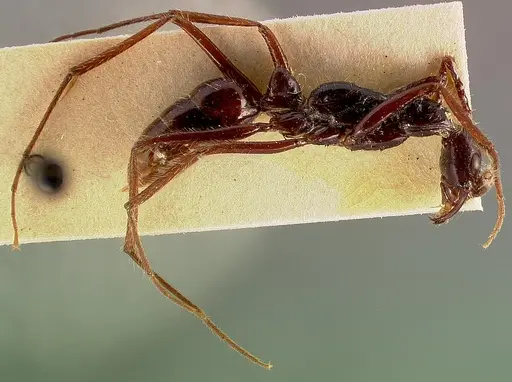
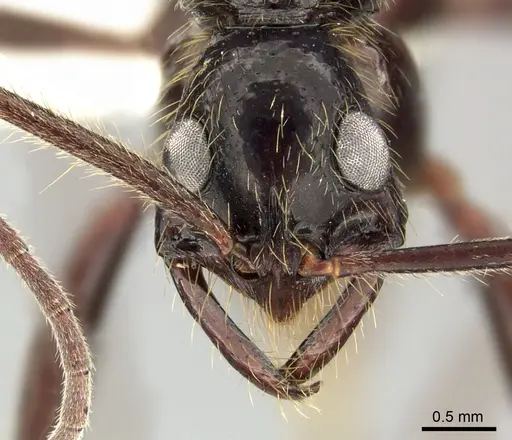
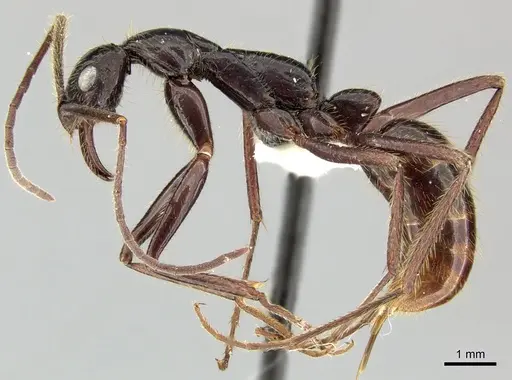
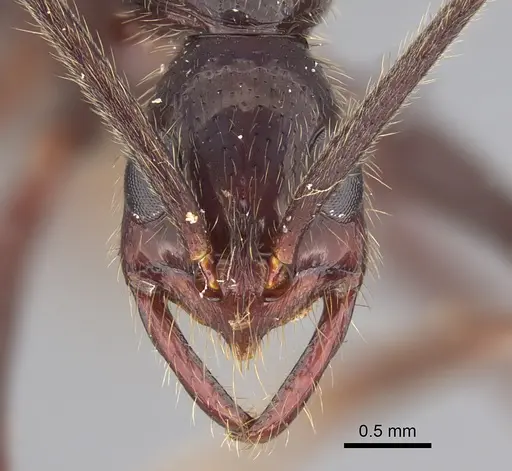
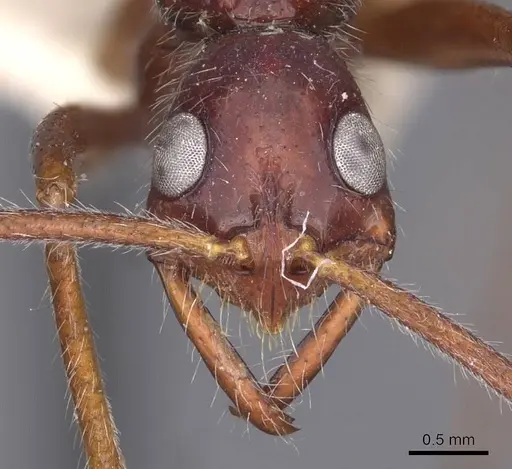
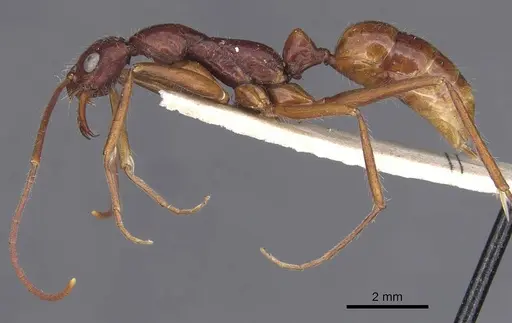
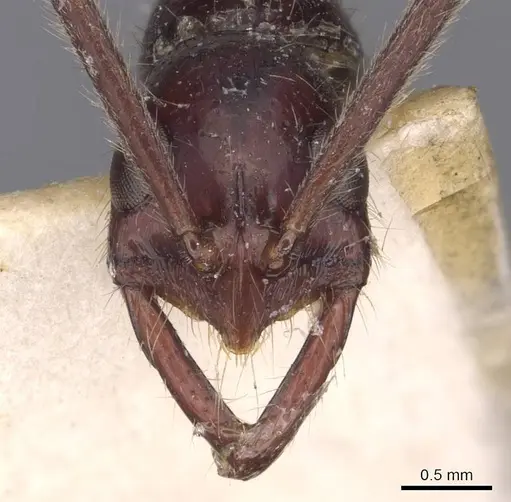
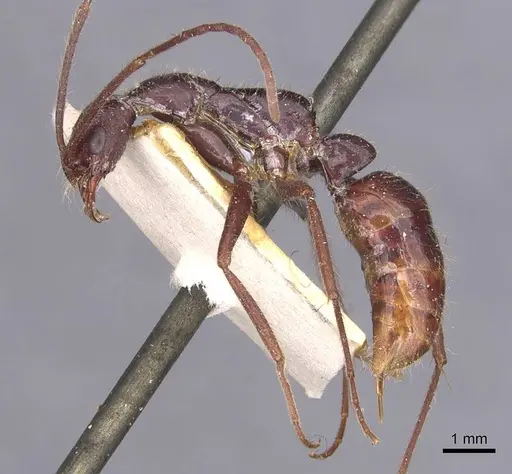
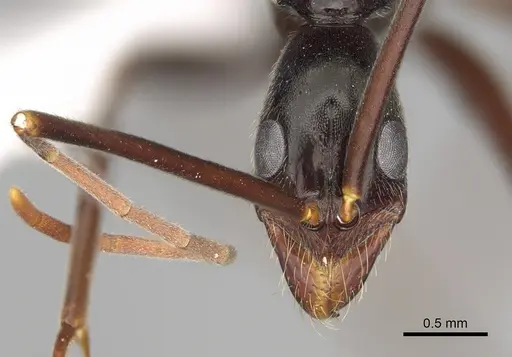
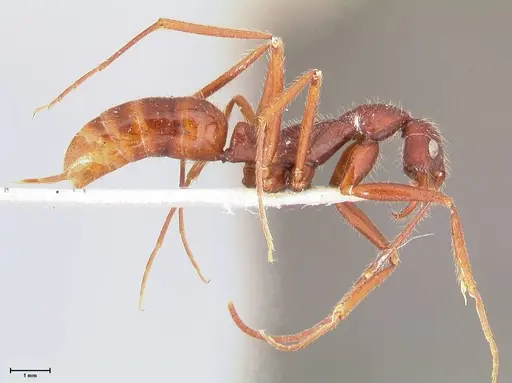
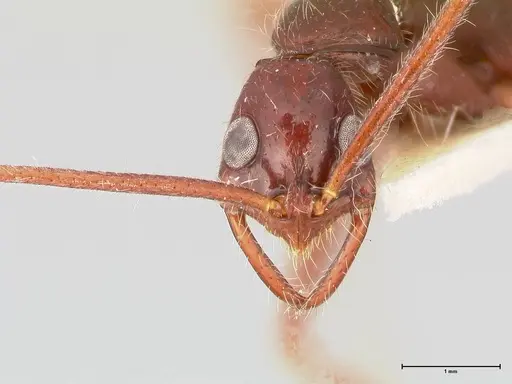
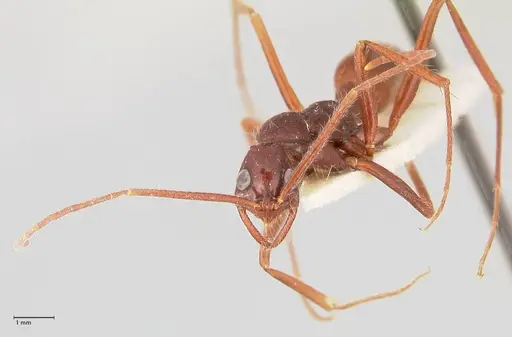
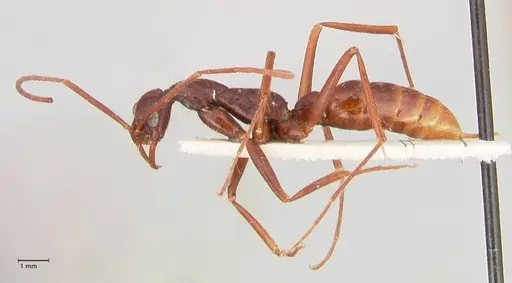
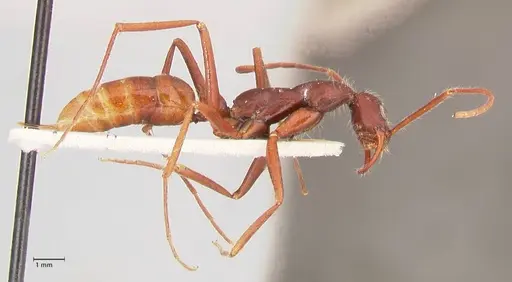
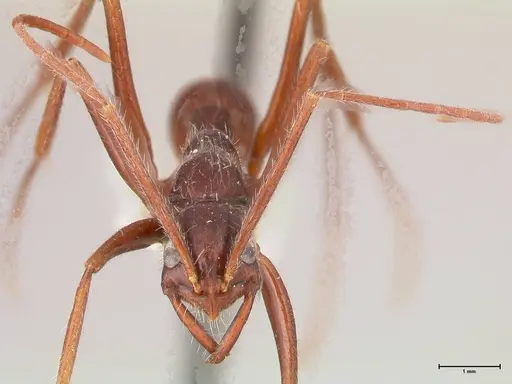
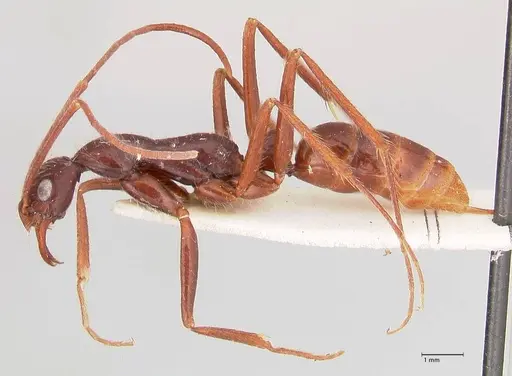
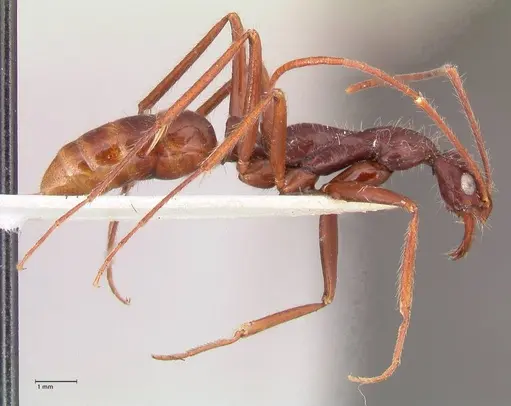
Leptogenys camerunensis is a medium-sized predatory ant native to Central Africa, found in Cameroon and the Democratic Republic of Congo. Workers measure approximately 10mm in total length with a distinctive elongated body characteristic of the Leptogenys genus. The body is smooth and shiny with a cherry-brown to light brown coloration - the head and thorax are darker cherry-brown while the abdomen and legs are lighter brown. The antennae and legs are light brown, and the abdominal segment margins and sting tip are light yellow-brown. This species was originally described by Stitz in 1910 and was later revived as a valid species by Bolton in 1975 after being considered a subspecies of L. stuhlmanni . As a member of the Ponerinae subfamily, these ants are active predators that hunt small invertebrates. Research shows they employ both solitary foraging and group recruitment strategies, with isopods being a documented prey item . They inhabit lowland tropical areas around 110m elevation in Gabon .
Quick Summary
- Difficulty: Medium
- Origin & Habitat: Central Africa, Cameroon and Democratic Republic of Congo. Found in lowland tropical areas at approximately 110m elevation in Gabon [4][2].
- Colony Type: Colony structure is not documented in scientific literature. Based on typical Leptogenys genus patterns, likely single-queen colonies.
- Size & Growth:
- Queen: Size data unavailable, queen measurements have not been documented
- Worker: 10mm total length [1]
- Colony: Unknown, no colony size data available
- Growth: Unknown, no development timing data available
- Development: Unknown, development timeline has not been directly studied for this species (Estimates based on genus-level patterns for Ponerine ants are unreliable. Observe your colony for actual development timing.)
- Antkeeping:
- Temperature: Keep warm, around 24-28°C. As a tropical lowland species from Central Africa, they require warm and stable temperatures [4]. A heating cable on one side of the nest can create the necessary gradient.
- Humidity: High humidity required, think tropical rainforest conditions. Keep the nest substrate consistently moist but not waterlogged. Provide a water tube for drinking water.
- Diapause: No diapause required, being a tropical species, they do not need a hibernation period. Maintain warm temperatures year-round [4].
- Nesting: In the wild, they likely nest in soil or rotting wood in shaded forest areas. In captivity, a Y-tong (AAC) nest or plaster formicarium works well. Keep nesting area dark and humid with some drier areas available for the ants to regulate their own conditions.
- Behavior: These ants are active predators with documented group recruitment behavior, they can hunt individually or coordinate in small groups to take down prey [3]. They possess a functional sting as members of the Ponerinae subfamily. Workers are medium-sized at 10mm, making them relatively easy to contain, though escape prevention should still be taken seriously. They are likely nocturnal or crepuscular foragers in nature.
- Common Issues: tropical species requires warm temperatures year-round, cold drafts can be fatal, predatory diet means they need live prey, cannot survive on sugar water alone, high humidity needs can lead to mold if ventilation is poor, wild-caught colonies may have parasites that cause problems in captivity, colony growth rate is unknown so patience is required during founding
Housing and Nest Preferences
Leptogenys camerunensis is a tropical species that thrives in warm, humid conditions. In captivity, they do well in a Y-tong (AAC) nest or a plaster formicarium that can hold moisture. The nesting area should be kept dark and humid, with the substrate or cotton kept consistently moist but never waterlogged. Because they are predatory ants that hunt in groups, they need enough space to move between the nest and foraging area. A test tube setup can work for founding colonies, but be prepared to move them to a larger setup as the colony grows. Ensure the outworld (foraging area) is separate from the nest area with proper barriers to prevent escapes during feeding times. [4][3]
Feeding and Diet
As a predatory ant species, Leptogenys camerunensis requires a protein-based diet consisting of live small invertebrates. Research documents isopods as a natural prey item [3], so small isopods, springtails, and other tiny arthropods make ideal food. They employ both solitary foraging and group recruitment strategies, meaning they can take down prey larger than individual workers. In captivity, offer small live prey items such as fruit flies, pinhead crickets, small worms, and isopods. Unlike some ant species, they are not primarily sugar-seekers, though they may occasionally accept honey or sugar water. Feed them small prey items 2-3 times per week, removing any uneaten prey after 24 hours to prevent mold.
Temperature and Seasonal Care
This is a tropical lowland species from Central Africa, so they require warm temperatures year-round. Maintain the nest area at 24-28°C consistently. A heating cable placed on top of the nest (never underneath to avoid drying out the substrate) can help maintain optimal temperatures, especially in cooler rooms. Unlike temperate species, they do not require a diapause or hibernation period. Cold temperatures can be fatal, so keep them away from air conditioning vents, windows, and drafty areas. Room temperature within the 24-28°C range is acceptable without additional heating in most homes. Monitor colony activity, if workers seem sluggish, the temperature may be too low. [4]
Behavior and Foraging
Leptogenys camerunensis is an active predator with interesting foraging behaviors. They use both solitary hunting and group recruitment strategies, meaning workers can hunt alone or coordinate with nestmates to tackle larger prey [3]. This makes them fascinating to watch during feeding times. Workers are medium-sized at 10mm, making them relatively easy to contain compared to tiny ants, but they are still capable climbers and will explore any gaps in their enclosure. They possess a functional sting as members of the Ponerinae subfamily, though they are not particularly aggressive toward keepers. They are likely nocturnal or crepuscular in the wild, so activity levels may be higher during evening hours.
Colony Establishment and Growth
The colony structure and founding behavior of Leptogenys camerunensis has not been directly documented in scientific literature. Colony growth rate is unknown. Be patient with founding colonies, disturbing the queen during the founding phase can cause her to abandon or eat the brood. Once established, monitor your specific colony's growth rate as general estimates for this species are not available.
Frequently Asked Questions
How long does it take for Leptogenys camerunensis to get their first workers?
The exact development timeline has not been documented for this species. Monitor your colony for actual development timing, estimates based on related species are unreliable for this unstudied species.
What do Leptogenys camerunensis ants eat?
They are predatory ants that require live protein prey. Documented natural prey includes isopods [3]. In captivity, feed small live prey like fruit flies, springtails, small crickets, and isopods. They are not primarily sugar-feeding ants, though they may occasionally accept honey or sugar water.
What temperature do Leptogenys camerunensis need?
Keep them warm at 24-28°C year-round. This tropical species does not tolerate cold temperatures. A heating cable on the nest can help maintain warmth, especially in cooler environments.
Do Leptogenys camerunensis need hibernation?
No, they do not require hibernation or diapause. Being a tropical African species, they need warm temperatures maintained year-round. Cold temperatures can be harmful or fatal.
Are Leptogenys camerunensis good for beginners?
This species is rated as Medium difficulty. While not the easiest species for beginners, they are more forgiving than some exotic ants. The main challenges are their need for warm temperatures year-round and their requirement for live prey. If you can provide these conditions and have experience with predatory ant species, they can be rewarding to keep.
How big do Leptogenys camerunensis colonies get?
The maximum colony size has not been documented in scientific literature. Growth is expected to be moderate but actual colony size data is unavailable for this species.
Can I keep multiple Leptogenys camerunensis queens together?
The colony structure of this species has not been studied. Based on typical Leptogenys patterns, they likely form single-queen colonies. Combining unrelated queens is not recommended as it has not been documented for this species.
What humidity level do Leptogenys camerunensis need?
They require high humidity, think tropical rainforest conditions. Keep the nest substrate consistently moist but not waterlogged. The nesting area should be humid with some condensation visible. Poor humidity can cause brood death.
When should I move Leptogenys camerunensis to a formicarium?
Keep them in a test tube setup for the founding stage. Once the colony reaches 15-20 workers and the test tube becomes crowded or the water reservoir is depleted, consider moving them to a proper formicarium like a Y-tong or plaster nest that can maintain humidity.
Report an Issue
The current care sheet is based fully on literature. See inconsistencies, or something that's incorrect? Please , it will be resolved after review from an admin. Contributing to the blogs tab also helps providing information, to make us be able to further improve the caresheets. Thank you for your support!
References

This caresheet is licensed under CC BY-SA 4.0 .
Community Blogs
CASENT0003147
View on AntWeb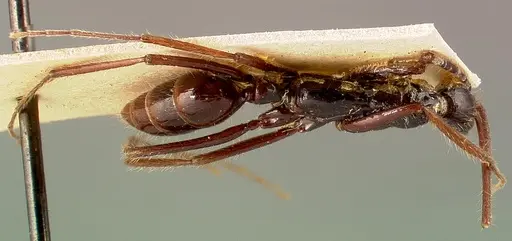
CASENT0270543
View on AntWeb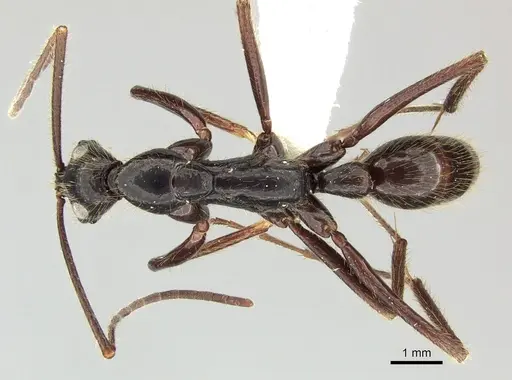
CASENT0352352
View on AntWeb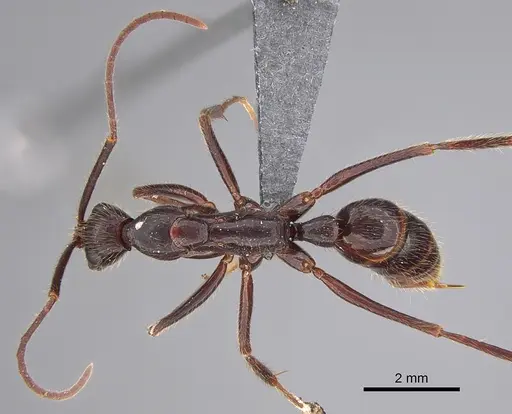
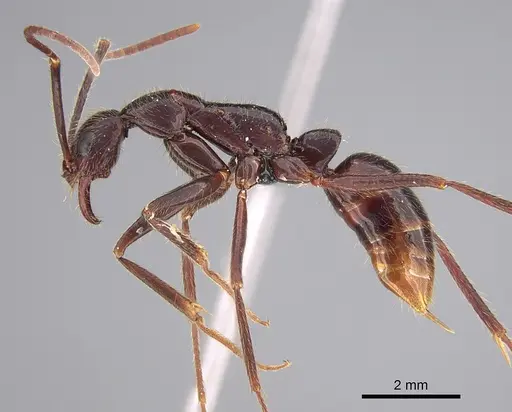
CASENT0882087
View on AntWeb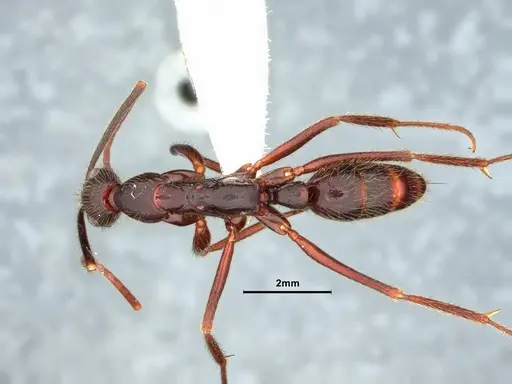
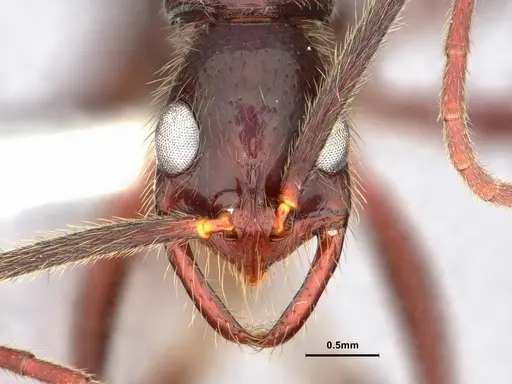
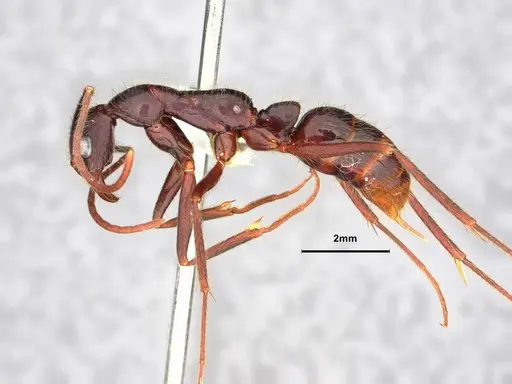
CASENT0907338
View on AntWeb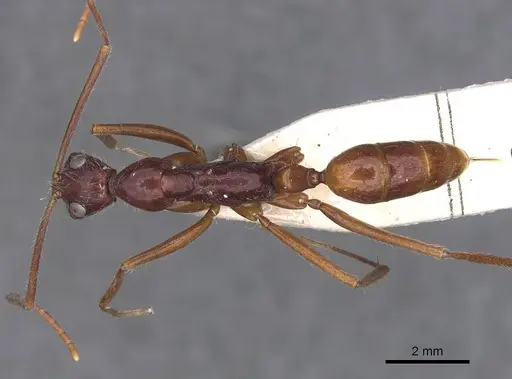
CASENT0907339
View on AntWeb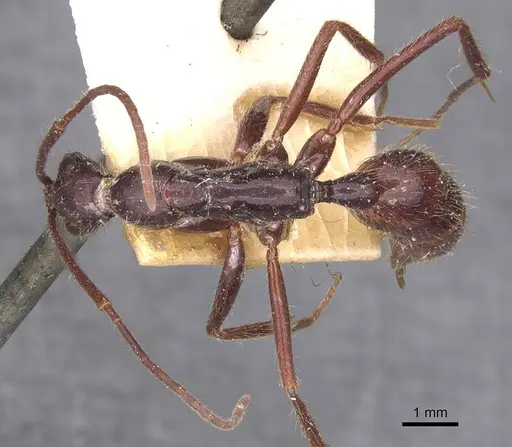
CASENT0923340
View on AntWeb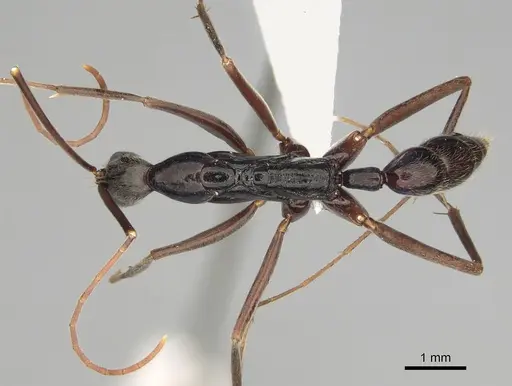
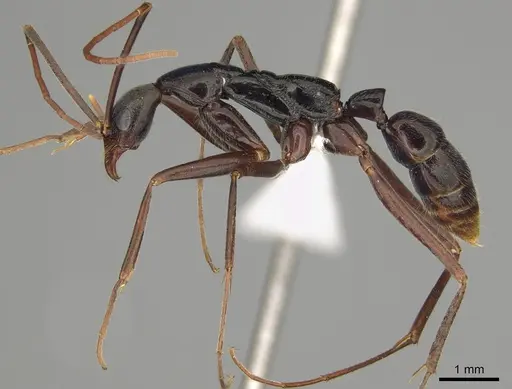
FOCOL1022
View on AntWeb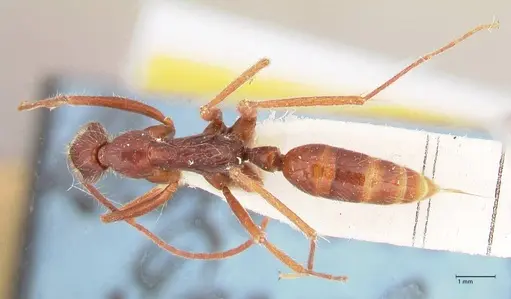
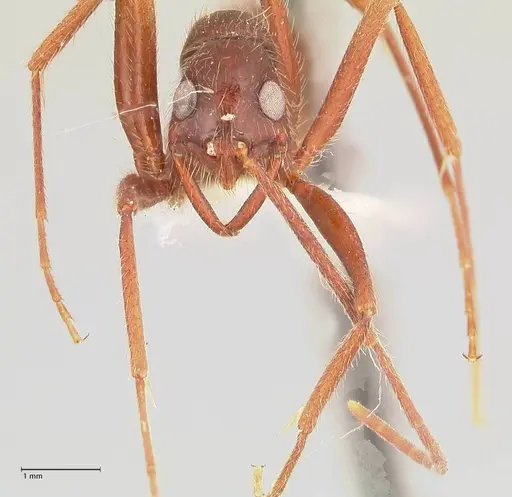
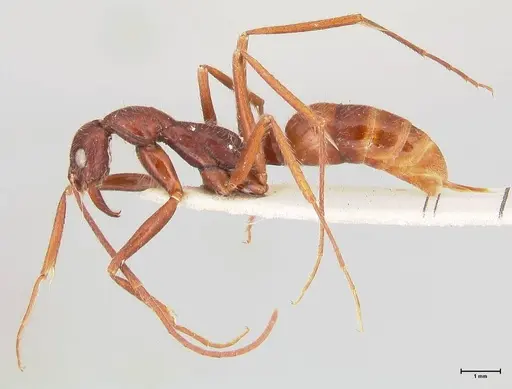
FOCOL1023
View on AntWeb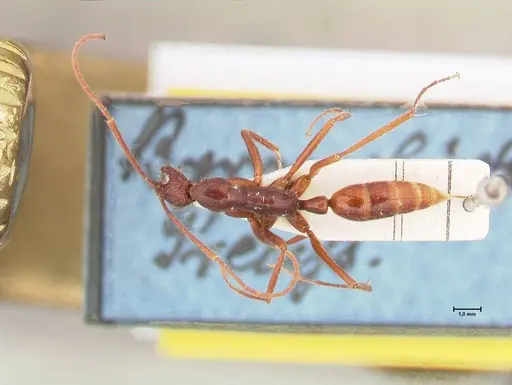
FOCOL1024
View on AntWeb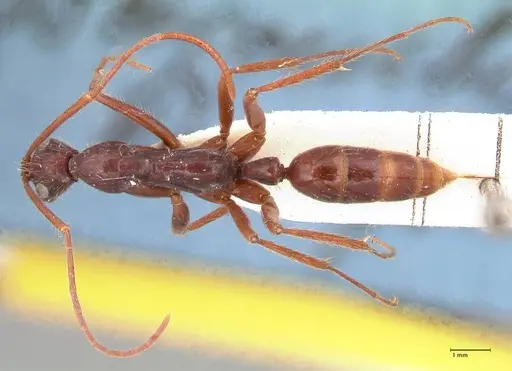
Literature
Loading distribution map...Loading products...