
Leptogenys barimaso
- Sci. Name
- Leptogenys barimaso
- Tribe
- Ponerini
- Subfamily
- Ponerinae
- Author
- Rakotonirina & Fisher, 2014
- Distribution
- Found in 1 countries
Introduction
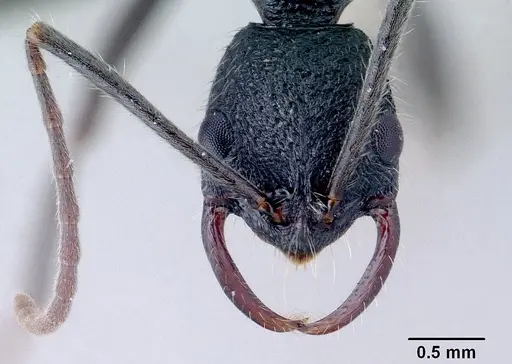
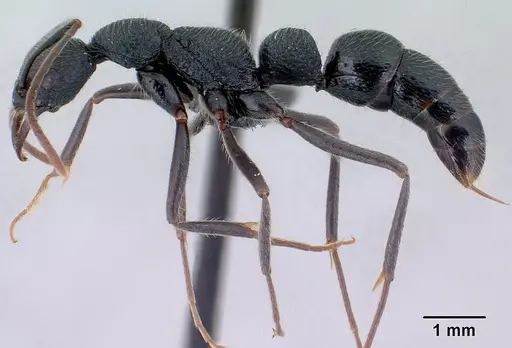
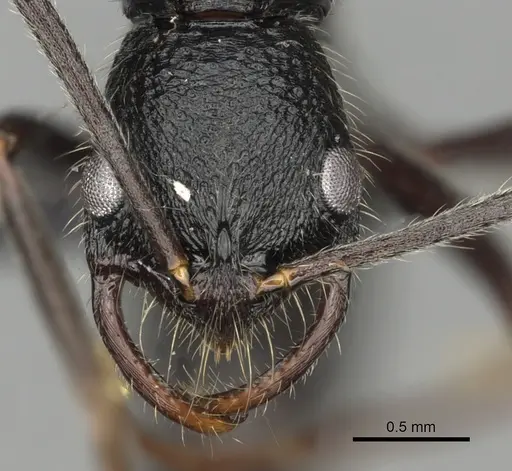
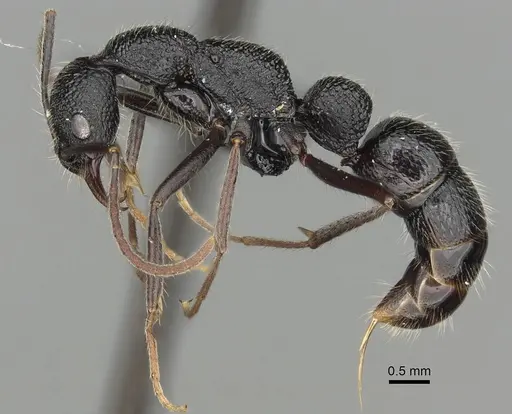
Leptogenys barimaso is a small predatory ant native to northeastern Madagascar. Workers have a distinctive appearance with very long antennae that extend well beyond the back of the head, large eyes that break the side outline of the head, and long standing hairs on the head and body . Their color ranges from black to reddish-brown with darker brown to lighter appendages . This species belongs to the imerinensis species complex within the genus Leptogenys. They inhabit littoral and humid forests in northeast Madagascar, including disturbed and fragmented forest areas, where they hunt prey on the ground, in leaf litter, and on lower vegetation .
Quick Summary
- Difficulty: Medium
- Origin & Habitat: Northeastern Madagascar. Found in natural littoral and humid forests as well as disturbed and fragmented forest habitats. Nests in rotten logs and occasionally in rotten branches on the forest floor [1][2].
- Colony Type: Colony structure is unconfirmed.
- Size & Growth:
- Queen: Unconfirmed, no documented queen measurements available
- Worker: Approximately 6-8 mm total length, inferred from Leptogenys genus patterns
- Colony: Unconfirmed, no colony size data available
- Growth: Moderate, inferred from typical Ponerine development patterns
- Development: Unconfirmed, no specific development data available for this species (Direct development data unavailable for this species.)
- Antkeeping:
- Temperature: Keep around 22-26°C. Provide a gentle gradient allowing workers to self-regulate. Room temperature within this range is suitable [1].
- Humidity: Moderate to high, they inhabit humid forests in Madagascar. Keep nest substrate moist but not waterlogged. Provide a water tube for drinking water.
- Diapause: No true hibernation required, this species comes from tropical Madagascar with mild year-round temperatures. A slight reduction in temperature during winter months may be appropriate.
- Nesting: Natural nesting occurs in rotten logs and branches on the forest floor. In captivity, a naturalistic setup with moist substrate (like a dirt-filled formicarium or Y-tong with soil) works well. Provide decaying wood pieces or cork bark as nesting material. They prefer dark, humid nest chambers.
- Behavior: Leptogenys barimaso is a predatory ant that hunts arthropods on the ground and in vegetation. Workers are active foragers that search for prey individually. They have good vision and likely use visual cues to locate prey. Workers can deliver a sting if threatened, being a Ponerine ant, their sting is functional and can cause noticeable discomfort. Escape risk is moderate, they are active foragers, so secure lids and barrier gel are recommended. They are not aggressive toward humans but will defend their nest.
- Common Issues: lack of documented care information makes reliable husbandry challenging, predatory diet requires live prey, failure to provide appropriate food leads to colony decline, humidity control is critical, too dry causes desiccation, too wet promotes mold, slow colony growth compared to common ants may frustrate beginners, wild-caught colonies may have parasites or be stressed from collection
Natural History and Distribution
Leptogenys barimaso is endemic to northeastern Madagascar, where it occupies a relatively limited range in the island's humid coastal forests [1]. This species has been found in both pristine natural habitats including littoral (coastal) forests and humid inland forests, as well as in disturbed and fragmented forest areas [1]. This adaptability to human-modified landscapes is notable and suggests some resilience to habitat change. In their natural environment, these ants are ground-dwelling predators that hunt in leaf litter and on low vegetation, searching for small arthropod prey. Their nests are typically located in rotting wood, mainly fallen logs and occasionally in rotten branches resting on the forest floor [1]. The combination of long antennae and large, protruding eyes suggests they rely significantly on visual cues to locate prey, which is common among active hunting ants in the Ponerinae subfamily.
Housing and Nest Setup
Because Leptogenys barimaso naturally nests in rotting wood on the forest floor, a naturalistic setup works best. Use a formicarium filled with moist soil or a Y-tong style nest with soil substrate. Add pieces of cork bark, rotting wood, or leaf litter to provide natural nesting material and cover. These ants prefer dark, humid conditions and will nest in the moist substrate areas. A water tube should always be available for drinking water, as with all ants. Since they are active foragers, provide an outworld area where they can hunt and explore. For escape prevention, use standard barrier methods, while not tiny ants, they are active and can climb smooth surfaces. Ensure the nest has adequate ventilation while maintaining humidity to prevent mold buildup. [1]
Feeding and Diet
Leptogenys barimaso is a predatory ant that hunts small arthropods. In captivity, offer live prey such as small crickets, fruit flies, mealworms, and other small insects. They are likely obligate predators that require protein-rich prey to raise brood, sugar sources may be less important than for omnivorous ants. Feed prey items appropriate to the colony size, small colonies need tiny prey items while established colonies can take larger prey. Remove uneaten prey after 24-48 hours to prevent mold. The frequency of feeding depends on colony size, a growing colony with brood needs prey more often, while established colonies can be fed every few days. Always provide a water source. [1]
Temperature and Seasonal Care
Maintain temperatures in the 22-26°C range, which aligns with Madagascar's warm humid forest climate. A temperature gradient allows workers to self-regulate by moving between warmer and cooler areas. Room temperature in most homes falls within this range during summer, but you may need a heating cable or mat in cooler climates. Place any heating on top of the nest, not underneath, to avoid drying out the substrate. Regarding winter care, Leptogenys barimaso comes from a tropical climate without harsh winters. A slight reduction in temperature during winter months may be appropriate, but true hibernation is likely not required. Monitor colony activity, if workers become less active in winter, reduce feeding and heating slightly. [1]
Behavior and Temperament
These ants are active hunters that forage individually on the ground and in vegetation. Workers have relatively good vision compared to many ants, which helps them locate prey. When threatened, they can deliver a sting, being members of the Ponerinae subfamily, they possess a functional stinger that can cause noticeable discomfort. They are not particularly aggressive toward humans but will defend their nest if disturbed. Colonies are likely moderate in size based on typical Ponerine patterns. Workers are small but relatively slender. The colony will grow over time as the queen produces new workers. This species is not well-studied in captivity, so observing your colony's behavior will contribute to our understanding of their husbandry needs. [1]
Frequently Asked Questions
How long does it take for Leptogenys barimaso to produce first workers?
The exact timeline is unconfirmed for this species. Based on related Ponerine ants, development from egg to worker likely takes several months at optimal temperature (22-26°C). Growth is typically moderate.
What do Leptogenys barimaso ants eat?
They are predatory ants that hunt small arthropods. Feed live prey such as small crickets, fruit flies, mealworms, and other small insects. They likely require protein-rich prey to raise brood and may not rely heavily on sugar sources. Remove uneaten prey after a day or two.
Can I keep Leptogenys barimaso in a test tube setup?
A test tube can work for a founding queen or small colony, but a naturalistic setup with soil substrate and rotting wood pieces is more appropriate long-term. These ants naturally nest in decaying wood on the forest floor, so a dirt-filled formicarium or Y-tong with soil and wood material better matches their natural preferences.
Are Leptogenys barimaso good for beginners?
This species is rated as medium difficulty. While not the most challenging ant to keep, there is limited documented care information available, which can make husbandry more challenging. They require a predatory diet of live prey and specific humidity conditions. Beginners may want to start with more commonly kept species before attempting Leptogenys.
What temperature do Leptogenys barimaso need?
Keep them at 22-26°C. This range matches their native Madagascar habitat. A temperature gradient is ideal, allowing workers to move between warmer and cooler areas as needed. Room temperature in most homes is suitable during warmer months.
How big do Leptogenys barimaso colonies get?
Colony size data is not available for this species. Based on typical Ponerine patterns, colonies likely reach several hundred workers over time. Growth is expected to be moderate.
Do Leptogenys barimaso need hibernation?
True hibernation is not required. They come from tropical Madagascar with mild year-round temperatures. A slight reduction in temperature during winter months may be appropriate, but monitor colony activity. If workers remain active, maintain normal care.
Where is Leptogenys barimaso found in the wild?
This species is endemic to northeastern Madagascar, where it lives in littoral and humid forests, including disturbed and fragmented forest areas. Nests are found in rotting logs and branches on the forest floor.
Report an Issue
The current care sheet is based fully on literature. See inconsistencies, or something that's incorrect? Please , it will be resolved after review from an admin. Contributing to the blogs tab also helps providing information, to make us be able to further improve the caresheets. Thank you for your support!
References

This caresheet is licensed under CC BY-SA 4.0 .
Community Blogs
CASENT0053712
View on AntWeb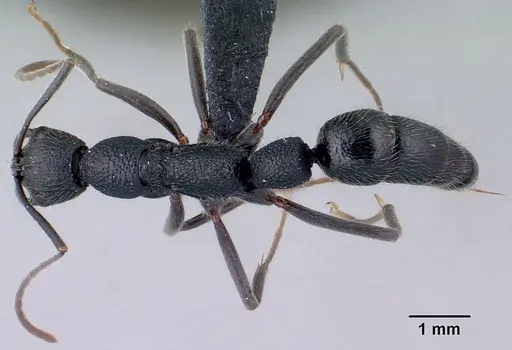
CASENT0496058
View on AntWeb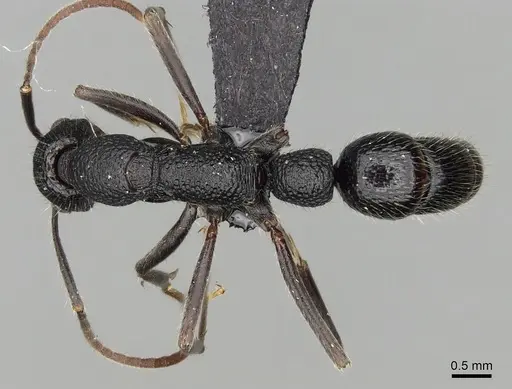
Literature
Loading distribution map...Loading products...