
Blue Razorjaw Ant
Leptogenys attenuata
- Sci. Name
- Leptogenys attenuata
- Tribe
- Ponerini
- Subfamily
- Ponerinae
- Author
- Smith, 1858
- Common Name
- Blue Razorjaw Ant
- Distribution
- Found in 1 countries
Introduction
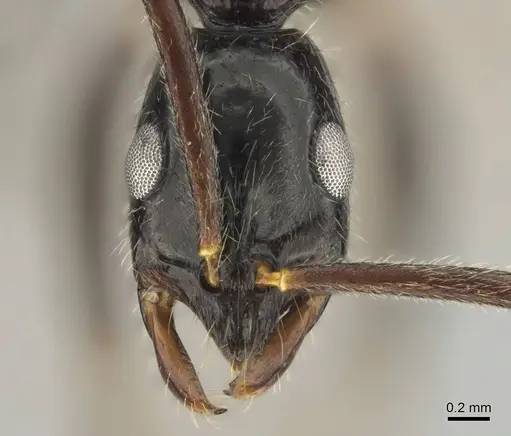
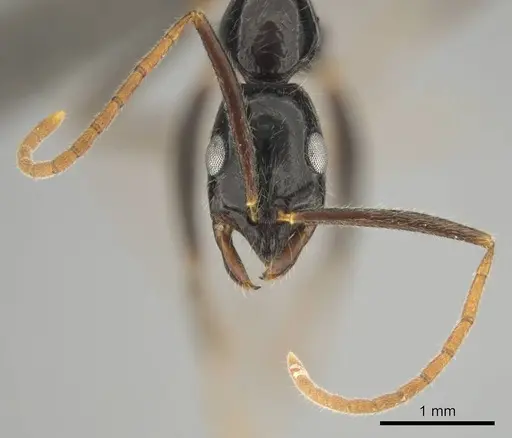
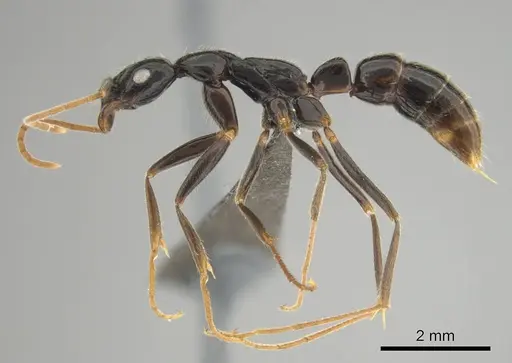
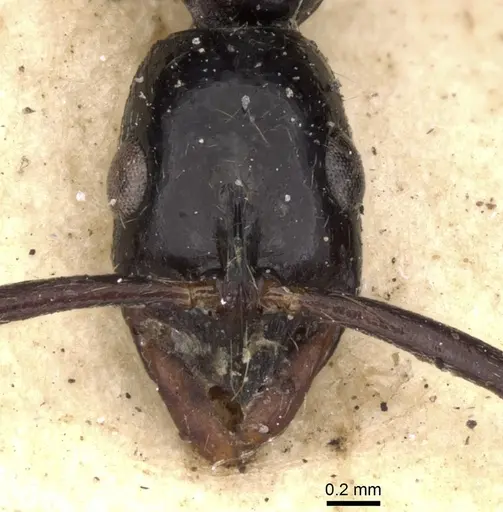
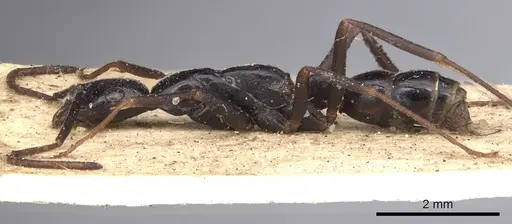
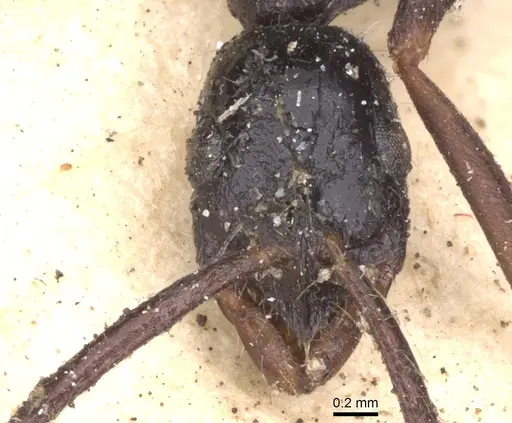
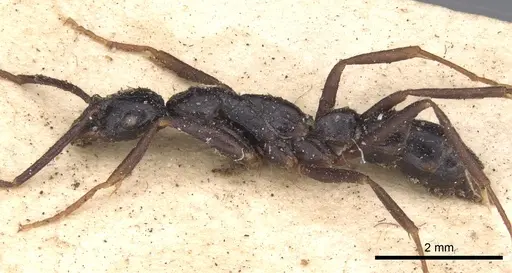
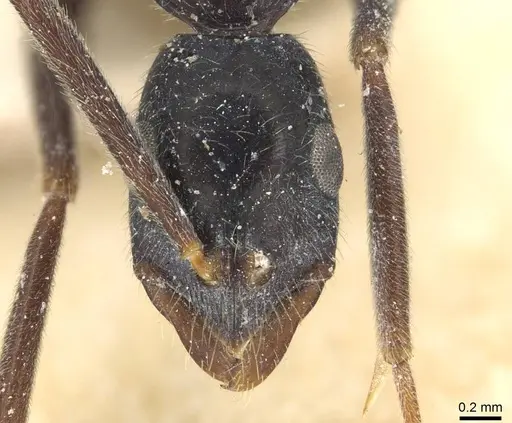
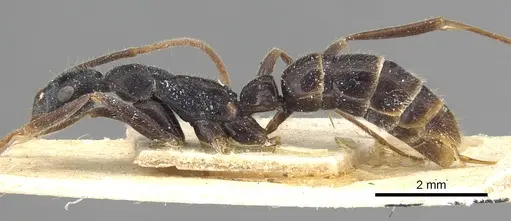
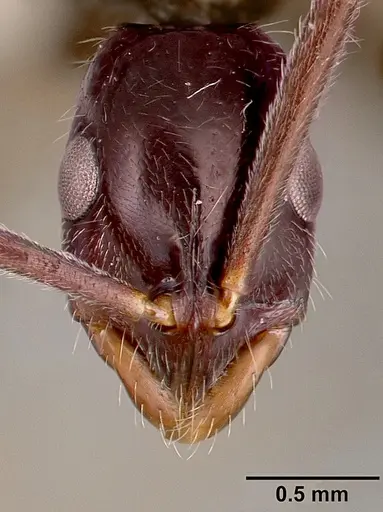
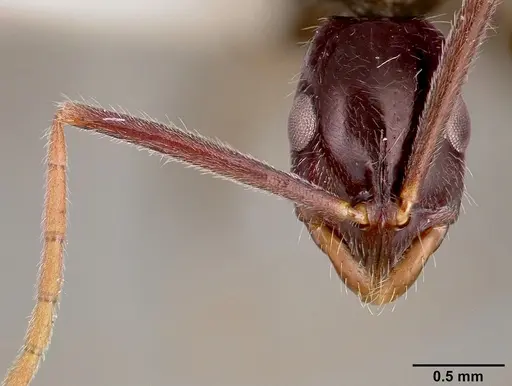
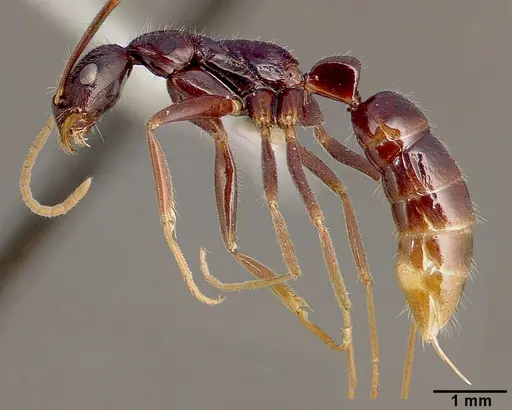
Leptogenys attenuata is a small to medium-sized ant originally described from South Africa. Workers measure approximately 6-7mm (3 lines) with an elongated mesosoma and large eyes characteristic of the genus . The species has undergone significant taxonomic reclassification, previously placed in Ponera and Lobopelta before being moved to Leptogenys, though some modern sources associate it with Tetraponera. This ant inhabits coastal and valley forests, nesting in hollow branches and soil cavities . The genus Leptogenys is known for predatory behavior, with workers hunting cooperatively and some species exhibiting nomadic colony movement patterns .
Quick Summary
- Difficulty: Medium
- Origin & Habitat: Originally described from South Africa (Cape of Good Hope), with additional records in Zimbabwe [4]. However, many research records under this name actually refer to Tetraponera species across tropical Asia (Thailand, Vietnam, Laos, India, Sri Lanka, China, Indonesia). This taxonomic confusion makes the true natural range uncertain. In general, Leptogenys species inhabit forested areas, with this species associated with coastal and valley forest habitats [2].
- Colony Type: Colony structure is not fully documented for this specific species. Related Leptogenys species typically have single queens (monogyne), though some can form multi-queen colonies. Queens are wingless (ergatomorphic), which is unusual and suggests colony foundation may differ from typical claustral species [2].
- Size & Growth:
- Queen: Approximately 6-7mm, inferred from worker size [1]. Queens are wingless with three ocelli, larger gasters than workers, and shorter but taller petioles in profile [2].
- Worker: Approximately 6-7mm (3 lines) [1].
- Colony: Up to several hundred workers, estimated from related species.
- Growth: Unknown, no development timing data available for this species.
- Development: Unknown, development timeline has not been documented for this species. (Based on typical Leptogenys patterns, expect several weeks from egg to worker at warm temperatures, but this is an estimate.)
- Antkeeping:
- Temperature: Keep at room temperature, roughly 22-26°C. This species is found in warmer climates and will do best with mild heating if your room is cool. A heating cable on one side of the nest can create a gradient.
- Humidity: Moderate to high humidity. In nature, they inhabit coastal and valley forests with access to moisture. Keep the nest substrate consistently damp but not waterlogged, with some drier areas available.
- Diapause: Unknown for this species. Many South African ants undergo seasonal dormancy, but specific diapause requirements for L. attenuata have not been documented.
- Nesting: In nature, they nest in hollow branches and holes in soil [2]. For captivity, a naturalistic setup with nesting material that retains moisture works well. Y-tong nests or plaster nests with narrow chambers scaled to their size are appropriate. They are arboreal in some regions, so include vertical space or branches.
- Behavior: Leptogenys attenuata is a predatory ant. Workers forage solitarily and some engage in cooperative hunting [3]. They are known to hunt small prey including amphipods and isopods [3]. This species shows nomadic nesting behavior in some populations, meaning they may move their colony location periodically [3]. They have large eyes and are relatively active foragers. Escape prevention should be moderate, while not tiny, they are agile and can escape through standard barriers. They are not known to be particularly aggressive toward keepers but will defend their nest.
- Common Issues: taxonomic confusion, this species has been reclassified multiple times and many 'L. attenuata' records actually refer to Tetraponera species in Asia, colony founding may be difficult since queens are wingless (ergatomorphic) rather than typical flying queens, nomadic behavior may cause colonies to attempt escape when searching for new nest sites, slow growth and lack of documented development times make colony establishment challenging for beginners, wild-caught colonies may have parasites that kill them in captivity
Taxonomic Note
This species has a complicated taxonomic history. Originally described as Leptogenys attenuata by Smith in 1858,it was moved to Leptogenys and later to Tetraponera. Many research records from Asia labeled as 'Leptogenys attenuata' or 'Leptogenys attenuata' actually refer to Tetraponera species, not this African species. The original type locality is Cape of Good Hope, South Africa [1]. Arnold (1926) established it as a senior synonym of Leptogenys attenuata jaegerskjoeldi [4]. When obtaining this species, verify the source and locality to ensure you have the correct ant.
Nest Preferences
In the wild, Leptogenys attenuata nests in hollow branches and holes in soil, typically in coastal and valley forest habitats [2]. Some Asian records (likely Tetraponera) show arboreal nesting in living and dead branches of standing trees, with colonies often found in newly fallen branches [5]. For captive care, provide a moist nesting environment with chambers scaled to their size. Y-tong nests, plaster nests, or naturalistic setups with soil and hiding spots all work well. Since some populations show nomadic behavior, ensure escape prevention is solid.
Feeding and Diet
Leptogenys attenuata is a predatory ant that hunts small invertebrates. Workers forage solitarily and some engage in cooperative hunting [3]. Their natural prey includes small crustaceans like amphipods and isopods [3]. In captivity, offer small live prey such as fruit flies, pinhead crickets, mealworms, and other appropriately sized insects. Protein should be the primary food source. Sugar water or honey can be offered occasionally, though predatory ants typically rely more on protein than sweets.
Temperature and Care
As a species from South Africa and tropical regions, Leptogenys attenuata prefers warmer temperatures. Keep the nest area at roughly 22-26°C. If your room temperature falls below this range, use a heating cable on one side of the nest to create a gentle gradient. Avoid temperatures below 18°C or above 30°C. Humidity should be moderate to high, think damp forest floor conditions. Keep the substrate consistently moist but not waterlogged, with some drier areas available so ants can self-regulate.
Behavior and Temperament
This species exhibits interesting behavioral traits. Workers forage individually and some coordinate for cooperative hunting [3]. Unlike many ants, some populations show nomadic behavior, periodically moving their entire colony to new locations [3]. Queens are wingless (ergatomorphic), mating on the ground rather than during nuptial flights. Workers have large eyes relative to body size, indicating active visual foraging. They are not particularly aggressive but will defend the nest if threatened. Standard escape prevention measures should suffice, though their activity level means they will explore any gaps.
Frequently Asked Questions
Is Leptogenys attenuata a good beginner ant?
This species is not ideal for beginners. There is significant taxonomic confusion around this species, colony founding can be challenging due to wingless queens, and development times are not well documented. If you're interested in Leptogenys, consider more commonly kept species with better-documented care requirements.
What do Leptogenys attenuata ants eat?
They are predatory ants that need live protein. Feed them small insects like fruit flies, pinhead crickets, mealworms, or other appropriately sized prey. They may occasionally accept sugar water or honey, but protein should be their primary food.
How long does it take for Leptogenys attenuata to produce first workers?
The exact development timeline is unknown for this species. Based on typical Leptogenys patterns, expect several weeks from egg to first worker at optimal warm temperatures, but this is an estimate.
Do Leptogenys attenuata ants need hibernation?
Diapause requirements are unconfirmed for this species. As a South African species, they may experience cooler winters in their native habitat and could benefit from a slight cooling period for a few months, but this is not definitively documented.
Can I keep multiple Leptogenys attenuata queens together?
Colony structure is not well documented for this species. Based on genus patterns, single-queen colonies are most likely. Combining unrelated queens is not recommended without documented evidence that they can found colonies pleometrotically.
What size colony does Leptogenys attenuata reach?
Colony size is not specifically documented for this species. Based on related Leptogenys species, expect colonies up to several hundred workers at maturity.
Why is there confusion about Leptogenys attenuata distribution?
This species has been reclassified multiple times, originally Leptogenys attenuata, then Leptogenys attenuata, and now often placed in Tetraponera. Many Asian records under this name actually refer to different Tetraponera species. The true L. attenuata is from South Africa, while the tropical Asian records are for other species.
Report an Issue
The current care sheet is based fully on literature. See inconsistencies, or something that's incorrect? Please , it will be resolved after review from an admin. Contributing to the blogs tab also helps providing information, to make us be able to further improve the caresheets. Thank you for your support!
References

This caresheet is licensed under CC BY-SA 4.0 .
Community Blogs
CASENT0250376
View on AntWeb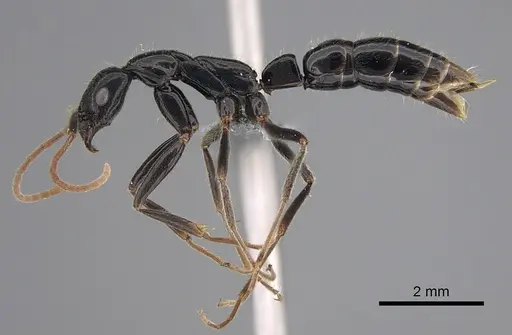
CASENT0270537
View on AntWeb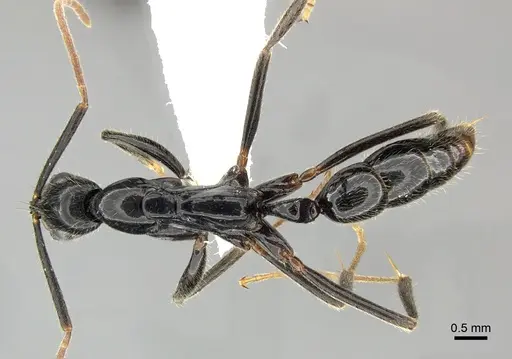
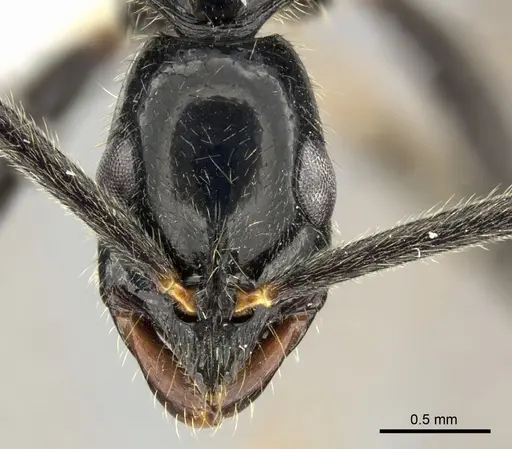
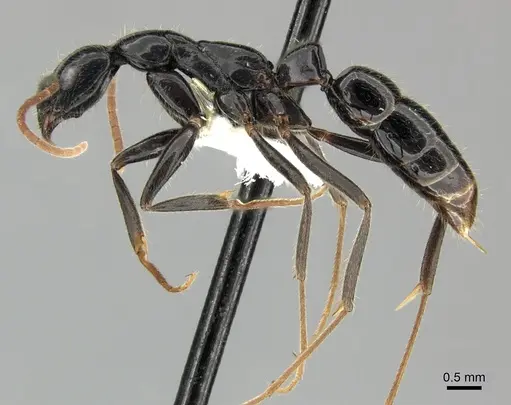
CASENT0813003
View on AntWeb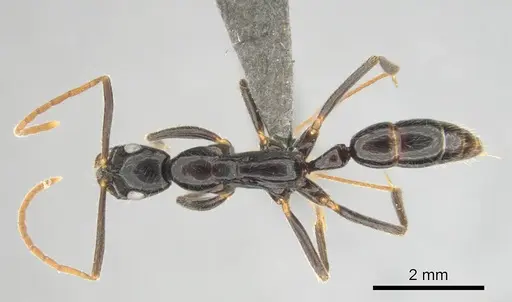
CASENT0901356
View on AntWeb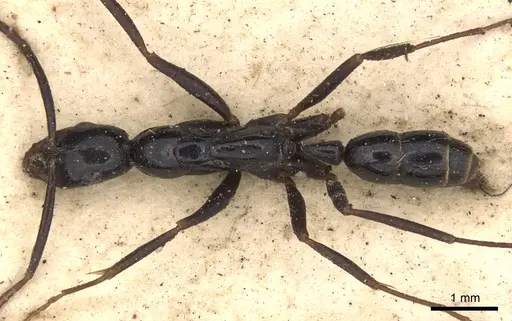
CASENT0902572
View on AntWeb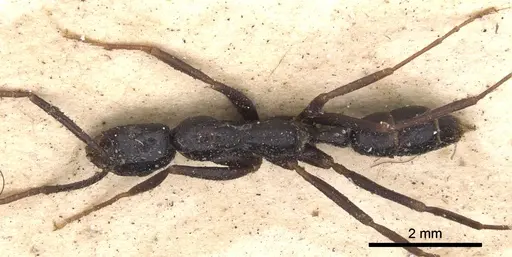
CASENT0915215
View on AntWeb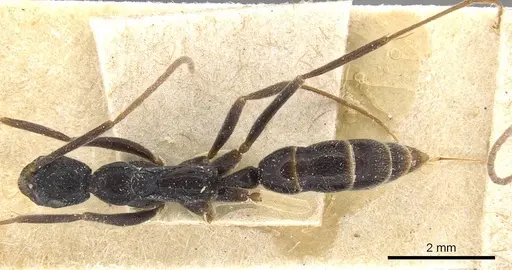
SAM-HYM-C001361A
View on AntWeb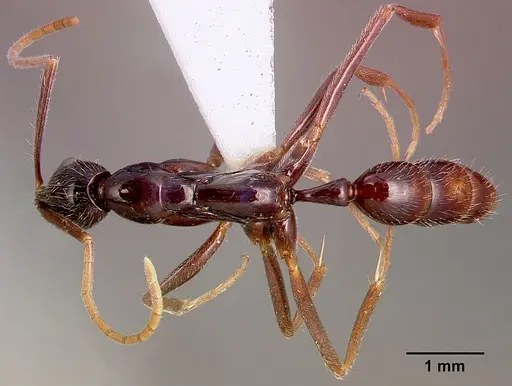
Literature
Loading distribution map...Loading products...