
Leptogenys acutirostris
- Sci. Name
- Leptogenys acutirostris
- Tribe
- Ponerini
- Subfamily
- Ponerinae
- Author
- Santschi, 1912
- Distribution
- Found in 1 countries
Introduction
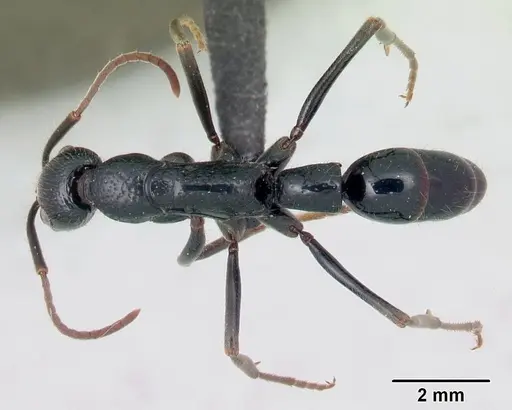
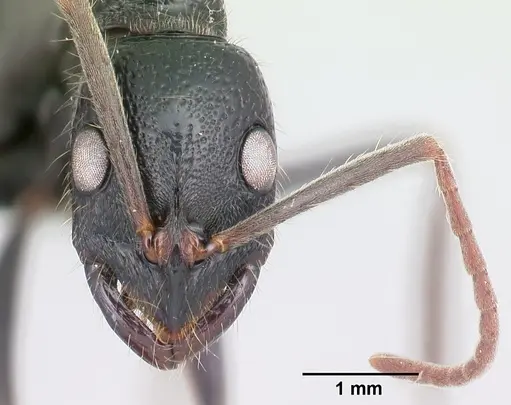
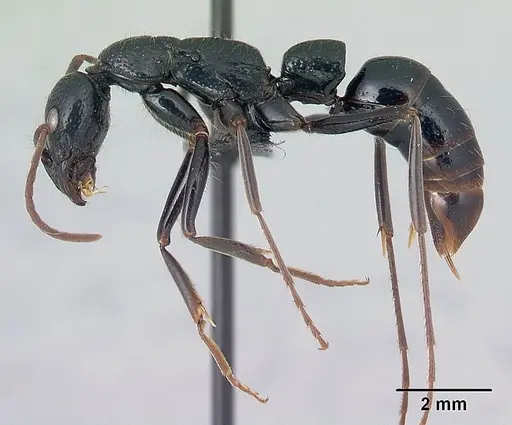
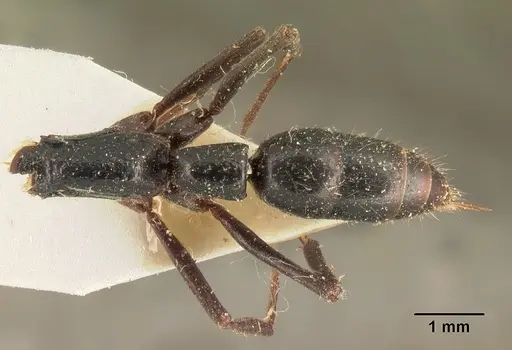
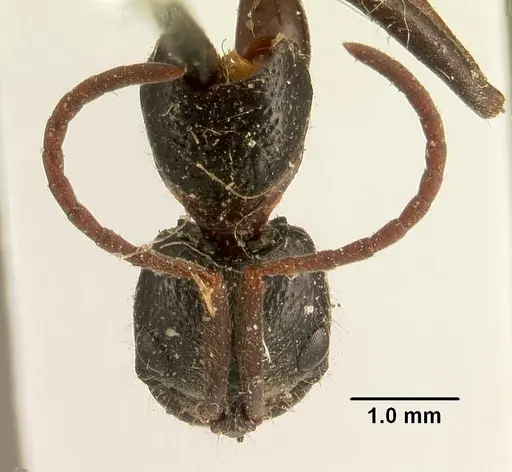
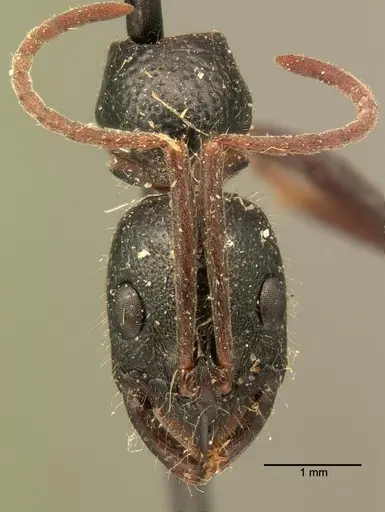
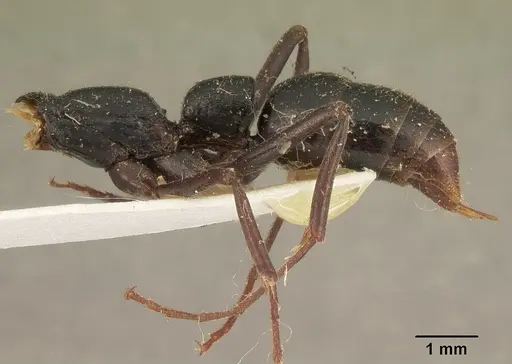
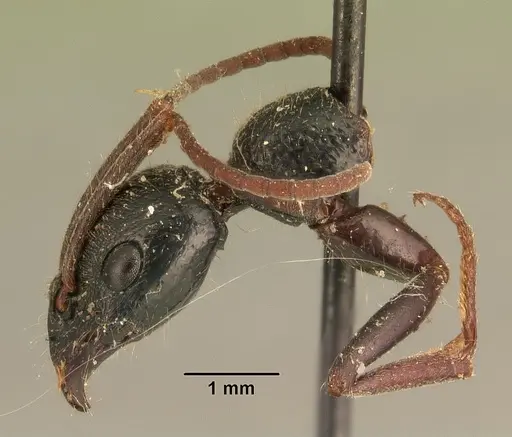
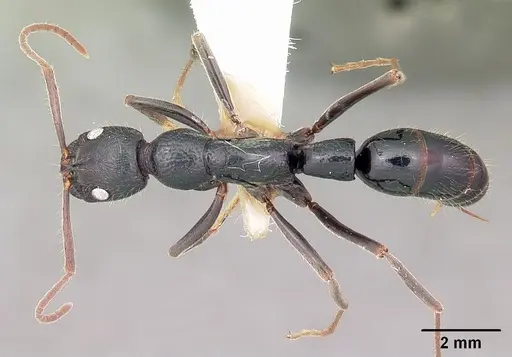
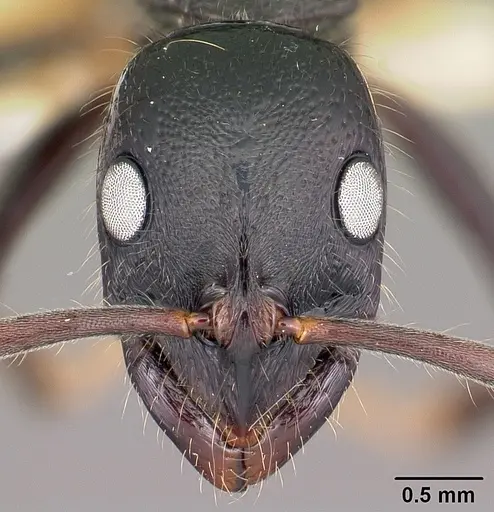
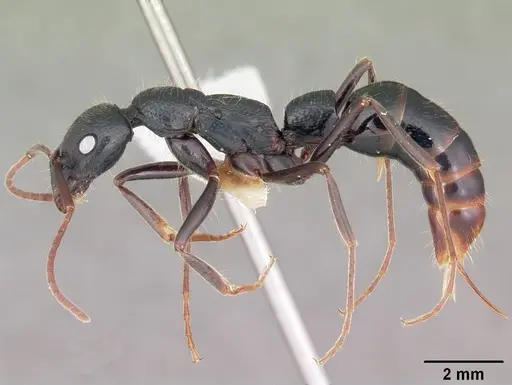
Leptogenys acutirostris is a predatory ant endemic to the rainforests of northeastern Madagascar. Workers feature distinctive elongated mandibles capable of closing tightly against the clypeus, large eyes, and a triangular lobe projecting from the front of the head. Their body has a characteristic bluish reflection and shows distinct sculpturing on the head and mesosoma. This species belongs to the saussurei species group and is closely related to Leptogenys saussurei and Leptogenys lohahela, from which it can be distinguished by the straight posterior margin of its petiolar node and its larger size compared to L. lohahela . In the wild, these ants forage on the forest floor and within leaf litter, nesting in rotten logs in lowland rainforest areas between Marojejy National Park and the Ambatovaky Reserve .
Quick Summary
- Difficulty: Medium
- Origin & Habitat: Endemic to northeastern Madagascar, found in lowland rainforest between PN Marojejy in the north and RS Ambatovaky in the south [1].
- Colony Type: Colony structure is unconfirmed. Based on typical Leptogenys patterns, likely single-queen colonies, though this requires confirmation.
- Size & Growth:
- Queen: Size data unavailable, queen measurements have not been documented.
- Worker: Approximately 6-8mm, inferred from Leptogenys genus patterns (no direct total length measurements available) [1].
- Colony: Unknown, no colony size data available for this species.
- Growth: Unknown, no development timing data available.
- Development: Unconfirmed, no direct measurements exist. Based on typical Ponerine development patterns, estimate 6-10 weeks at optimal temperature. (Development timeline has not been directly studied. Estimates based on related Leptogenys species.)
- Antkeeping:
- Temperature: Keep warm, around 24-28°C. Being from tropical lowland rainforest, they need stable warmth similar to their natural habitat. A heating cable on one side of the nest creates an appropriate gradient.
- Humidity: High humidity required, think damp rainforest floor. Keep nest substrate consistently moist but not waterlogged. Provide a humidity gradient so ants can self-regulate.
- Diapause: No, being a tropical species from Madagascar, they do not require hibernation. Maintain warm conditions year-round.
- Nesting: In nature they nest in rotten logs, so wood-based or naturalistic setups work well. Y-tong (AAC) nests or plaster nests with some moisture retention work in captivity. They prefer tight, dark chambers scaled to their small size.
- Behavior: These are active foragers on the forest floor, hunting through leaf litter. Like most Ponerine ants, they are predatory and have a functional stinger for defense. They are fast-moving and can be aggressive when defending the colony. Escape prevention is important due to their small size, use fine mesh barriers and tight-fitting lids. They are likely nocturnal or crepuscular foragers based on their large eyes [1].
- Common Issues: escape prevention is critical due to their very small size, they can squeeze through standard barrier gaps, tropical species requires consistent warmth, cold temperatures will slow or stop brood development, predatory diet may be difficult to meet, they need regular small live prey, high humidity needs can lead to mold problems if ventilation is poor, slow colony growth may frustrate keepers expecting rapid development
Housing and Nest Setup
Leptogenys acutirostris nests in rotten logs in the wild, so wood-based or naturalistic captive setups work well. A Y-tong (AAC) nest or plaster formicarium with moisture retention provides the dark, tight chambers these ants prefer. The chambers should be scaled to their small size, tight passages help them feel secure. Because they forage on the forest floor, include an outworld area where they can hunt and explore. Use a water test tube connected to the nest for humidity. Escape prevention is critical due to their tiny size, use fine mesh barriers and ensure all connections are sealed tightly. A layer of moist substrate in the outworld helps maintain humidity and provides foraging opportunities. [1][2]
Feeding and Diet
Like most Ponerine ants, Leptogenys acutirostris is predatory and hunts small invertebrates. In captivity, offer small live prey such as fruit flies, pinhead crickets, mealworms, and other appropriately sized insects. They forage actively through leaf litter in the wild, so scatter prey in the outworld to encourage natural hunting behavior. The frequency of feeding depends on colony size, start with prey offered every 2-3 days and adjust based on consumption. Sugar sources are not typically a primary food for predatory Ponerines, though they may occasionally accept honey or sugar water. Always remove uneaten prey to prevent mold issues. A varied diet helps ensure proper nutrition for brood development. [1]
Temperature and Humidity
Being from tropical lowland rainforest in Madagascar, these ants need warm and humid conditions. Maintain temperatures around 24-28°C with minimal fluctuation. A heating cable placed on top of the nest (never underneath to avoid drying) can create a gentle warmth gradient. Humidity should be high, the nest substrate should feel consistently damp but not waterlogged. A humidity gradient allows ants to self-regulate by moving between moister and drier areas. Poor ventilation combined with high humidity leads to mold, so ensure adequate airflow while maintaining moisture. Since they do not experience winter in their natural habitat, no diapause or hibernation is needed, keep them warm year-round. [1]
Behavior and Colony Dynamics
Leptogenys acutirostris is an active forager that hunts on the forest floor and through leaf litter. Workers are fast-moving and likely use chemical trails to communicate about food sources, similar to other Leptogenys species. Their large eyes suggest they may be more visually oriented than some other ant species [1]. When threatened, they may use their sting defensively, Ponerine ants have a functional stinger. Colonies likely start with a single queen (though this is unconfirmed), and the queen seals herself in during founding (typical claustral behavior based on genus patterns). Growth is likely slow initially as the colony establishes, with development taking several months to reach the first workers.
Frequently Asked Questions
How long does it take for Leptogenys acutirostris to produce first workers?
The exact development timeline is unconfirmed for this species. Based on typical Ponerine development patterns, expect 6-10 weeks from egg to first worker at optimal temperature (around 24-28°C). Growth is likely slow initially, so patience is required during the founding stage.
What do Leptogenys acutirostris ants eat?
They are predatory ants that hunt small invertebrates. Feed them appropriately sized live prey such as fruit flies, small crickets, mealworms, and other tiny insects. They may accept protein-based commercial ant foods, but live prey is ideal for their natural hunting behavior.
Do Leptogenys acutirostris ants sting?
As Ponerine ants, they have a functional stinger that can be used defensively. The sting is primarily effective against their natural prey, small invertebrates in leaf litter.
Can I keep Leptogenys acutirostris in a test tube?
Test tubes can work for founding colonies, but due to their small size and preference for tight spaces, ensure the water reservoir is appropriate and the tube has good darkness. However, they naturally nest in rotting wood, so transitioning to a wood-based or plaster nest is ideal for established colonies.
Do Leptogenys acutirostris need hibernation?
No, being a tropical species from Madagascar, they do not require hibernation. Maintain warm temperatures (24-28°C) year-round to support continuous colony development.
Are Leptogenys acutirostris good for beginners?
This species is rated as Medium difficulty. While not the most challenging ant species, their specific humidity and temperature requirements, combined with a predatory diet and small size making escape prevention critical, make them better suited for keepers with some experience. Their slow growth also requires patience.
How big do Leptogenys acutirostris colonies get?
Colony size data is not available for this specific species. Based on typical Leptogenys patterns, colonies likely reach several hundred workers over time, but exact maximum size is unknown.
What is the best nest type for Leptogenys acutirostris?
They naturally nest in rotten logs, so wood-based or naturalistic setups work best. Y-tong (AAC) nests or moist plaster formicariums with tight chambers scaled to their small size are appropriate captive setups. Ensure darkness and humidity are maintained.
Why are my Leptogenys acutirostris dying?
Common causes include: temperatures that are too cold (below 24°C), low humidity causing desiccation, lack of adequate prey protein, or escape due to inadequate barrier protection. Ensure warm, humid conditions with consistent access to small live prey. Their small size also makes them vulnerable to drowning in water tubes, use appropriate reservoir sizes.
Report an Issue
The current care sheet is based fully on literature. See inconsistencies, or something that's incorrect? Please , it will be resolved after review from an admin. Contributing to the blogs tab also helps providing information, to make us be able to further improve the caresheets. Thank you for your support!
References

This caresheet is licensed under CC BY-SA 4.0 .
Community Blogs
Literature
Loading distribution map...Loading products...