
Leptanilla revelierii
- Sci. Name
- Leptanilla revelierii
- Tribe
- Leptanillini
- Subfamily
- Leptanillinae
- Author
- Emery, 1870
- Distribution
- Found in 6 countries
Introduction
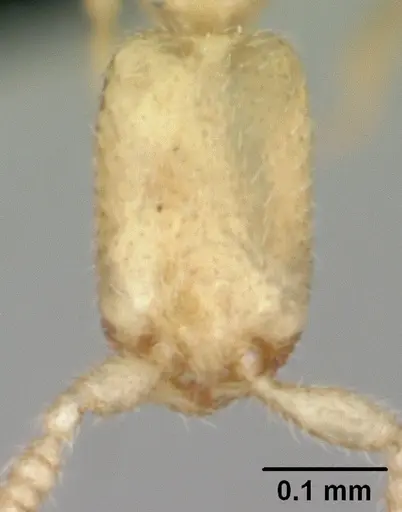
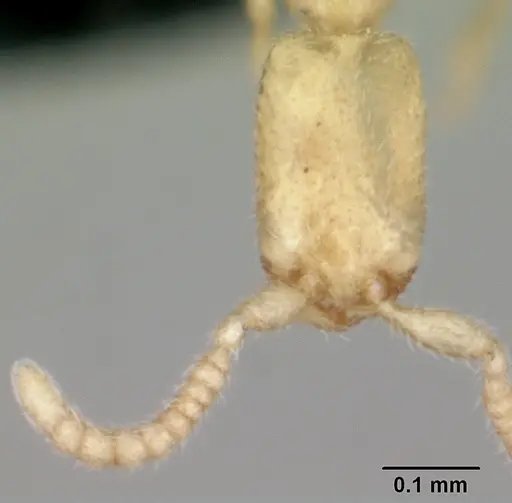
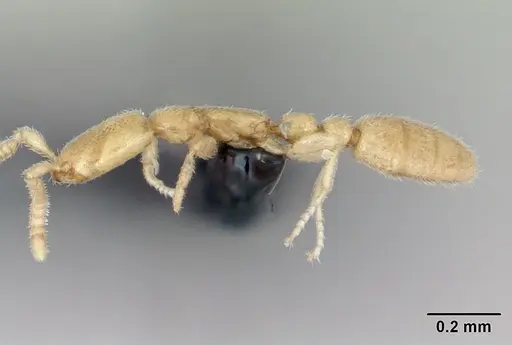
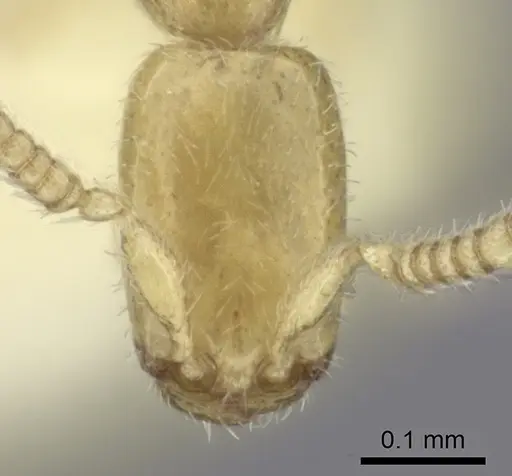
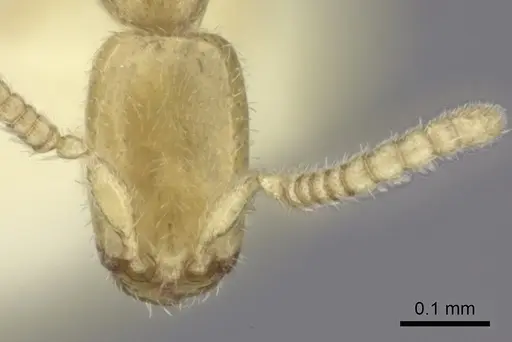
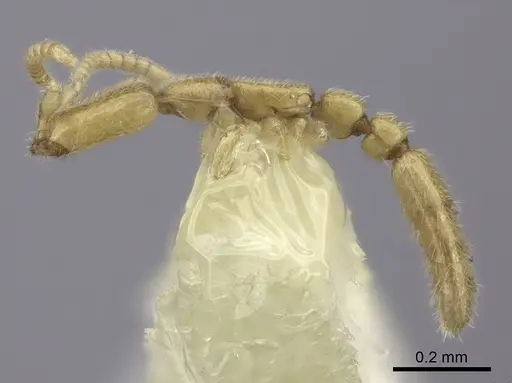
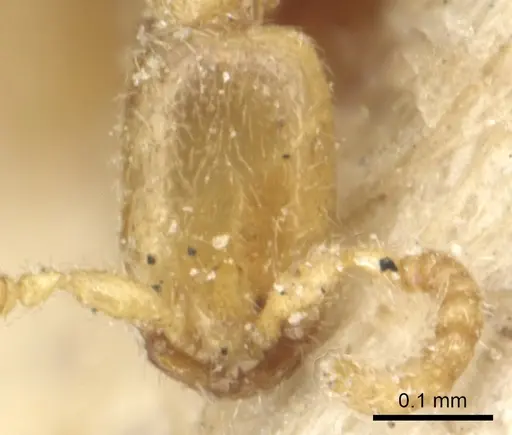
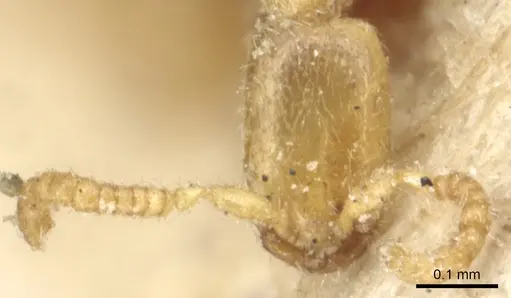
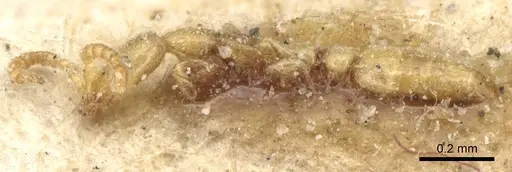
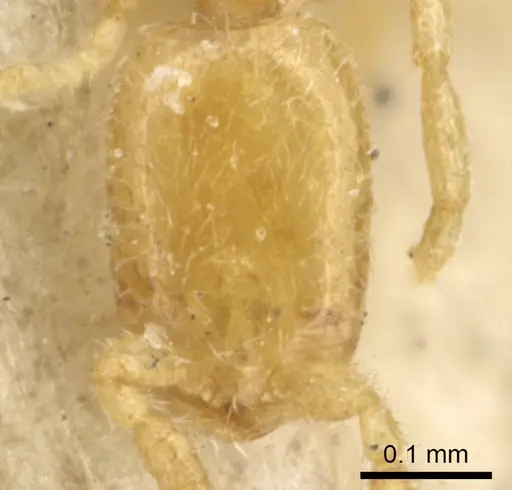
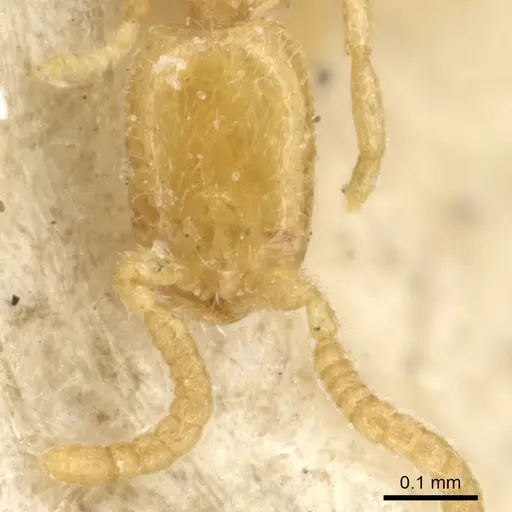
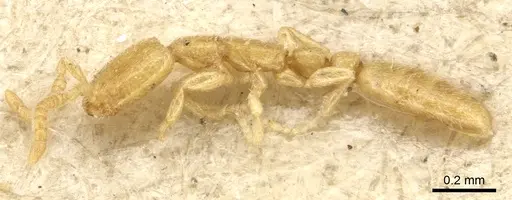
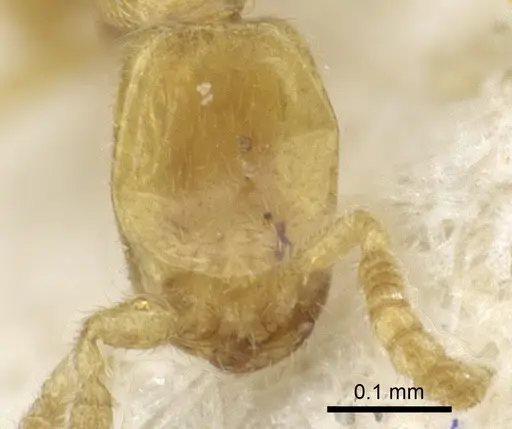
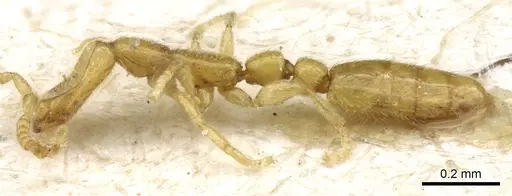
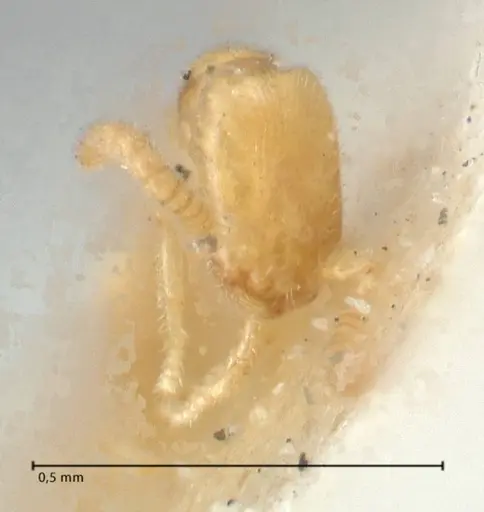
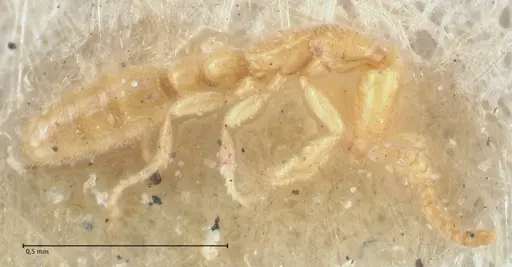
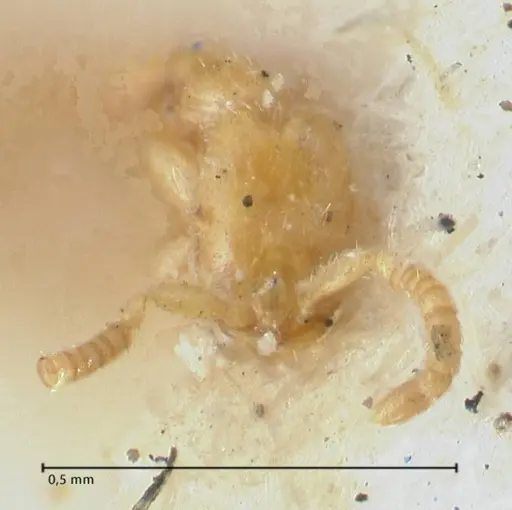
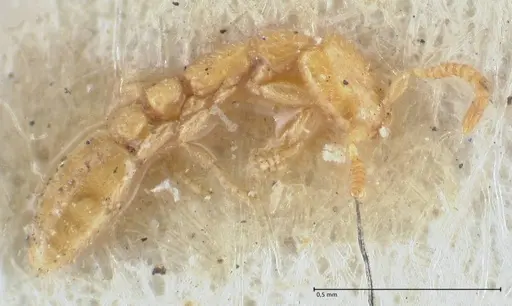
Leptanilla revelierii is an exceptionally tiny ant species, with workers measuring just over 1mm in total length . This species belongs to the subfamily Leptanillinae and serves as the type species for the genus Leptanilla, meaning it defines the reference point for the entire group . Workers are completely blind and spend their entire lives underground, making them one of the most elusive ant species in Europe . What makes this species unusual is its army-ant-like predatory lifestyle. Unlike most ants that have visible foragers on the surface, these ants move in coordinated lines through underground fissures searching for prey . They are strict predators, hunting other small arthropods in the soil. The species has a Western Mediterranean distribution, being found from Corsica (its type locality) across to Portugal, Spain, Italy, Morocco, and Malta, with an unconfirmed record in Nepal .
Quick Summary
- Difficulty: Expert
- Origin & Habitat: Western Mediterranean region, France (Corsica, type locality), Iberian Peninsula, Italy, Malta, Morocco, Portugal, and Spain. Found in scrubland habitats with clayey soils poor in organic matter, typically under stones at shallow depths around 20cm [1][7][5].
- Colony Type: Colony structure unconfirmed, likely small colonies based on field collection data showing only few individuals [1].
- Size & Growth:
- Queen: Size data unavailable, no direct measurements found in research
- Worker: Just over 1mm (approximately 1-1.2mm) [1][2]
- Colony: Small colonies, only small numbers ever collected in the wild [1]
- Growth: Unknown
- Development: Unknown, no research has studied development (Development timeline unstudied. Related Leptanilla species may provide参考 but no specific data exists for this species.)
- Antkeeping:
- Temperature: Keep at room temperature (18-22°C). This species originates from temperate Mediterranean climates. Avoid temperatures above 25°C.
- Humidity: Keep the nest substrate moderately moist. These ants live underground in soil and need damp conditions, but avoid waterlogging.
- Diapause: Likely required, based on Mediterranean distribution, a winter rest period of 2-3 months at 10-15°C is probable [5].
- Nesting: Subterranean ants requiring naturalistic soil setup or plaster nest with very small chambers scaled to their 1mm size. They need dark, confined spaces and cannot climb smooth surfaces effectively.
- Behavior: Workers are blind and completely subterranean, they never emerge onto the surface [1]. They move in lines through underground passages searching for prey, similar to army ants [1]. They are predatory and hunt small soil arthropods. Workers are not aggressive and form small, cohesive colonies. Escape prevention is critical due to their microscopic size, they can squeeze through the tiniest gaps. They are not defensive and unlikely to sting.
- Common Issues: extreme rarity makes obtaining a colony nearly impossible, among the hardest European ants to find, blind, subterranean lifestyle means you will rarely see your ants, they live entirely underground, microscopic size makes escape prevention extremely difficult, standard barriers may not work, predatory diet requires constant live prey, they cannot survive on sugar alone, no captive breeding success known, all care advice is speculative, males collected in flight from mid-June to late September but workers rarely found [8]
Why Leptanilla revelierii Is So Challenging
This species represents one of the most difficult ant-keeping challenges in Europe. Workers are barely visible at just over 1mm, and they spend their entire lives underground in complete darkness [1]. Unlike most ant species where you can watch foragers emerge to collect food, L. revelierii workers are blind and never come to the surface. They navigate through soil cracks and fissures, making them nearly impossible to observe in a typical formicarium setup.
The species is also extraordinarily rare in the wild. Researchers using specialized techniques (water and salt washing of soil samples) rarely find more than a handful of individuals [1]. Males have been collected in pitfall and Malaise traps, but associating them with worker colonies is extremely difficult. This makes obtaining a wild colony nearly impossible for hobbyists, and there are no known captive breeding programs for this species.
Housing and Nest Setup
If you were to keep this species, you would need a setup that mimics their natural subterranean habitat. They are found in clayey soils under stones at depths around 20cm [1]. A naturalistic setup with a deep soil layer (at least 10-15cm) in a dark enclosure would be most appropriate. Alternatively, a plaster nest with very small chambers scaled to their 1mm body size could work.
The key challenge is providing darkness, these ants are adapted to complete darkness and will likely be stressed by bright light. Cover three sides of any observation nest with dark material. They also need access to tiny underground passages, so the nest material should allow for small cracks and channels. A plaster nest with the smallest available chambers would be more practical than a soil setup for observation purposes, but you would need to ensure complete darkness.
Feeding and Diet
Leptanilla revelierii is predatory, like all Leptanillinae ants. They hunt other small soil arthropods, moving in coordinated lines through underground passages similar to army ant raiding parties [1]. In captivity, you would need to provide a constant supply of tiny live prey such as springtails, soil mites, and other micro-arthropods.
They are unlikely to accept sugar water or honey since their hunting lifestyle doesn't involve tending aphids or collecting honeydew. Live protein prey is essential. Given their microscopic size, even small fruit flies would be too large, you would need to culture the smallest possible prey items. This makes their dietary requirements extremely challenging to meet in captivity.
Temperature and Seasonal Care
This species originates from temperate Mediterranean regions, suggesting they prefer cooler temperatures than tropical ants. Room temperature (18-22°C) is likely appropriate. Their distribution includes high-latitude areas like France and Portugal, so they can tolerate cooler conditions.
Based on their Mediterranean distribution, they likely require a winter diapause period. During winter (roughly November-February in the Northern Hemisphere), you should reduce temperatures to 10-15°C to simulate winter conditions. This is essential for colony health and likely triggers reproductive cycles. Males have been collected in flight from mid-June to late September, suggesting this is the nuptial flight period [8].
Understanding Their Elusive Nature
The extreme rarity of L. revelierii in ant surveys isn't due to low population numbers, it's because they are genuinely subterranean (hypogean) and never come to the surface [8]. Standard ant collection methods like pitfall traps rarely catch them because they don't forage on the surface. Researchers often only find them by accident, such as when specimens attach to the legs of larger hypogean ants like Hypoponera eduardi [1].
This lifestyle means they have never been observed nesting in the traditional sense, no one has ever found a complete colony. We know they live in small societies with likely just a few dozen individuals, but the complete colony structure remains a mystery. This makes captive care entirely speculative since no one has successfully kept them.
Frequently Asked Questions
Can I keep Leptanilla revelierii in a test tube?
A test tube setup would be too large and open for these microscopic ants. They need tight, dark spaces. If you attempt to keep them, a small plaster nest with chambers scaled to their 1mm size would be more appropriate, but this species has never been kept in captivity.
How long does it take for Leptanilla revelierii to develop from egg to worker?
This is unknown, no research has studied their development. There is no data to provide even an estimate.
Are Leptanilla revelierii good for beginners?
No. This species is absolutely not suitable for beginners, in fact, it's one of the most challenging ants to keep even for experts. They are microscopic, completely subterranean, blind, require live prey, and are virtually impossible to obtain. No captive colonies exist.
Do Leptanilla revelierii ants sting?
They likely have a stinger like other Leptanillinae, but given their 1mm size, it cannot penetrate human skin. They are not defensive and unlikely to sting even if handled.
Can I keep multiple Leptanilla revelierii queens together?
This has not been studied. Colony structure is unconfirmed. Combining unrelated queens is not recommended given how rare and valuable any colony would be.
What do Leptanilla revelierii eat?
They are predatory and hunt small soil arthropods like springtails and mites. They do not collect sugar or honeydew. Captive care would require culturing a constant supply of tiny live prey.
Do Leptanilla revelierii need hibernation?
Yes, based on their Mediterranean distribution, they likely require a winter rest period (diapause) of 2-3 months at 10-15°C during winter months.
How big do Leptanilla revelierii colonies get?
Colonies appear to remain small, only small numbers have ever been collected. Field collections consistently find only few individuals, suggesting they form small, discreet colonies rather than large supercolonies.
Where can I find Leptanilla revelierii in the wild?
They are found in the Western Mediterranean (France, Spain, Portugal, Italy, Morocco, Malta). Look under stones in scrubland with clayey soils, typically at depths around 20cm. They require specialized collection techniques and are extremely rare, even professional myrmecologists rarely find them.
Why can't I see my Leptanilla revelierii ants?
This is normal, workers are completely blind and live their entire lives underground in darkness [1]. They never emerge to the surface and navigate through soil cracks. You would only see them if you dug into their nest or if they happened to be in a thin layer of soil against glass.
Report an Issue
The current care sheet is based fully on literature. See inconsistencies, or something that's incorrect? Please , it will be resolved after review from an admin. Contributing to the blogs tab also helps providing information, to make us be able to further improve the caresheets. Thank you for your support!
References

This caresheet is licensed under CC BY-SA 4.0 .
Community Blogs
CASENT0006788
View on AntWeb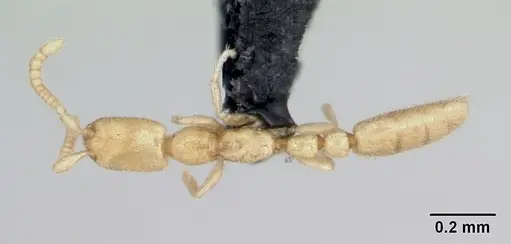
CASENT0260441
View on AntWeb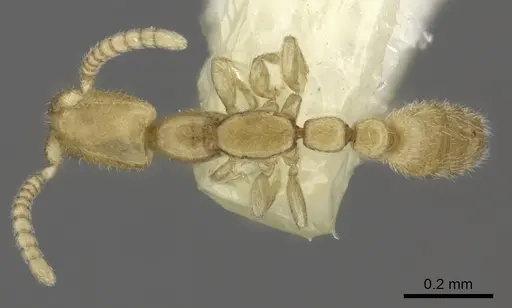
CASENT0903762
View on AntWeb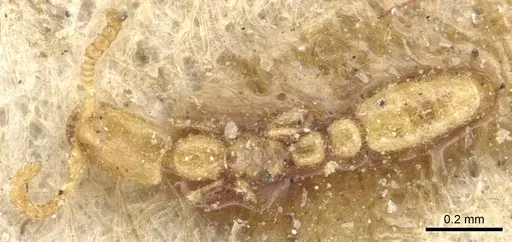
CASENT0903763
View on AntWeb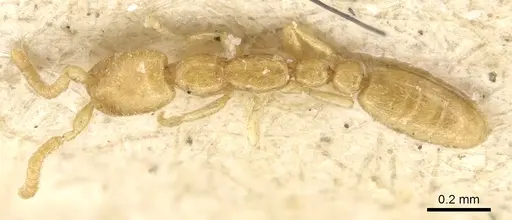
CASENT0903765
View on AntWeb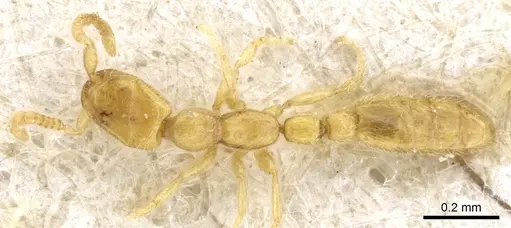
CASENT0903766
View on AntWeb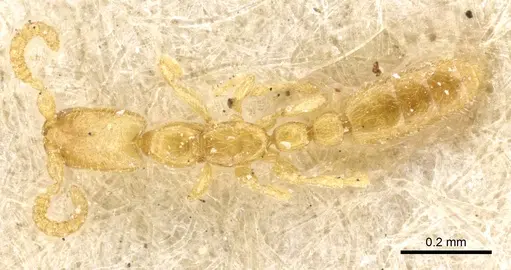
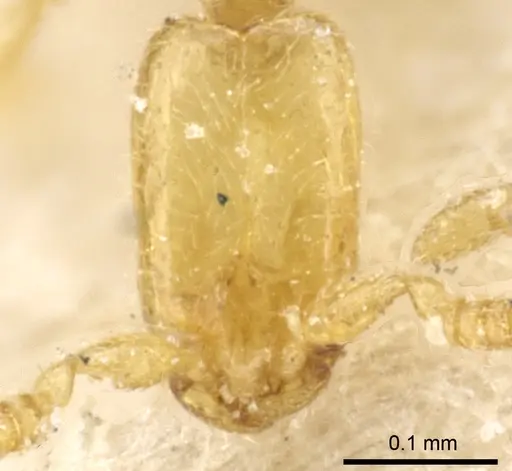
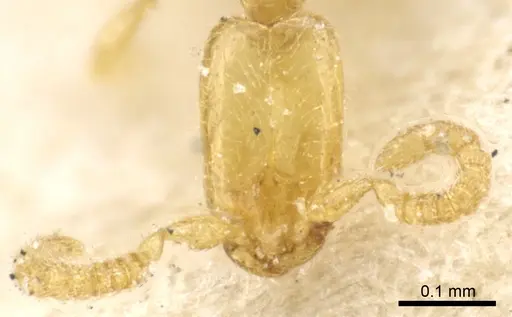
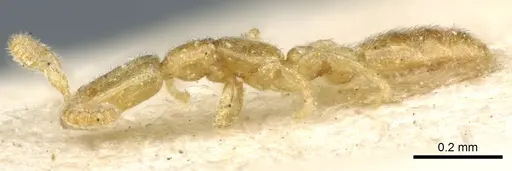
FOCOL1119-1
View on AntWeb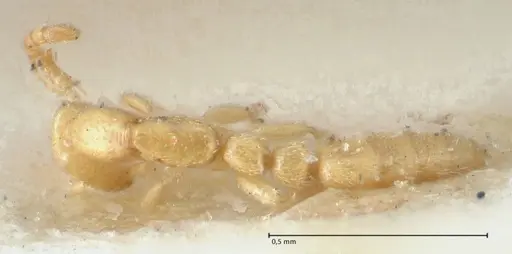
FOCOL1119-2
View on AntWeb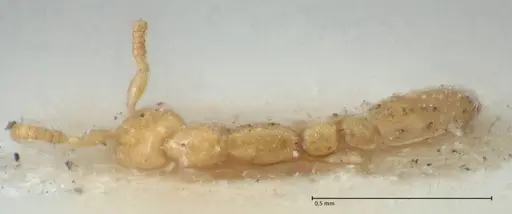
Literature
Loading distribution map...Loading products...