
Leptanilla boltoni
- Sci. Name
- Leptanilla boltoni
- Tribe
- Leptanillini
- Subfamily
- Leptanillinae
- Author
- Baroni Urbani, 1977
- Distribution
- Found in 1 countries
Introduction
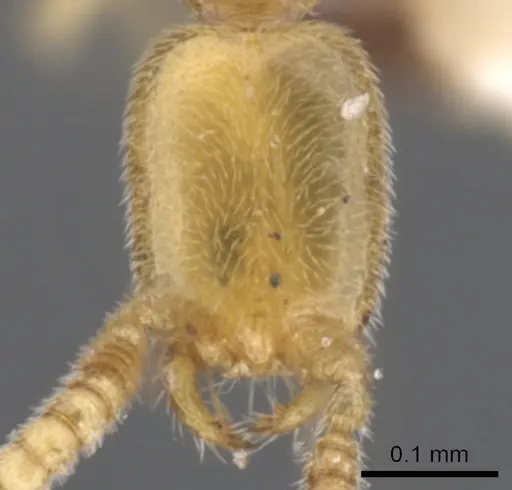
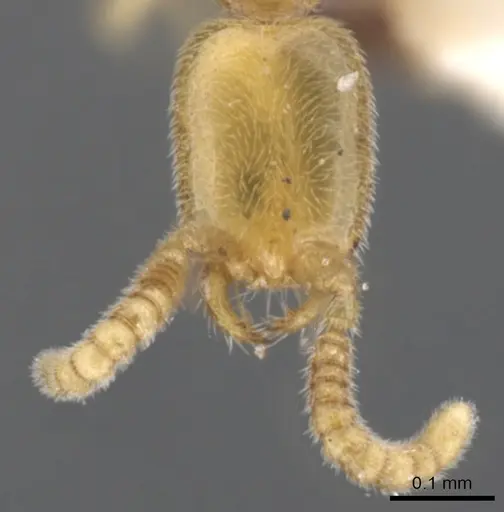
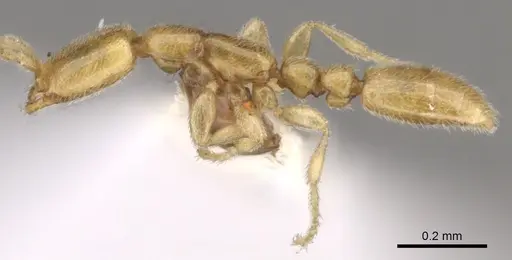
Leptanilla boltoni is a tiny ant species from the Leptanillinae subfamily, native to Ghana in West Africa. Workers are about 1.1-1.2 mm in total length , and they inhabit leaf litter and soil, often collected from cocoa farm litter using Winkler extraction methods . This species was first described in 1977 and is known for its cryptic, subterranean lifestyle, rarely appearing on the surface .
Quick Summary
- Difficulty: Expert
- Origin & Habitat: Ghana, West Africa, lives in leaf litter and soil in forested areas, collected via Winkler extraction from soil samples [3][2].
- Colony Type: Unconfirmed, no specific data on colony structure for Leptanilla boltoni.
- Size & Growth:
- Antkeeping:
- Temperature: Keep warm, roughly 22-26°C, based on tropical climate inference
- Humidity: Keep substrate consistently moist but not waterlogged, mimicking leaf litter habitat
- Diapause: Unknown, equatorial climate suggests no hibernation needed
- Nesting: Use Y-tong or plaster nests with small chambers scaled to their size, based on genus patterns
- Behavior: Shy and cryptic, predatory on tiny arthropods, escape prevention critical due to small size [1]. They are not aggressive and forage individually in substrate.
- Common Issues: escape prevention is critical due to 1.1 mm size, as they can slip through tiny gaps [1], no captive breeding data exists, wild-caught colonies may be the only option, feeding requires live micro-prey like springtails, which can be challenging, slow or nonexistent colony growth in captivity due to unknown requirements, extremely rare in the antkeeping hobby, making acquisition difficult
Finding and Keeping Leptanilla boltoni
This species is extremely rare in the antkeeping hobby, with few captive colonies known. In the wild, they are collected from leaf litter and soil using Winkler extraction [3]. The only known specimens were from cocoa farm litter in Mampong, Ghana, collected in 1970 [2]. If you obtain a colony, expect challenges due to lack of captive care research. They are not available from commercial breeders and would require wild collection in Ghana, which is impractical for most keepers.
Housing and Nest Setup
Due to their minute size, use Y-tong or plaster nests with chambers scaled to their body. Passages should be narrow, roughly 1-2 mm wide, to make them feel secure. Provide a moist outworld for foraging. Based on genus patterns, they prefer dark, humid conditions and spend most time inside nest material. [4]
Feeding and Diet
Leptanilla boltoni is predatory on tiny arthropods. Offer live springtails, soil mites, and other micro-prey small enough for them to handle. They are unlikely to accept sugar water or conventional ant feeds. Feed small prey every few days, removing uneaten items to prevent mold. [4]
Why This Species is Expert-Only
Leptanilla boltoni is one of the most challenging ants to keep due to complete absence of captive care research. Every aspect requires experimentation. Their extreme size creates practical challenges: escape prevention is difficult, feeding requires specialized prey, and observation needs magnification. Most antkeepers should consider this species unkeepable until more information is available.
Frequently Asked Questions
Can I keep Leptanilla boltoni in a test tube?
A test tube setup could work for a founding queen, but standard tubes are too large. Chambers must be extremely small, roughly 1-2 mm passages. A Y-tong nest with miniature chambers is more appropriate for established colonies.
How long until first workers with Leptanilla boltoni?
The egg-to-worker timeline is unknown for this species. No data exists on development.
Are Leptanilla boltoni good for beginners?
No. This species is extremely difficult to keep and not recommended for any level of antkeeper due to lack of care information and rarity.
Do Leptanilla boltoni ants sting?
Given their size (1.1 mm), any sting would be negligible. They are not considered dangerous to humans.
What do Leptanilla boltoni eat?
They are predatory on tiny arthropods. Offer live springtails and micro-prey. They do not accept sugar sources or conventional ant food.
Where can I buy Leptanilla boltoni?
This species is essentially unavailable in the antkeeping hobby. It has never been bred in captivity and is one of the rarest ants in the world.
Do Leptanilla boltoni need hibernation?
Unknown. Given Ghana's equatorial climate, they likely do not require a true hibernation period.
How big do Leptanilla boltoni colonies get?
Unknown. No data on colony size exists for this species.
Report an Issue
The current care sheet is based fully on literature. See inconsistencies, or something that's incorrect? Please , it will be resolved after review from an admin. Contributing to the blogs tab also helps providing information, to make us be able to further improve the caresheets. Thank you for your support!
References

This caresheet is licensed under CC BY-SA 4.0 .
Community Blogs
CASENT0260440
View on AntWeb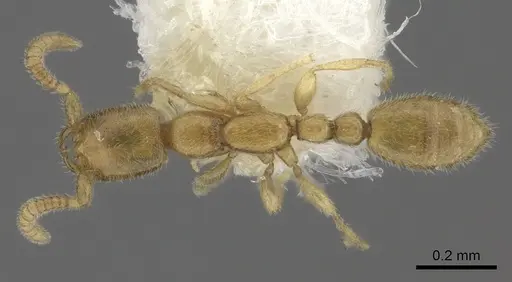
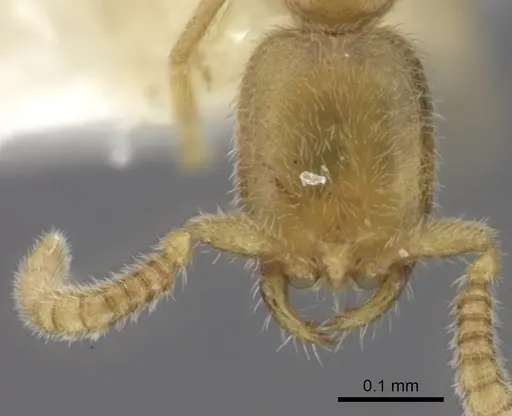
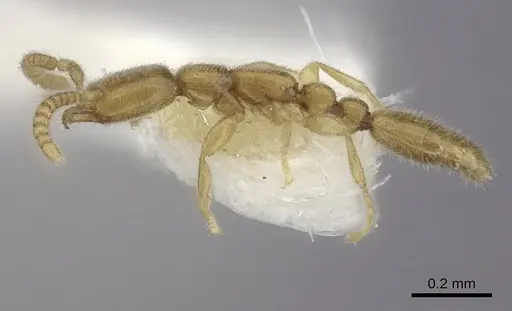
CASENT0902778
View on AntWeb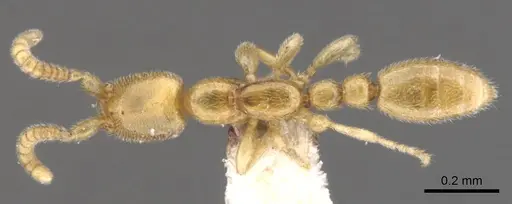
Literature
Loading distribution map...Loading products...