
Lepisiota spinosior
- Sci. Name
- Lepisiota spinosior
- Tribe
- Plagiolepidini
- Subfamily
- Formicinae
- Author
- Forel, 1913
- Distribution
- Found in 5 countries
Introduction
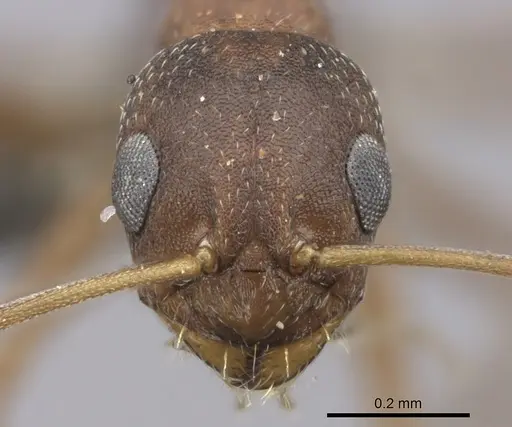
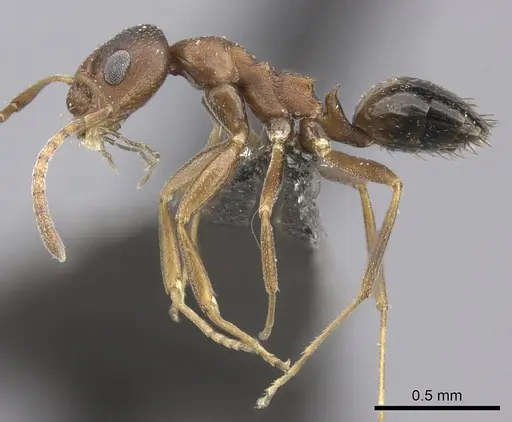
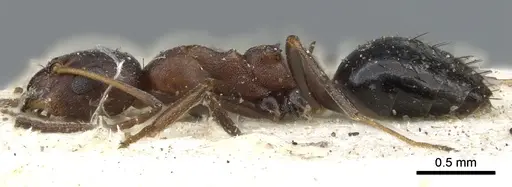
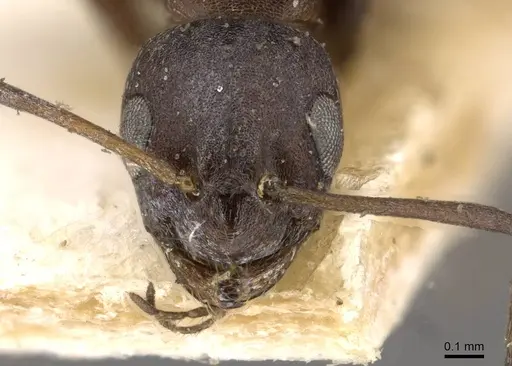
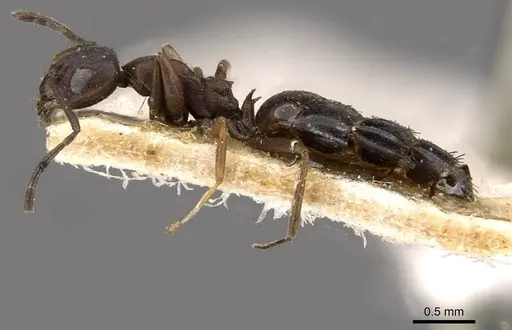
Lepisiota spinosior is an ant species native to the Afrotropical region, documented across Zimbabwe, Mozambique, Eswatini, Nigeria, and recently recorded in Rwanda . The genus Lepisiota belongs to the Formicinae subfamily. Workers are small ants - exact measurements are unavailable for this species, though genus members typically range from 3-7mm. This species has been documented in grassland ecosystems where it plays a role in ant communities . Specific biological data for L. spinosior is limited, so care recommendations are based on typical Lepisiota genus patterns.
Quick Summary
- Difficulty: Medium
- Origin & Habitat: Afrotropical region, documented in Zimbabwe, Mozambique, Eswatini, Nigeria, and Rwanda. Found in grassland and savanna ecosystems. Recorded in both control and rehabilitated grassland sites, indicating adaptability to different habitat conditions [2][1].
- Colony Type: Colony structure is unconfirmed for this species. Based on typical Lepisiota patterns, likely single-queen colonies.
- Size & Growth:
- Queen: Size data unavailable, inferred from Lepisiota genus (~5-8mm)
- Worker: Size data unavailable, inferred from Lepisiota genus (~3-5mm)
- Colony: Maximum colony size is unconfirmed, typical Lepisiota colonies reach several hundred workers
- Growth: Moderate
- Development: Estimated 6-10 weeks based on related Lepisiota species (Development time is estimated from genus-level data, specific data for L. spinosior is unavailable)
- Antkeeping:
- Temperature: Keep at 24-28°C based on African savanna species requirements. A slight temperature gradient allows workers to self-regulate. Room temperature in most homes may be slightly cool, consider a heating cable on one side of the nest.
- Humidity: Moderate humidity around 50-60%. These are grassland ants that tolerate drier conditions than forest species. Allow the nest substrate to dry partially between water additions.
- Diapause: As an African species, true hibernation is unlikely. Reduced activity during cooler months is possible, but documented behavior is unavailable.
- Nesting: In nature, they nest in soil, often under stones or in small cavities in the ground. A Y-tong (AAC) nest or test tube setup works well. Provide a small outworld for foraging. Avoid overly moist conditions that can cause mold.
- Behavior: Active foragers that search for food. Workers will defend the nest if threatened. As Formicinae ants, they have access to formic acid for defense. Escape risk is moderate due to their small size, ensure barrier integrity. They are generalist feeders.
- Common Issues: colonies may decline if kept too cold, maintain warm temperatures, small size makes escape prevention important, use fine mesh and proper barriers, limited specific care data means monitoring colony health closely is essential, overfeeding can lead to mold in the nest, remove uneaten food promptly, wild-caught colonies may contain parasites that can devastate captive colonies
Housing and Nest Setup
Lepisiota spinosior can be kept in standard ant keeping setups. A test tube setup works well for founding colonies, with a water reservoir at one end and cotton stoppers. Once the colony reaches 20-30 workers, you can transition to a small formicarium. Y-tong (AAC) nests are excellent for this genus as they provide proper humidity control and allow you to observe the colony easily. For the outworld, a simple plastic container works fine, ensure it has high walls and apply fluon or another barrier to prevent escapes. These ants are moderate escape artists due to their small size. Provide a dark cover over the nest section to encourage the colony to stay inside rather than trying to nest in the outworld.
Feeding and Diet
Like most Lepisiota species, L. spinosior is a generalist feeder. Offer sugar water or honey as a constant energy source, they will readily accept sweet liquids. For protein, provide small insects like fruit flies, pinhead crickets, or mealworms. Some Lepisiota species have symbiotic relationships with Lycaenidae butterflies [1], so they may benefit from honeydew sources. Feed protein 2-3 times per week, and keep sugar water available at all times. Remove uneaten prey after 24 hours to prevent mold.
Temperature and Heating
As an African savanna species, Lepisiota spinosior prefers warmer conditions. Keep the nest area at 24-28°C for optimal colony development. Room temperature (20-24°C) may be acceptable but could slow growth and activity. Use a heating cable or heating mat on one side of the nest to create a temperature gradient, this allows workers to move to warmer or cooler areas as needed. Place the heating on top of the nest, not underneath, to avoid drying out the substrate too quickly. Monitor for excessive drying, especially when using active heating.
Humidity and Water
Maintain moderate humidity in the nest, aim for around 50-60% relative humidity in the substrate. These are grassland ants that naturally experience drier conditions than forest species. The nest substrate should be moist but not waterlogged. Allow the surface to dry slightly between water additions rather than keeping it constantly wet. A water tube in the outworld provides drinking water. Mist the outworld occasionally to encourage foraging activity, but avoid excessive moisture in the nest area.
Behavior and Defense
Lepisiota species are known for their active defense behaviors. Workers will defend the nest against threats. As Formicinae ants, they can produce formic acid as a defensive secretion. They are active foragers that search the outworld for food throughout the day. The colony will establish clear foraging trails once they find reliable food sources. Their small size and active nature make them entertaining to watch.
Colony Development
A newly mated queen will seal herself in a small chamber and lay eggs. She will not leave to forage during founding, instead she uses stored fat reserves to survive and feed the first brood. The first workers (nanitics) will be smaller than mature workers but will immediately begin helping the queen. Colony growth is moderate, expect several months before you have a significant number of workers. The colony will expand its nest if given space and may produce alates (reproductives) in subsequent years. Growth rate depends heavily on temperature and feeding frequency.
Frequently Asked Questions
How long does it take for Lepisiota spinosior to produce first workers?
Expect first workers (nanitics) to emerge in 6-10 weeks after the queen lays eggs, assuming optimal temperature of 24-28°C. This is an estimate based on related Lepisiota species, specific development data for L. spinosior is unavailable.
What do Lepisiota spinosior ants eat?
They are generalist feeders. Offer sugar water or honey constantly for energy, plus small insects like fruit flies, pinhead crickets, or mealworms 2-3 times per week for protein.
What temperature do Lepisiota spinosior ants need?
Keep them warm at 24-28°C. Room temperature may be too cool and could slow colony development. A small heating cable on one side of the nest creates a beneficial gradient.
Are Lepisiota spinosior ants good for beginners?
They are rated as medium difficulty. They are more active and defensive than beginner species like Lasius, but not as challenging as tropical rainforest species. Their care requirements are straightforward once temperature and feeding are established.
How big do Lepisiota spinosior colonies get?
Based on typical Lepisiota patterns, expect colonies of several hundred workers. The exact maximum is unconfirmed for this species.
Do Lepisiota spinosior ants need hibernation?
As an African species, they likely do not require true hibernation. They may reduce activity during cooler months but should be kept at warm temperatures year-round for optimal growth.
Can I keep multiple Lepisiota spinosior queens together?
Colony structure is unconfirmed for this species. Combining unrelated queens is not recommended as they likely will fight. Only keep one queen per colony.
When should I move Lepisiota spinosior to a formicarium?
You can keep them in a test tube setup for the first several months. Once the colony reaches 20-30 workers and the test tube shows signs of drying or the queen is moving the brood frequently, consider moving to a small Y-tong nest.
Why are my Lepisiota spinosior ants dying?
Common causes include: temperatures too low (below 20°C), excessive humidity causing mold, poor escape prevention, or parasites from wild-caught colonies. Review your temperature, humidity, and ensure the colony was from a healthy source.
Report an Issue
The current care sheet is based fully on literature. See inconsistencies, or something that's incorrect? Please , it will be resolved after review from an admin. Contributing to the blogs tab also helps providing information, to make us be able to further improve the caresheets. Thank you for your support!
References

This caresheet is licensed under CC BY-SA 4.0 .
Community Blogs
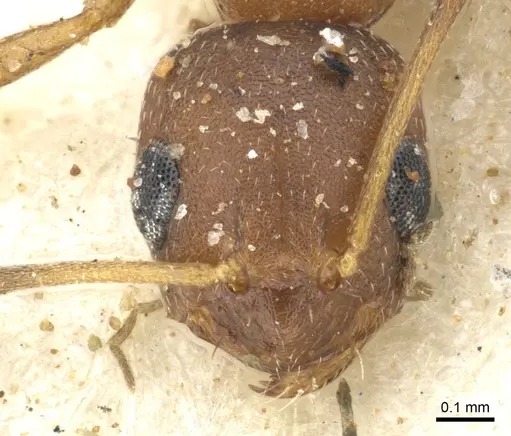
CASENT0235897
View on AntWeb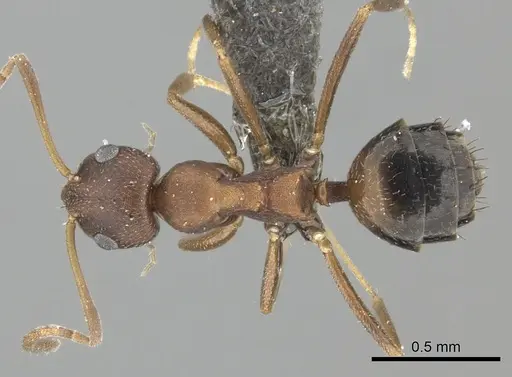
CASENT0903148
View on AntWeb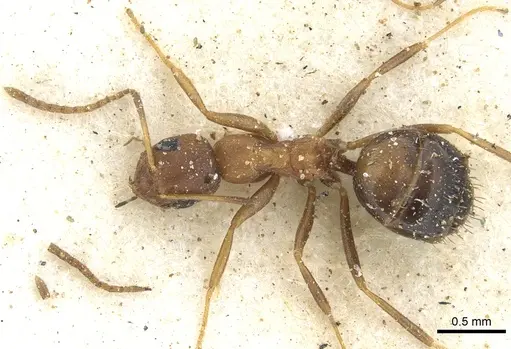
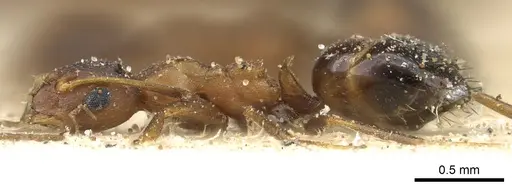
CASENT0903149
View on AntWeb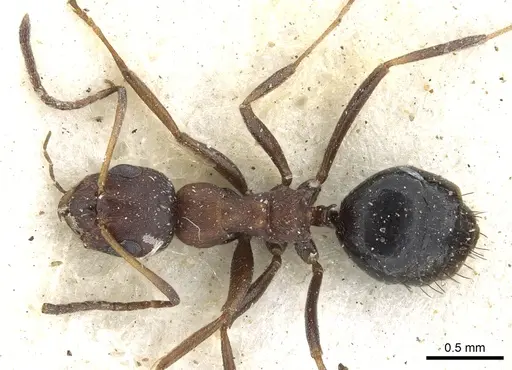
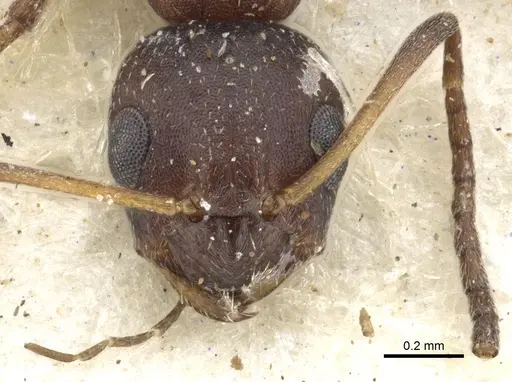
CASENT0903151
View on AntWeb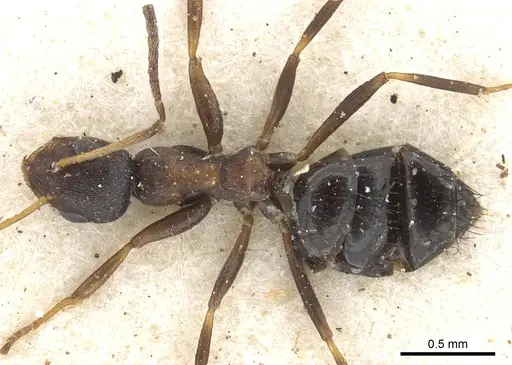
CASENT0909897
View on AntWeb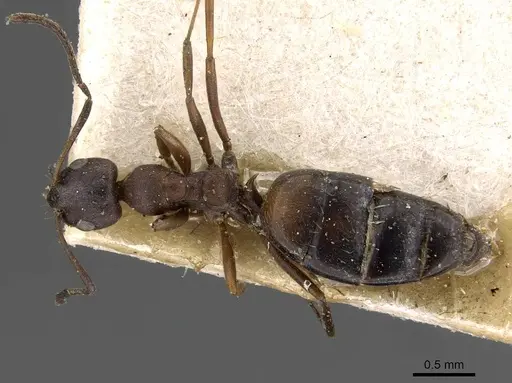
Literature
Loading distribution map...Loading products...