
Lepisiota sericea
- Sci. Name
- Lepisiota sericea
- Tribe
- Plagiolepidini
- Subfamily
- Formicinae
- Author
- Forel, 1892
- Distribution
- Found in 1 countries
Introduction
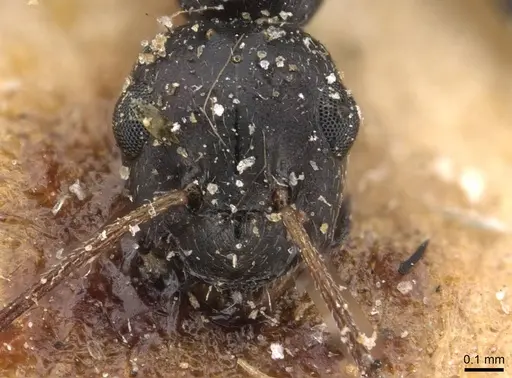
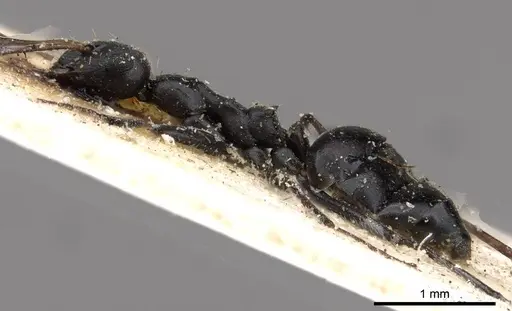
Lepisiota sericea is a medium to large-sized ant native to South and Central Asia, ranging from Afghanistan across northern India through Pakistan to Iran, Turkmenistan, and recently recorded in Nepal. Workers have a distinctive dark brown to black body with a uniquely shaped petiole featuring smoothly curved sides and a narrow, rounded dorsum - this distinguishes them from the similar Lepisiota integra which has a reddish-brown body and angular petiole. The mesosoma appears dumbbell-shaped in profile due to a strong constriction between the pronotum and propodeum, and the propodeum bears a pair of small teeth pointing backward . This species is commonly found tending aphids and psyllids in its native range, particularly the aphid Pterochloroides persicae in Iran and the psyllid Trioza fletcheri minor on Terminalia arjuna trees in Pakistan. They nest under stones, on tree trunks, and in soil across their range .
Quick Summary
- Difficulty: Medium
- Origin & Habitat: Native to Afghanistan, northern India (Himachal Pradesh, Jammu & Kashmir, Maharashtra, Uttarakhand), Pakistan, Iran, Turkmenistan, and recently recorded in Nepal. Found under stones, on tree trunks, and in soil in natural habitats [1][2].
- Colony Type: Colony structure is unconfirmed for this species.
- Size & Growth:
- Queen: Size data unavailable, no queen measurements have been documented for this species.
- Worker: Approximately 4-5 mm, inferred from the genus as medium to large-sized ants [1].
- Colony: Colony size data unavailable for this species.
- Growth: Growth rate is unconfirmed for this species.
- Development: Development timeline is unconfirmed for this species. (No specific development data exists for L. sericea.)
- Antkeeping:
- Temperature: Keep at room temperature or slightly above (22-28°C). They tolerate a range of warm conditions consistent with their subtropical to temperate native range.
- Humidity: Provide moderate humidity. They naturally nest under stones and in soil, so a moist substrate area with some drying zones works well.
- Diapause: Likely requires a winter rest period based on their temperate to subtropical range across Afghanistan, northern India, and Central Asia. However, this is not directly documented for this species.
- Nesting: They naturally nest under stones, in soil, and on tree trunks. In captivity, a Y-tong (AAC) nest or plaster/formicarium with soil chambers works well. Provide a moisture chamber and some dry areas.
- Behavior: Generally calm and non-aggressive compared to some Formicinae. Workers are active foragers and will tend honeydew-producing insects. They have moderate escape risk due to their medium size, standard barriers are usually sufficient.
- Common Issues: founding behavior is unconfirmed, claustral status unknown, winter dormancy requirements are not directly documented and may cause confusion, wild-caught colonies may carry parasites, humidity balance is important, avoid overly wet or dry conditions
Nest Preferences and Housing
In the wild, Lepisiota sericea nests under stones, in soil, and on tree trunks, they are ground-nesting ants that adapt to various substrates. For captive care, a Y-tong (acrylic and cotton) nest works well, providing a dark chamber environment with humidity control. You can also use a plaster or formicarium with soil-filled chambers to mimic their natural nesting in soil and under stones. They prefer tight, enclosed spaces for the nest chamber. The outworld should be simple, a foraging area where you can offer food. Standard escape prevention with fluon on container walls is sufficient for this medium-sized species. [1]
Feeding and Diet
Based on field observations, L. sericea is associated with tending aphids and psyllids, meaning they primarily consume honeydew (the sugary waste from these sap-sucking insects). In captivity, offer sugar water or honey as a constant energy source. For protein, provide small insects like fruit flies, pinhead crickets, or mealworms. They will likely accept most standard ant foods. Feed protein 2-3 times per week and keep sugar water available at all times. Remove uneaten prey after 24-48 hours to prevent mold. [1]
Temperature and Seasonal Care
Keep your colony at room temperature (22-28°C), which falls within their native range across warm subtropical to temperate regions of Afghanistan, India, and Pakistan. They can tolerate typical room temperature in most homes. A heating cable on one side of the nest creates a useful temperature gradient, place it on top of the nest material, not underneath, to avoid excessive drying. During winter, expect reduced activity. Based on their geographic range across temperate mountainous regions of northern India and Central Asia, they likely need a dormancy period at cooler temperatures, though this is not directly documented for this species. [1][2]
Behavior and Colony Dynamics
Workers are active foragers that readily explore their environment. They are generally calm-tempered and less aggressive than many Formicinae. Colonies grow at an unconfirmed rate, expect several months to reach significant numbers. The founding behavior is unconfirmed for this species. Workers communicate through chemical trails and will recruit nestmates to good food sources. They are day-active and will establish clear foraging patterns once the colony is established.
Frequently Asked Questions
How long does it take for Lepisiota sericea to produce first workers?
Development timeline is unconfirmed for this species. No specific data exists for L. sericea.
Can I keep Lepisiota sericea in a test tube?
Yes, test tubes work well for founding colonies. Use a standard test tube setup with a water reservoir and cotton plug. Keep it horizontal in a dark, quiet location. Once the colony reaches 20-30 workers, consider moving to a proper nest like a Y-tong.
What do Lepisiota sericea ants eat?
They primarily eat honeydew in the wild, in captivity, offer constant sugar water or honey. For protein, feed small insects like fruit flies, small crickets, or mealworms 2-3 times per week.
Do Lepisiota sericea need hibernation?
Based on their range across temperate regions of Afghanistan, northern India, and Central Asia, they likely need a winter rest period. However, this is not directly documented for this species.
Are Lepisiota sericea good for beginners?
They are rated Medium difficulty. They are more forgiving than tropical species but require attention to temperature and likely winter dormancy. They are less aggressive than many ants, making them manageable for intermediate keepers.
How big do Lepisiota sericea colonies get?
Colony size data is unavailable for this species. No specific maximum colony size has been documented.
When should I move my colony to a formicarium?
Move from test tube to a proper nest (Y-tong, plaster, or naturalistic setup) when the colony reaches 20-40 workers and you see consistent activity. Ensure the new nest has appropriate humidity and darkness.
Can I keep multiple Lepisiota sericea queens together?
Not recommended, colony type is unconfirmed for this species. If you have multiple foundresses, keep them in separate setups.
Why are my Lepisiota sericea dying?
Common causes include: disturbance during founding (queen needs peace), incorrect humidity (too wet causes mold, too dry kills brood), temperature stress, and parasites from wild-caught colonies. Ensure stable conditions and minimal disturbance. Founding behavior is unconfirmed for this species, so provide appropriate conditions based on typical Lepisiota care.
Report an Issue
The current care sheet is based fully on literature. See inconsistencies, or something that's incorrect? Please , it will be resolved after review from an admin. Contributing to the blogs tab also helps providing information, to make us be able to further improve the caresheets. Thank you for your support!
References

This caresheet is licensed under CC BY-SA 4.0 .
Community Blogs
CASENT0909885
View on AntWeb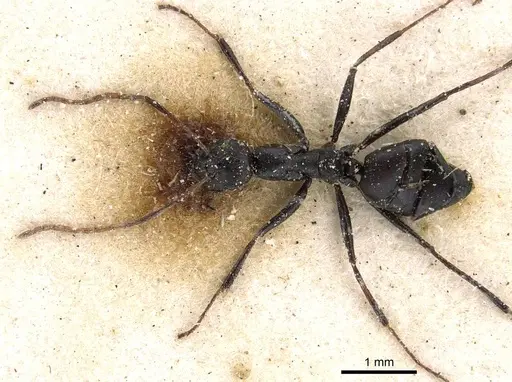
Literature
Loading distribution map...Loading products...