
Lepisiota rothneyi
- Sci. Name
- Lepisiota rothneyi
- Tribe
- Plagiolepidini
- Subfamily
- Formicinae
- Author
- Forel, 1894
- Distribution
- Found in 4 countries
Introduction
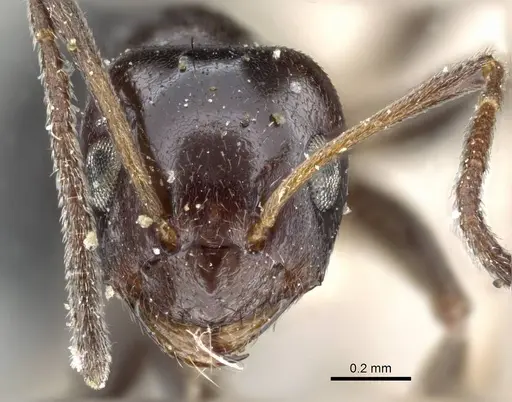
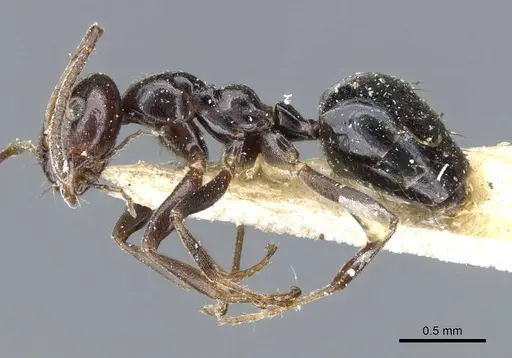
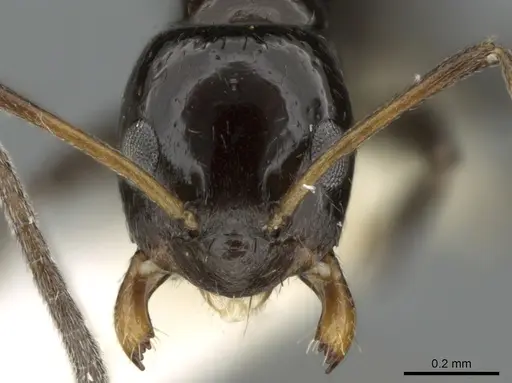
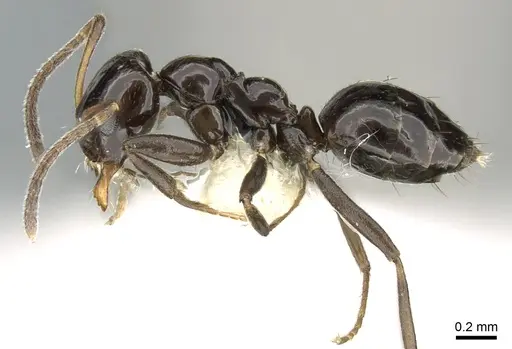
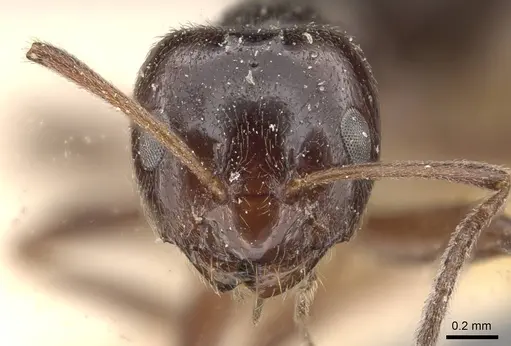
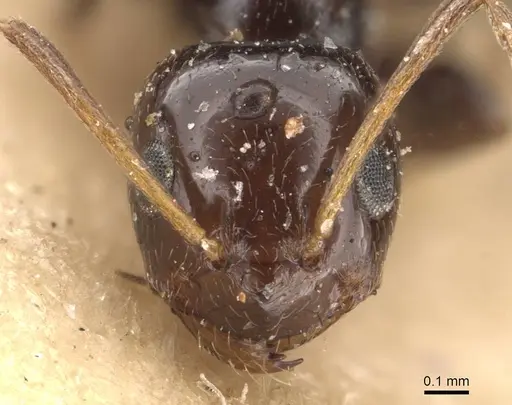
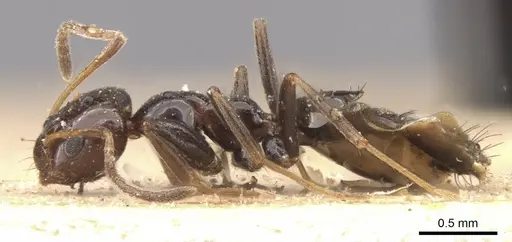
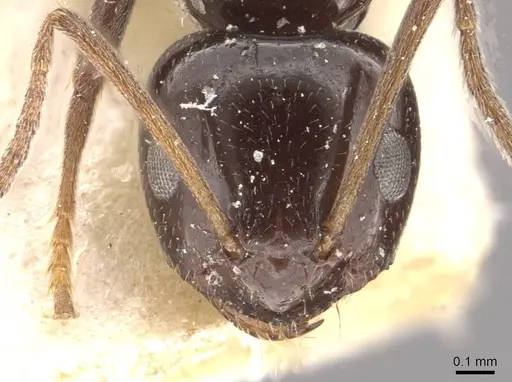
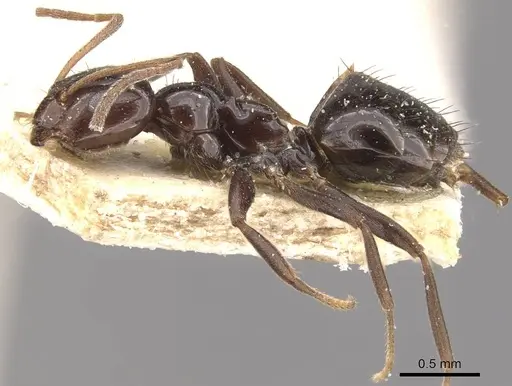
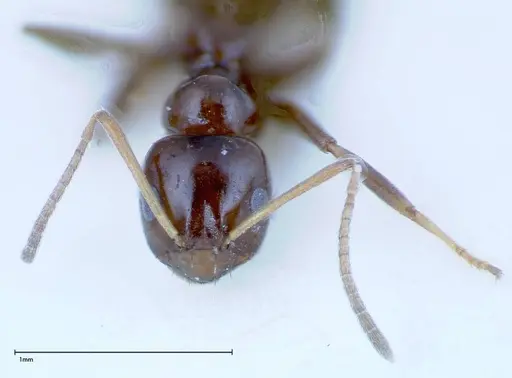
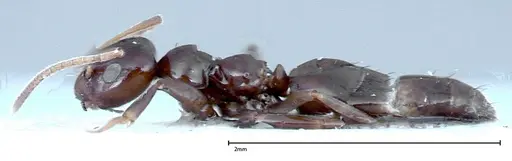
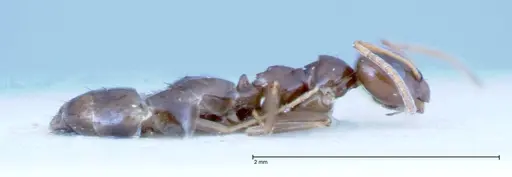
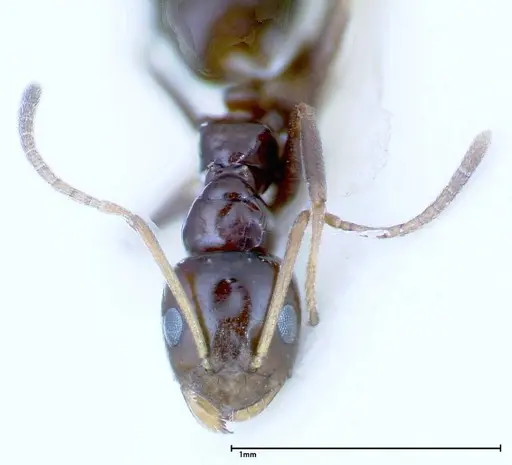
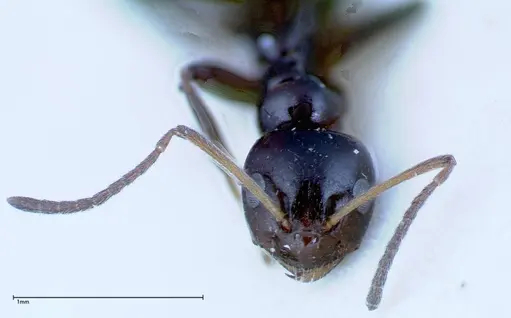
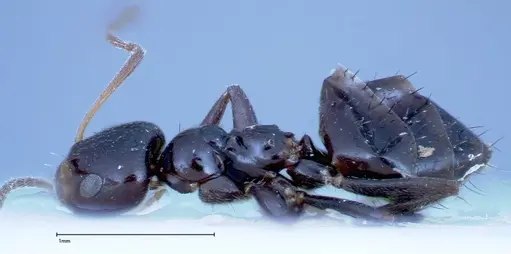
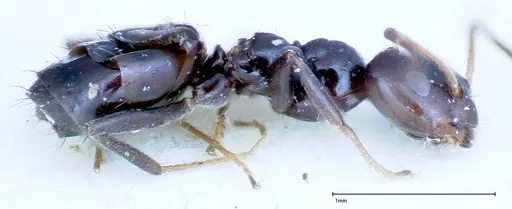
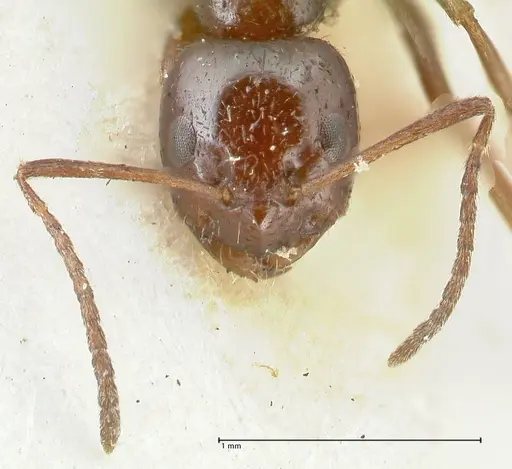
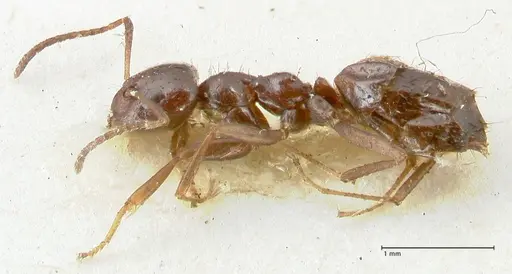
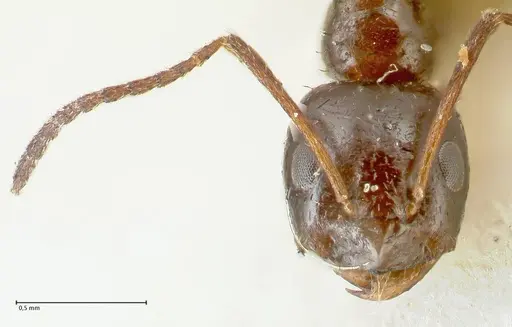
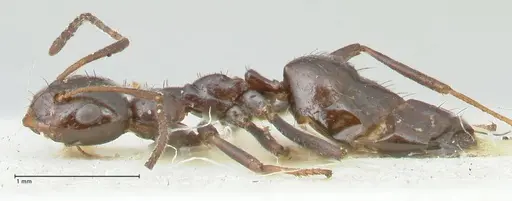
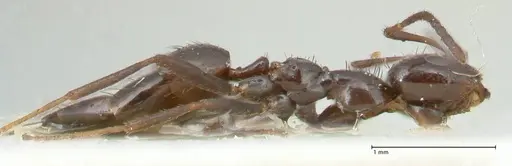
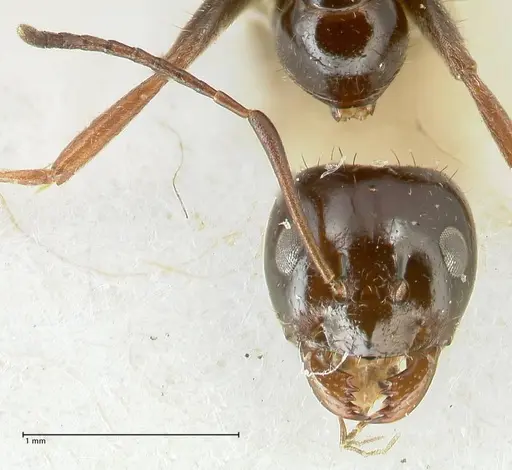
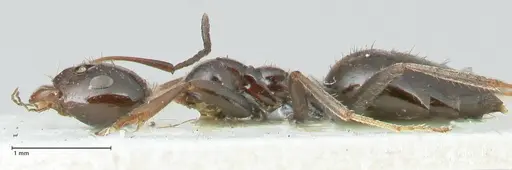
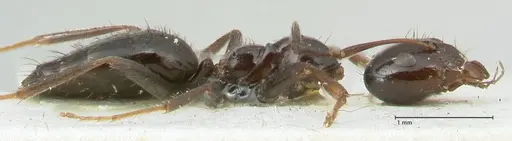
Lepisiota rothneyi is a medium-sized ant native to South and Southeast Asia. Workers measure 2.2-4.5mm in body length and have a smooth, shiny black to brown body with sparse erect hairs . The mandibles, antennae, and legs are reddish-brown, giving them a two-toned appearance. They closely resemble L. wroughtonii but can be identified by their sparser body hair and shinier surface . This species is a habitat specialist restricted to relatively undisturbed primary forest areas, where workers forage on tree trunks and vegetation by beating .
Quick Summary
- Difficulty: Medium
- Origin & Habitat: Native to India, Bangladesh, China, Myanmar, Nepal, and Vietnam. Found across Indian states (Karnataka, Kerala, Orissa, Tamil Nadu, Uttarakhand, West Bengal) and southern China. This is a forest-dwelling species restricted to primary forest at elevations between 1900-2800 meters [3][4][5].
- Colony Type: Colony structure is unconfirmed in scientific literature. Based on typical Lepisiota genus patterns, likely single-queen.
- Size & Growth:
- Antkeeping:
- Temperature: Keep nest around 22-26°C. This species comes from elevated Himalayan regions and tropical highland forests, so moderate temperatures are appropriate. A slight gradient allowing workers to choose their preferred temperature is ideal.
- Humidity: Moderate humidity. Their natural habitat in primary forest suggests they prefer damp conditions. Keep the nest substrate consistently moist but not waterlogged.
- Diapause: Likely required, based on high-altitude distribution (1900-2800m) in Himalayan regions, a winter rest period is probably necessary. Consider 2-3 months at 10-15°C during winter.
- Nesting: In nature, they nest in soil and under stones in forest environments. For captivity, a naturalistic setup with moist soil or a Y-tong/plaster nest works well. They prefer enclosed dark spaces.
- Behavior: Workers are active foragers that search for prey on tree trunks and vegetation during the day. They are predatory, feeding on small insects and larvae including pine caterpillars [1]. They are not particularly aggressive but will defend their nest. Their small to medium size means they can escape through small gaps, use fine mesh barriers.
- Common Issues: escape prevention is critical due to their small size, use tight-fitting lids and fine mesh barriers, habitat specialist restricted to primary forest, may struggle in heavily modified captive environments, wild-caught colonies may carry parasites that can kill captive colonies, specific colony requirements are poorly documented, some trial and error may be needed
Nest Preferences and Housing
Lepisiota rothneyi is a forest-dwelling species that naturally nests in soil and under stones in relatively undisturbed areas. In captivity, they do well in naturalistic setups with moist soil substrate or in Y-tong/plaster nests that maintain humidity. They prefer dark, enclosed spaces and will readily nest in crevices. Because they are habitat specialists restricted to primary forest, they benefit from a more naturalistic setup with hiding spots and climbing structures. Ensure the nest area stays moist but not waterlogged. [3][5]
Feeding and Diet
In the wild, these ants are predatory and actively hunt small insects and larvae. They have been documented preying on pine caterpillars and other lepidopteran early instar larvae [1]. For captive colonies, offer small live prey such as fruit flies, pinhead crickets, and mealworms. They will also accept sugar sources like honey water or sugar water. Feed protein prey 2-3 times per week and provide constant access to sugar water. Remove uneaten prey after 24 hours to prevent mold. Their small size means prey should be appropriately sized.
Temperature and Seasonal Care
This species comes from elevated regions (1900-2800m) in the Himalayas and tropical highland forests, so they prefer moderate temperatures rather than extreme heat [4]. Keep the nest area at 22-26°C with a gentle gradient so workers can regulate their own temperature. A heating cable on one side of the nest can create this gradient. During winter, a diapause period of 2-3 months at 10-15°C may be beneficial, reflecting their natural seasonal cycle in high-altitude habitats.
Behavior and Colony Dynamics
Workers are active foragers that search for food on tree trunks and vegetation during the day [3]. They are not particularly aggressive but will defend their nest if threatened. Because they are a habitat specialist species, they may be more sensitive to environmental disturbances than common tropical ants. Avoid frequent nest changes and maintain stable conditions. They communicate through chemical trails and will establish foraging paths once food sources are discovered.
Escape Prevention
With workers ranging from 2.2-4.5mm, these ants are small enough to escape through standard gaps in poorly sealed setups. Use tight-fitting lids on all outworld containers and apply Fluon or similar barrier products to the upper edges of walls. Fine mesh (0.5mm or smaller) is essential for any ventilation openings. Check for gaps around water tubes and feeding dishes.
Frequently Asked Questions
How long does it take for Lepisiota rothneyi to produce first workers?
Specific development time is unconfirmed for this species. Expect several months from founding to first workers emerging, the exact timeline varies based on temperature and conditions.
What do Lepisiota rothneyi ants eat?
They are predatory ants that primarily eat small insects. Offer live prey like fruit flies, small crickets, and mealworms. They also accept sugar sources such as honey water or sugar water. Feed protein prey 2-3 times per week and keep sugar water available at all times.
Do Lepisiota rothneyi ants need hibernation?
Likely yes. This species is found at high altitudes (1900-2800m) in the Himalayas, where winters are cold. A winter rest period of 2-3 months at 10-15°C is probably beneficial for colony health.
Are Lepisiota rothneyi good for beginners?
Medium difficulty. They require more attention than common tropical ants. Their likely need for hibernation, moderate temperature range, and habitat specialist status make them better suited for keepers with some experience.
Can I keep multiple Lepisiota rothneyi queens together?
Not recommended. Colony structure is unconfirmed for this species, but combining unrelated foundress queens would likely result in fighting. Start with a single mated queen for best success.
How big do Lepisiota rothneyi colonies get?
Colony size is not well documented in scientific literature. Similar Lepisiota species may reach several hundred workers, but specific data for this species is unavailable.
What temperature range is best for Lepisiota rothneyi?
Keep nest temperatures between 22-26°C. A slight gradient allowing workers to choose warmer or cooler areas is ideal. Avoid temperatures above 30°C or below 15°C for extended periods. Their high-altitude origins mean they prefer moderate rather than extreme warmth.
Why are my Lepisiota rothneyi dying?
Common causes include: improper humidity (too dry or waterlogged), temperature stress (too hot or cold), lack of winter rest, parasites from wild-caught colonies, or escape-related losses. Review your setup against their forest habitat requirements. Wild-caught colonies often carry parasites, quarantine and monitor new colonies carefully.
When should I move Lepisiota rothneyi to a formicarium?
Wait until the colony has at least 20-30 workers before transitioning to a formicarium. They do well in naturalistic setups, so consider a plaster or Y-tong nest with moisture-retaining substrate. Ensure the new setup can maintain stable humidity. Move gradually and allow the colony to adapt.
Report an Issue
The current care sheet is based fully on literature. See inconsistencies, or something that's incorrect? Please , it will be resolved after review from an admin. Contributing to the blogs tab also helps providing information, to make us be able to further improve the caresheets. Thank you for your support!
References

This caresheet is licensed under CC BY-SA 4.0 .
Community Blogs
CASENT0905145
View on AntWeb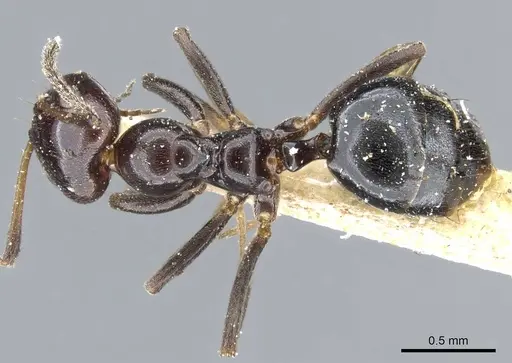
CASENT0906254
View on AntWeb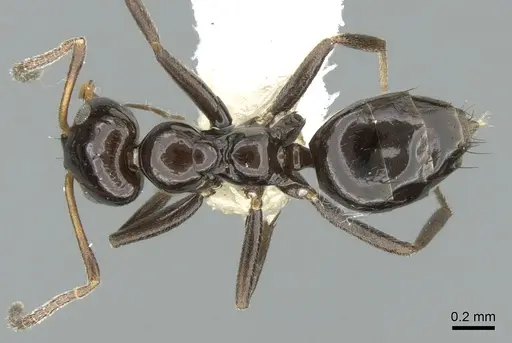
CASENT0909865
View on AntWeb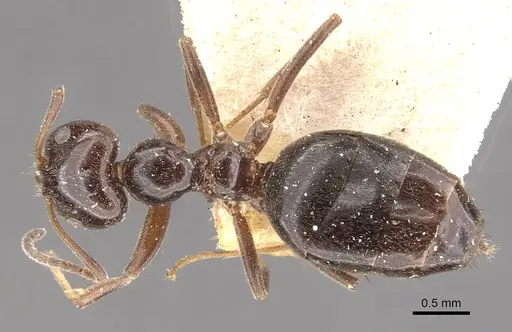
CASENT0909866
View on AntWeb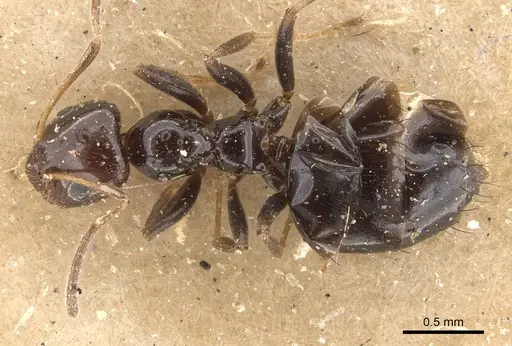
CASENT0909867
View on AntWeb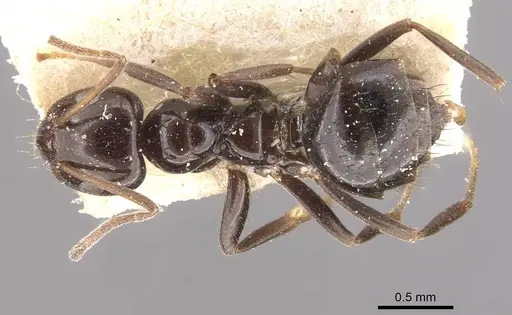
FOCOL0154-1
View on AntWeb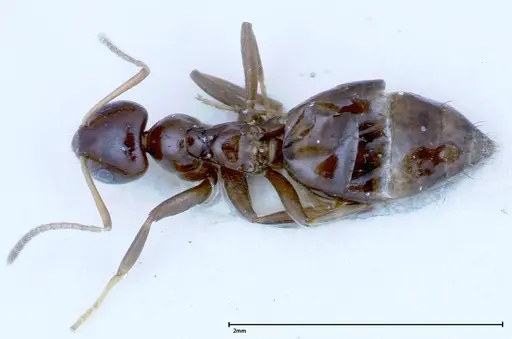
FOCOL0154-2
View on AntWeb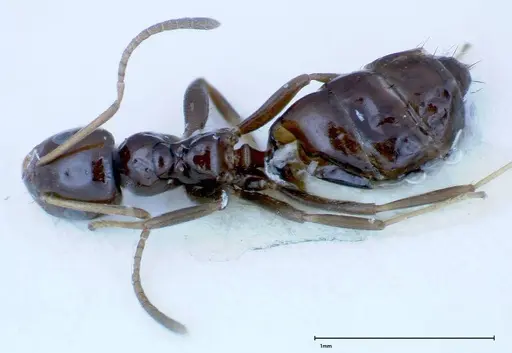
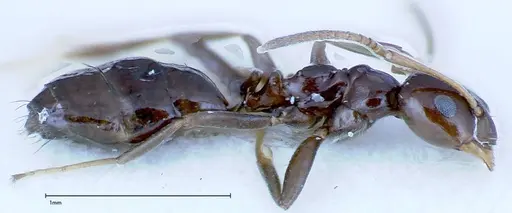
FOCOL0161
View on AntWeb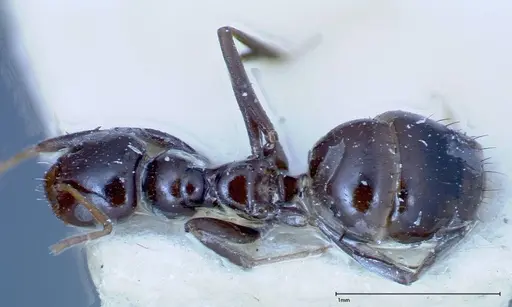
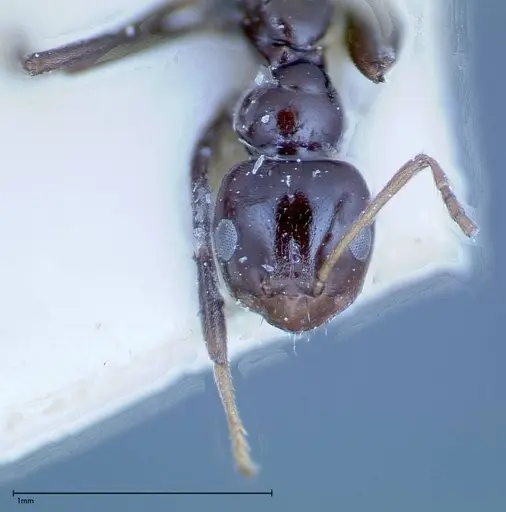
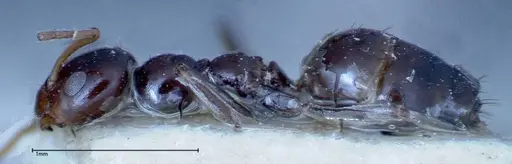
FOCOL0162
View on AntWeb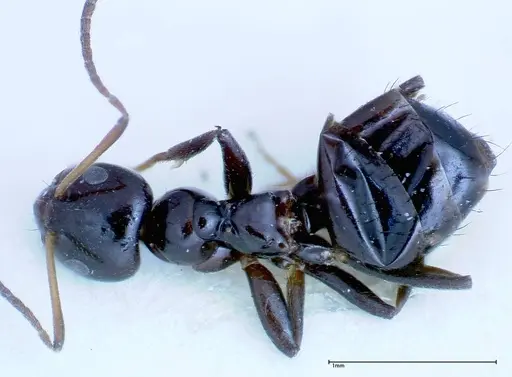
FOCOL2227
View on AntWeb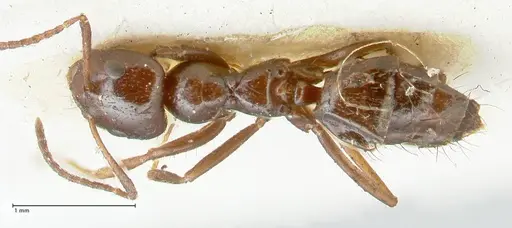
FOCOL2228
View on AntWeb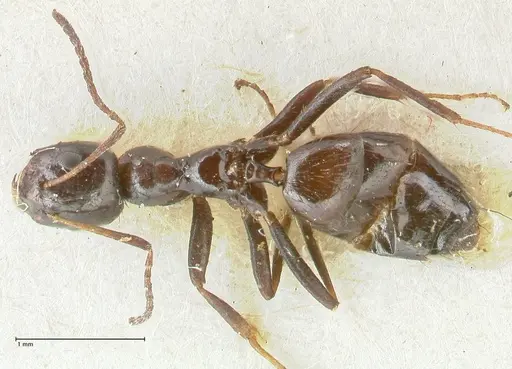
FOCOL2229
View on AntWeb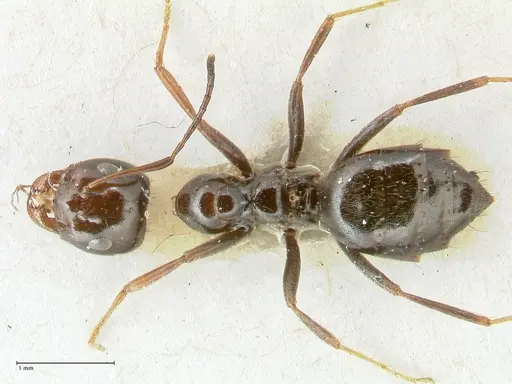
Literature
Loading distribution map...Loading products...