
Lepisiota riyadha
- Sci. Name
- Lepisiota riyadha
- Tribe
- Plagiolepidini
- Subfamily
- Formicinae
- Author
- Collingwood & Agosti, 1996
- Distribution
- Found in 1 countries
Introduction
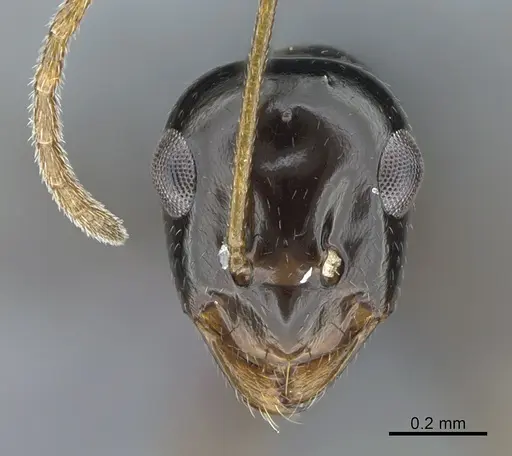
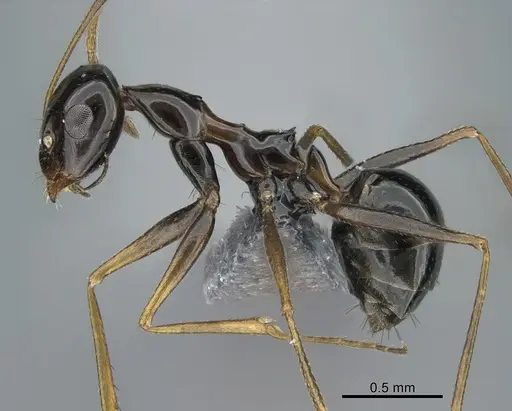
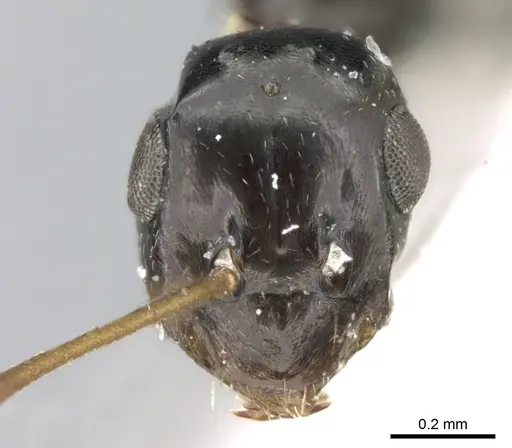
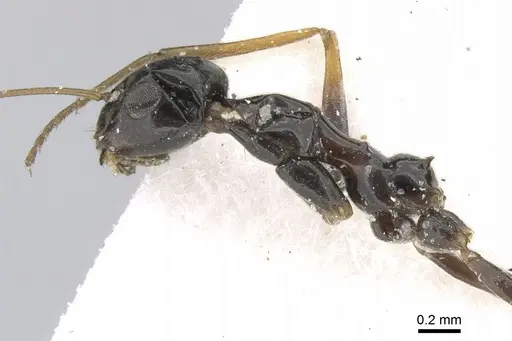
Lepisiota riyadha is a small ant species endemic to Saudi Arabia, first described by Collingwood and Agosti in 1996. Workers are dark brown to black-brown, similar in coloration to Lepisiota frauenfeldi but with notably longer antennal scapes. Petiole spines are well developed but not as elongated as in some related species. This species belongs to the Formicinae subfamily and Plagiolepidini tribe. This species is endemic to the Arabian Peninsula with Palearctic affinities, representing a unique keeping opportunity for ant enthusiasts interested in less-commonly-kept species from arid regions.
Quick Summary
- Difficulty: Medium
- Origin & Habitat: Endemic to Saudi Arabia, specifically collected from the Riyadh Agricultural Station. This species inhabits arid to semi-arid environments typical of the Arabian Peninsula's interior regions. The Palearctic affinity suggests it can tolerate cooler temperatures than truly tropical species [1].
- Colony Type: Colony structure is unconfirmed. Based on typical Lepisiota patterns, likely single-queen colonies, though this requires verification.
- Size & Growth:
- Queen: Size data unavailable, no queen description exists in available literature [2].
- Worker: Size data unavailable, the species has been described from worker measurements but total body length was not recorded [3][4][2].
- Colony: Unknown, no colony size data available for this species.
- Growth: Unknown, no specific growth data available.
- Development: Unknown, no species-specific development data available. (Development data unavailable for this species.)
- Antkeeping:
- Temperature: Keep at 24-30°C, with a warm zone around 28°C. Provide a temperature gradient so ants can self-regulate. This species is adapted to the hot interior of Saudi Arabia [1].
- Humidity: Low to moderate humidity. These are desert-adapted ants that prefer dry conditions. Allow the nest to dry out between waterings. Provide a small water source via test tube but avoid excessive moisture.
- Diapause: Likely partial dormancy during cooler winter months. Reduce temperature to 15-18°C for 2-3 months if keeping in a temperate climate. Based on typical Palearctic ant behavior.
- Nesting: Provide a dry nest environment. Y-tong (AAC) nests or plaster nests work well for this species. Avoid overly humid setups. They likely nest in soil or under stones in the wild.
- Behavior: Likely aggressive with a painful sting, typical of the genus. Workers are active foragers and will defend their nest vigorously. Escape prevention is important, while not among the smallest ants, they can still squeeze through small gaps. Use standard barrier methods. Based on related Arabian Lepisiota species known for defensive behavior [3][1].
- Common Issues: lack of species-specific care data means recommendations are based on genus patterns., aggressive defensive behavior means handling requires caution, they will sting., unknown colony structure makes it difficult to advise on multi-queen situations., dry habitat requirements can conflict with keeping other ant species., limited availability makes this a species for enthusiasts willing to experiment.
Nest Preferences and Housing
Lepisiota riyadha is adapted to the arid interior of Saudi Arabia, so it needs a dry nest environment. Y-tong (AAC) nests work well because they provide good ventilation and allow you to control humidity precisely. Plaster nests are another good option, just keep them on the dry side. Avoid setups that retain too much moisture, as this can cause fungal problems and stress the colony.
For the outworld, use a simple setup with an escape-proof barrier. These ants are active foragers, so give them some space to move around. A test tube setup works for founding colonies, just make sure the cotton is not too wet. As the colony grows, you can transition to a small formicarium connected to an outworld area. [1][2]
Feeding and Diet
Based on typical Lepisiota feeding behavior, these ants are omnivorous and will accept both protein and sugar sources. Offer sugar water, honey, or diluted syrup as a constant energy source. For protein, provide small insects like fruit flies, pinhead crickets, or mealworms. In the wild, they likely forage for small arthropods and tend honeydew-producing insects.
Feed protein 2-3 times per week, adjusting based on colony size and consumption. Remove uneaten prey after 24-48 hours to prevent mold. Keep sugar water available at all times in a shallow container to prevent drowning. [2]
Temperature and Seasonal Care
Maintain warm temperatures of 24-30°C, with an ideal zone around 28°C. This species is from the hot interior of Saudi Arabia and requires warmth to thrive. Use a heating cable or mat on one side of the nest to create a temperature gradient, allowing ants to move between warmer and cooler areas.
During winter in temperate climates, provide a cool period around 15-18°C for 2-3 months to simulate natural seasonal changes. This helps maintain healthy colony cycles. Do not cool them below 10°C as this could be harmful. Reduce feeding during this period. [1][2]
Behavior and Defense
Lepisiota species are known for their aggressive defensive behavior and painful stings. While L. riyadha specifically has not been studied for sting potency, related Arabian species are known to deliver painful stings. When threatened, workers will swarm out to defend the nest and can sting repeatedly.
Handle with care and avoid disturbing the nest unnecessarily. Use appropriate escape prevention since stressed colonies are more likely to bolt. Workers are active foragers and will readily explore their outworld in search of food. [3][1][2]
Frequently Asked Questions
How long does it take for Lepisiota riyadha to produce first workers?
The exact timeline is unknown. Based on similar Lepisiota species and Formicinae development patterns, expect several months from egg to worker at optimal temperature (around 28°C).
What temperature do Lepisiota riyadha need?
Keep them warm at 24-30°C, ideally around 28°C. They are adapted to the hot interior of Saudi Arabia and need warmth to thrive. Provide a temperature gradient so they can self-regulate.
Can I keep Lepisiota riyadha in a test tube?
Yes, test tubes work well for founding colonies. Keep the setup dry, these are desert-adapted ants that prefer arid conditions. Use a small water reservoir but avoid excessive moisture.
How big do Lepisiota riyadha colonies get?
Colony size is unknown for this specific species. Expect moderate growth over several years.
Do Lepisiota riyadha need hibernation?
Based on their Palearctic distribution in Saudi Arabia, they likely benefit from a cool period during winter (2-3 months at 15-18°C). This simulates natural seasonal cycles and helps maintain colony health.
What do Lepisiota riyadha eat?
They are omnivorous. Offer sugar water or honey as a constant energy source, and protein sources like small insects (fruit flies, pinhead crickets, mealworms) 2-3 times per week.
Is Lepisiota riyadha good for beginners?
This species is rated as medium difficulty. While not the most challenging ant, the lack of species-specific care data and their potentially aggressive nature make them better suited for antkeepers with some experience.
Can I keep multiple Lepisiota riyadha queens together?
The colony structure is unconfirmed for this species. Based on typical Lepisiota patterns, they likely form single-queen colonies. Combining unrelated queens is not recommended without specific evidence they can coexist.
When should I move Lepisiota riyadha to a formicarium?
Move from test tube to a small formicarium when the colony reaches several dozen workers and the test tube setup becomes cramped. Ensure the formicarium provides appropriate dry conditions.
Report an Issue
The current care sheet is based fully on literature. See inconsistencies, or something that's incorrect? Please , it will be resolved after review from an admin. Contributing to the blogs tab also helps providing information, to make us be able to further improve the caresheets. Thank you for your support!
References

This caresheet is licensed under CC BY-SA 4.0 .
Community Blogs
CASENT0264017
View on AntWeb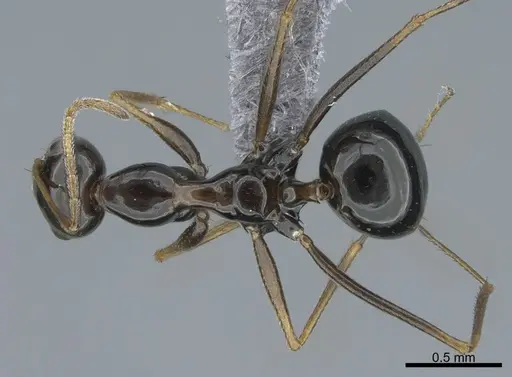
CASENT0906335
View on AntWeb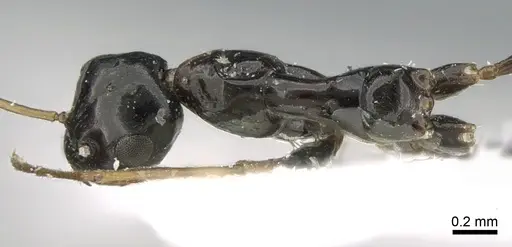
Literature
Loading distribution map...Loading products...