
Lepisiota nigrisetosa
- Sci. Name
- Lepisiota nigrisetosa
- Tribe
- Plagiolepidini
- Subfamily
- Formicinae
- Author
- Santschi, 1935
- Distribution
- Found in 1 countries
Introduction
Lepisiota nigrisetosa is a medium-sized ant species native to the Democratic Republic of Congo, specifically recorded in the Kasai region . This species is endemic to central Africa, found naturally only in this area. As a member of the genus Lepisiota (formerly part of Acantholepis), these ants are known for their slender build and typically dark coloration. Workers of this genus are generally 3-5mm, though specific measurements for nigrisetosa have not been documented . The species name 'nigrisetosa' suggests dark (niger) and bristly (setosa) characteristics, though exact physical descriptions from specimens are limited in available literature.
Quick Summary
- Difficulty: Unknown, limited captive data available for this species
- Origin & Habitat: Democratic Republic of Congo, Kasai region. Endemic to this area [1].
- Colony Type: Colony structure is unconfirmed for this species. Many Lepisiota species are monogyne (single queen), but polygyny has been documented in some genus members [2].
- Size & Growth:
- Queen: Estimated 5-7mm, inferred from typical Lepisiota genus size range
- Worker: Estimated 3-5mm, inferred from typical Lepisiota genus size range [2]
- Colony: Unknown for this specific species
- Growth: Unknown
- Development: Estimated 6-10 weeks based on typical Formicinae development at warm temperatures (Development time is estimated from related species, specific data for nigrisetosa is unavailable)
- Antkeeping:
- Temperature: Start around 24-28°C, which is typical for central African ants. Adjust based on colony activity.
- Humidity: Aim for moderate to high humidity (60-80%), reflecting their tropical origin. Keep substrate consistently moist but not waterlogged.
- Diapause: Unknown, tropical species from DRC may not require hibernation, but this has not been studied
- Nesting: No specific nesting data available. Based on genus patterns, they likely prefer soil nests or will accept test tubes and artificial nests. Provide a moist nesting area [2].
- Behavior: Behavior is unconfirmed for this species. Many Lepisiota species are active foragers with moderate aggression, but specific temperament data for nigrisetosa is lacking [2]. Escape prevention should be standard (medium-sized ants need proper barriers).
- Common Issues: limited species-specific information makes care recommendations uncertain, wild-caught colonies may have parasites or diseases not documented, tropical origin means temperature must be maintained year-round, colony size and growth rate are unknown, making feeding schedules difficult to optimize, endemic status means captive breeding lines may not be established
Species Overview and Distribution
Lepisiota nigrisetosa is endemic to the Kasai region of the Democratic Republic of Congo in central Africa. The species was originally described by Santschi in 1935 and has been recorded in scientific surveys of the region [1]. This ant belongs to the genus Lepisiota, which contains approximately 80 species distributed primarily throughout Africa and parts of Asia. The genus is characterized by their slender build, relatively long legs, and typically dark coloration [2]. Unfortunately, detailed morphological descriptions and biological studies specifically for L. nigrisetosa are scarce in available literature, making this a poorly understood species in captivity.
Housing and Nesting
Since specific nesting data for nigrisetosa is unavailable, housing recommendations must be based on typical Lepisiota genus behavior. These ants likely prefer nesting in soil or decaying wood in their natural habitat [2]. For captivity, standard test tube setups work well for founding colonies, transitioning to formicariums as the colony grows. Provide a moist nesting chamber, these are tropical ants that likely appreciate humidity. A small outworld for foraging allows you to observe their behavior. Ensure escape prevention is adequate, though they are not as small as some other genera.
Feeding and Diet
Diet specifics for Lepisiota nigrisetosa have not been documented. Based on genus patterns, they likely have an omnivorous diet typical of Formicinae ants, accepting sugar sources (honey, sugar water) and protein (insects, small prey) [2]. In the wild, many Lepisiota species forage for honeydew from aphids and tend scale insects, as well as hunting small invertebrates. For captive care, offer a mix of sugar water or honey as a constant energy source, along with protein foods like fruit flies, small crickets, or mealworms. Feed protein 2-3 times per week and remove uneaten prey within 24 hours.
Temperature and Seasonal Care
As a species from the Democratic Republic of Congo (a tropical central African country), these ants likely require warm temperatures year-round. Start with an ambient temperature of 24-28°C, which matches their natural environment. A slight temperature gradient allows the colony to self-regulate. Whether they require any seasonal cooling or dormancy period is unknown, tropical ants from this region typically remain active year-round. Monitor your colony: if workers become sluggish, consider slightly increasing temperature, if they avoid the heated area, reduce it. Without specific data, err on the side of providing stable warmth.
Colony Development
The development timeline for Lepisiota nigrisetosa has not been specifically studied. Based on typical Formicinae development patterns, expect approximately 6-10 weeks from egg to first worker (nanitic) at optimal warm temperatures. The first workers will likely be smaller than mature workers (nanitics are common in newly founded colonies). Colony growth rate is unknown but is likely moderate, Lepisiota colonies typically reach several hundred workers over time [2]. Be patient with founding colonies, as they grow slowly at first and speed up once the first workers are established.
Frequently Asked Questions
How long does it take for Lepisiota nigrisetosa to produce first workers?
The exact timeline is unknown for this species, but based on typical Formicinae development, expect 6-10 weeks from egg to first worker at warm temperatures (around 24-28°C).
What temperature should I keep my Lepisiota nigrisetosa colony at?
Start with 24-28°C as a baseline. Tropical ants from central Africa typically need warm, stable conditions year-round. Adjust based on colony behavior.
Can I keep multiple Lepisiota nigrisetosa queens together?
The colony structure for this species is unconfirmed. Many Lepisiota species are monogyne (single queen), but some can be polygyny [2]. Without specific data, it is not recommended to combine unrelated queens.
What do Lepisiota nigrisetosa ants eat?
Based on genus patterns, they likely accept sugar sources (honey, sugar water) and protein (small insects like fruit flies, pinhead crickets, or mealworms). Offer sugar constantly and protein 2-3 times weekly [2].
Is Lepisiota nigrisetosa a good species for beginners?
This cannot be determined with confidence due to limited species-specific data. The genus Lepisiota is manageable in captivity, but this particular species lacks established care guidelines. Experienced antkeepers may have better success with species that have more documented care information.
How big do Lepisiota nigrisetosa colonies get?
Colony size is unknown for this specific species. Based on genus patterns, they likely reach several hundred workers, but this is an estimate [2].
Does Lepisiota nigrisetosa need hibernation?
Diapause requirements are unknown. As a tropical species from the DRC, they likely do not require hibernation and should be kept warm year-round.
Where is Lepisiota nigrisetosa naturally found?
This species is endemic to the Kasai region of the Democratic Republic of Congo in central Africa [1].
When do Lepisiota nigrisetosa nuptial flights occur?
Nuptial flight timing is unconfirmed for this species. Tropical African ants typically have flights during warm, humid seasons, but specific data is not available.
Report an Issue
The current care sheet is based fully on literature. See inconsistencies, or something that's incorrect? Please , it will be resolved after review from an admin. Contributing to the blogs tab also helps providing information, to make us be able to further improve the caresheets. Thank you for your support!
References

This caresheet is licensed under CC BY-SA 4.0 .
Community Blogs
CASENT0066878
View on AntWeb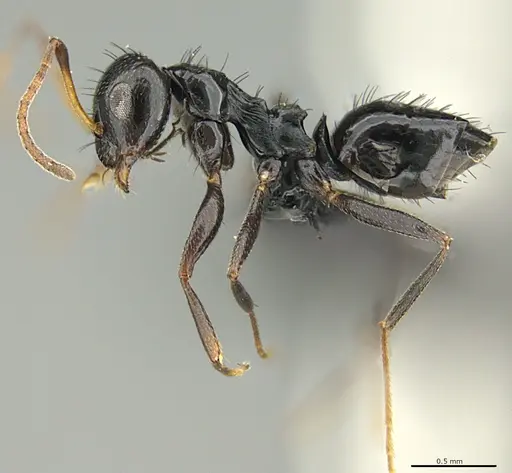
RMCAENT000017805
View on AntWeb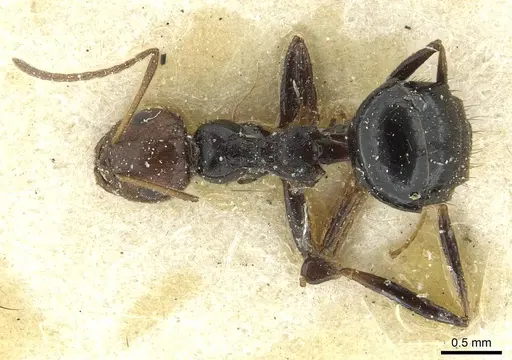
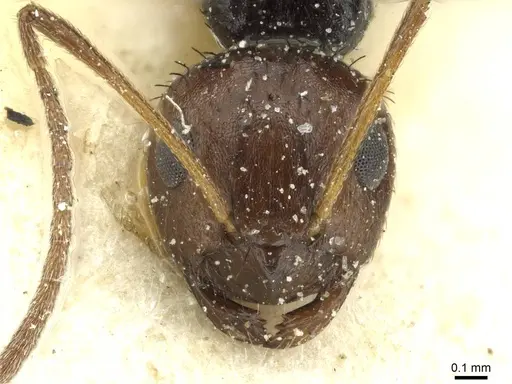
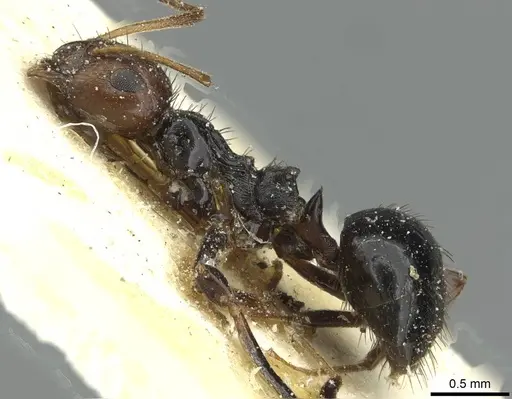
Literature
Loading distribution map...Loading products...