
Lepisiota longinoda
- Sci. Name
- Lepisiota longinoda
- Tribe
- Plagiolepidini
- Subfamily
- Formicinae
- Author
- Arnold, 1920
- Distribution
- Found in 2 countries
Introduction
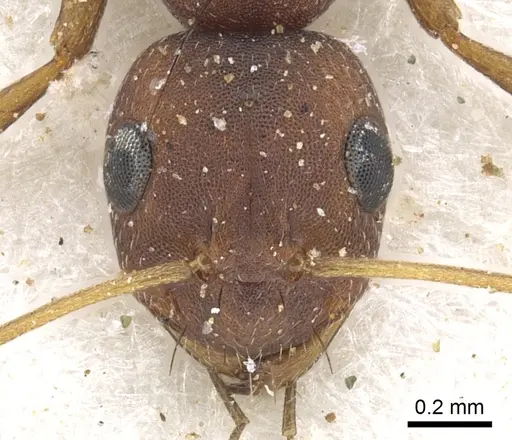
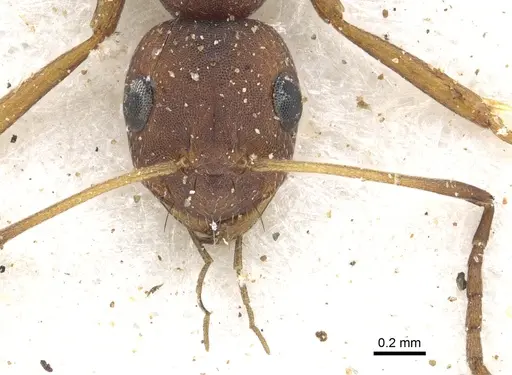
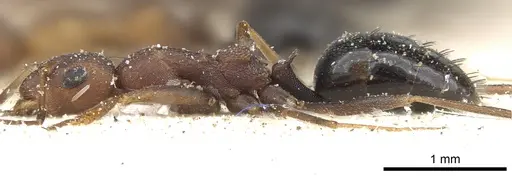
Lepisiota longinoda is a small ant species native to southern Africa and the Arabian Peninsula, with workers estimated to be around 2-4mm based on genus patterns . It has a dark brown to black coloration and is recorded in Zimbabwe, Eswatini, South Africa, and Oman . This species is classified as an opportunist functional group, thriving in disturbed habitats like savannahs and rock outcrops . It was originally described as Acantholepis longinoda in 1920 before being reclassified to Lepisiota .
Quick Summary
- Difficulty: Easy
- Origin & Habitat: Southern Africa (Zimbabwe, Eswatini, South Africa) and Oman, found in savannah environments, rock outcrops, and disturbed areas [4][2].
- Colony Type: Colony structure is unconfirmed, based on Lepisiota genus patterns, likely monogyne (single queen colonies) [1].
- Size & Growth:
- Queen: ~5-7mm inferred from Lepisiota genus patterns [1]
- Worker: ~2-4mm inferred from Lepisiota genus patterns [1]
- Colony: Up to several hundred workers estimated from opportunist patterns [3]
- Growth: Moderate
- Development: Estimated 6-8 weeks based on typical Formicinae development at warm temperatures [1] (Development time is inferred from related species, specific data for L. longinoda is not available)
- Antkeeping:
- Temperature: Keep warm and stable, roughly 22-26°C, based on elevation tolerance up to 1400m [5].
- Humidity: Provide a humidity gradient, mostly dry nest with one small moist area, as they occur in dry habitats like savannahs and rock outcrops [4].
- Diapause: Based on geographic range in warm climates, likely no diapause required, but a slight winter reduction may be beneficial [1].
- Nesting: Will accept standard nest types like test tubes or Y-tong nests, naturally nest in soil under stones or rock crevices [4].
- Behavior: This opportunist species is adaptable and quick to establish colonies. Workers are not particularly aggressive but have moderate foraging activity. Escape prevention is critical due to their small size, ensure all gaps are very small.
- Common Issues: escape prevention must be good due to small size, use fine mesh and tight-fitting lids., as an opportunist species, they may abandon colonies if conditions are poor., limited specific data means some care parameters are estimates based on genus patterns.
Housing and Nest Setup
You can use common ant keeping setups for Lepisiota longinoda. Test tubes work well for founding colonies with a water reservoir separated by a cotton plug. For established colonies, Y-tong or plaster nests provide good visibility and humidity control. Because workers are small, ensure all connections and gaps are very small to prevent escapes. A small outworld connected to the nest works for feeding [1][4].
Feeding and Diet
You should offer sugar water or honey as a constant energy source. For protein, provide small insects like fruit flies or mealworm pieces 2-3 times per week. Remove uneaten food after 24 hours to prevent mold. This species is omnivorous and adaptable to varied foods [1].
Temperature and Seasonal Care
Keep your colony at 22-26°C, as this species tolerates a range of temperatures based on elevation data up to 1400m [5]. Room temperature in this range is ideal. Avoid temperatures below 18°C or above 30°C for extended periods. If needed, use a heating cable on one side of the nest to create a gentle gradient [5].
Colony Development
Colony growth should be moderate. Founding queens may take several months to produce first workers. Once established, growth accelerates as more workers forage and care for brood. Be patient during founding and avoid disturbing the queen, as claustral queens rely on stored fat reserves [1].
Frequently Asked Questions
How long does it take for Lepisiota longinoda to produce first workers?
Based on typical Formicinae development, expect first workers around 6-8 weeks after egg laying at optimal temperatures around 24°C. This is an estimate as specific data is not available [1].
What do Lepisiota longinoda ants eat?
They are omnivorous. Offer sugar water or honey constantly, and protein sources like small insects 2-3 times per week. Remove uneaten food after a day [1].
Can I keep multiple Lepisiota longinoda queens together?
This is not recommended. Colony structure is unconfirmed, but most Lepisiota species are monogyne. Combining queens typically leads to fighting and failure [1].
What temperature do Lepisiota longinoda ants need?
Keep them at 22-26°C, based on their tolerance to elevation gradients in the wild [5]. Room temperature in this range is ideal.
Are Lepisiota longinoda ants good for beginners?
Yes, this species is considered easy to keep. As an opportunist, it is adaptable and forgiving of minor care mistakes [3].
How big do Lepisiota longinoda colonies get?
Colonies likely reach up to several hundred workers based on opportunist patterns [3]. Specific maximum size is not documented.
Do Lepisiota longinoda ants need hibernation?
Probably not, as their native range has warm climates year-round. A slight winter reduction is fine but not required [1].
When should I move my colony to a formicarium?
Wait until the colony has 20-30 workers before moving. Test tubes work for smaller colonies, switch to a formicarium when more space is needed [1].
Why are my Lepisiota longinoda ants dying?
Common causes include poor escape prevention due to small size, incorrect humidity, temperature stress, or mold from uneaten food. Check these parameters first [1].
Report an Issue
The current care sheet is based fully on literature. See inconsistencies, or something that's incorrect? Please , it will be resolved after review from an admin. Contributing to the blogs tab also helps providing information, to make us be able to further improve the caresheets. Thank you for your support!
References

This caresheet is licensed under CC BY-SA 4.0 .
Community Blogs
CASENT0235896
View on AntWeb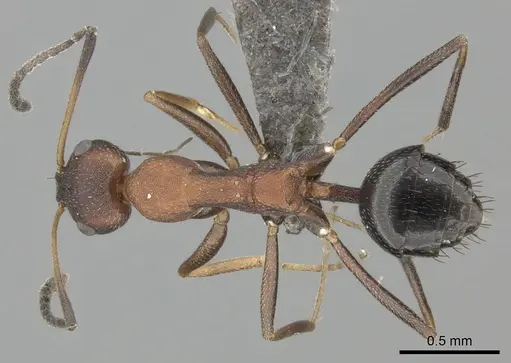
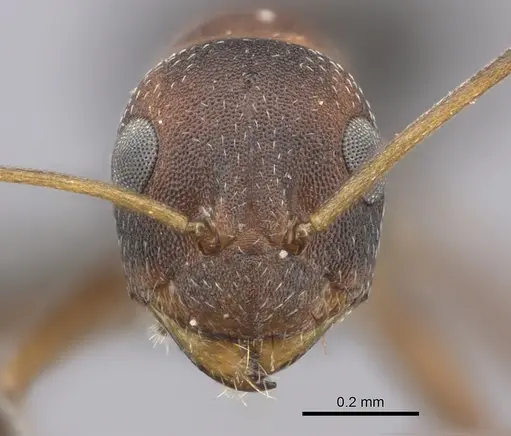
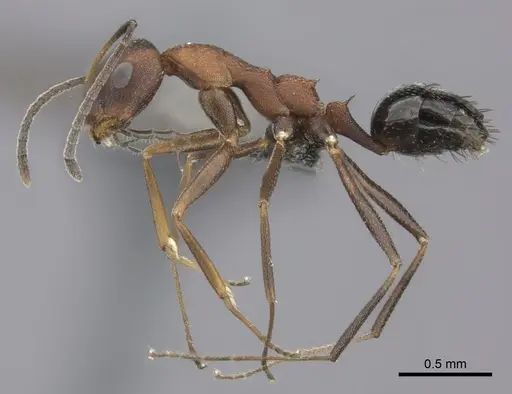
CASENT0903147
View on AntWeb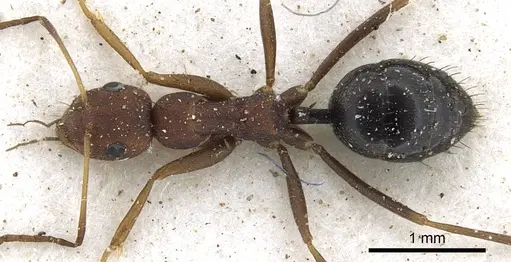
Literature
Loading distribution map...Loading products...