
Small Spiny Sugar Ant
Lepisiota incisa
- Sci. Name
- Lepisiota incisa
- Tribe
- Plagiolepidini
- Subfamily
- Formicinae
- Author
- Forel, 1913
- Common Name
- Small Spiny Sugar Ant
- Distribution
- Found in 1 countries
Introduction
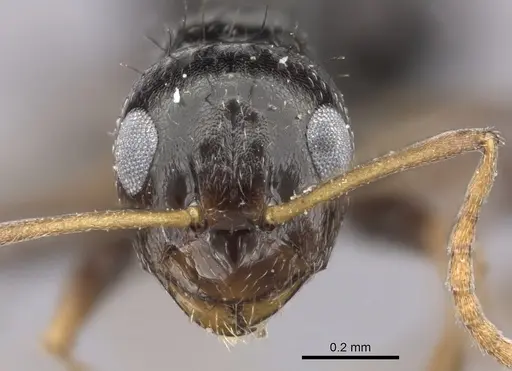
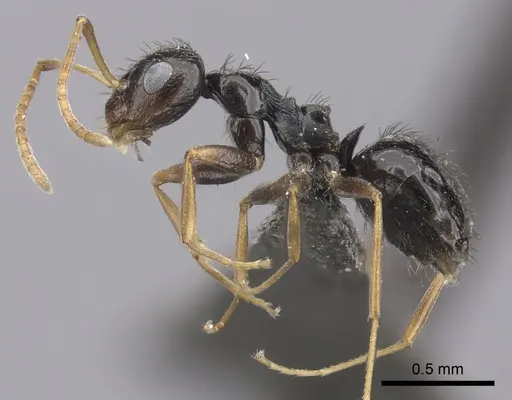
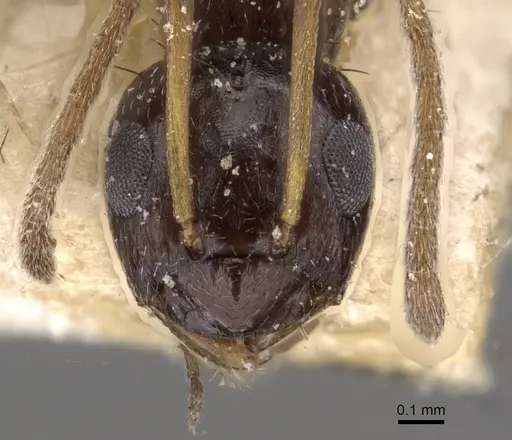
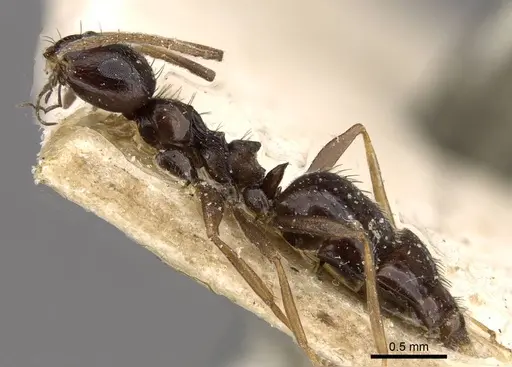
Lepisiota incisa is a small ant species native to tropical Africa and the Arabian Peninsula. Workers are dark brown to black with distinctive long stiff hairs (setae) on the head and mesosoma. The head has a strongly convex posterior margin. This species is notable for its invasive behavior - it has established massive supercolonies in Kruger National Park, South Africa (arrived in the 1990s) and was detected in Western Australia in 2020,where an eradication program is ongoing . In its native range, it thrives in human-disturbed habitats and forms large supercolonies that dominate local ant communities.
Quick Summary
- Difficulty: Expert
- Origin & Habitat: Native to tropical Africa (Democratic Republic of Congo, Kenya, Nigeria, Rwanda) and the Arabian Peninsula (Saudi Arabia, Yemen). Found in human-disturbed areas and well-vegetated suburbs. Has become invasive in Kruger National Park, South Africa and Western Australia [1][2][3][4][5][6].
- Colony Type: Supercolonial, forms large networks of cooperating nests with genetically diverse colonies. Multiple supercolonies exist in invaded areas like Kruger National Park [7].
- Size & Growth:
- Queen: size data unavailable, no specific measurements found for this species
- Worker: approximately 3mm, inferred from related Lepisiota species [6]
- Colony: very large, supercolonies can span hundreds of meters with thousands of workers [7]
- Growth: moderate, fast once established
- Development: development timeline unconfirmed for this species (no specific development data available, typical Formicinae development may take several weeks at warm temperatures)
- Antkeeping:
- Temperature: keep at 24-28°C. This species comes from warm tropical and subtropical regions
- Humidity: moderate humidity, allow some drying between water additions
- Diapause: likely minimal or no true diapause given tropical origin
- Nesting: Y-tong or plaster nests work well. Provide a moisture chamber
- Behavior: Highly aggressive and territorial toward other ant species. Forms supercolonies with multiple queens cooperating. Workers are active foragers that tend leafhoppers for honeydew and hunt small prey. They are dominant in their native range and outcompete native ants in invaded areas. Escape prevention is important due to their small size, use fine mesh barriers. WARNING: This species is invasive and ecologically harmful, NEVER release in non-native areas.
- Common Issues: invasive species, never release in any non-native area including North America, Europe, or Australia, small size requires fine mesh barriers to prevent escapes, supercolonial growth can lead to large aggressive colonies, establishing foundress colonies can be difficult, this species should not be kept by beginners due to invasive status
Invasive Status and Legal Considerations
Lepisiota incisa is a significant concern due to its invasive potential. The species has established massive supercolonies in Kruger National Park, South Africa, where it arrived in the 1990s and now dominates all native ant communities [7]. It was detected in Western Australia in 2020 and has spread to at least 14 locations, prompting an ongoing eradication program [1][2]. If you keep this species, you must NEVER release any ants or queens into non-native areas. This applies especially to North America, Europe, and Australia where they could cause severe ecological damage. If you can no longer care for your colony, contact a local antkeeper or reptile/exotic pet store that accepts ant colonies.
Colony Structure and Supercolonies
Unlike most ant species that have one queen per nest, L. incisa forms supercolonies, massive networks of cooperating nests with many queens. In Kruger National Park, researchers believe a single supercolony derived from one invading colony has spread across hundreds of kilometers [7]. However, at individual sites, workers are hostile to conspecifics from elsewhere in the park, suggesting a second supercolony has established [7]. This supercolonial structure means your colony may have multiple egg-laying queens from the start, leading to rapid population growth once founding is complete. The genetically diverse supercolonies show little intraspecific aggression, which is unusual among ants.
Feeding and Diet
In the wild, L. incisa workers are active foragers that hunt small insects and arthropods. They also tend leafhoppers, protecting them and harvesting their honeydew, a sugary waste product the leafhoppers excrete [3]. Smaller ants like this species were observed attending leafhoppers near the base of plants where leaves cluster together [3]. In captivity, offer a varied diet: protein sources like small crickets, fruit flies, or mealworms several times per week, plus constant access to sugar water or honey. Their small size means prey should be appropriately sized.
Temperature and Heating
Given its African and Arabian distribution, L. incisa prefers warm conditions. Keep the nest area at 24-28°C for optimal brood development. A heating cable or mat on one side of the nest creates a temperature gradient that lets workers choose their preferred zone. Room temperature may suffice if your home stays in the low-to-mid 20s°C range. Avoid temperatures below 20°C for extended periods, this species originates from tropical regions and cold stress can weaken colonies.
Escape Prevention
With workers around 3mm in size, L. incisa poses a significant escape risk. Their small bodies can squeeze through gaps that seem impossibly tight. Use fine mesh on all ventilation holes. Apply Fluon or similar barrier products to the rim of test tubes and formicarium connections. Check connections between the outworld and nest area regularly, these small ants are persistent and will find any gap. When feeding in the outworld, ensure all gaps around feeding stations are sealed.
Nesting Preferences
L. incisa adapts to various nest types in captivity. Y-tong nests work well because they allow you to control humidity precisely. Plaster nests with a moisture chamber maintain the slight dampness this species prefers. Test tube setups are suitable for founding colonies, use a water reservoir with a cotton plug to maintain humidity. Provide a dark area for the nest since these ants prefer dim conditions. A humidity gradient from moist to slightly drier lets workers regulate their own conditions.
Frequently Asked Questions
Is Lepisiota incisa invasive?
Yes, this species is invasive. It established in Kruger National Park, South Africa in the 1990s and has spread widely, dominating native ant communities. It was also detected in Western Australia in 2020,where an eradication program is ongoing. Never release these ants in non-native areas.
How long does it take for Lepisiota incisa to raise first workers?
Development timeline is unconfirmed for this species. Based on typical Formicinae patterns, expect several weeks from egg to first worker at optimal temperatures around 26°C. More research is needed on specific development times.
Can I keep multiple Lepisiota incisa queens together?
Yes, this is normal for the species. L. incisa is supercolonial, meaning colonies naturally have multiple cooperating queens. Unlike many species where multiple queens fight, this species benefits from polygyny. Your colony may start with multiple foundresses or develop multiple queens over time.
What do Lepisiota incisa ants eat?
They are omnivorous foragers. Offer small protein sources like fruit flies, small crickets, or mealworms several times per week. They also need constant access to sugar sources like honey water or sugar water. In the wild, they hunt small prey and harvest honeydew from leafhoppers.
Are Lepisiota incisa ants good for beginners?
No. This species is rated Expert difficulty due to its invasive status. While they are relatively hardy once established, their invasive potential and supercolonial growth patterns require responsible ownership. They are small and can escape easily, so escape prevention is critical. This species should NOT be kept by beginners.
What temperature do Lepisiota incisa ants need?
Keep them warm at 24-28°C. This tropical species does not tolerate cold well. A heating cable on part of the nest creates a gradient. If your room stays in the low-to-mid 20s°C, that may be sufficient.
Why is my Lepisiota incisa colony dying?
Common causes include: cold temperatures below 20°C, escape of small workers through gaps, mold from overwatering, or stress from disturbance. Check that your setup maintains appropriate warmth and humidity. Ensure escape prevention is thorough, these small ants are excellent escape artists.
How big do Lepisiota incisa colonies get?
Supercolonies can reach enormous sizes, in Kruger National Park, colonies span hundreds of meters with thousands of workers. In captivity, a well-established colony can reach several thousand workers within a year or two. Their polygynous structure enables rapid growth once founding is complete.
Report an Issue
The current care sheet is based fully on literature. See inconsistencies, or something that's incorrect? Please , it will be resolved after review from an admin. Contributing to the blogs tab also helps providing information, to make us be able to further improve the caresheets. Thank you for your support!
References

This caresheet is licensed under CC BY-SA 4.0 .
Community Blogs
CASENT0235895
View on AntWeb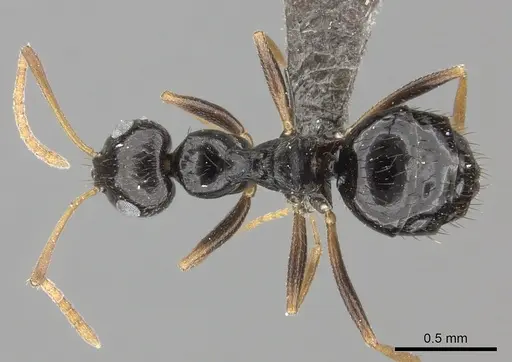
CASENT0909876
View on AntWeb
Literature
Loading distribution map...Loading products...