
Lepisiota imperfecta
- Sci. Name
- Lepisiota imperfecta
- Tribe
- Plagiolepidini
- Subfamily
- Formicinae
- Author
- Santschi, 1926
- Distribution
- Found in 3 countries
Introduction
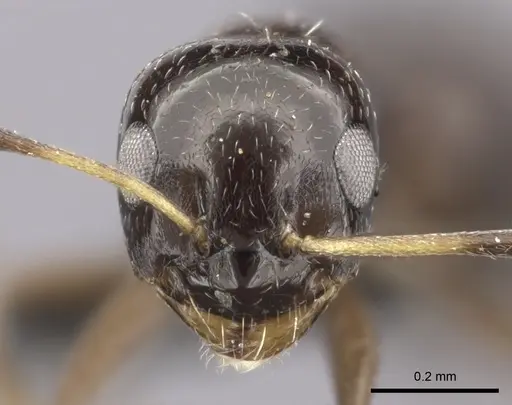
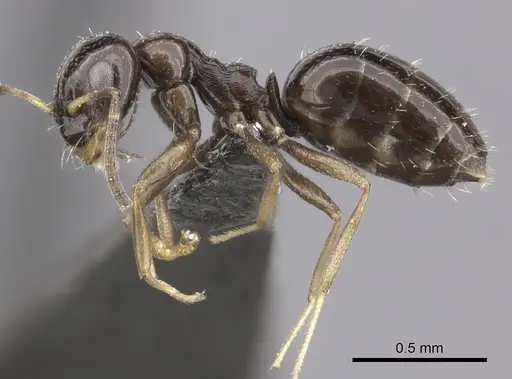
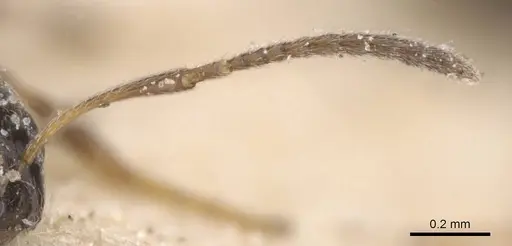
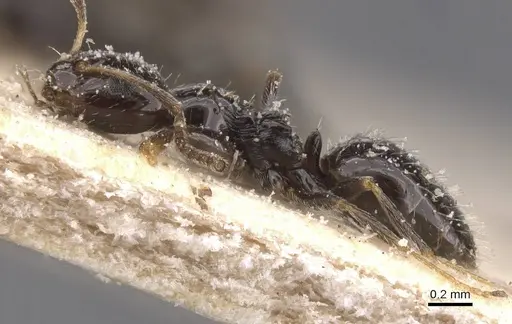
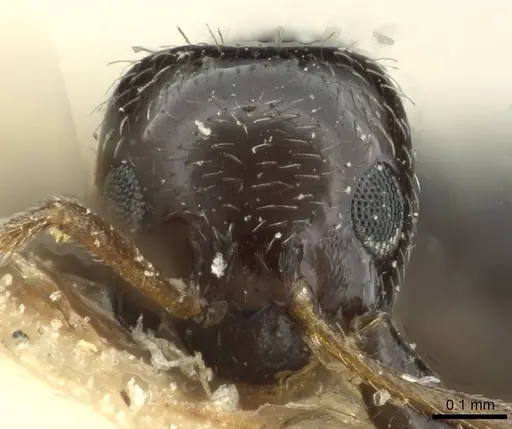
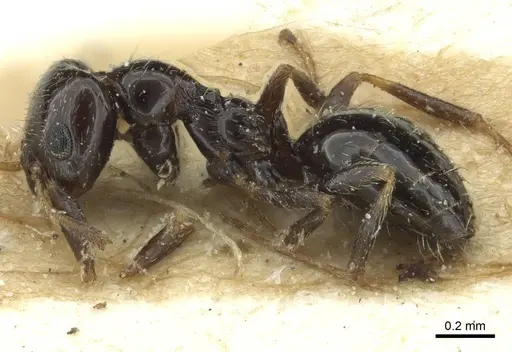
Lepisiota imperfecta is a small ant species native to the Afrotropical region, documented in Guinea, Zimbabwe, and the Democratic Republic of Congo (specifically Mongala province). Workers display the characteristic Formicinae appearance with a single waist segment (petiole) and typically dark coloration. Originally described as Acantholepis imperfecta by Santschi in 1926 from Zimbabwe specimens, it was transferred to the genus Lepisiota by Bolton in 1995. One study found this species only in control sites of an African grassland, suggesting sensitivity to habitat disturbance . The species remains poorly studied with limited biological data available.
Quick Summary
- Difficulty: Unknown, likely Easy based on genus patterns
- Origin & Habitat: Afrotropical region, documented in Guinea, Zimbabwe, and the Democratic Republic of Congo (Mongala). Likely inhabits grassland and savanna habitats. One study found them only in control sites but not rehabilitated grassland areas, suggesting sensitivity to habitat disturbance [1].
- Colony Type: Unconfirmed, likely monogyne based on typical Lepisiota patterns
- Size & Growth:
- Queen: Size data unavailable, inferred from Lepisiota genus (~5-7mm)
- Worker: Size data unavailable, inferred from Lepisiota genus (~3-5mm)
- Colony: Likely several hundred workers, inferred from genus patterns
- Growth: Unknown, estimated Moderate based on genus patterns
- Development: Estimated 6-10 weeks based on related Formicinae species (Development time is not directly studied for this species)
- Antkeeping:
- Temperature: Aim for 22-26°C based on their Afrotropical origin. Room temperature within this range is typically suitable.
- Humidity: Moderate humidity around 50-70%. Likely grassland species that tolerate drier conditions. Allow the nest substrate to dry partially between waterings.
- Diapause: Unconfirmed, likely a short period of reduced activity during cooler months rather than true hibernation
- Nesting: Ground-nesting species likely preferring soil-based setups. A naturalistic setup with a soil chamber or a Y-tong/plaster nest works well.
- Behavior: Typical Lepisiota behavior includes active foraging and moderate aggression when defending the colony. Workers are fast-moving and will investigate food sources quickly. They show typical Formicinae behavior with chemical alarm responses.
- Common Issues: limited species-specific information makes care recommendations uncertain, wild-caught colonies may have parasites or diseases not yet documented, habitat sensitivity, they may not thrive in highly disturbed environments, queen loss during founding is common in unstudied species
Housing and Nest Setup
Lepisiota imperfecta is a ground-nesting species that will do well in a variety of captive setups. A naturalistic setup with a soil chamber allows them to dig and create their own tunnels, which mimics their natural grassland habitat. Alternatively, a Y-tong or plaster nest with narrow chambers works well, as these ants prefer tight, enclosed spaces. The nest should have a water reservoir to maintain moderate humidity. Since this species is not well-studied, providing a gradient with both moist and slightly drier areas allows the ants to choose their preferred microclimate. A test tube setup works for founding colonies, but be prepared to move them to a larger formicarium once the colony reaches 20-30 workers.
Feeding and Diet
Like most Formicinae species, Lepisiota imperfecta is likely omnivorous with a preference for protein sources. Feed them small insects such as fruit flies, pinhead crickets, or mealworms. Sugar water or honey should be offered regularly as an energy source for workers. In the wild, these ants likely forage for honeydew from aphids and small arthropods. A varied diet including both protein and carbohydrates will support colony growth. Feed protein prey 2-3 times per week, and keep a constant sugar water supply. Remove uneaten prey after 24 hours to prevent mold.
Temperature and Seasonal Care
Maintain temperatures between 22-26°C, which aligns with their Afrotropical origin. Room temperature in most homes falls within this range, making this species relatively easy to keep warm. A heating cable on one side of the nest can create a temperature gradient if your room runs cool. Regarding diapause, the data is limited, African grassland species often experience reduced activity during dry seasons rather than true hibernation. You may observe reduced feeding and activity during winter months, but a full hibernation is likely not required. If the colony becomes less active in winter, reduce feeding and lower temperatures slightly (but not below 18°C).
Colony Development and Growth
Colony growth for this species is not directly documented, but based on typical Formicinae development, expect the first workers (nanitics) to emerge 6-10 weeks after the queen lays her first eggs, assuming optimal temperatures around 24-26°C. The founding queen will seal herself in a chamber and survive on her stored fat reserves (claustral founding), not leaving to forage until the first workers emerge. Initial colony growth is slow, the first batch of workers will be smaller (nanitics) and the colony may take several months to reach 50 workers. Patience is key with this species, as rapid growth should not be expected. Once established, growth typically accelerates as the colony reaches several dozen workers.
Behavior and Observation
Lepisiota imperfecta workers are active foragers that will quickly discover and recruit nestmates to food sources. They display typical Formicinae behaviors including chemical alarm communication and defensive responses when the nest is threatened. Workers are relatively fast-moving and can be aggressive toward potential threats. Observation is rewarding once the colony is established, you can watch foraging trails form, brood development in the nest chambers, and the queen's egg-laying behavior. The species is not particularly large, so observation is best done with a magnifying glass or close-up lens.
Frequently Asked Questions
How long does it take for Lepisiota imperfecta to have first workers?
Based on typical Formicinae development, expect first workers (nanitics) approximately 6-10 weeks after the queen begins laying eggs, assuming temperatures around 24-26°C. This is an estimate since development time has not been directly studied for this species.
What do Lepisiota imperfecta ants eat?
They are omnivorous like most Formicinae. Feed small protein sources (fruit flies, pinhead crickets, mealworms) 2-3 times per week, and provide a constant sugar source (honey water or sugar water). A varied diet supports healthy colony growth.
Do Lepisiota imperfecta ants need hibernation?
True hibernation is not confirmed for this species. Based on their Afrotropical origin, they likely experience reduced activity during cooler months rather than a deep diapause. You may reduce feeding and slightly lower temperatures in winter (but keep above 18°C), but a full hibernation setup is likely unnecessary.
What temperature is best for Lepisiota imperfecta?
Keep them at 22-26°C. Room temperature in most homes falls within this range. A slight gradient allowing warmer areas (up to 28°C) is beneficial, but not required.
How big do Lepisiota imperfecta colonies get?
Colony size is not directly documented, but based on typical Lepisiota species, colonies likely reach several hundred workers over time. Growth is moderate and may take a year or more to reach 100 workers.
Is Lepisiota imperfecta good for beginners?
This species is suitable for antkeepers who understand that limited species-specific information exists. They are likely hardy and adaptable like most Lepisiota species. The main challenge is patience, as colony growth will be gradual.
Can I keep multiple Lepisiota imperfecta queens together?
This is not recommended. While colony structure is not confirmed for this species, Lepisiota are typically monogyne (single queen). Combining unrelated queens risks fighting and colony loss.
What nest type is best for Lepisiota imperfecta?
A naturalistic soil setup or a Y-tong/plaster nest with narrow chambers works well. They prefer tight, enclosed spaces typical of ground-nesting ants. A test tube works for founding but will need upgrading as the colony grows.
Why is my Lepisiota imperfecta colony growing slowly?
Slow growth is normal for this species. Initial colony development takes 6-10 weeks just to get first workers, and several more months to establish. Ensure proper temperature (22-26°C), adequate protein feeding, and patience. Avoid disturbing the queen during founding.
Report an Issue
The current care sheet is based fully on literature. See inconsistencies, or something that's incorrect? Please , it will be resolved after review from an admin. Contributing to the blogs tab also helps providing information, to make us be able to further improve the caresheets. Thank you for your support!
References

This caresheet is licensed under CC BY-SA 4.0 .
Community Blogs
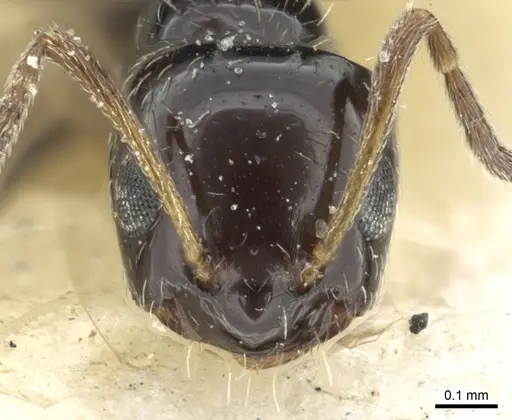
CASENT0235894
View on AntWeb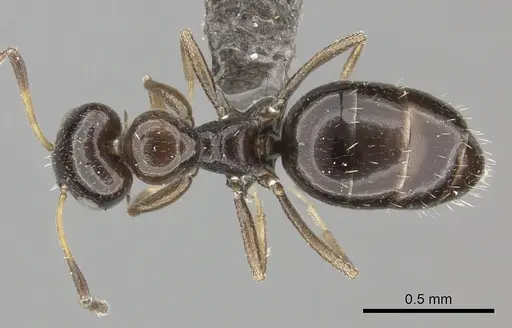
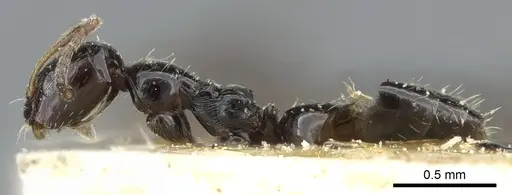
CASENT0903158
View on AntWeb
CASENT0912393
View on AntWeb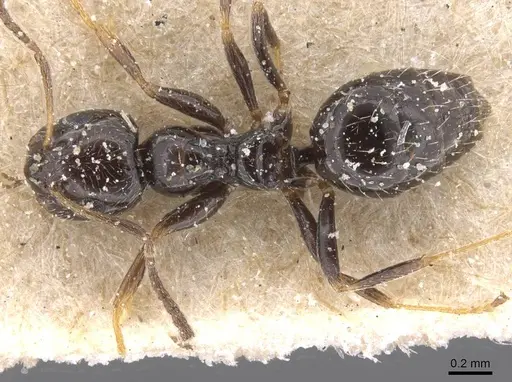
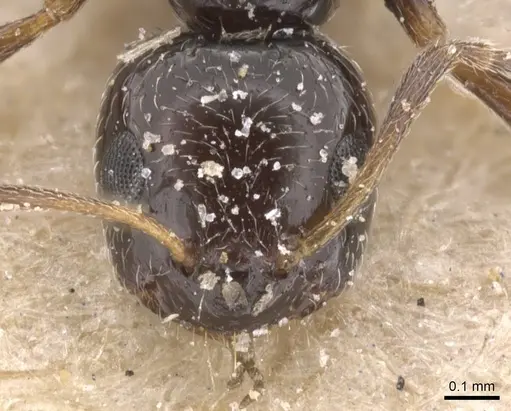
RMCAENT000017802
View on AntWeb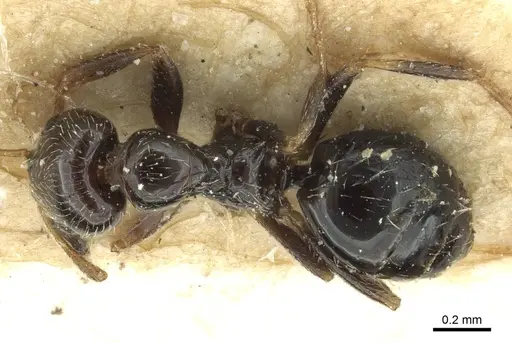
Literature
Loading distribution map...Loading products...