
Lepisiota gracilicornis
- Sci. Name
- Lepisiota gracilicornis
- Tribe
- Plagiolepidini
- Subfamily
- Formicinae
- Author
- Forel, 1892
- Distribution
- Found in 1 countries
Introduction
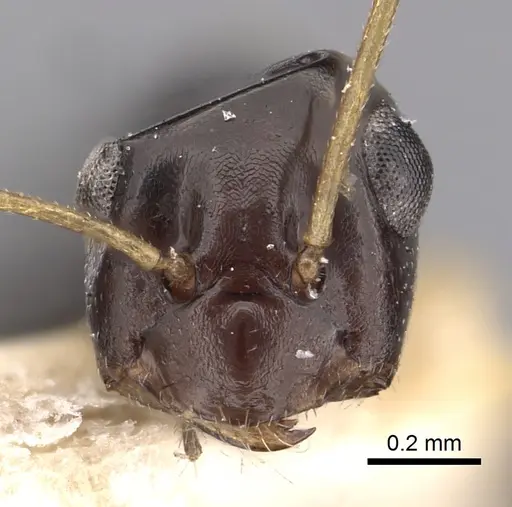
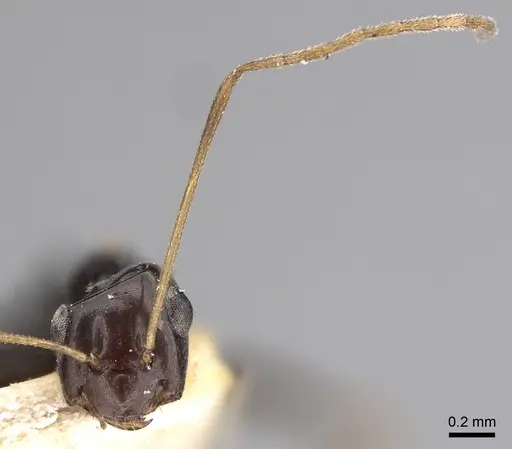
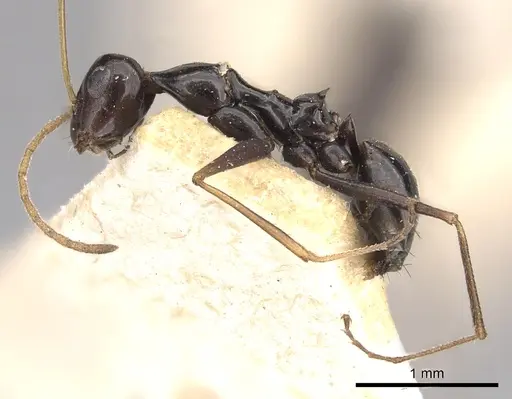
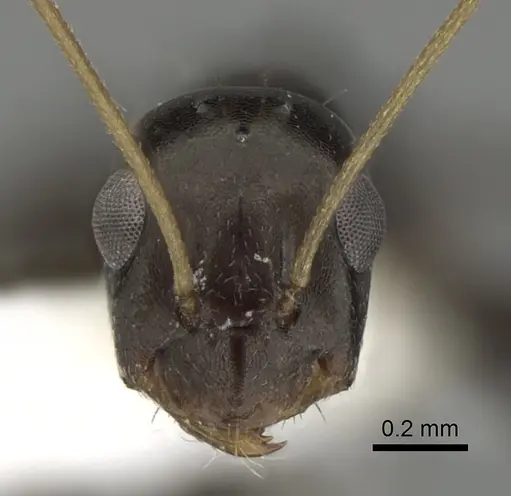
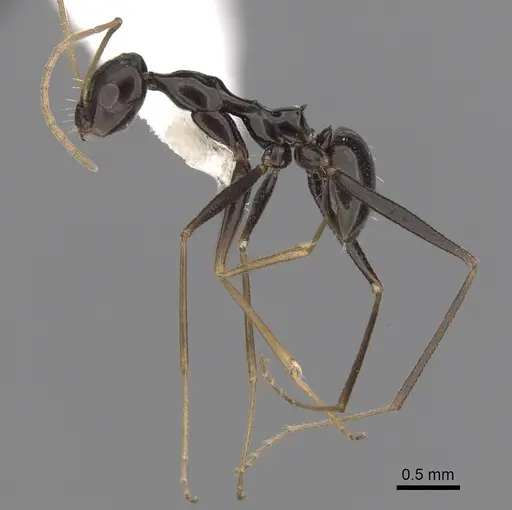
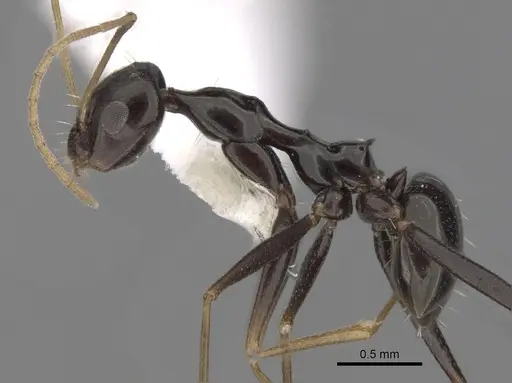
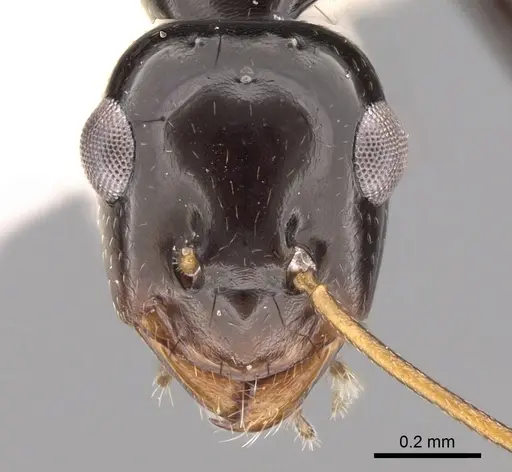
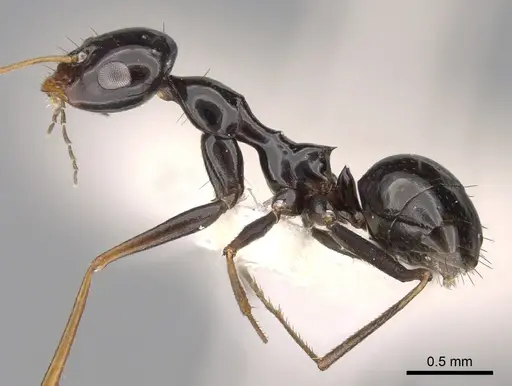
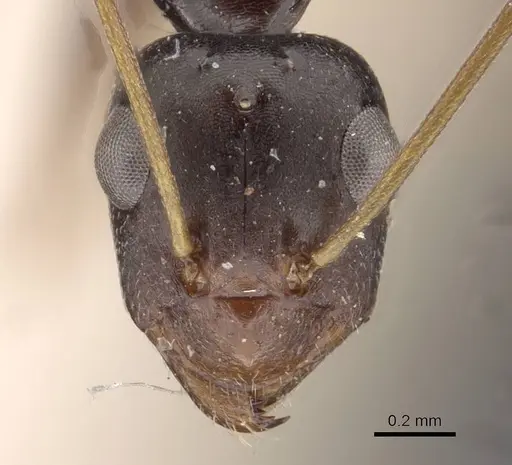
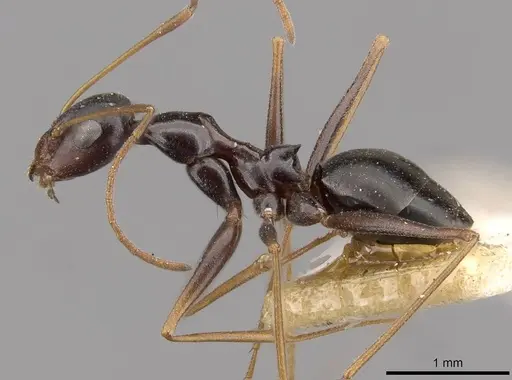
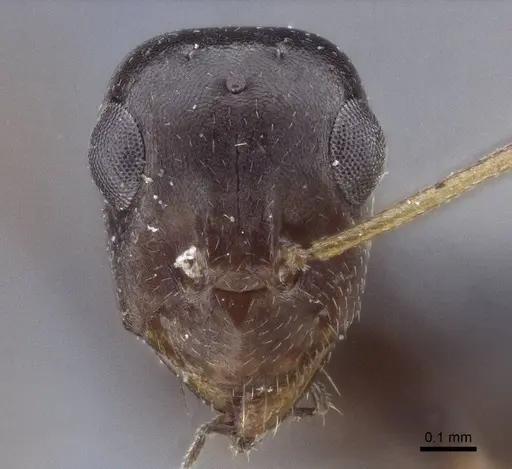
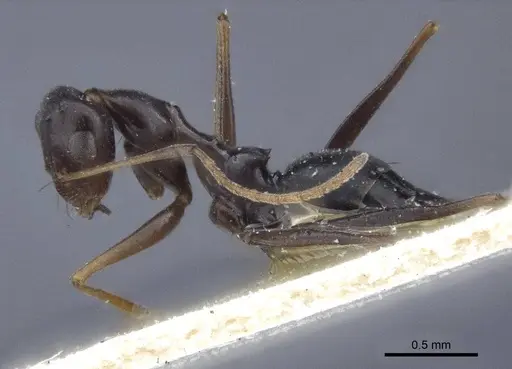
Lepisiota gracilicornis is a small ant species native to desert and semi-arid regions across the Middle East and northeastern Africa. Workers are characterized by their distinctly long antennae and legs, smooth shiny body surfaces, and short propodeal spines . The species shows some geographic variation - black individuals from some populations can have a slight blue-metallic shimmer on their body . This ant is found across a wide range including Egypt, Israel, Jordan, Saudi Arabia, Oman, United Arab Emirates, Yemen, Eritrea, Ethiopia, Sudan, and Qatar . In Israel, it occurs specifically in desert areas of the southern regions .
Quick Summary
- Difficulty: Medium
- Origin & Habitat: Desert and semi-arid regions across the Middle East and northeastern Africa. Found in Egypt, Israel, Jordan, Saudi Arabia, Oman, UAE, Yemen, Eritrea, Ethiopia, Sudan, and Qatar. In Israel specifically in desert areas of the south [6][4].
- Colony Type: Colony structure is unconfirmed for this species.
- Size & Growth:
- Queen: ~5-6mm, inferred from Lepisiota genus
- Worker: ~3-4mm, inferred from Lepisiota genus
- Colony: Unknown for this species
- Growth: Moderate (estimated)
- Development: 6-10 weeks (estimated based on related Formicinae) (Development timeline is not directly studied for this species. Estimates based on typical Formicinae development patterns at optimal temperatures.)
- Antkeeping:
- Temperature: Keep at 24-30°C. This is a desert species adapted to warm conditions, they thrive in temperatures that mimic their natural hot habitat. A heating cable on one side of the nest creates a suitable gradient [6].
- Humidity: Low to moderate, desert species do not require high humidity. Keep the nest substrate lightly moist but allow it to dry between waterings. Avoid damp conditions that can cause mold. The natural habitat is arid to semi-arid [6].
- Diapause: Unconfirmed, specific diapause requirements are not documented for this species.
- Nesting: In nature they nest in soil under stones in desert wadis and dry riverbeds. For captivity, a Y-tong or test tube setup works well. Provide a small chamber size scaled to their worker size. A thin layer of substrate for tunneling is appreciated but not required.
- Behavior: Workers are active foragers, likely collecting honeydew and small prey. They are not particularly aggressive but will defend their nest. Their small size means escape prevention is important, they can squeeze through small gaps. The long antennae and legs give them a distinctive appearance when moving. They are fast-moving and alert [1][2].
- Common Issues: escape prevention is critical due to their small size, use fine mesh barriers and tight-fitting lids, overheating is a risk, while they like warmth, direct heat sources can kill them if temperatures exceed 35°C, too much humidity will kill them, desert species are adapted to dry conditions, wild-caught colonies may have parasites or diseases that can devastate captive colonies, founding is slow, patience is required during the claustral founding phase
Housing and Nest Setup
Lepisiota gracilicornis does well in standard antkeeping setups. Test tubes work well for founding colonies, use a small water reservoir with a cotton plug, but avoid overfilling as these desert species are sensitive to excess moisture. For established colonies, a Y-tong nest provides good visibility and control. The nest chambers should be appropriately sized for their small workers, not too large, as too much open space can stress them. A thin layer of substrate in the outworld allows for natural foraging behavior. Ensure excellent escape prevention, their small size means they can slip through gaps that larger ants cannot. Use fluon on rim edges and fine mesh on any ventilation. [2][1]
Feeding and Diet
Like most Formicinae, L. gracilicornis likely has an omnivorous diet. They probably consume honeydew from aphids and scale insects in addition to small insects. For captivity, offer sugar water or honey as a constant energy source. Protein should come from small live or dead insects, fruit flies, small mealworms, or cricket pieces work well. They are small ants, so prey items should be appropriately sized. Feed protein 2-3 times per week and keep sugar water available at all times. Remove uneaten prey after 24-48 hours to prevent mold.
Temperature and Heating
This is a warm-climate desert species. Maintain nest temperatures between 24-30°C for optimal colony health and brood development. A heating cable placed on one side of the nest creates a temperature gradient that allows ants to regulate their own temperature by moving between warmer and cooler areas. Room temperature may be sufficient if your home is naturally warm (24°C+), but most keepers need supplemental heating. Avoid temperatures above 35°C as this can be fatal. The species is found in hot desert regions, so they handle warmth well but need access to cooler areas to avoid overheating. [6][4]
Humidity and Water
As a desert species, L. gracilicornis prefers drier conditions than many tropical ants. Keep humidity low to moderate, the nest should not be constantly damp. Water droplets in the outworld are usually sufficient for drinking. If using a test tube, a small water reservoir is adequate. Allow the substrate to dry out between waterings. The key is balance, some moisture is needed for brood development, but too much causes mold and can kill the colony. Watch for condensation buildup and wipe it away if it becomes excessive. [6]
Colony Development and Growth
Colony growth is expected to be moderate. Founding queens seal themselves in a claustral chamber and survive on stored fat reserves until their first workers emerge. The first workers will be smaller than normal workers. After the first workers emerge, the colony should grow steadily as more workers are produced. Development from egg to worker likely takes 6-10 weeks at optimal temperatures, though this is estimated based on related Formicinae. Growth rate depends heavily on temperature, warmer temperatures within the safe range speed development, while cooler temperatures slow it down. Expect the first year to be slow as the colony establishes itself.
Seasonal Care and Winter Rest
In their natural habitat, these ants experience extreme temperatures and likely have reduced activity during the hottest and coolest parts of the year. In captivity, a mild winter rest period around 15-18°C for 2-3 months can be beneficial, mimicking natural seasonal cycles. During this time, reduce feeding and expect less activity. However, this species comes from hot desert regions, so they do not require prolonged cold hibernation like temperate species. If kept at room temperature year-round, they may remain active but growth will slow during winter months. [6]
Behavior and Temperament
Workers are active and alert foragers. They are not particularly aggressive toward keepers but will defend their nest if threatened. Their small size and dark coloration make them easy to spot moving through the outworld. They likely use chemical trails to recruit nestmates to food sources, similar to other Lepisiota species. The long antennae and legs give them a distinctive appearance compared to more compact ant species. They are fast-moving and can be skittish, quickly retreating to the nest when disturbed. [2][1]
Frequently Asked Questions
How long does it take for Lepisiota gracilicornis to produce first workers?
Expected timeline is 6-10 weeks from egg to worker at optimal temperatures (24-30°C). This is an estimate based on related Formicinae species, as specific development data for L. gracilicornis is not available. Founding can be slow, queens seal themselves in and rely on stored fat reserves, so patience is essential during the founding phase.
What do Lepisiota gracilicornis ants eat?
They are omnivorous. Offer sugar water or honey as a constant energy source, and protein from small insects like fruit flies, small mealworms, or cricket pieces 2-3 times per week. Remove uneaten prey after 24-48 hours to prevent mold.
Are Lepisiota gracilicornis good for beginners?
They are rated as medium difficulty. They are not the easiest choice for complete beginners because they require careful attention to humidity and escape prevention. However, they are not overly demanding. If you have kept a few species successfully and understand basic antkeeping principles, they are a good choice.
What temperature do Lepisiota gracilicornis need?
Keep them warm at 24-30°C. This desert species handles heat well but needs a temperature gradient so they can move to cooler areas if needed. A heating cable on one side of the nest works well. Avoid temperatures above 35°C.
How big do Lepisiota gracilicornis colonies get?
Colony size is not documented specifically for this species. Based on the genus, colonies likely reach several hundred to low thousands of workers. Growth is moderate and depends on temperature and feeding.
Can I keep multiple Lepisiota gracilicornis queens together?
Combining unrelated queens is not recommended and has not been documented for this species. The natural colony structure is unclear. If you find multiple queens in the wild, they may be founding nests separately.
Do Lepisiota gracilicornis need hibernation?
They likely benefit from a mild winter rest period rather than true hibernation. This mimics their natural seasonal cycle in desert regions where temperatures drop but remain mild. Reduce feeding during this period.
Why are my Lepisiota gracilicornis dying?
Common causes include: too much humidity (desert species rot easily in damp conditions), temperatures that are too high or too low, escape through small gaps, or stress from a too-large outworld. Check that humidity is low, temperatures are in the 24-30°C range, and escape prevention is excellent. Also ensure they are not being overfed, which can cause mold issues.
When should I move Lepisiota gracilicornis to a formicarium?
Move them when the test tube is overcrowded or the water reservoir is depleted. For L. gracilicornis, this is typically when the colony reaches 20-30 workers. A Y-tong nest works well. Make sure the new nest has appropriately sized chambers for their small worker size.
Is Lepisiota gracilicornis invasive anywhere?
No, this species is not considered invasive. It is native to desert regions of the Middle East and northeastern Africa. However, always check local regulations before acquiring or releasing any ant species.
What is the best nest type for Lepisiota gracilicornis
Y-tong or test tubes work best. The chambers should be small and appropriately scaled to their small worker size. Avoid naturalistic setups with large open spaces. A thin layer of substrate in the outworld satisfies their natural tunneling instincts.
Report an Issue
The current care sheet is based fully on literature. See inconsistencies, or something that's incorrect? Please , it will be resolved after review from an admin. Contributing to the blogs tab also helps providing information, to make us be able to further improve the caresheets. Thank you for your support!
References

This caresheet is licensed under CC BY-SA 4.0 .
Community Blogs
CASENT0249898
View on AntWeb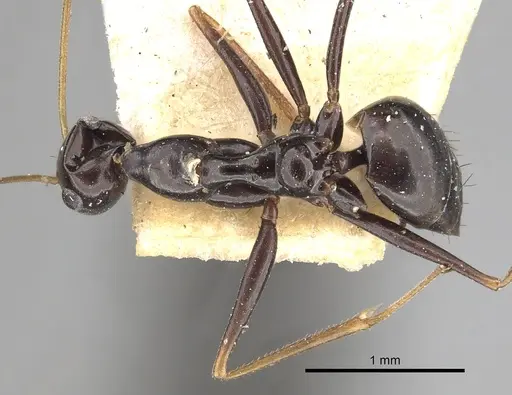
CASENT0280476
View on AntWeb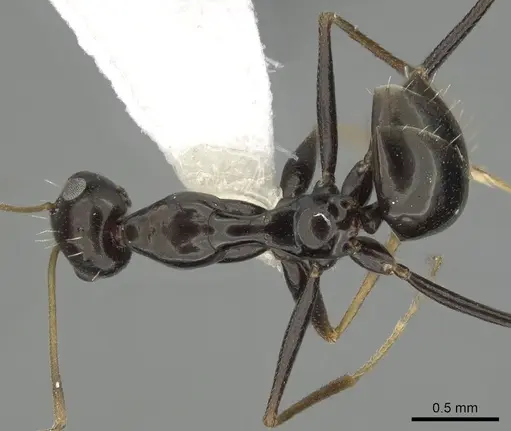
CASENT0906458
View on AntWeb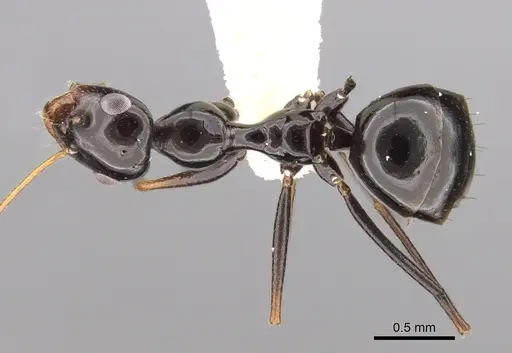
CASENT0909891
View on AntWeb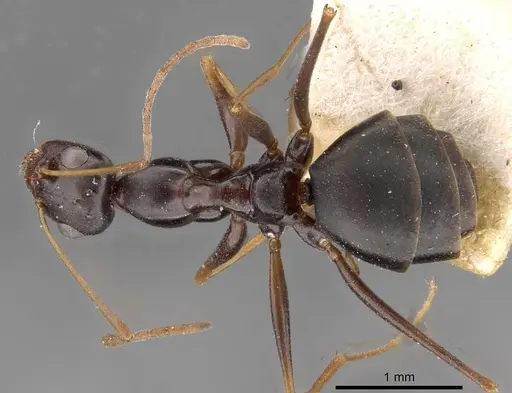
CASENT0916657
View on AntWeb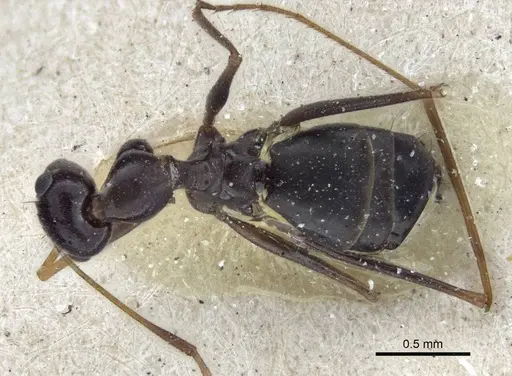
Literature
Loading distribution map...Loading products...