
browsing ant
Lepisiota frauenfeldi
- Sci. Name
- Lepisiota frauenfeldi
- Tribe
- Plagiolepidini
- Subfamily
- Formicinae
- Author
- Mayr, 1855
- Common Name
- browsing ant
- Distribution
- Found in 12 countries
Introduction
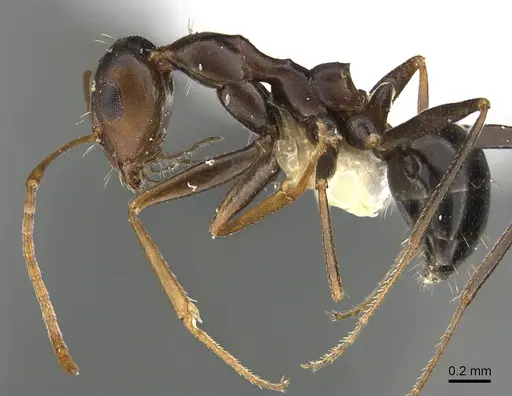
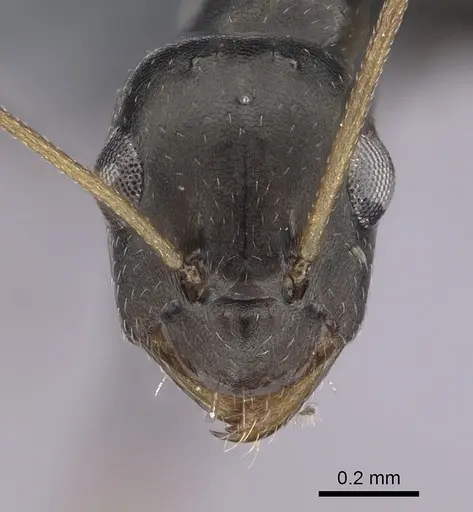
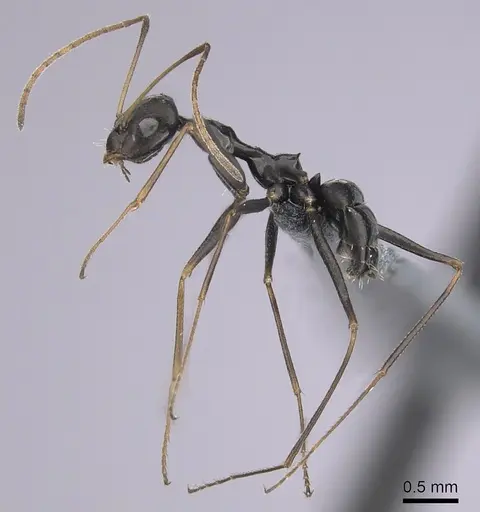
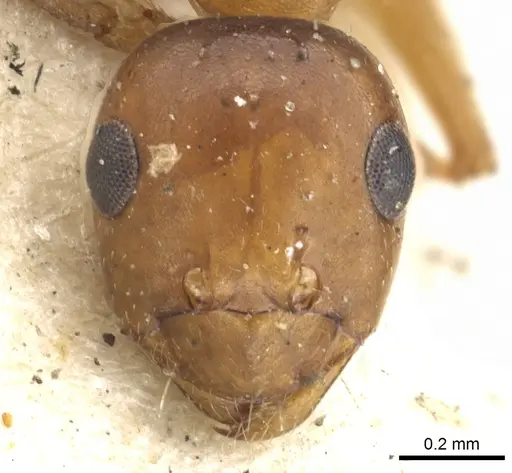
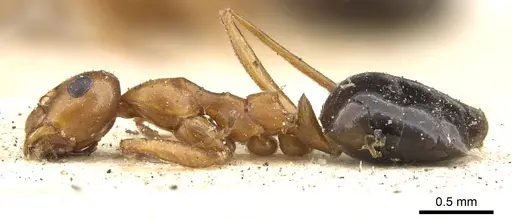
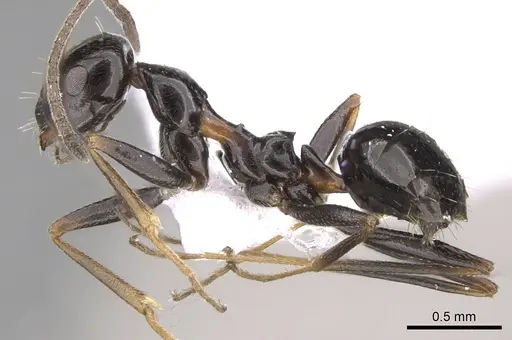
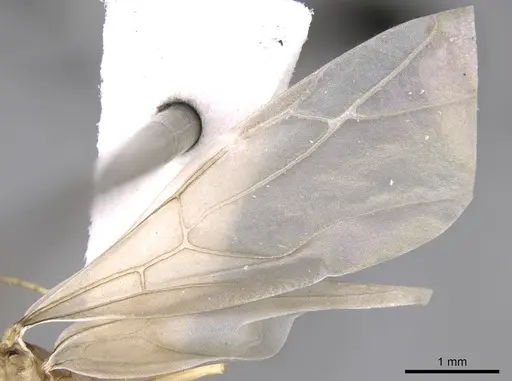
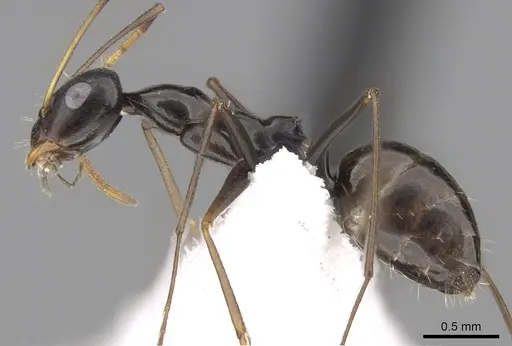
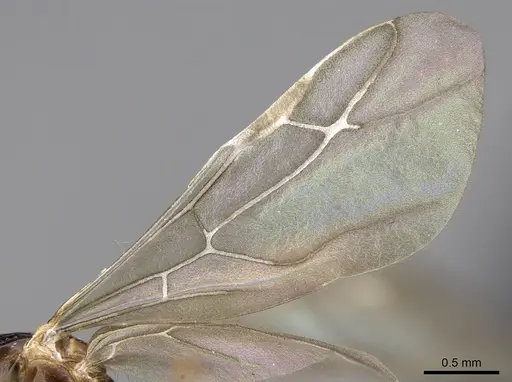
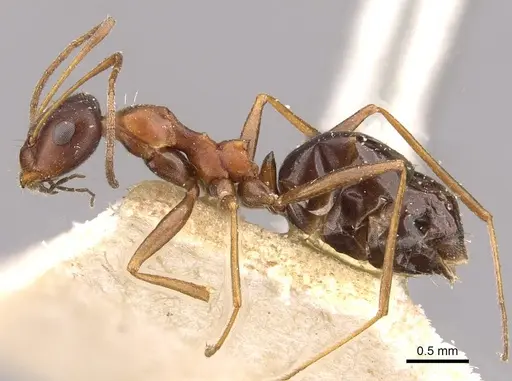
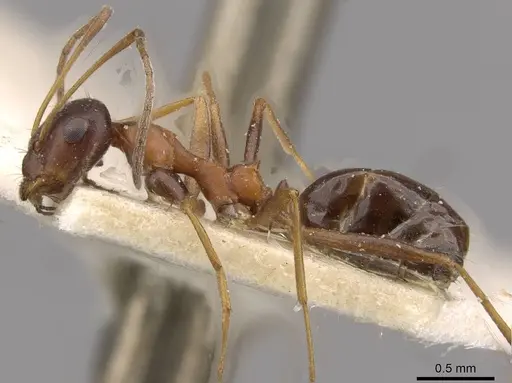
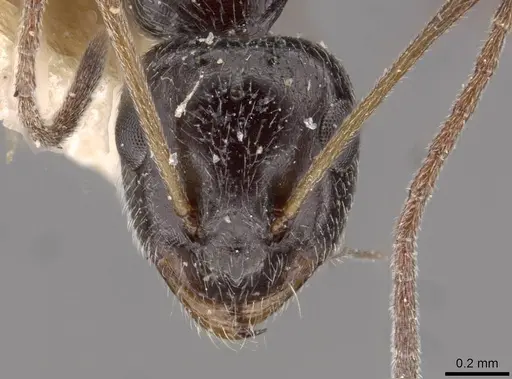
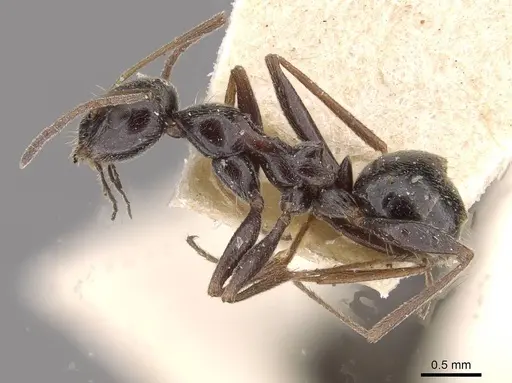
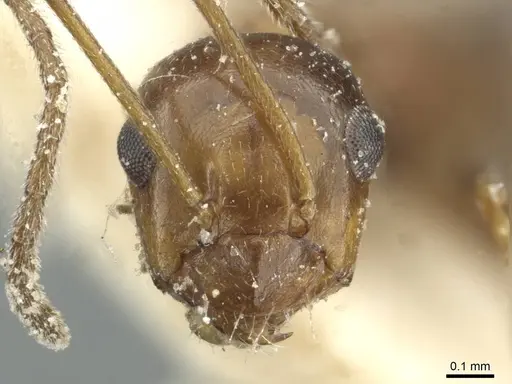
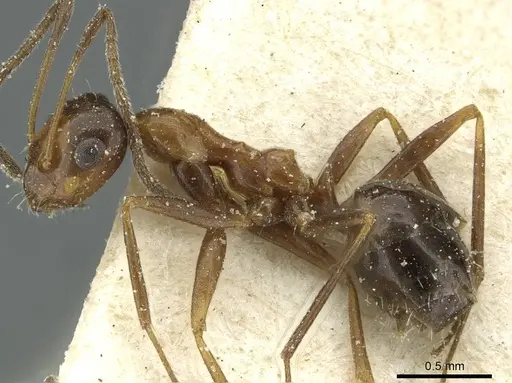
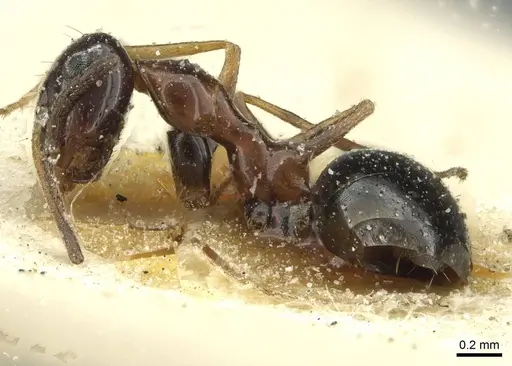
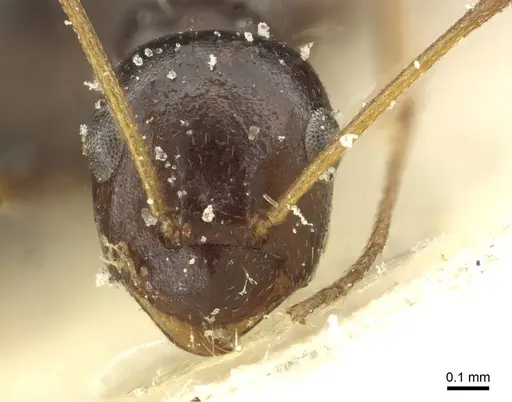
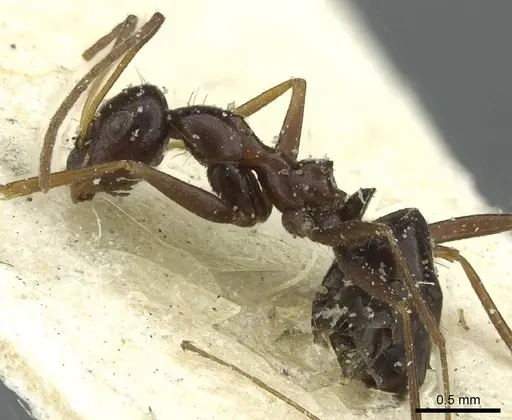
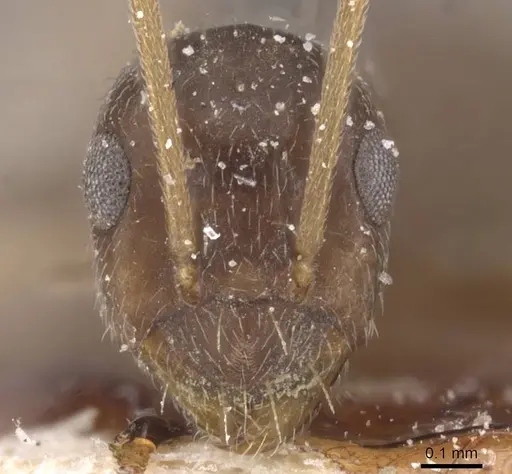
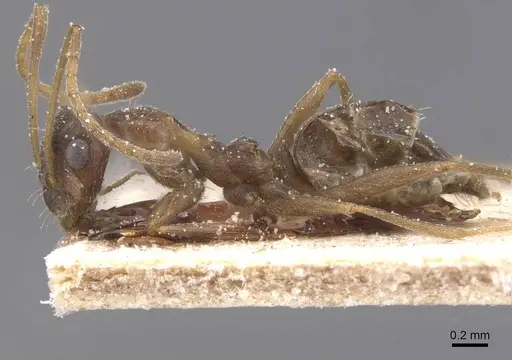
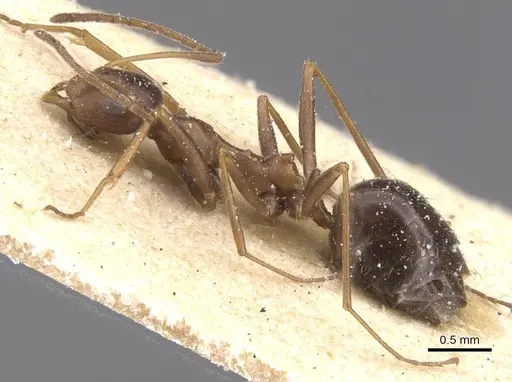
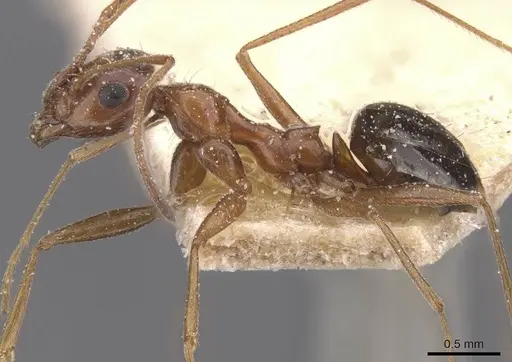
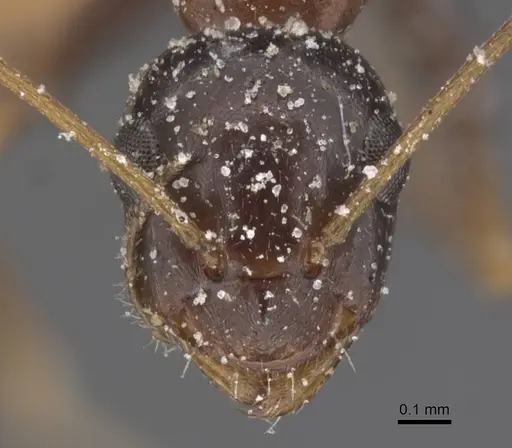
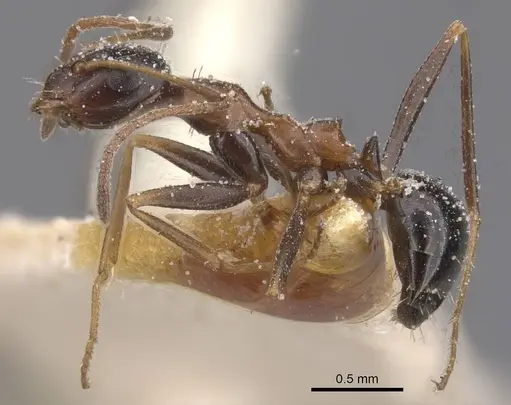
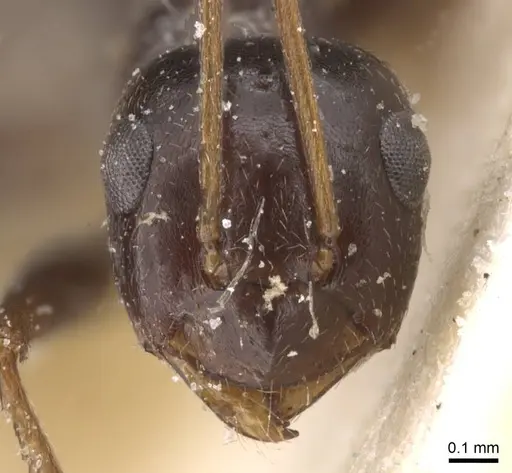
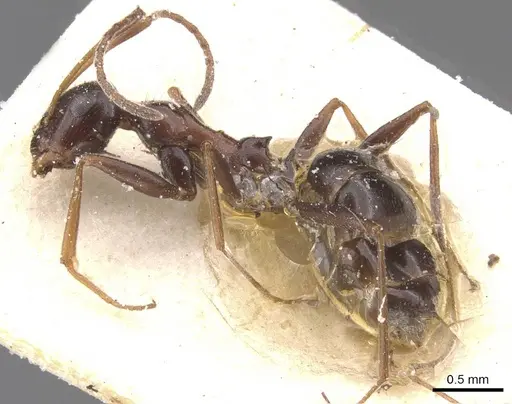
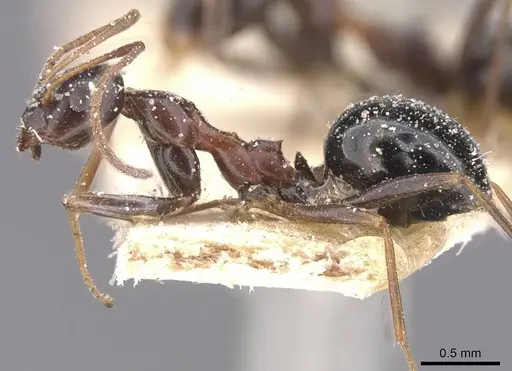
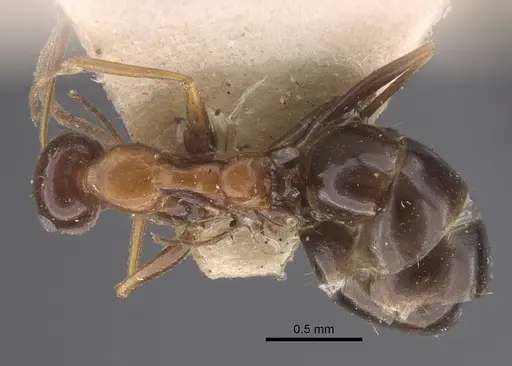
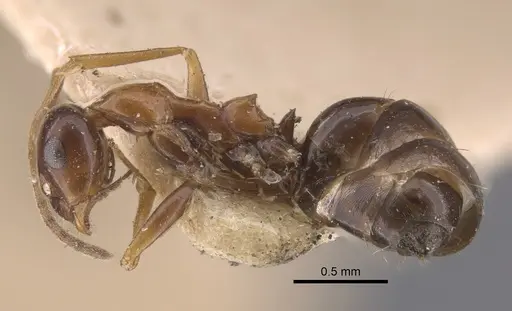
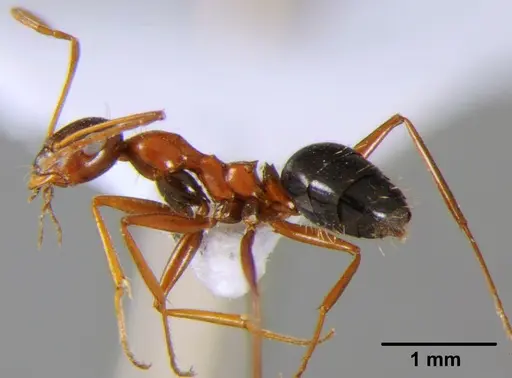
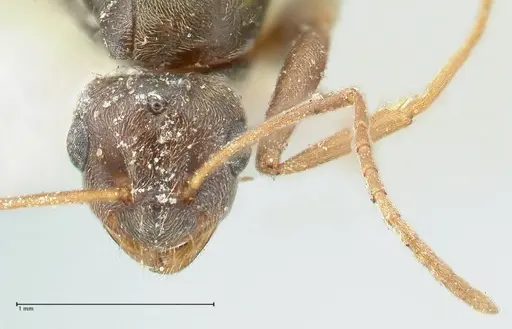
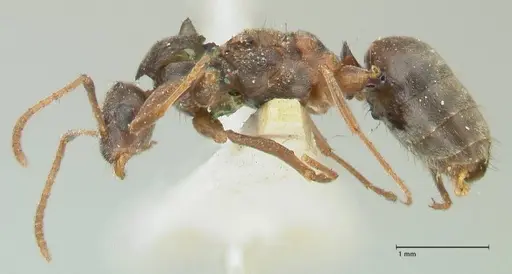
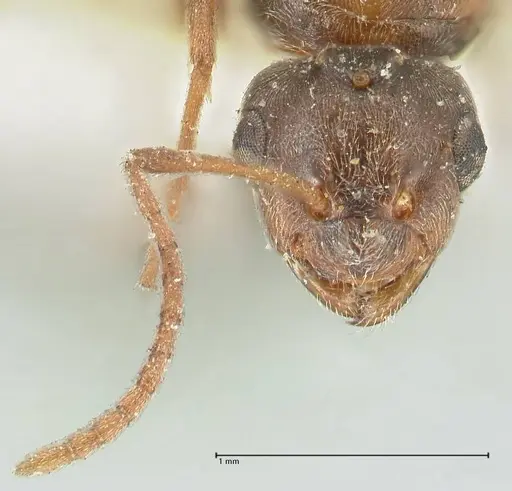
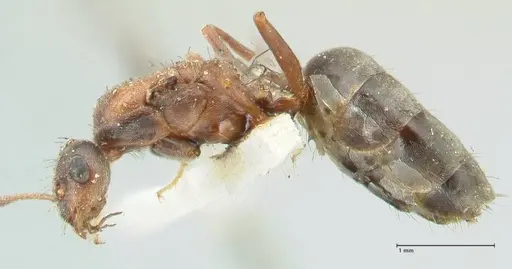
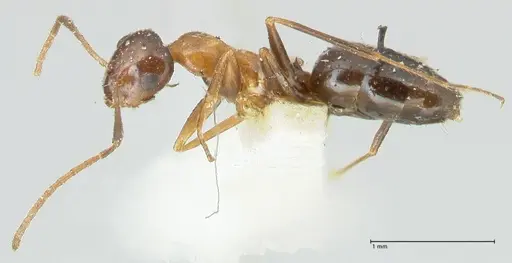
Lepisiota frauenfeldi is a small ant native to the Mediterranean region and Middle East. Workers measure 2.5-3mm with a distinctive color pattern: the head and mesosoma range from yellowish brown to reddish, while the gaster is dark brown to black . This species forms polygynous colonies with multiple queens and often has multiple nest entrances . They are diurnal foragers, most active during warm parts of the day. This species is invasive in several countries including Australia and Japan, where it displaces native ant species and is considered a serious environmental pest .
Quick Summary
- Difficulty: Expert
- Origin & Habitat: Native to the Palaearctic region, primarily the Mediterranean Basin and Middle East. Found across southern Europe (Greece, Spain, Italy, Croatia, Bulgaria, Turkey), North Africa, and parts of Central Asia. Inhabits warm, dry, open areas including parks, urban areas, pine forests, Mediterranean shrubland, and coastal areas [8][9].
- Colony Type: Polygynous (multiple-queen) colonies with documented polydomous structure (multiple nest entrances). Colonies can contain several hundred workers and dozens of queens [3]. Some populations may have ergatoid (wingless) replacement queens [10].
- Size & Growth:
- Queen: size data unavailable, no specific measurements found in research
- Worker: 2.5-3mm [1][2]
- Colony: up to several hundred workers per colony, with documented colonies containing dozens of queens [3]
- Growth: moderate
- Development: estimated 6-8 weeks at optimal temperature (Direct development data unavailable for this species. Estimates based on typical Formicinae development patterns.)
- Antkeeping:
- Temperature: Keep at 25-32°C. This is a very thermophilous species, workers become active above 15°C and foraging peaks between 25-35°C [11]. Provide a temperature gradient allowing workers to self-regulate.
- Humidity: Low to moderate. Naturally found in dry, warm habitats. Keep nest substrate moderately dry with occasional damp areas. Avoid overly humid conditions.
- Diapause: Yes, requires a winter rest period. In their native range, reproduction slows during winter months. Keep at 10-15°C for 2-3 months during winter [11].
- Nesting: Naturally nests under stones in sunny areas. In captivity, they do well in Y-tong (AAC) nests or naturalistic setups with flat stones. Provide shallow foraging areas as they are surface-active foragers.
- Behavior: Diurnal and highly active, especially during warm midday hours. Workers are fast runners and actively forage for prey and honeydew. They are predatory on small arthropods but also tend aphids for honeydew [3]. Workers may spray formic acid as defense but are not aggressive biters. Escape risk is moderate due to their small size, use standard barrier precautions. They form supercolonies in invasive ranges, indicating high colony cohesion [6].
- Common Issues: invasive species, never release outside native range as they can become serious pests, colonies can be difficult to establish due to polygynous structure requiring multiple queens, high temperature requirements may be challenging in cooler climates without heating, small size means escapes are possible through tiny gaps, use fine mesh barriers, colonies may decline if not provided enough protein prey, they are primarily predatory, WARNING: This species is invasive in Australia, Japan, Canary Islands, and other regions. It is NOT recommended to keep in countries where it is not native. If kept, extreme precautions must be taken to prevent any escape.
Housing and Nest Setup
Lepisiota frauenfeldi does well in standard ant keeping setups. Y-tong (AAC) nests work well because they provide the dark, enclosed spaces these ants prefer. You can also use naturalistic setups with flat stones placed on moist substrate. Since they naturally nest under stones in sunny areas, they appreciate having a warm, dry nesting area with access to a humid foraging area [9]. A test tube setup can work for founding colonies, but be prepared to move them to a larger formicarium once the colony reaches 30-50 workers. These ants are not aggressive biters, so you don't need heavy-duty escape prevention, but their small size means standard barriers like Fluon on test tube rims will be necessary.
Feeding and Diet
In the wild, L. frauenfeldi feeds primarily through predation on small arthropods and by collecting honeydew from aphids [3]. They are active predators similar to Cataglyphis species, hunting small insects and scavenging on arthropod remains. For captive colonies, offer a varied diet including small live prey like fruit flies, pinhead crickets, and small mealworms. They will also accept sugar water or honey as an energy source, which is important for workers engaged in intensive foraging. Protein-rich foods should be offered 2-3 times per week, with sugar water always available. In their native range, they are known to tend multiple aphid species including Aphis craccivora and Pterochloroides persicae [12][13].
Temperature and Seasonal Care
This is a warmth-loving species that requires warm temperatures to thrive. Keep the nest area at 25-32°C, with a gradient allowing workers to move between warmer and cooler areas. Activity begins when temperatures exceed 15°C, peaks at 25-35°C, and drops significantly after midday in very hot conditions [11]. During winter, provide a diapause period of 2-3 months at 10-15°C. In their native Mediterranean habitat, colonies reduce activity during winter months, so this rest period is essential for long-term colony health. In Australia, researchers found no pupae in August samples, confirming lack of reproduction during winter [11]. Do not keep them in consistently cool conditions, this will slow development and may cause colony decline.
Invasive Status and Ethical Keeping
Lepisiota frauenfeldi is considered a serious invasive species in several countries, including Australia, where eradication programs are underway, and Japan, where it is listed under the Invasive Alien Species Act since 2020 [5][7]. It has spread through international trade and is now established in multiple locations worldwide including Guam, Australia, Japan, and the Canary Islands [10][14]. If you keep this species, NEVER release any ants outside their native Palaearctic range. This includes anywhere in North America, Australia, Japan, the Canary Islands, or other regions where they have been introduced. The species forms supercolonies and can displace native ant species, causing significant ecological damage. Responsible keeping means containing colonies permanently and never allowing escape or release.
Colony Structure and Development
L. frauenfeldi forms polygynous colonies with multiple reproductive queens working together. Colonies are also polydomous, meaning they have multiple nest entrances, researchers in Spain documented a colony with two entrances [3]. This multi-queen structure makes the colony more resilient and allows for faster growth once established. In Sicily, researchers found three wingless queens inside a single nest, suggesting the presence of ergatoid replacement reproductives [10]. The species can form supercolonies in invasive ranges, with thousands of workers cooperating across multiple nest sites [6]. Growth rate is moderate, colonies likely take several months to a year to reach 100 workers under optimal conditions. Queens are fed directly by workers without larval processing, which is unusual among Formicinae [11].
Identification and Variability
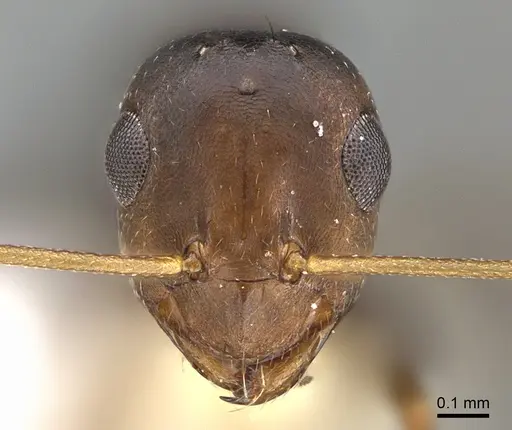
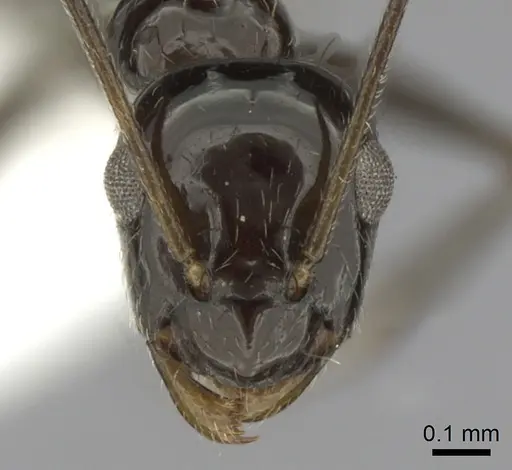
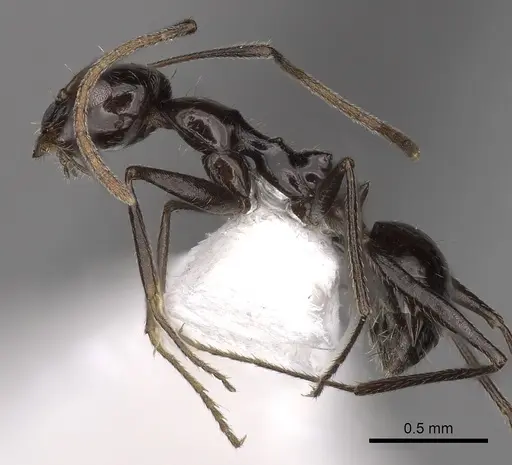
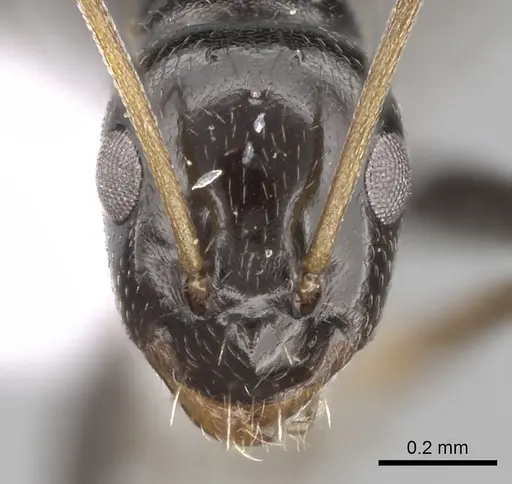
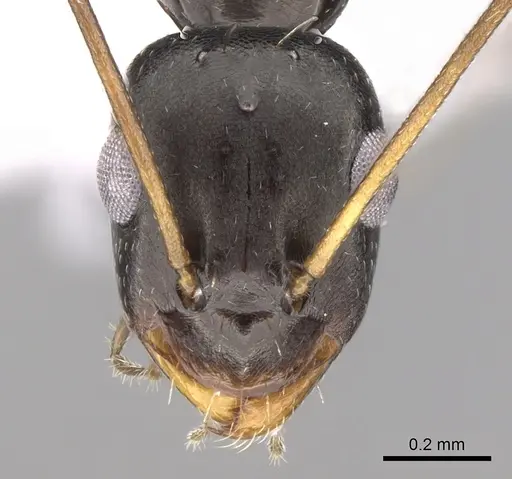
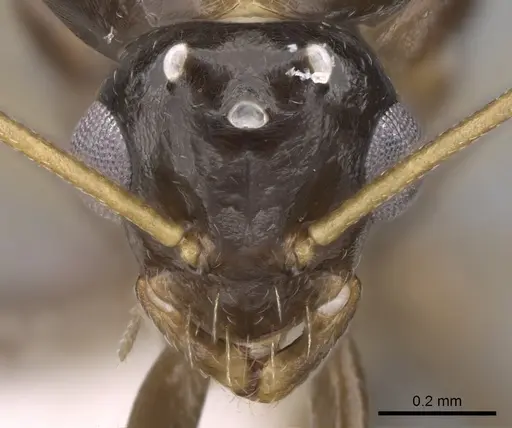
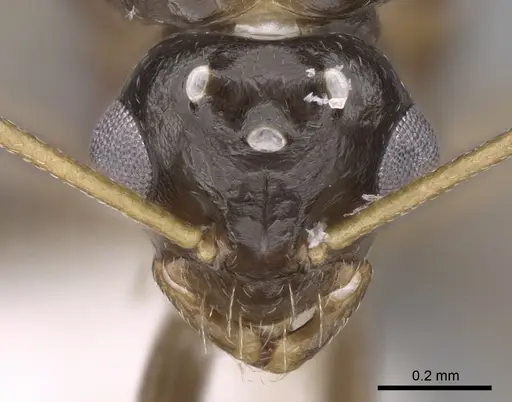
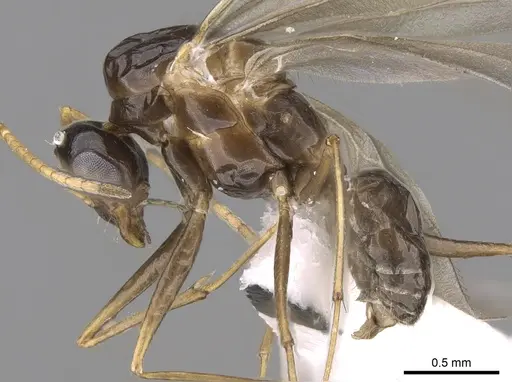
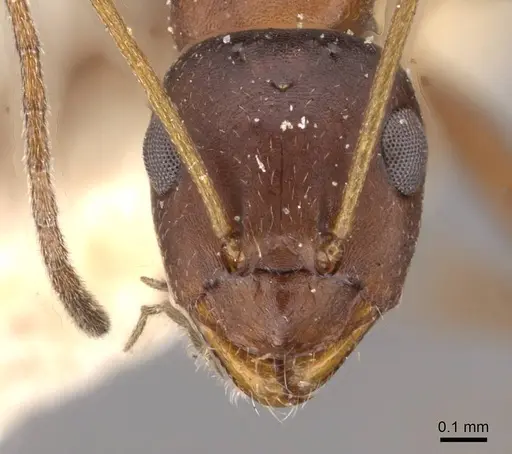
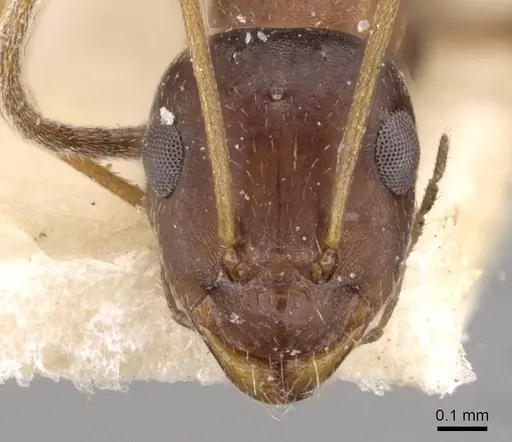
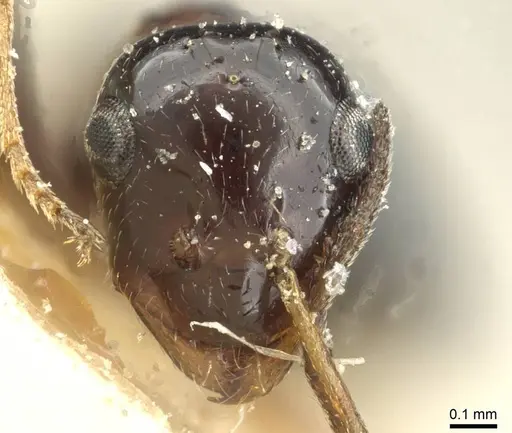
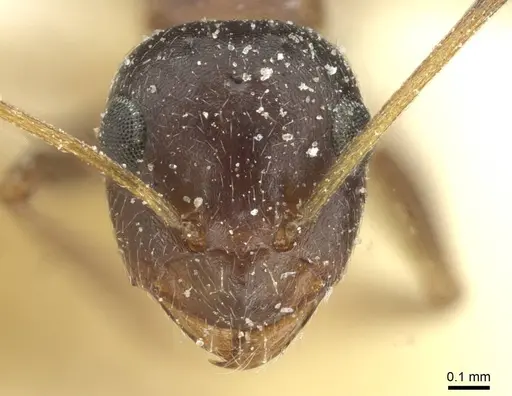
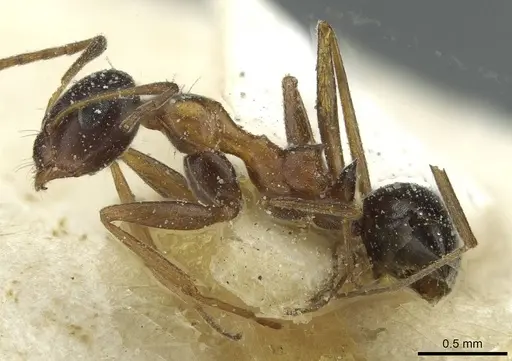
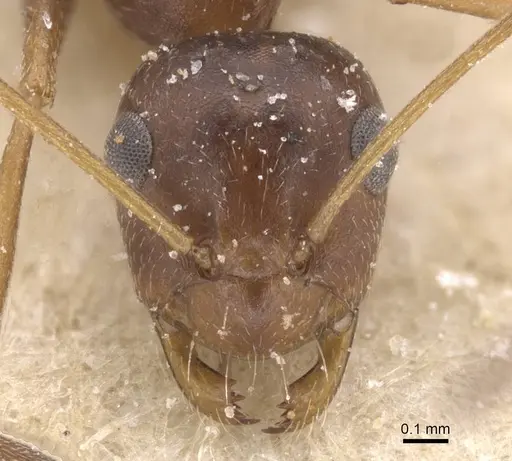
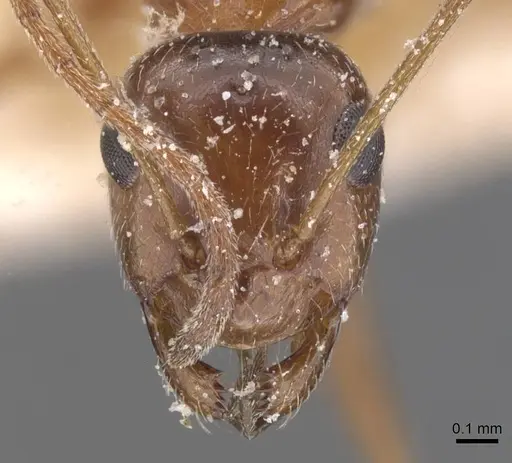
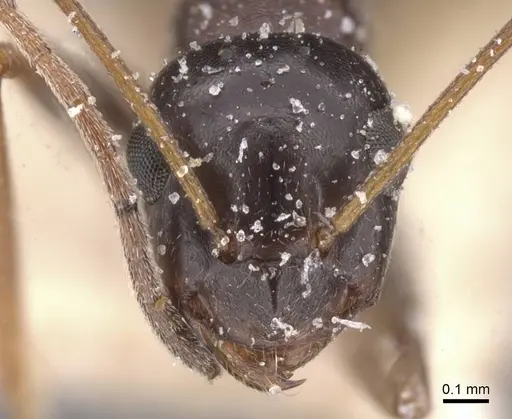
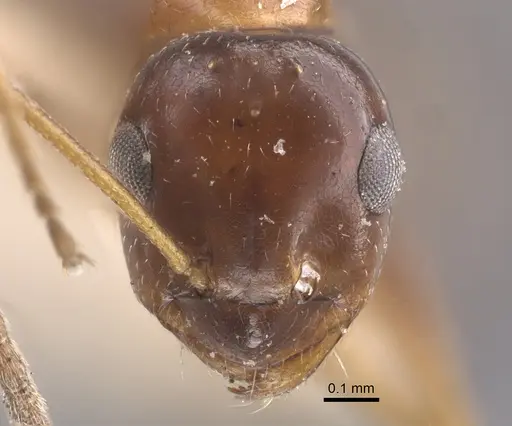
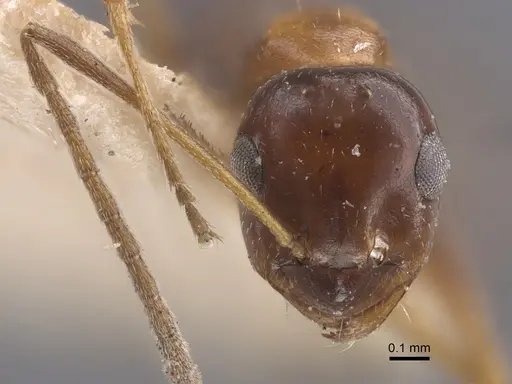
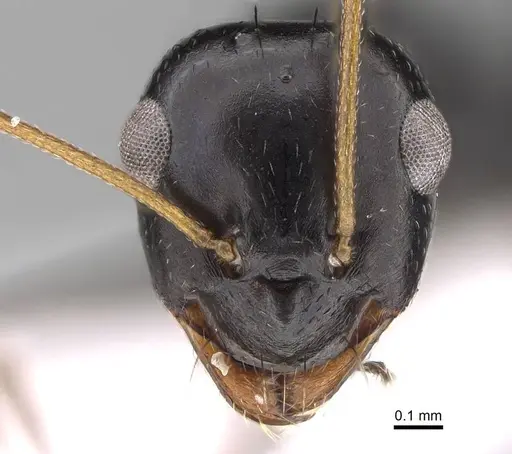
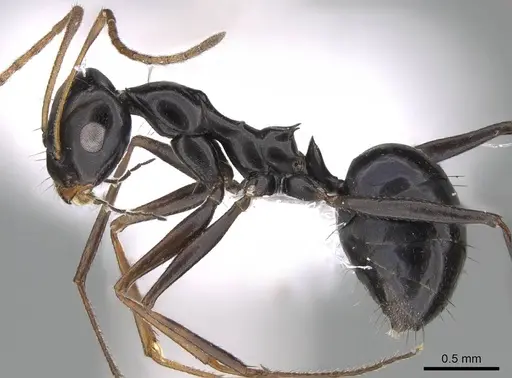
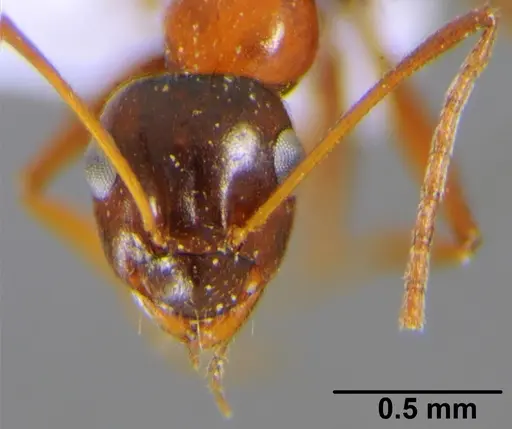
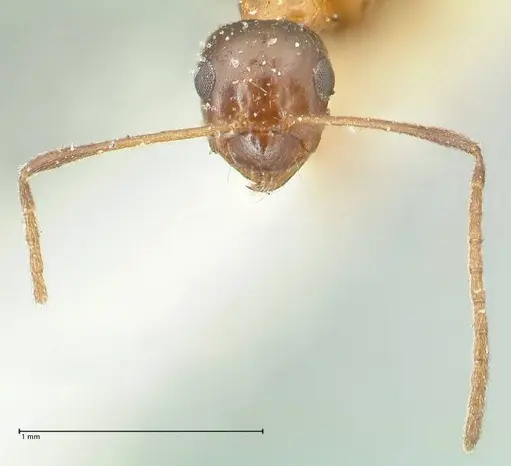
Workers are distinctive with their two-tone coloring: reddish-yellow head and mesosoma contrasting with a dark brown to black gaster. They have long legs and are fast runners. Two morphotypes exist in Greece, one darker with partly black mesosoma and brown legs, and one paler with completely yellowish-red mesosoma and yellow legs [15]. This color variation has caused taxonomic confusion, and researchers note that the L. frauenfeldi complex may contain multiple distinct species currently lumped together [16]. When identifying your ants, look for the characteristic long scapes extending beyond the head, the pair of erect setae on the pronotum, and the distinctive petiole shape with spine-like dorsolateral corners.
Frequently Asked Questions
Can I keep Lepisiota frauenfeldi in a test tube?
Yes, you can start a colony in a test tube setup. Use a standard test tube with a water reservoir and cotton plug. However, because they are polygynous (multiple queens), you may want to introduce multiple founding queens together. Once the colony reaches 30-50 workers, transfer to a larger formicarium like a Y-tong nest.
How long until first workers appear?
Exact timing is unconfirmed for this species. Based on related Formicinae ants, expect 6-8 weeks from egg to first worker at optimal temperature (25-30°C). The founding queen will seal herself in and survive on stored fat reserves until her first workers emerge.
Are Lepisiota frauenfeldi good for beginners?
No, this species is not recommended for beginners due to its invasive status and specific care requirements. They require warm temperatures (25-32°C) and need a winter diapause. Their polygynous colony structure can be an advantage since multiple queens increase founding success. However, their invasive status means you must be absolutely committed to permanent containment, never release them.
Do they need hibernation?
Yes, they require a winter rest period. Keep colonies at 10-15°C for 2-3 months during winter. This mimics their natural Mediterranean climate where temperatures drop significantly in winter. Reduce feeding during this period and keep the nest slightly cooler.
Can I keep multiple queens together?
Yes, this is actually recommended. L. frauenfeldi is naturally polygynous, meaning colonies have multiple queens. You can introduce 2-3 founding queens together in a test tube setup. They will establish a multi-queen colony that grows faster than single-queen colonies.
What do Lepisiota frauenfeldi eat?
They are primarily predatory, hunting small insects and arthropods. Offer small live prey like fruit flies, pinhead crickets, and small mealworms 2-3 times per week. They also readily accept sugar water or honey for energy. They will also tend aphids if present in the setup.
How big do colonies get?
Colonies can reach several hundred workers, with documented colonies containing dozens of queens. In invasive ranges, they can form supercolonies with thousands of workers. Under captive conditions, expect moderate growth over 1-2 years to several hundred workers.
Why are my ants dying?
Common causes include: temperatures below 20°C (they need warmth), too much humidity (they prefer dry conditions), insufficient protein prey, or lack of winter diapause. Also check for escape, their small size allows them through tiny gaps. If colonies decline, review temperature, feeding frequency, and ensure winter rest was provided.
Report an Issue
The current care sheet is based fully on literature. See inconsistencies, or something that's incorrect? Please , it will be resolved after review from an admin. Contributing to the blogs tab also helps providing information, to make us be able to further improve the caresheets. Thank you for your support!
References

This caresheet is licensed under CC BY-SA 4.0 .
Community Blogs
ANTWEB1041924
View on AntWeb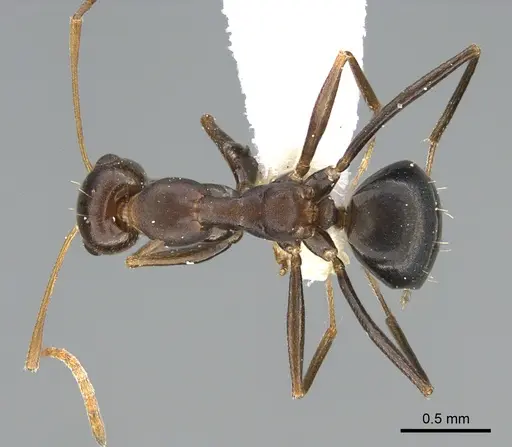
CASENT0263738
View on AntWeb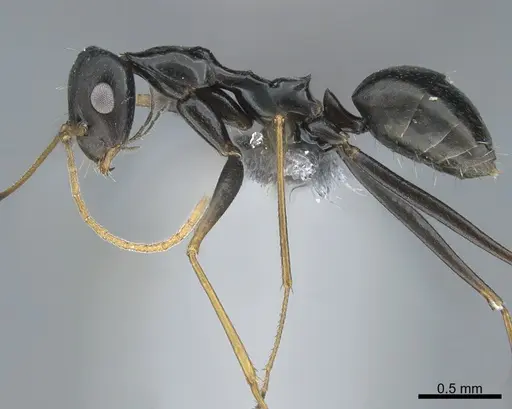
CASENT0264062
View on AntWeb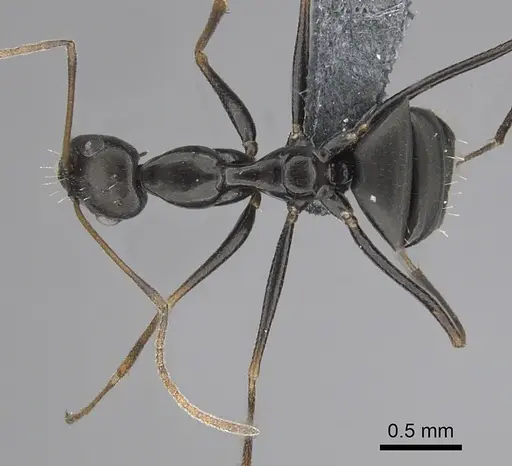
CASENT0264943
View on AntWeb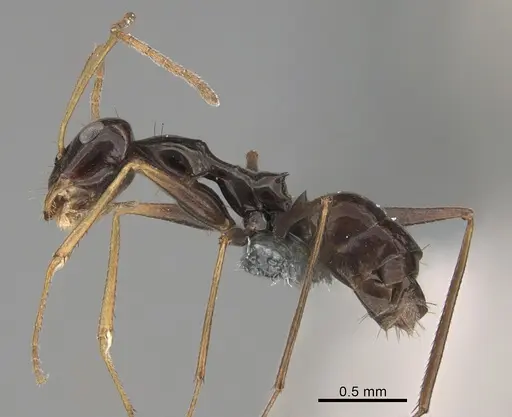
CASENT0280475
View on AntWeb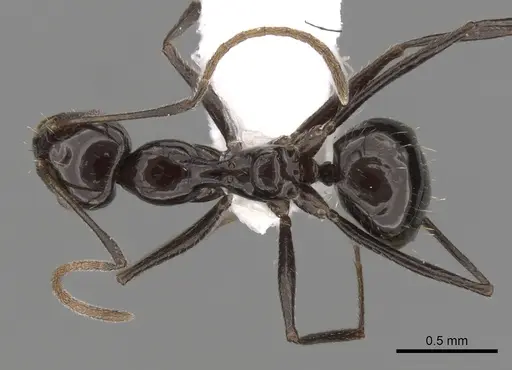
CASENT0903167
View on AntWeb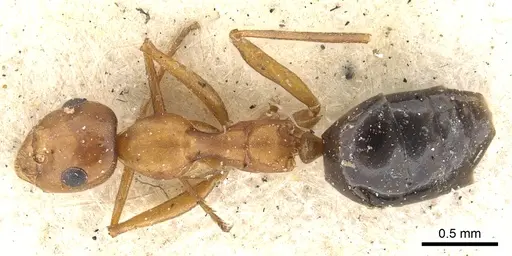
CASENT0906081
View on AntWeb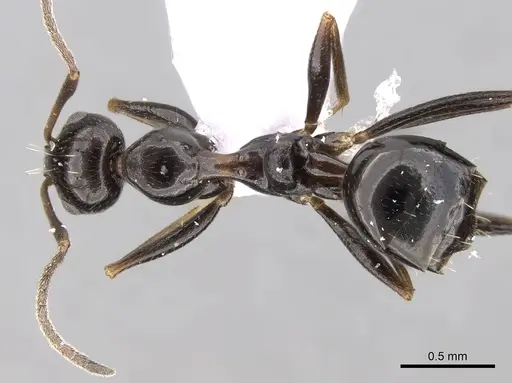
CASENT0906466
View on AntWeb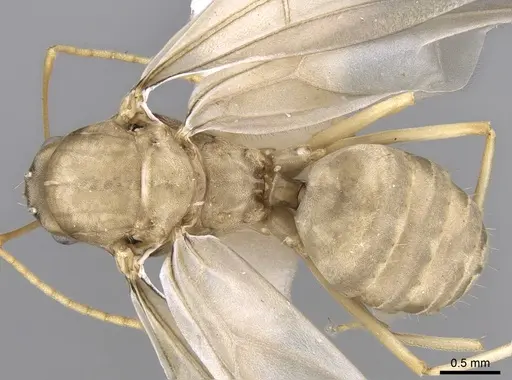
CASENT0906467
View on AntWeb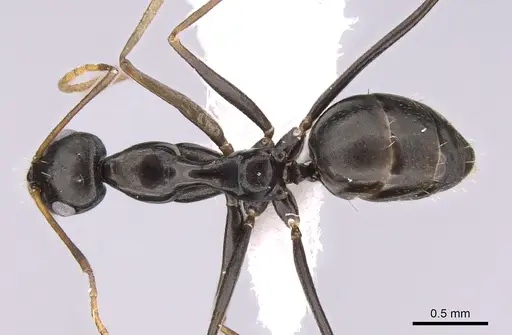
CASENT0906468
View on AntWeb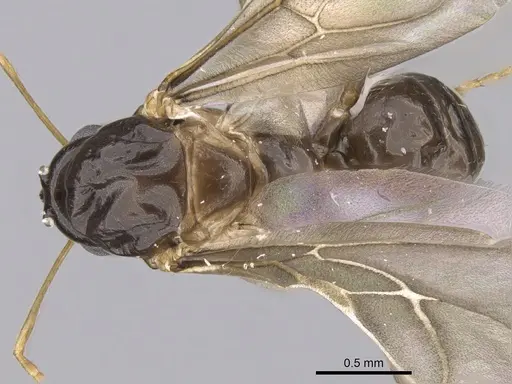
CASENT0909884
View on AntWeb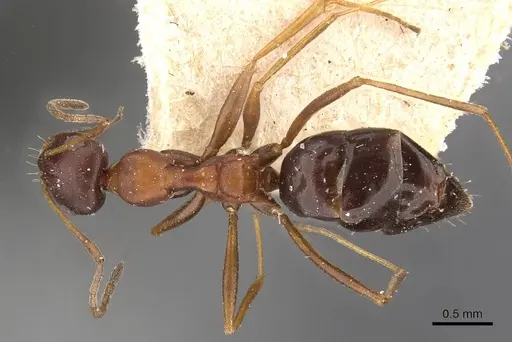
CASENT0909886
View on AntWeb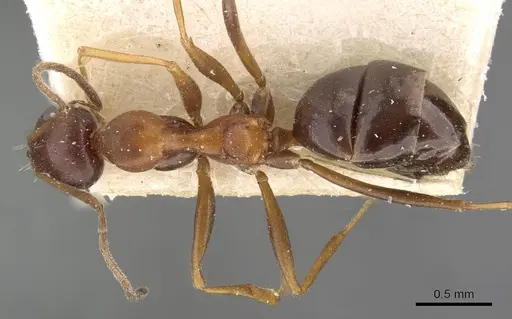
CASENT0909890
View on AntWeb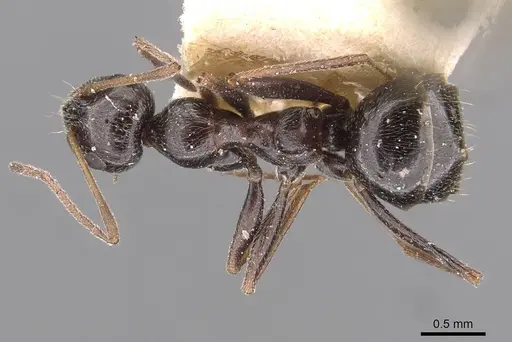
CASENT0912378
View on AntWeb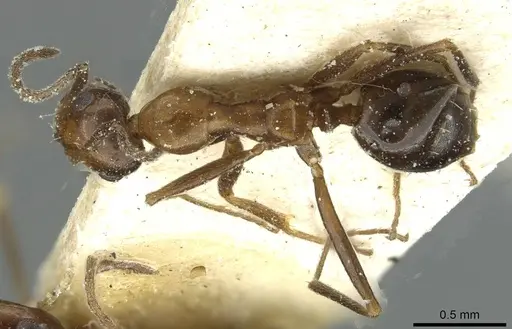
CASENT0912379
View on AntWeb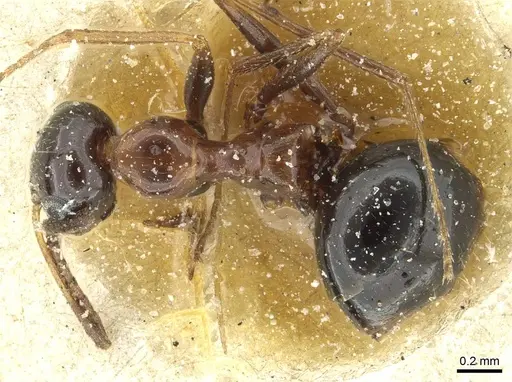
CASENT0912380
View on AntWeb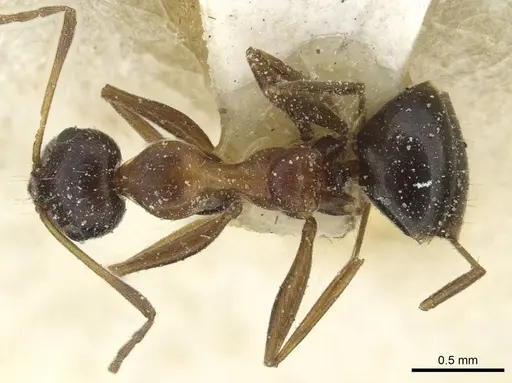
CASENT0912381
View on AntWeb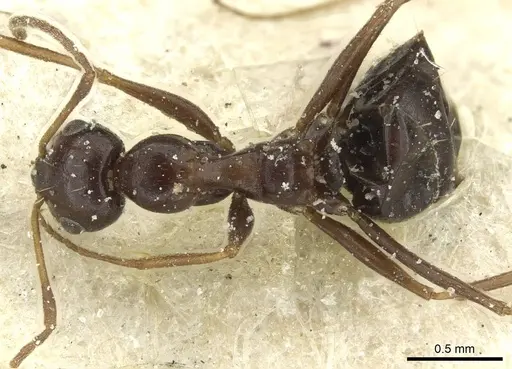
CASENT0912383
View on AntWeb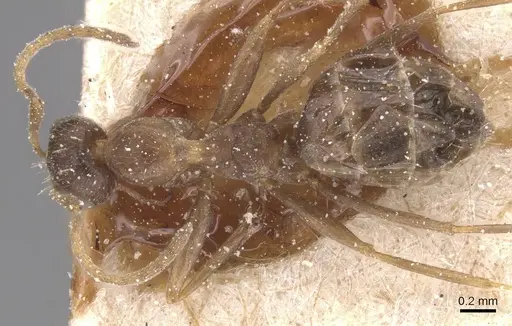
CASENT0912384
View on AntWeb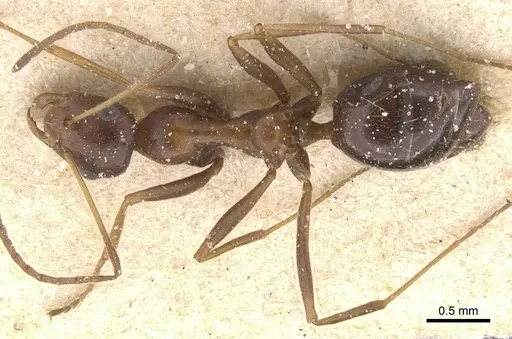
CASENT0912385
View on AntWeb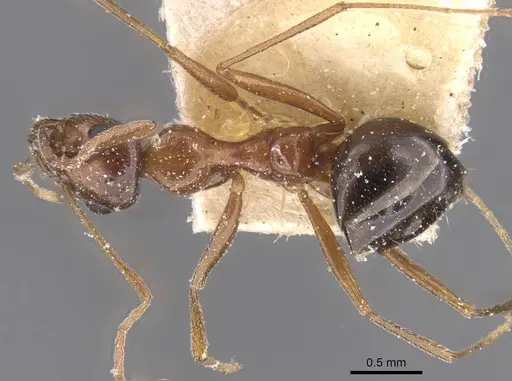
CASENT0912386
View on AntWeb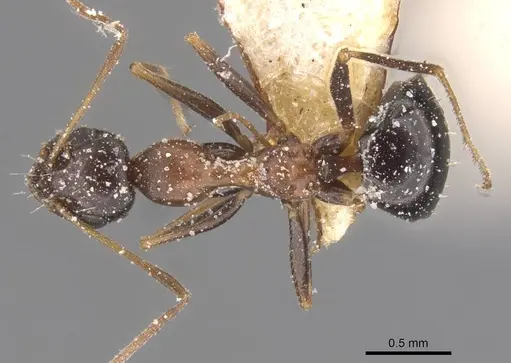
CASENT0912387
View on AntWeb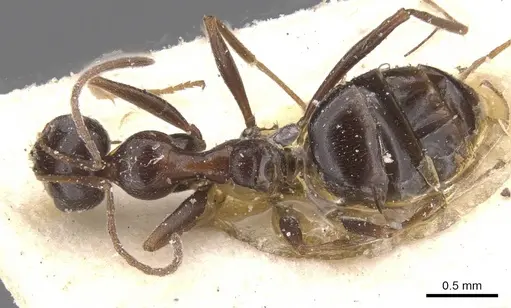
CASENT0912388
View on AntWeb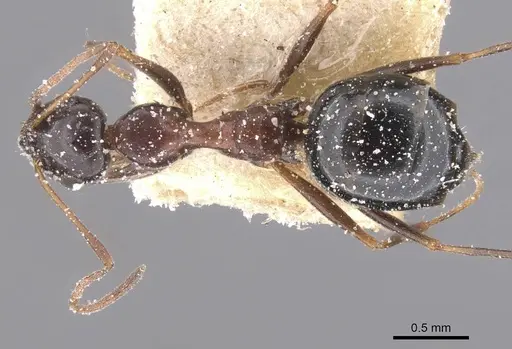
CASENT0917323
View on AntWeb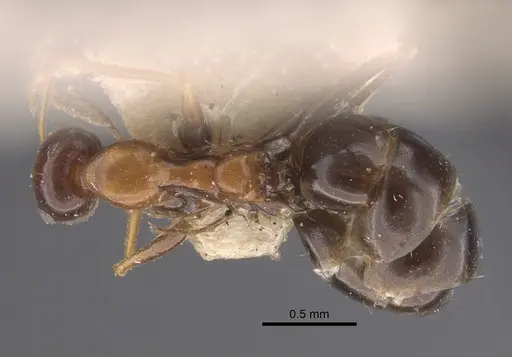
CASENT0922269
View on AntWeb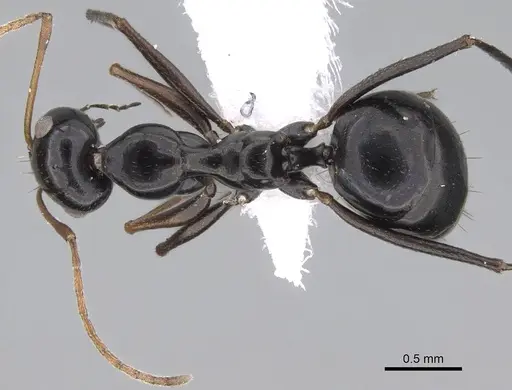
CFH000012
View on AntWeb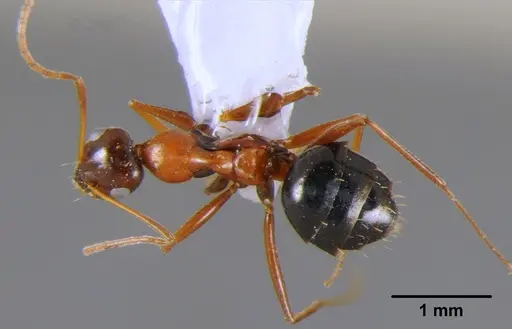
FOCOL2199
View on AntWeb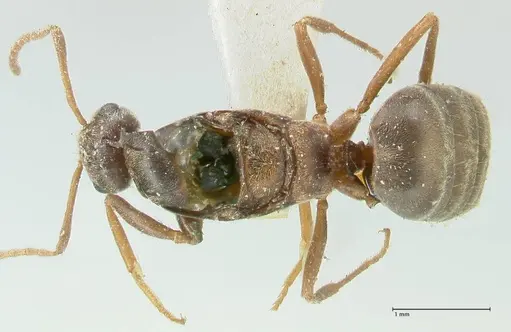
FOCOL2200
View on AntWeb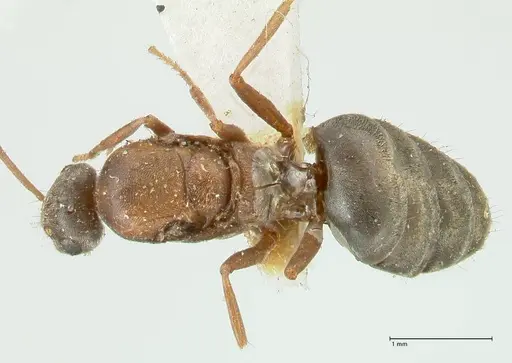
FOCOL2201
View on AntWeb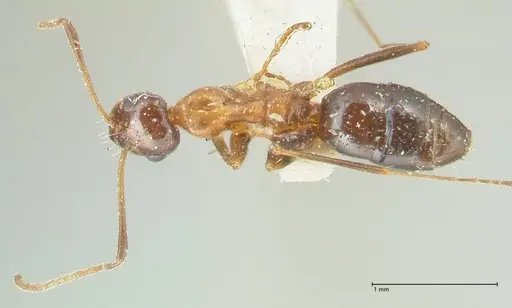
Literature
Loading distribution map...Loading products...