
Lepisiota emmelii
- Sci. Name
- Lepisiota emmelii
- Tribe
- Plagiolepidini
- Subfamily
- Formicinae
- Author
- Kutter, 1932
- Distribution
- Found in 1 countries
Introduction
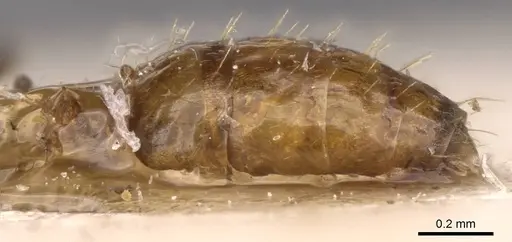
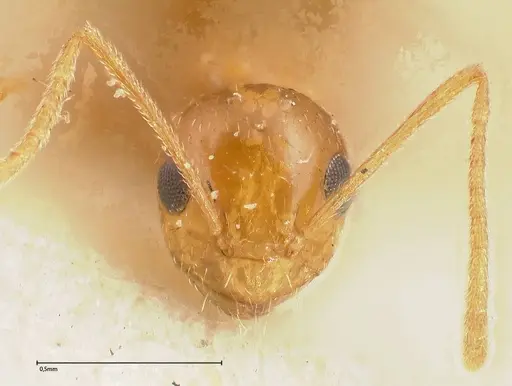
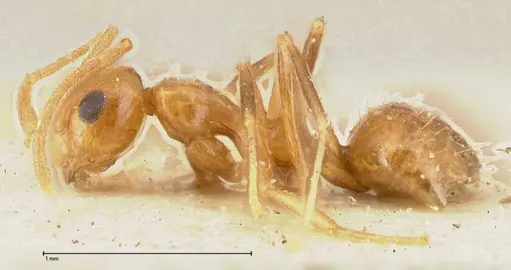
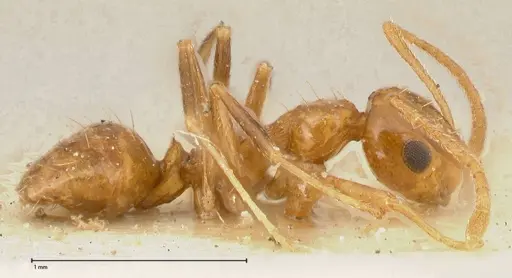
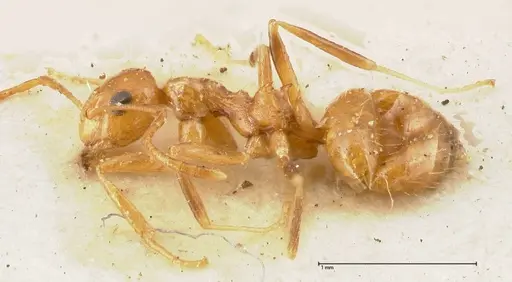
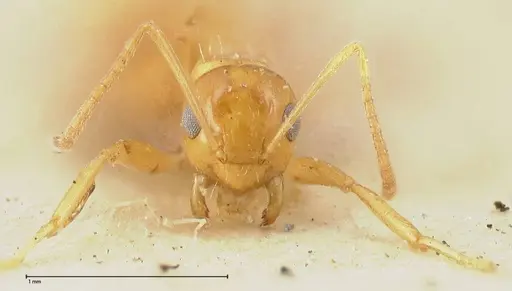
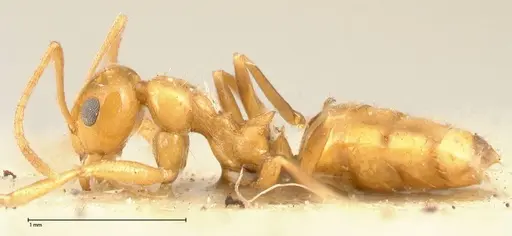
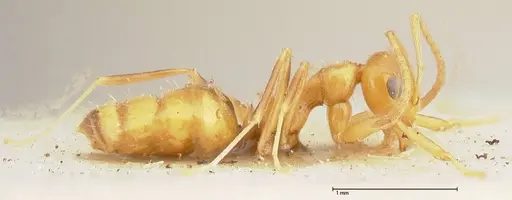
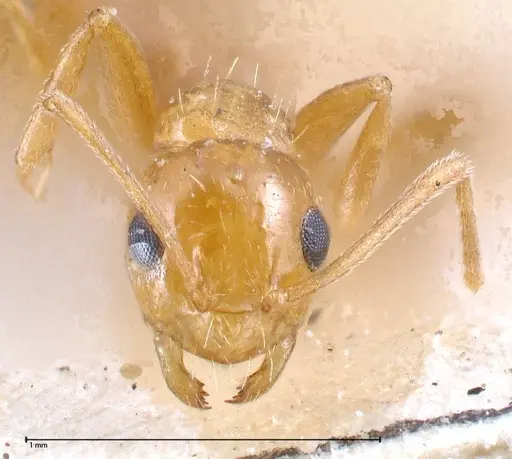
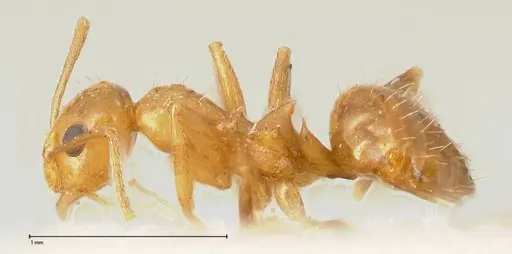
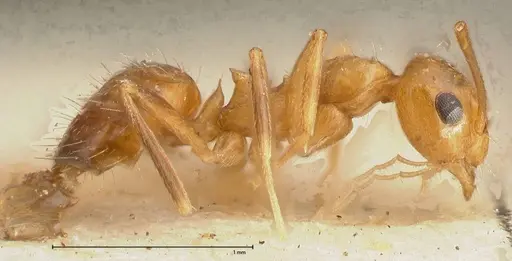
Lepisiota emmelii is a small ant species originally described from Java, Indonesia. Workers have a yellowish-brown gaster (the rear abdominal segment) and distinctive upward-pointing petiolar spines. The anterior face of the petiolar node is weakly convex. This species was originally described as Acantholepis emmelii in 1932 before being moved to the genus Lepisiota in 1995. It is found in highland areas of Indonesia, which distinguishes it from related lowland species. The genus Lepisiota belongs to the subfamily Formicinae and the tribe Plagiolepidini, which includes various small ants known for their active foraging behavior.
Quick Summary
- Difficulty: Medium
- Origin & Habitat: Java, Indonesia, highland areas in the Indomalaya region [1][2]
- Colony Type: Colony structure is unconfirmed for this specific species
- Size & Growth:
- Queen: Size data unavailable, inferred from Lepisiota genus (~6-8mm)
- Worker: Size data unavailable, inferred from Lepisiota genus (~2-4mm)
- Colony: Unknown for this specific species
- Growth: Unknown, likely moderate based on genus patterns
- Development: Unknown, estimated 6-8 weeks at optimal temperature based on related Formicinae species (This is an estimate based on genus-level data, specific development time for this species has not been documented)
- Antkeeping:
- Temperature: Keep at 24-28°C, they are a tropical species from Java and prefer warm conditions. A heating cable on one side of the nest creates a suitable gradient.
- Humidity: Moderate to high humidity, aim for 60-80%. Keep the nest substrate slightly moist but not waterlogged.
- Diapause: Unknown, as a tropical species from Java, they likely do not require a true hibernation period
- Nesting: In nature they likely nest in soil or under stones in highland areas. A Y-tong (AAC) nest or plaster nest with small chambers works well. They prefer tight, enclosed spaces scaled to their small size.
- Behavior: Based on genus patterns, Lepisiota workers are active foragers. They may defend their nest if threatened. Their small size makes them good escape artists, use fine mesh barriers and tight-fitting lids.
- Common Issues: escape prevention is critical due to their tiny size, they can squeeze through very small gaps, tropical species may struggle in cool or dry conditions, monitor temperature and humidity closely, limited specific care data means you may need to adjust conditions based on colony behavior, wild-caught colonies may carry parasites that can cause problems in captivity
Nest Preferences
In their native Java highland habitat, these ants likely nest in soil or beneath stones. For captive care, a Y-tong (AAC) nest or plaster formicarium works well. The chambers should be small and tight-fitting to their body size. A small water reservoir in the nest helps maintain humidity. Since they come from highland areas, they may prefer slightly cooler and more humid conditions than typical lowland tropical ants. Some dry areas in the nest allow workers to regulate their own humidity preferences. [1]
Feeding and Diet
Like most Formicinae ants, Lepisiota emmelii likely has an omnivorous diet. Workers probably collect honeydew from aphids and scale insects in addition to hunting small insects. In captivity, offer sugar water or honey as a constant energy source. For protein, provide small live prey such as fruit flies, pinhead crickets, or mealworms. Feed protein prey 2-3 times per week, and keep sugar sources available at all times. Remove uneaten prey after 24 hours to prevent mold issues.
Temperature and Care
As a tropical species from Java, Lepisiota emmelii requires warm conditions. Keep the nest area at 24-28°C for optimal colony development and brood growth. A heating cable placed on top of the nest helps maintain consistent warmth. Create a temperature gradient so workers can move between warmer and cooler areas. Since they come from highland areas, they may not tolerate extreme heat well, avoid temperatures above 32°C. Maintain humidity at 60-80% by keeping the nest substrate slightly moist. [1]
Behavior and Temperament
Based on genus patterns, Lepisiota workers are active foragers. They may defend their nest if threatened. Their small size makes them excellent escape artists, use fluon on test tube rims and fine mesh on any openings. They will readily explore their outworld for food.
Colony Founding
The founding behavior of this specific species has not been documented. Based on typical Lepisiota genus patterns, the queen may seal herself in a small chamber and raise her first workers alone using stored fat reserves. The founding chamber should be small and dark. Do not disturb the founding queen during this period, excessive vibration or light can cause her to abandon or consume her brood. Once workers emerge, they will gradually expand the nest and begin foraging.
Frequently Asked Questions
How long does it take for Lepisiota emmelii to produce first workers?
Specific development time for this species has not been documented. Based on related Formicinae species, expect around 6-8 weeks from egg to first worker at optimal temperature (24-28°C). The first workers (nanitics) will be smaller than normal workers.
What temperature do Lepisiota emmelii ants need?
Keep them at 24-28°C. They are a tropical species from Java and prefer warm conditions. A heating cable on the nest helps maintain consistent warmth. Avoid temperatures above 32°C.
Are Lepisiota emmelii good for beginners?
This species is rated as Medium difficulty. The limited specific care data and their small size (requiring good escape prevention) make them better suited for keepers with some experience.
Can I keep multiple Lepisiota emmelii queens together?
The colony structure of this species is not well documented. Based on typical Lepisiota patterns, they likely form single-queen colonies. Combining unrelated queens is not recommended as they may fight. If you find a queen, it is best to start her in an individual setup.
What do Lepisiota emmelii eat?
They are omnivorous. Offer sugar water or honey constantly for energy, and protein prey (fruit flies, small crickets, mealworms) 2-3 times per week.
How big do Lepisiota emmelii colonies get?
The maximum colony size is unknown for this specific species. Based on related Lepisiota species, colonies may reach several hundred workers.
Do Lepisiota emmelii need hibernation?
As a tropical species from Java, they likely do not require a true hibernation period. However, they may have reduced activity during cooler seasons.
What size nest do I need for Lepisiota emmelii?
Start with a simple test tube setup for the founding queen. Once the colony reaches 20-30 workers, you can move them to a small Y-tong (AAC) nest or plaster formicarium with chambers scaled to their tiny size.
Why are my Lepisiota emmelii dying?
Common causes include: too low temperature (they need 24-28°C), too dry conditions (keep humidity 60-80%), poor escape prevention allowing escapes, or parasites from wild-caught colonies. Check your temperature and humidity first.
Report an Issue
The current care sheet is based fully on literature. See inconsistencies, or something that's incorrect? Please , it will be resolved after review from an admin. Contributing to the blogs tab also helps providing information, to make us be able to further improve the caresheets. Thank you for your support!
References

This caresheet is licensed under CC BY-SA 4.0 .
Community Blogs
CASENT0907587
View on AntWeb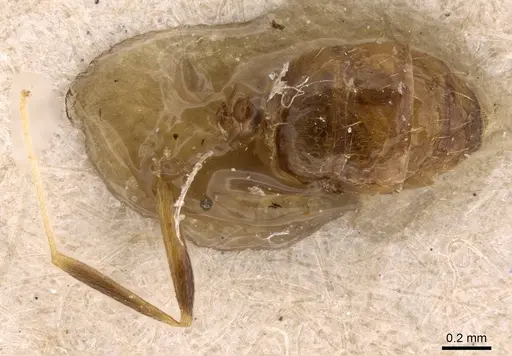
FOCOL0468
View on AntWeb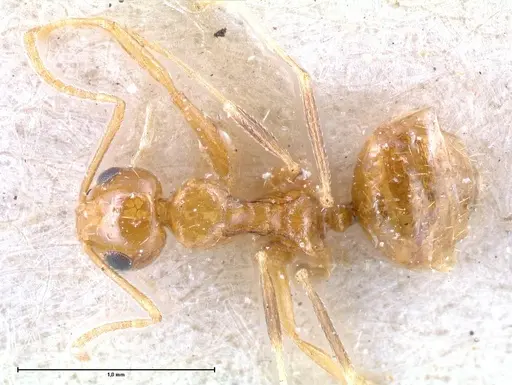
FOCOL0469
View on AntWeb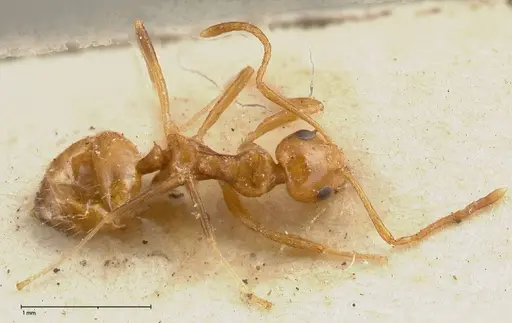
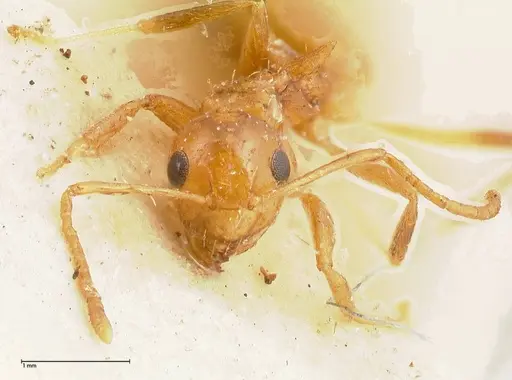
FOCOL0470
View on AntWeb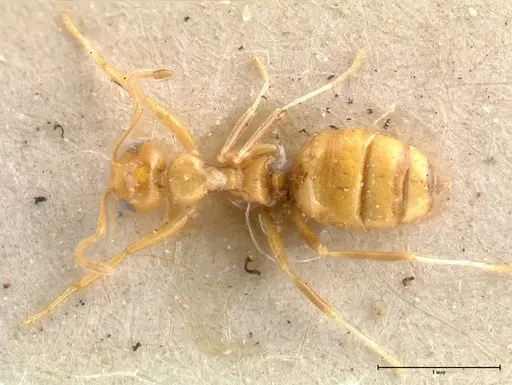
FOCOL0471
View on AntWeb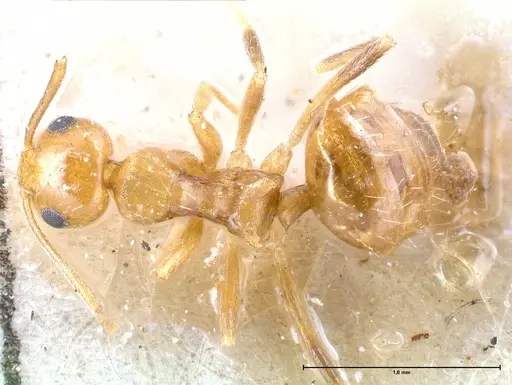
Literature
Loading distribution map...Loading products...