
Lepisiota dammama
- Sci. Name
- Lepisiota dammama
- Tribe
- Plagiolepidini
- Subfamily
- Formicinae
- Author
- Collingwood & Agosti, 1996
- Distribution
- Found in 0 countries
Introduction
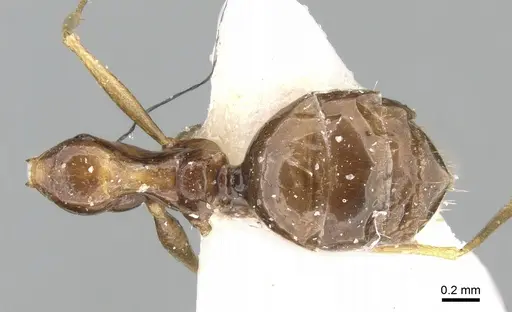
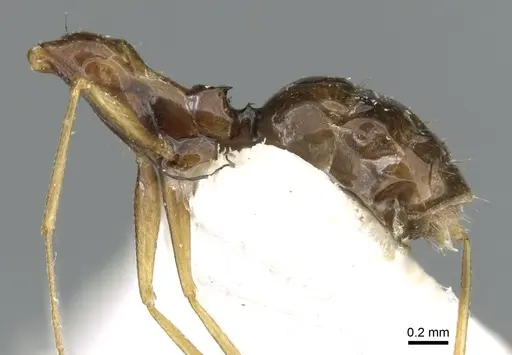
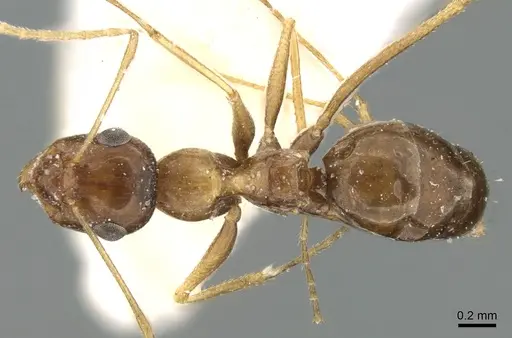
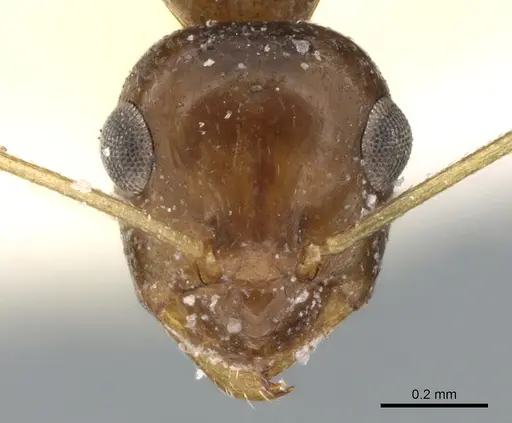
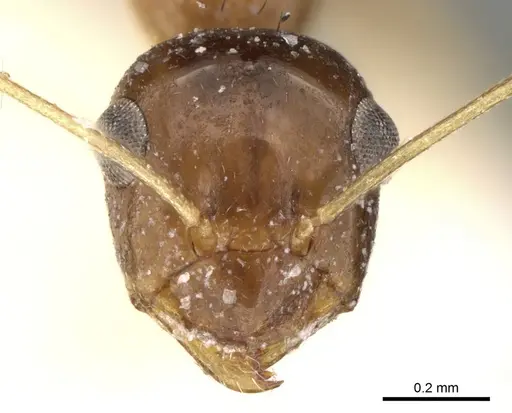
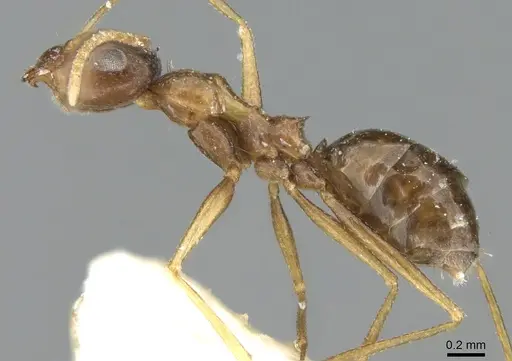
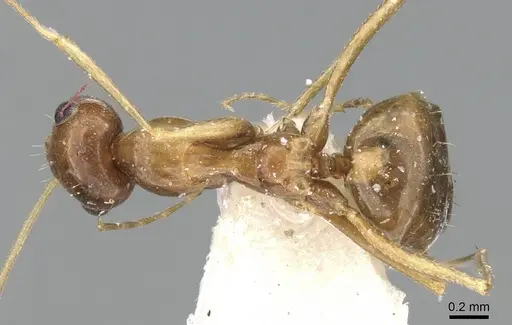
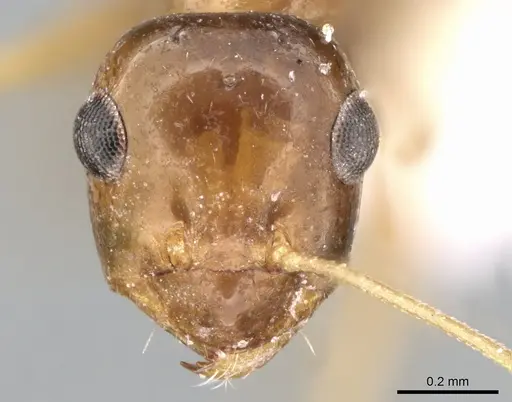
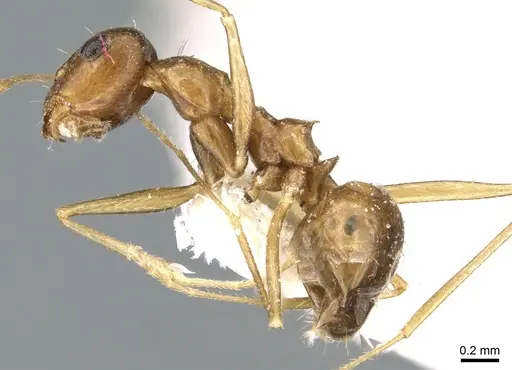
Lepisiota dammama is a small ant species native to Saudi Arabia. Workers have a distinctive bicolored appearance - the head is brilliant black, the gaster is brownish, and the middle body section shows a mix of pale red and dark areas. They have large eyes and pale antennae and legs. This species is distinguished from related species like Lepisiota frauenfeldi by its sharper spines, more shining appearance, and much paler overall coloration . This species is endemic to Saudi Arabia and is considered rare in scientific collections, known only from the Dammam region along the Persian Gulf coast. No biological studies have been published on this species, so all care information is inferred from genus patterns and the species' Arabian Peninsula origin.
Quick Summary
- Difficulty: Unknown, likely Easy to Medium based on genus patterns
- Origin & Habitat: Endemic to Saudi Arabia, specifically the Dammam region along the Persian Gulf coast (26°24'N 50°11'E). Found in arid, desert-adjacent habitats with typical Arabian Peninsula climate, extremely hot summers and mild winters [2][1][3].
- Colony Type: Unconfirmed, likely monogyne (single queen) based on typical Lepisiota patterns. No data on colony structure for this specific species.
- Size & Growth:
- Queen: Size data unavailable for this species, inferred from genus patterns (~5-8mm)
- Worker: Approximately 4-5mm based on genus typical size
- Colony: Unknown, likely moderate based on typical Lepisiota colony sizes
- Growth: Unknown, likely moderate growth rate typical of the genus
- Development: Unconfirmed, estimated 4-8 weeks based on typical Formicinae development in warm conditions (No direct development data exists for this species. Estimate based on typical Formicinae development in warm conditions (25-30°C).)
- Antkeeping:
- Temperature: Keep warm, aim for 24-30°C based on their Saudi Arabian origin. A heating cable on one side of the nest creates a temperature gradient allowing ants to self-regulate. Room temperature in heated homes (22-25°C) may be acceptable.
- Humidity: Low to moderate, these are desert-adapted ants. Keep the nest substrate relatively dry with only occasional light misting. Allow the substrate to dry between water additions. Avoid damp conditions that could cause mold.
- Diapause: Likely minimal or no true diapause, Saudi Arabia has mild winters. However, a brief cool period (15-18°C for 4-6 weeks) during winter months may benefit colony health, similar to other Palearctic species.
- Nesting: In nature they likely nest in soil or under stones in arid ground. For captivity, a Y-tong (AAC) nest or plaster nest works well. Avoid overly humid setups. Provide a small outworld for foraging.
- Behavior: Behavior is unstudied, but Lepisiota species are typically moderate in temperament, not particularly aggressive but will defend the nest. Workers are active foragers. Escape risk is moderate due to their small size, use standard barriers. They likely accept sugar water and small insects as food, similar to related species.
- Common Issues: no biological data exists for this species, keepers must learn through observation, extreme rarity in the wild means no established captive breeding lines, desert origin means overwatering or high humidity can quickly kill colonies, small size creates moderate escape risk, use proper barriers, lack of species-specific information means temperature and feeding preferences are estimates
Appearance and Identification
Lepisiota dammama workers are small ants measuring approximately 4-5mm. They have a distinctive bicolored appearance that helps separate them from related species, the head is a brilliant black, the rear body section (gaster) is brownish, and the middle body shows a mix of pale red and dark areas. Their most distinguishing features are the sharp, pointed spines on the propodeum (rear of the middle body) and the petiole (the narrow waist segment). They also have notably large eyes and a more shining (glossy) appearance compared to similar species like Lepisiota frauenfeldi. The antennae and legs are pale in color [1]. These ants belong to the subfamily Formicinae and tribe Plagiolepidini.
Natural Distribution and Habitat
This species is endemic to Saudi Arabia, meaning it's found nowhere else in the world [2]. The type specimens were collected from Dammam, a city on the Persian Gulf coast (26°24'N 50°11'E), as well as Jebel Maniq and Wadi Awsat [1]. It's considered a rare species, only about 5 specimens have been documented in scientific collections [2]. The species has Palearctic zoogeographic affinities, connecting it to ant faunas found in regions north of the Arabian Peninsula [2]. In their natural habitat, they likely nest in soil or under stones in arid ground, adapting to the extreme heat and dryness of the Arabian Desert region.
What We Don't Know
It's important to be upfront: literally nothing has been published about the biology of Lepisiota dammama. We don't know their colony structure (single queen or multiple), founding behavior (how queens start new colonies), development time, diet preferences, or any aspects of their behavior in captivity. This is one of the least-studied ant species in the hobby. What we can do is apply what we know about the genus Lepisiota as a whole and about other ants from the Arabian Peninsula region. Keepers of this species will essentially be pioneers, learning about its care through observation and experimentation. [1]
Housing and Nesting
Based on their desert origin, provide a relatively dry nest environment. A Y-tong (AAC) acrylic nest or plaster nest works well, both allow you to control humidity levels more easily than fully naturalistic setups. Keep the nest relatively dry with only occasional light misting if the substrate appears to be drying out completely. Allow periods of dryness between water additions to prevent mold growth, which can quickly kill desert-adapted ants. The outworld can be decorated with sand or gravel appropriate for an arid species. Ensure excellent escape prevention, while not the smallest ants, they can still squeeze through small gaps.
Temperature and Heating
As a species from Saudi Arabia, Lepisiota dammama likely prefers warm conditions. Aim for a temperature range of 24-30°C in the nest area. A heating cable placed on one side of the nest creates a temperature gradient, allowing the ants to move to warmer or cooler areas as they prefer. During summer months, room temperature in heated homes (22-25°C) may be adequate. In winter, a slight reduction to around 18-22°C is reasonable, but avoid cold temperatures below 15°C. The key is stability, avoid sudden temperature swings.
Feeding and Diet
No specific feeding data exists for this species, but Lepisiota ants are typically omnivorous. Offer sugar water or honey as an energy source, small test tubes with cotton balls soaked in sugar water work well. For protein, provide small insects like fruit flies, small mealworms, or cricket pieces. Given their small size, prey items should be appropriately sized. Observe what the colony accepts and adjust accordingly. Feed protein 2-3 times per week and keep sugar water available constantly. Remove any uneaten prey after 24-48 hours to prevent mold.
Frequently Asked Questions
How long does it take for Lepisiota dammama to go from egg to worker?
This is unconfirmed since no biological studies exist for this species. Based on typical Formicinae development in warm conditions (25-30°C), estimate roughly 4-8 weeks from egg to first worker. Keep the nest warm and stable to support development.
What do Lepisiota dammama ants eat?
No species-specific feeding data exists. Based on genus patterns, they likely accept sugar sources (honey or sugar water) and small insects. Offer sugar water constantly and protein prey 2-3 times weekly. Remove uneaten prey after a day.
Are Lepisiota dammama good for beginners?
This is difficult to answer since we have no captive breeding history for this species. They are likely manageable for intermediate keepers comfortable with species that require warm, dry conditions. However, the complete lack of biological data means keepers should be prepared to learn through observation.
What temperature should I keep Lepisiota dammama at?
Based on their Saudi Arabian origin, aim for 24-30°C. A heating cable on part of the nest creates a gradient. Room temperature (22-25°C) may be acceptable in heated homes. Avoid temperatures below 15°C.
How big do Lepisiota dammama colonies get?
Colony size is unconfirmed for this species. Based on typical Lepisiota genus patterns, expect moderate colonies. They are considered rare in the wild, so large colonies may be uncommon even in captivity.
Do Lepisiota dammama need hibernation?
Saudi Arabia has mild winters, so true diapause is unlikely. However, a brief cool period (15-18°C for 4-6 weeks) during winter months may benefit colony health, similar to other Palearctic species. Monitor colony activity, if they remain active, they may not need a cool period.
Can I keep multiple Lepisiota dammama queens together?
Colony structure is unconfirmed for this species. Most Lepisiota are monogyne (single queen), but we have no specific data. Combining unrelated queens is not recommended since it hasn't been studied and could result in fighting.
What humidity do Lepisiota dammama need?
As desert-adapted ants from Saudi Arabia, keep humidity low to moderate. The nest should be relatively dry, allow substrate to dry between water additions. Avoid damp conditions that could cause mold, which is deadly to desert species.
Where can I get Lepisiota dammama?
This is an extremely rare species in the hobby, with only a handful of specimens known from scientific collections. Wild-caught queens may be the only option. Check with specialized ant sellers who work with Middle Eastern species. Always verify legal collection and export permits if sourcing from the wild.
Report an Issue
The current care sheet is based fully on literature. See inconsistencies, or something that's incorrect? Please , it will be resolved after review from an admin. Contributing to the blogs tab also helps providing information, to make us be able to further improve the caresheets. Thank you for your support!
References

This caresheet is licensed under CC BY-SA 4.0 .
Community Blogs
Literature
Loading distribution map...Loading products...