
Lepisiota carbonaria
- Sci. Name
- Lepisiota carbonaria
- Tribe
- Plagiolepidini
- Subfamily
- Formicinae
- Author
- Emery, 1892
- Distribution
- Found in 1 countries
Introduction
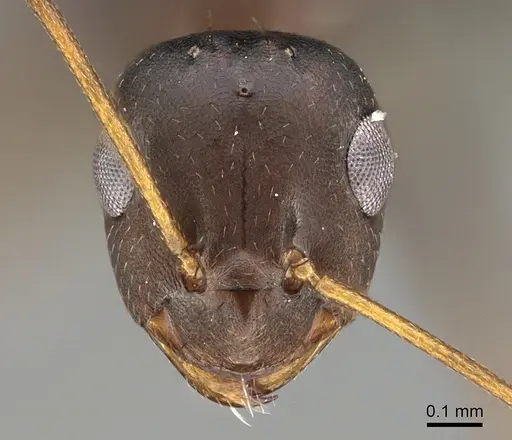
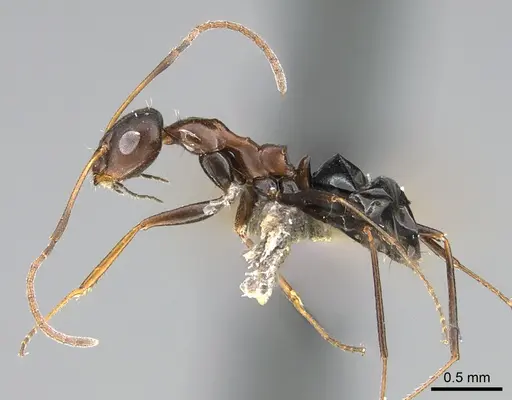
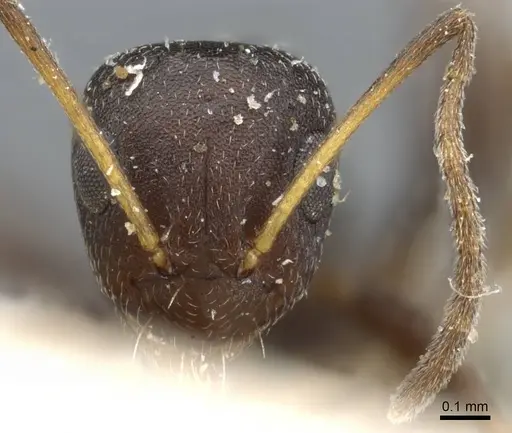
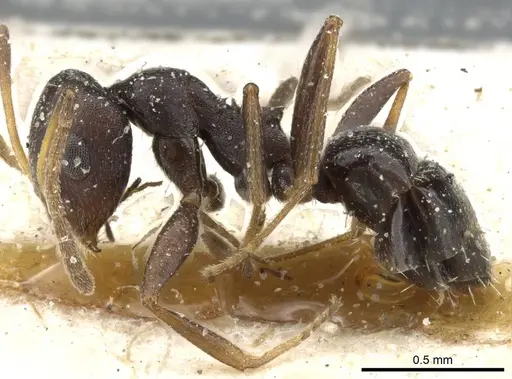
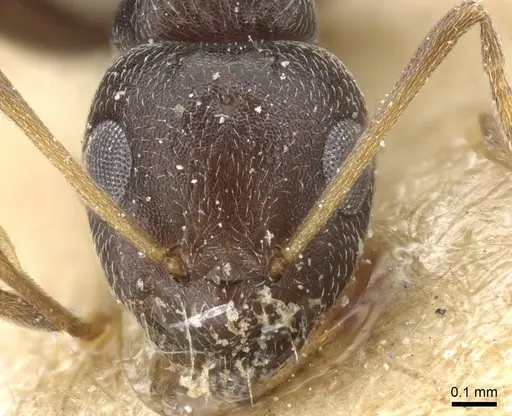
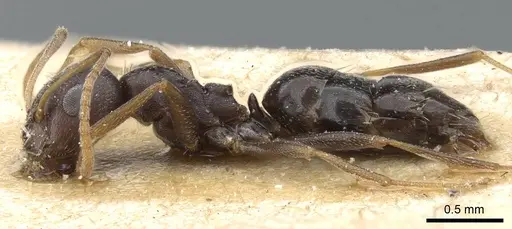
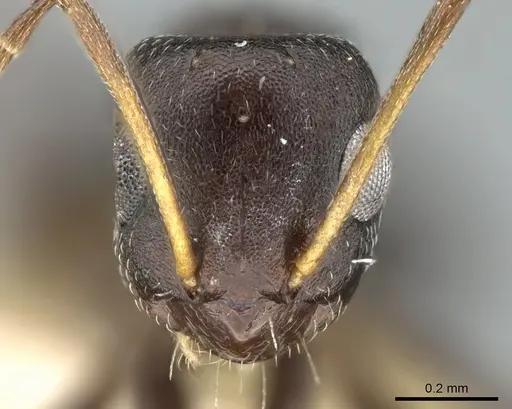
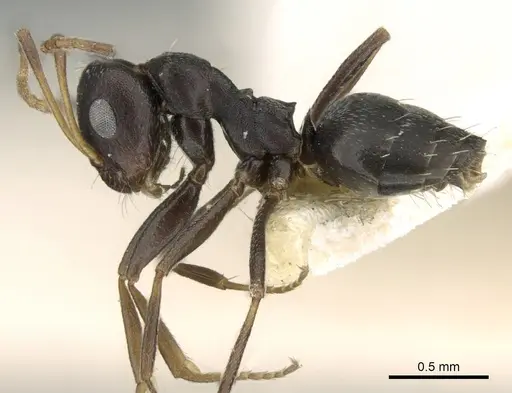
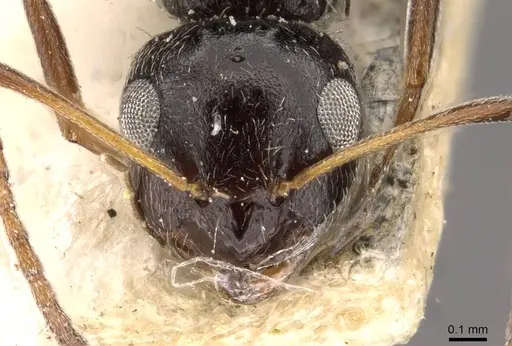
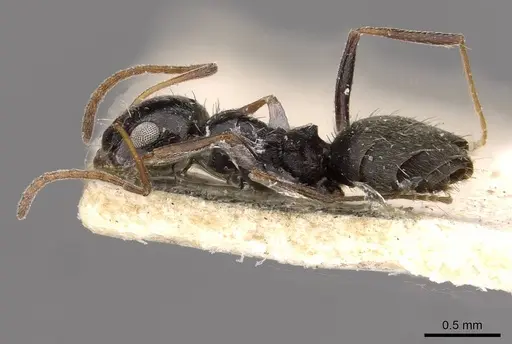
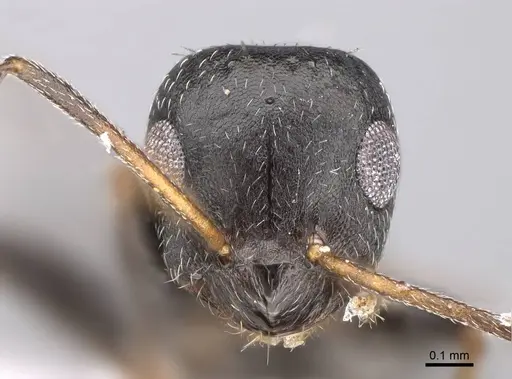
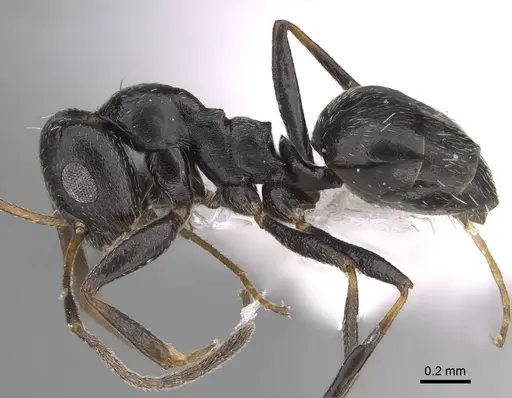
Lepisiota carbonaria is a tiny ant species from the Horn of Africa and the Arabian Peninsula. Workers measure just 2.12mm in total length, making them one of the smaller ants you'll encounter in the hobby . They have a dark brown body with yellowish antennae, tibiae, and tarsi. The head and mesosoma are strongly sculpted and completely matte, while the gastral tergites are shinier with a row of short hairs along the rear edges . They have short, blunt propodeal spines. This species is native to dry, warm regions across Djibouti, Oman, Saudi Arabia, Somalia, Yemen, and has also been recorded in Democratic Republic of Congo . They are found in leaf litter under Vachellia trees in dry soil conditions . As a poorly studied Afrotropical species, much of their biology remains unknown, but they appear to be generalist foragers typical of the genus.
Quick Summary
- Difficulty: Medium
- Origin & Habitat: Native to the Horn of Africa (Somalia, Djibouti, Ethiopia) and the Arabian Peninsula (Oman, Saudi Arabia, Yemen), with additional records from Democratic Republic of Congo [1][2][4][5]. Found in leaf litter under Vachellia trees in dry soil conditions [2]. This is a warm-climate, dry-adapted species from tropical and subtropical regions.
- Colony Type: Unconfirmed. The genus Lepisiota contains both single-queen and multi-queen species, but specific data for L. carbonaria is lacking. Colony structure is not documented in available literature.
- Size & Growth:
- Queen: Size data unavailable. No measurements of queens are recorded in the available literature.
- Worker: 2.12mm total length [1][2]
- Colony: Not documented. Colony size is unknown based on current research.
- Growth: Unknown. No data on colony growth rate exists for this species.
- Development: Unknown. No specific development data exists for this species. For Formicinae at warm temperatures, development from egg to worker typically takes 4-8 weeks, but this is an estimate based on related species. (No published information on brood development. Keep at optimal warm temperatures to encourage steady growth.)
- Antkeeping:
- Temperature: Warm conditions required. Based on their native range in Somalia, Oman, and Saudi Arabia, aim for 24-30°C. A slight gradient allowing warmer (28-30°C) and cooler (24-26°C) areas is ideal. They are not adapted to cool conditions [2].
- Humidity: Low to moderate. These ants come from dry regions and were found in dry soil under Vachellia trees [2]. Keep the nest substrate slightly moist to the touch but not wet. Avoid standing water and high humidity that could lead to mold.
- Diapause: Not required. As a tropical/subtropical species, they do not need a winter diapause. Activity may slow in cooler periods, but no hibernation is needed [5].
- Nesting: Small chambers work best for their tiny size. Y-tong (AAC) or plaster nests with appropriately scaled chambers or a test tube setup are suitable. They likely prefer dry nest conditions with good ventilation. Avoid large, open spaces.
- Behavior: Foraging behavior is not well documented. As a member of Formicinae, they defend themselves by spraying formic acid rather than stinging. Their tiny size (2.12mm) means they can escape through very small gaps, so excellent escape prevention is essential. They are likely non-aggressive and fast-moving foragers [5].
- Common Issues: tiny size means escapes are likely without fine mesh barriers and tight seals, dry-region species, overwatering or overly humid conditions can kill colonies, poorly studied species, expect some trial and error to dial in care, no specific colony data means founding may be challenging without prior experience, limited availability in the hobby makes this a specialty species
Housing and Nest Setup
With workers measuring only 2.12mm, you need a nest scaled to their tiny size. A Y-tong (AAC) nest with small, tight chambers works well. A test tube setup is also suitable for founding. The nest material should allow some humidity control but lean toward dry conditions. A small water chamber connected to a cotton wick can provide moisture without saturating the nest. Good ventilation is essential to prevent mold in the dry conditions they prefer [1][2].
Temperature Requirements
Keep them warm at 24-30°C, ideally around 26-28°C for active foraging and brood development. Provide a temperature gradient with a warmer side at 28-30°C and a cooler side at 24-26°C. If your room temperature drops below 24°C, use a heating cable or mat on one side. Avoid prolonged temperatures under 20°C [2].
Feeding and Diet
They are generalist foragers. Offer small protein sources like fruit flies, pinhead crickets, or small mealworms. Provide sugar water or honey for energy. Because of their tiny size, prey should be appropriately small. Feed small amounts every 2-3 days and remove uneaten food to prevent mold. Keep a constant supply of sugar water, replacing it every few days [5].
Humidity and Water
These ants come from dry regions and need lower humidity than many tropical ants. Keep the nest substrate moderately dry, slightly moist to the touch but not waterlogged. Provide a small water tube or reservoir for drinking. Avoid misting the nest directly, as excess moisture can cause fungal growth. Ensure good ventilation [2].
Escape Prevention
With workers just 2.12mm, these ants can squeeze through tiny gaps. Use fine mesh on all ventilation openings. Apply Fluon or a similar barrier to all enclosure edges. Ensure lids fit tightly. Check for gaps frequently, especially in the first few days. A layer of baby powder mixed with glycerin on enclosure rims also works [1].
Colony Development
No specific data exists for this species. Based on typical Formicinae, the queen likely founds claustrally by sealing herself in a small chamber. The first workers (nanitics) may appear after 4-8 weeks at optimal temperatures, but this is an estimate. Expect slow initial growth. Be patient and avoid disturbing the queen during founding [5].
Frequently Asked Questions
How long does it take for Lepisiota carbonaria to produce first workers?
Exact timing is unknown. Based on typical Formicinae development at 26-28°C, egg to worker may take 4-8 weeks. Be patient and avoid disturbing the queen during founding [5].
What temperature do Lepisiota carbonaria ants need?
Keep them warm at 24-30°C, ideally around 26-28°C. A temperature gradient is beneficial. They come from tropical Africa and Arabia, so cool temperatures will slow or stop activity [2].
Are Lepisiota carbonaria ants difficult to keep?
Medium difficulty. Main challenges: their tiny size (excellent escape prevention needed), need for warm and dry conditions, and lack of specific care data since they are poorly studied [1][2].
Do Lepisiota carbonaria ants need hibernation?
No. As a tropical/subtropical species, they do not require a winter diapause. Activity may slow in cooler periods, but no hibernation is needed [5].
How big do Lepisiota carbonaria colonies get?
Colony size is not documented. No data exists on maximum colony size for this species [5].
What do Lepisiota carbonaria ants eat?
They are generalist foragers. Offer small protein sources like fruit flies, small crickets, or mealworms, plus sugar water or honey for energy. Their tiny size means prey must be appropriately small [5].
Can I keep multiple Lepisiota carbonaria queens together?
Colony structure is unconfirmed. The genus contains both single- and multi-queen species, but specific data for this species is lacking. It is not recommended to combine unrelated foundresses unless you have clear evidence [5].
When should I move Lepisiota carbonaria to a formicarium?
Wait until the colony has at least 20-30 workers and is actively foraging. Keep them in a test tube setup during founding. Moving too early can stress the colony [5].
Why are my Lepisiota carbonaria ants dying?
Common causes: too cold (below 24°C), too humid (they prefer dry conditions), poor escape prevention allowing escapes, or stress from disturbance during founding. Check temperature and humidity first. Ensure they have appropriate small prey and sugar sources [2].
Report an Issue
The current care sheet is based fully on literature. See inconsistencies, or something that's incorrect? Please , it will be resolved after review from an admin. Contributing to the blogs tab also helps providing information, to make us be able to further improve the caresheets. Thank you for your support!
References

This caresheet is licensed under CC BY-SA 4.0 .
Community Blogs
ANTWEB1041922
View on AntWeb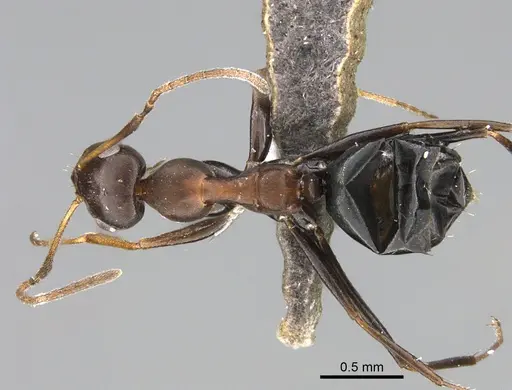
CASENT0898181
View on AntWeb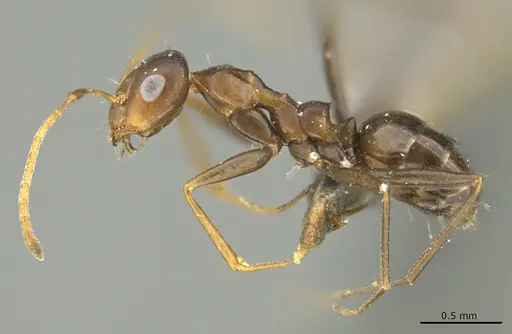
CASENT0905149
View on AntWeb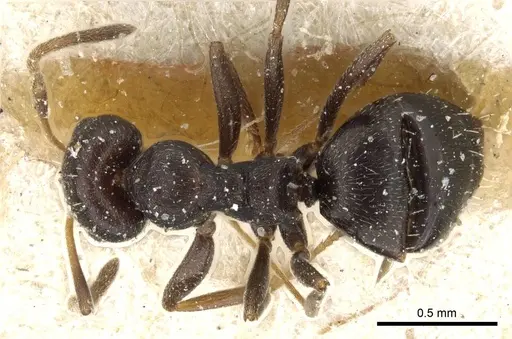
CASENT0905154
View on AntWeb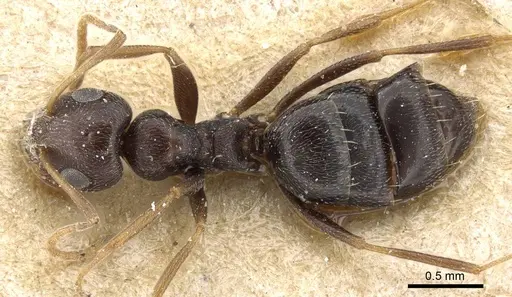
CASENT0906261
View on AntWeb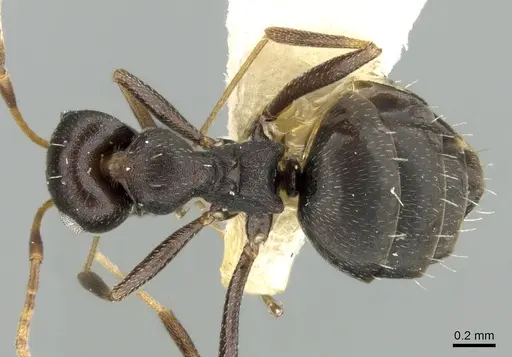
CASENT0909881
View on AntWeb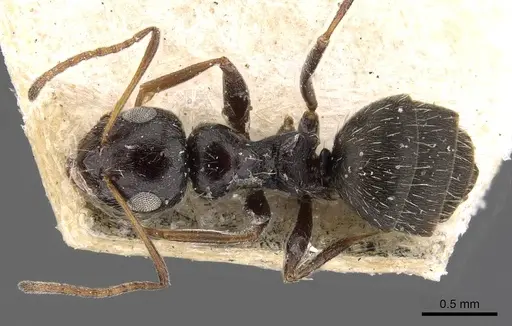
CASENT0922845
View on AntWeb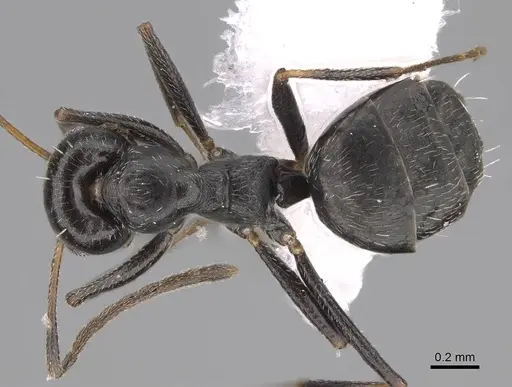
Literature
Loading distribution map...Loading products...