
Lepisiota cacozela
- Sci. Name
- Lepisiota cacozela
- Tribe
- Plagiolepidini
- Subfamily
- Formicinae
- Author
- Stitz, 1916
- Distribution
- Found in 3 countries
Introduction
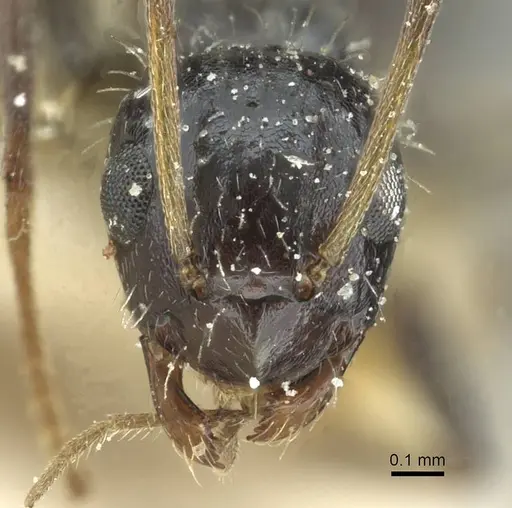
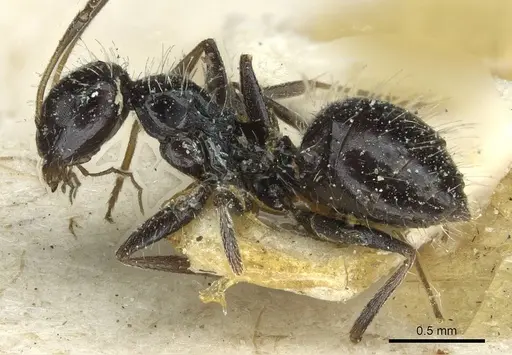
Lepisiota cacozela is a small to medium-sized ant native to West and Central Africa, found across Benin, Congo, the Democratic Republic of Congo, and Ivory Coast. Workers are dark brown to black. This species is commonly found in agricultural landscapes, particularly cocoa farms and fruit orchards, where it nests in dead branches and forages on trees and herbaceous vegetation. A unique behavioral trait is the construction of protective tents made of vegetable debris and other materials over aphid and coccid colonies, which helps protect their honeydew source from predators. The species is known to be antagonistic toward Oecophylla longinoda (weaver ants) in agricultural settings.
Quick Summary
- Difficulty: Medium
- Origin & Habitat: West and Central Africa, found in Benin, Congo, Democratic Republic of Congo, and Ivory Coast. Inhabits agricultural landscapes particularly cocoa farms and fruit orchards, nesting in dead branches and foraging on trees and herbaceous vegetation including cashew, kola, and mango orchards [1].
- Colony Type: Unconfirmed, colony structure has not been directly studied for this species.
- Size & Growth:
- Queen: Size data unavailable, estimated 6-8mm based on typical Lepisiota genus patterns
- Worker: Size data unavailable, estimated 3-4mm based on typical Lepisiota genus patterns
- Colony: Unknown, estimated up to several hundred workers based on similar species
- Growth: Moderate, estimated based on related species
- Development: Estimated 6-8 weeks at optimal tropical temperatures (Development timeline is estimated based on typical Formicinae patterns. Tropical species typically develop faster than temperate species.)
- Antkeeping:
- Temperature: Keep at 24-28°C, these are tropical ants from West Africa and need warm conditions. A heating cable on one side of the nest creates a suitable gradient.
- Humidity: Moderate to high humidity around 60-80%. These ants come from humid tropical regions and need moisture for brood development. Keep the nest substrate consistently moist but not waterlogged.
- Diapause: No, as a tropical species from West Africa, they do not require hibernation. Maintain warm temperatures year-round.
- Nesting: In nature they nest in dead branches. For captivity, a Y-tong (AAC) nest or plaster nest works well. Provide dead wood or cork pieces if using a naturalistic setup. They appreciate having some plant material or debris in their outworld to build their characteristic tent structures.
- Behavior: These ants are moderately active foragers that tend aphids and coccids for honeydew. They are known to be antagonistic toward Oecophylla longinoda (weaver ants), suggesting they can be competitive and somewhat aggressive toward other ant species. Workers forage individually on vegetation and trees. Escape prevention should be good, while not extremely small, they are agile and will explore gaps. Their tent-building behavior is unique and may be observed in captivity if given appropriate materials.
- Common Issues: tropical species requires consistent warmth, cold temperatures will slow or stop brood development, honeydew dependency means they may reject sugar water initially, offer live prey and wait for them to discover honeydew sources, tent-building behavior may be misinterpreted as escape attempts if materials are not provided, aggressive toward other ant species, keep separate from mixed colonies, wild-caught colonies may carry parasites from agricultural settings
Housing and Nest Setup
Lepisiota cacozela can be kept in standard ant keeping setups. A Y-tong (AAC) nest works well, providing dark, humid chambers that mimic their natural nesting in dead branches. Alternatively, a plaster nest with a water reservoir maintains the moisture levels they need. For the outworld, include small pieces of dead wood, cork, or dried plant material, this allows them to exhibit their unique tent-building behavior where they construct protective coverings over aphid colonies. A small water test tube connected to the outworld provides drinking water. Ensure all connections are secure as these ants are agile and will find any loose connections. [1]
Feeding and Diet
In the wild, L. cacozela primarily feeds on honeydew from aphids and coccids they tend, along with small insects. In captivity, offer a varied diet including sugar water or honey as an energy source, and protein-rich foods like small crickets, mealworms, or fruit flies. Live prey is particularly important since they are active foragers. Some keepers report that Lepisiota species can be finicky about accepting sugar sources at first, if they ignore sugar water, try offering it near their tent structures or honeydew substitutes. Feed protein 2-3 times per week and keep a constant sugar source available. [1]
Temperature and Humidity
As a tropical species from West Africa, L. cacozela requires warm temperatures between 24-28°C. Use a heating cable or mat on one side of the nest to create a temperature gradient, allowing the ants to regulate their own temperature by moving between warmer and cooler areas. Keep humidity in the 60-80% range, the nest substrate should feel consistently moist but never waterlogged. These ants are sensitive to cold and temperatures below 20°C for extended periods can be harmful. Since they come from humid tropical regions, avoid keeping them in dry environments. [1]
Behavior and Colony Dynamics
This species is known for its unique tent-building behavior, constructing protective structures from vegetable debris and other materials over aphid colonies. They are aggressive toward other ant species, particularly Oecophylla longinoda (weaver ants), with whom they compete in agricultural settings. Workers forage actively on vegetation and can climb effectively. Colonies establish quickly once the queen begins laying eggs. The workers are moderately sized and handle general ant keeping tasks well. Watch for their characteristic foraging patterns on plants and provide opportunities for them to climb in the outworld. [1]
Seasonal Care
Unlike temperate species, L. cacozela does not require a diapause or hibernation period. Maintain consistent warm temperatures year-round. In their native range across Benin, Congo, and Ivory Coast, temperatures remain relatively stable throughout the year. Avoid any significant temperature drops and ensure heating is reliable, especially during winter months if your room temperature falls below their requirements. There is no specific seasonal breeding cycle, reproduction continues year-round in warm conditions. [1]
Frequently Asked Questions
How long does it take for Lepisiota cacozela to produce first workers?
The exact timeline has not been documented, but based on typical Formicinae development patterns and their tropical origin, expect approximately 6-8 weeks from egg to worker at optimal temperatures of 24-28°C.
Can I keep Lepisiota cacozela in a test tube setup?
Yes, a test tube setup can work for founding colonies. However, because they need higher humidity and come from tropical environments, you'll need to monitor moisture levels carefully. A Y-tong or plaster nest is often better for established colonies.
What do Lepisiota cacozela eat?
They primarily eat honeydew from aphids and coccids, plus small insects. In captivity, offer sugar water or honey, plus protein sources like small crickets, mealworms, or fruit flies. Live prey is appreciated.
Are Lepisiota cacozela good for beginners?
They are rated as Medium difficulty. They require warm tropical conditions year-round and can be aggressive toward other ants. Their tent-building behavior is interesting but requires appropriate materials. Not the easiest species for complete beginners, but manageable for those with some ant keeping experience.
How big do Lepisiota cacozela colonies get?
The maximum colony size has not been documented, but based on similar Lepisiota species, colonies likely reach several hundred workers. They are not among the largest ant species.
Do Lepisiota cacozela need hibernation?
No, they do not require hibernation. As a tropical species from West Africa, they need consistent warmth year-round. Temperatures below 20°C for extended periods can be harmful.
Can I keep multiple Lepisiota cacozela queens together?
The colony structure has not been studied, so this is uncertain. Based on typical Lepisiota patterns, they likely form single-queen colonies. Combining unrelated queens is not recommended without documented evidence of success.
Why does my Lepisiota cacozela build tents?
This is their natural behavior, in the wild, they build protective tents made of vegetable debris and other materials over aphids and coccids they tend. This protects their honeydew source from predators. In captivity, providing small plant materials allows them to exhibit this behavior.
What temperature is best for Lepisiota cacozela?
Keep them at 24-28°C. Use a heating cable on one side of the nest to create a gradient. These tropical ants need consistent warmth, cold temperatures will slow or stop brood development.
Are Lepisiota cacozela invasive?
No, they are native to West and Central Africa (Benin, Congo, DRC, Ivory Coast). They have not been documented as invasive elsewhere. They are commonly found in agricultural settings in their native range.
When should I move my Lepisiota cacozela to a formicarium?
Move them when the colony reaches around 30-50 workers and the test tube setup becomes crowded. Ensure the formicarium provides appropriate humidity and has connections to an outworld for foraging.
Report an Issue
The current care sheet is based fully on literature. See inconsistencies, or something that's incorrect? Please , it will be resolved after review from an admin. Contributing to the blogs tab also helps providing information, to make us be able to further improve the caresheets. Thank you for your support!
References

This caresheet is licensed under CC BY-SA 4.0 .
Community Blogs
CASENT0912370
View on AntWeb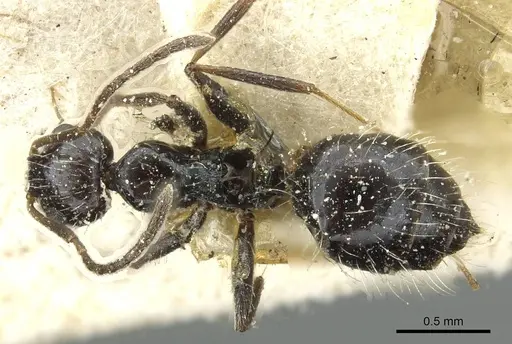
Literature
Loading distribution map...Loading products...