
Lepisiota aurea
- Sci. Name
- Lepisiota aurea
- Tribe
- Plagiolepidini
- Subfamily
- Formicinae
- Author
- Karavaiev, 1933
- Distribution
- Found in 0 countries
Introduction
Lepisiota aurea is a small ant species originally described from Java, Indonesia in 1933 by Karavaiev as Acantholepis aurea . It was moved to the genus Lepisiota by Bolton in 1995 . This species is one of only four valid Lepisiota species recorded in Southeast Asia . The type locality is on the western coast of Java near the Sunda Strait . Beyond taxonomic details, the biology and behavior of this species remain largely unstudied in scientific literature.
Quick Summary
- Difficulty: Unknown
- Origin & Habitat: Native to Java, Indonesia, specifically recorded from the western coast near Bantam in the Sunda Strait region [1]. The natural habitat is tropical, but specific preferences are unknown.
- Colony Type: Unconfirmed, colony structure has not been documented in scientific literature.
- Size & Growth:
- Queen: Size data unavailable, no total length measurements exist in literature.
- Worker: Size data unavailable, no total length measurements exist in literature.
- Colony: Unknown, no colony size data available
- Growth: Unknown
- Development: Unknown, no development data exists for this species. (Development timeline is unstudied.)
- Antkeeping:
- Temperature: Unknown, no specific temperature data exists. Based on tropical origin, keep warm, roughly 24-30°C, and observe colony activity.
- Humidity: Unknown, no specific humidity data exists. Provide a humidity gradient typical for tropical ants.
- Diapause: Unknown, tropical species may not require diapause, but no data exists.
- Nesting: Unknown, natural nesting habits unstudied. Standard test tube setup or Y-tong nest would be appropriate starting points for antkeeping.
- Behavior: Behavior is unstudied. Based on genus typical behavior, likely moderately active foragers. Escape prevention should be adequate for small ants, they can squeeze through small gaps. No documented sting reports available.
- Common Issues: no documented care information exists, keepers must experiment with conditions., tropical species may be sensitive to temperature drops below 20°C., slow growth and lack of information may frustrate new antkeepers., wild-caught colonies may have unknown parasites or diseases., no information on colony founding behavior, claustral vs semi-claustral is unknown.
Species Identification and Taxonomy
Lepisiota aurea was originally described as Lepisiota aurea by V. Karavaiev in 1933,based on worker specimens from Java, Indonesia [1]. The species was transferred to the genus Lepisiota by Barry Bolton in 1995 [1]. The type locality is the coast of Bantam on West Java, along the Sunda Strait [1]. This species is one of four valid Lepisiota species in Southeast Asia [2].
Distribution and Habitat
Lepisiota aurea is known only from Java, Indonesia, making it endemic to that island. The type locality is on the western coast near Bantam in the Sunda Strait region [1]. Java has a tropical climate, but specific habitat preferences for this species are unstudied.
Known Biology and Research Gaps
This species is poorly studied in both scientific literature and antkeeping hobby. No peer-reviewed research exists on colony structure, founding behavior, diet, development, or natural biology. The original description provided only basic morphology, and subsequent taxonomic work confirmed its validity but no biological studies have been published. [1][2]
General Care Recommendations
Care information for Lepisiota aurea is unknown. Keepers should approach husbandry based on general antkeeping principles for tropical species. Use standard test tube setups for founding colonies, offer sugar water or honey for energy, and provide small insects for protein. Adjust conditions based on colony activity and health.
Challenges and Considerations
Keeping this species presents challenges due to lack of documented care. You will need to experiment with temperature, humidity, and diet, which carries higher risk of colony failure. This species is not recommended for beginners, experienced antkeepers may enjoy pioneering its care.
Frequently Asked Questions
How do I care for Lepisiota aurea ants?
No established care protocol exists. Based on its tropical origin, provide warm temperatures (24-30°C) and moderate humidity. Use test tube setups for founding and feed sugar water and small insects. You will need to experiment to find optimal conditions.
What do Lepisiota aurea ants eat?
Diet is undocumented. Offer sugar sources like honey or sugar water for energy, and protein sources like small insects. Adjust based on what your colony accepts.
How long does it take for Lepisiota aurea to develop from egg to worker?
Development data is unknown. No studies exist on this species' lifecycle.
What size do Lepisiota aurea queens and workers reach?
Size data is unavailable in scientific literature. No total length measurements exist for this species.
Is Lepisiota aurea a good species for beginners?
No, this is not recommended for beginners due to lack of care information. Start with species that have well-established protocols.
How big do Lepisiota aurea colonies get?
Colony size is unknown, no scientific data exists on maximum sizes for this species.
Do Lepisiota aurea need hibernation or diapause?
Unknown, tropical species may not require diapause, but no data exists for this species.
Can I keep multiple Lepisiota aurea queens together?
Unknown, colony structure has not been documented. Do not attempt combining queens without established protocols.
Where is Lepisiota aurea found naturally?
Java, Indonesia only, specifically the western coast near Bantam in the Sunda Strait region [1].
Report an Issue
The current care sheet is based fully on literature. See inconsistencies, or something that's incorrect? Please , it will be resolved after review from an admin. Contributing to the blogs tab also helps providing information, to make us be able to further improve the caresheets. Thank you for your support!
References

This caresheet is licensed under CC BY-SA 4.0 .
Community Blogs
CASENT0917320
View on AntWeb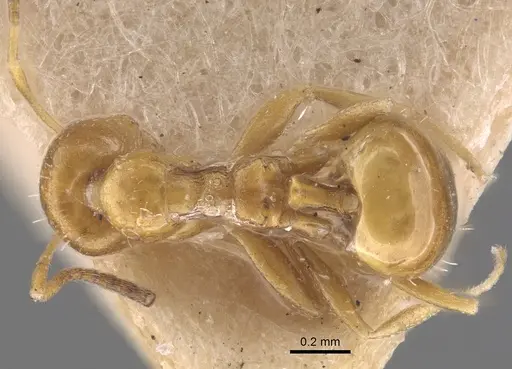
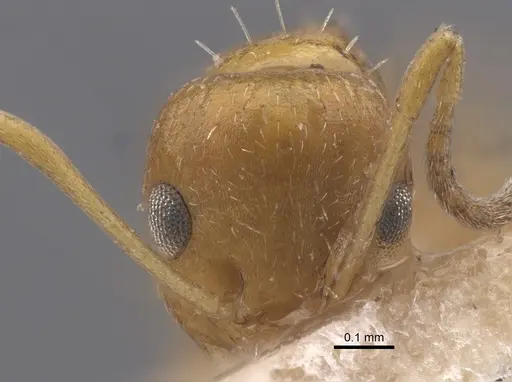
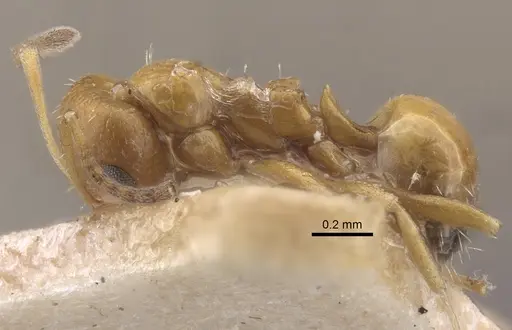
Literature
Loading distribution map...Loading products...