
Lepisiota affinis
- Sci. Name
- Lepisiota affinis
- Tribe
- Plagiolepidini
- Subfamily
- Formicinae
- Author
- Santschi, 1937
- Distribution
- Found in 2 countries
Introduction
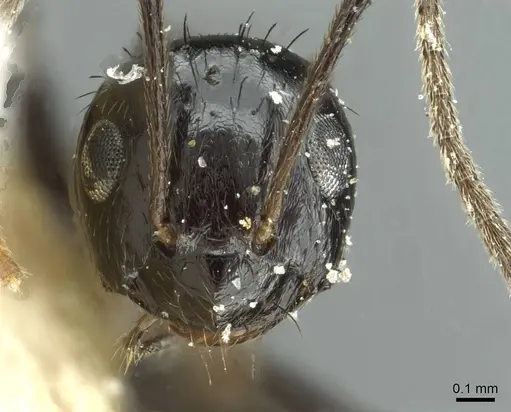
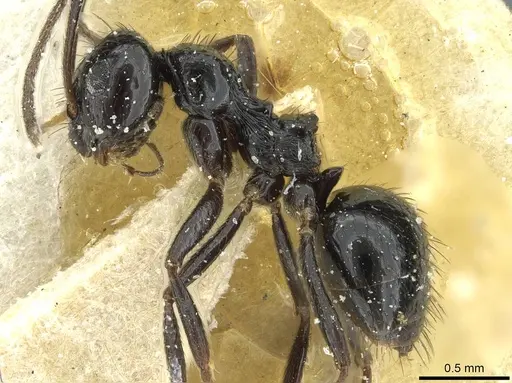
Lepisiota affinis is a small to medium-sized ant belonging to the subfamily Formicinae. Workers are typically dark brown to black in color. The genus Lepisiota is characterized by their distinctive psammophorous ability - they can embed sand particles on their bodies, which helps them blend into their environment and regulate temperature. This species was originally described from Kenya and has since been recorded in Rwanda's Akagera National Park . Some species in the genus Lepisiota have developed symbiotic relationships with butterflies of the Lycaenidae family . These ants are typically active foragers.
Quick Summary
- Difficulty: Medium
- Origin & Habitat: East Africa, originally described from Kenya and found in Rwanda's Akagera National Park. They inhabit savanna and grassland environments in the Afrotropical region [1][2].
- Colony Type: Colony structure is unconfirmed.
- Size & Growth:
- Queen: size data unavailable, no direct measurements for this species
- Worker: size data unavailable, no direct measurements for this species
- Colony: up to several hundred workers, estimated from related species
- Growth: Moderate, estimated from genus patterns
- Development: approximately 6-8 weeks at optimal temperature (Development time is estimated based on related species in the genus. Actual timing may vary.)
- Antkeeping:
- Temperature: Keep at 24-28°C. A heating cable on one side of the nest creates a gradient. This species comes from a warm climate and needs consistent heat for brood development.
- Humidity: Moderate humidity around 50-70%. Allow the nest to dry out partially between waterings. These ants come from relatively dry savanna habitats.
- Diapause: Unconfirmed, East African species may not require strong hibernation.
- Nesting: They prefer dry to moderately humid nest conditions. In captivity, a Y-tong (AAC) nest or plaster nest works well. Provide a shallow water reservoir but avoid oversaturation.
- Behavior: Lepisiota affinis workers are active foragers and will readily search for food outside the nest. They are typically moderately aggressive when defending their colony. Escape prevention is important, use fluon on nest edges and ensure any gaps are sealed, as these ants can squeeze through small openings.
- Common Issues: limited species-specific information means care recommendations are based on genus patterns rather than direct observation, escape prevention requires attention, seal all gaps and use barrier gel, overheating is a risk, use a thermostat rather than relying on fixed heat settings, wild-caught colonies may carry parasites that can devastate captive populations, colonies may be slow to establish during the founding phase
Nest Preferences
In the wild, Lepisiota affinis nests in soil, often under stones or in decaying wood in savanna environments. They prefer nest sites that offer some protection from direct sunlight while maintaining warm temperatures. In captivity, provide a nest that maintains stable warmth and moderate humidity. Y-tong (AAC) nests work well because they allow you to control humidity precisely. Plaster nests are also suitable. The nest should have chambers sized appropriately for the colony size, not too large for founding colonies. Connect the nest to a foraging area (outworld) that allows you to observe feeding behavior. Ensure the outworld has a secure lid as these ants are quick and can escape easily.
Feeding and Diet
Lepisiota ants are generalist feeders that accept both sugar sources and protein. Offer sugar water, honey, or diluted maple syrup as a constant energy source. For protein, provide small insects like fruit flies, small crickets, or mealworms. They will also consume honeydew if available. Feed protein 2-3 times per week, adjusting based on colony size and consumption. Remove uneaten prey after 24 hours to prevent mold. Fresh water should always be available.
Temperature and Care
Maintain nest temperatures between 24-28°C for optimal brood development. East African ants like L. affinis thrive in warm conditions and may slow significantly if temperatures drop below 22°C. Use a heating cable or small heat mat on one side of the nest to create a temperature gradient so workers can choose their preferred zone. Always use a thermostat to prevent overheating. Room temperature (around 22-24°C) may be acceptable but monitor colony activity, if workers seem sluggish, provide gentle heating. Avoid placing the nest in direct sunlight or near air conditioning vents that cause temperature fluctuations.
Behavior and Temperament
Workers of Lepisiota affinis are active and alert. They forage actively and will quickly discover food sources in the outworld. When threatened, they may raise their abdomen in warning displays common to Formicine ants. They possess formic acid glands and can spray formic acid as a defense. These ants are not particularly large but they are fast-moving and can be skittish. Handle the nest minimally during the founding stage to avoid stressing the queen. Once established, occasional observation is well-tolerated. Always use escape prevention measures, apply fluon to the inner rim of the outworld and check for any gaps in the setup.
Colony Establishment
For founding colonies, use a standard test tube setup with a water reservoir sealed with a cotton plug. The queen should be placed in a dark, quiet location at around 24-26°C. She will likely seal herself into the chamber (claustral founding behavior typical of Formicinae). Do not disturb her during this phase. Once the first workers (nanitics) emerge, wait 1-2 weeks before offering food. The colony can remain in the test tube until it becomes crowded or the water reservoir becomes moldy. Transition to a proper nest when you see 20-30 workers or when the test tube conditions deteriorate.
Frequently Asked Questions
How long does it take for Lepisiota affinis to have first workers?
Based on typical Formicinae development, expect first workers (nanitics) in approximately 6-8 weeks after the queen lays eggs, provided temperatures are maintained at 24-28°C. The exact timing may vary.
What do Lepisiota affinis ants eat?
They are generalist feeders. Offer sugar water, honey, or maple syrup constantly for energy. For protein, provide small insects like fruit flies, small crickets, or mealworms 2-3 times per week.
What temperature do Lepisiota affinis need?
Keep the nest at 24-28°C. They come from East Africa and need warm conditions for optimal brood development. A gentle heat gradient allows workers to regulate their temperature.
Are Lepisiota affinis good for beginners?
This species is rated as medium difficulty. While not the most challenging ant species, the limited species-specific information means you should have some basic antkeeping experience.
Do Lepisiota affinis need hibernation?
Hibernation requirements are unconfirmed for this species. As an East African ant, they likely do not require a true hibernation.
How big do Lepisiota affinis colonies get?
Based on related species, colonies likely reach several hundred workers. Maximum colony size is not well-documented for this specific species.
Can I keep multiple Lepisiota affinis queens together?
Colony structure is unconfirmed for this species. Based on typical Lepisiota patterns, they likely form single-queen colonies. Combining unrelated queens is not recommended without species-specific research.
When should I move my Lepisiota affinis to a formicarium?
Move the colony when the test tube becomes crowded (20-30+ workers) or when the water reservoir shows signs of mold or drying. A Y-tong or plaster nest works well for this species.
Why are my Lepisiota affinis dying?
Common causes include: temperature stress (too cold or too hot), improper humidity (too wet or too dry), mold from contaminated water, parasites from wild-caught colonies, or escape-related losses. Review each parameter and make gradual adjustments.
Report an Issue
The current care sheet is based fully on literature. See inconsistencies, or something that's incorrect? Please , it will be resolved after review from an admin. Contributing to the blogs tab also helps providing information, to make us be able to further improve the caresheets. Thank you for your support!
References

This caresheet is licensed under CC BY-SA 4.0 .
Community Blogs
CASENT0912366
View on AntWeb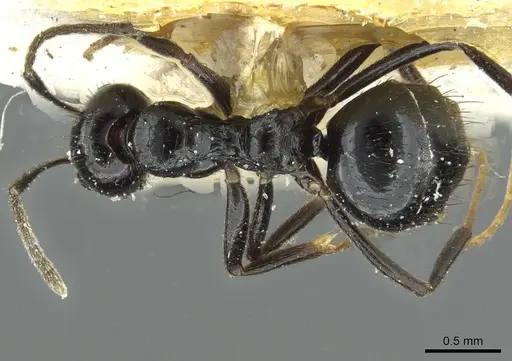
Literature
Loading distribution map...Loading products...