
Lasius vestitus
- Sci. Name
- Lasius vestitus
- Tribe
- Lasiini
- Subfamily
- Formicinae
- Author
- Wheeler, 1910
- Distribution
- Found in 2 countries
Introduction
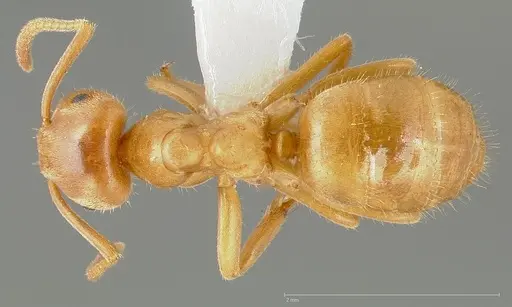
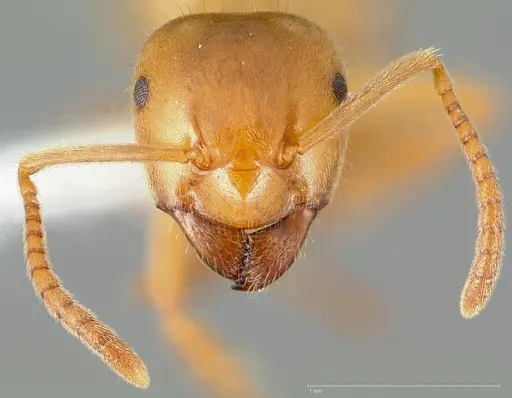
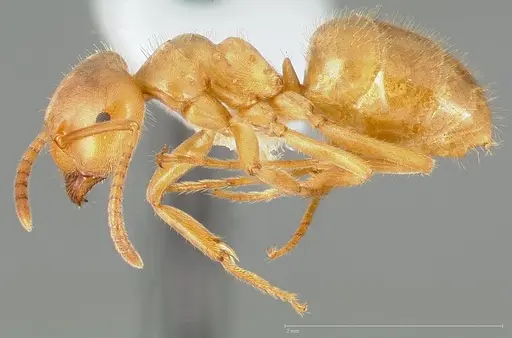
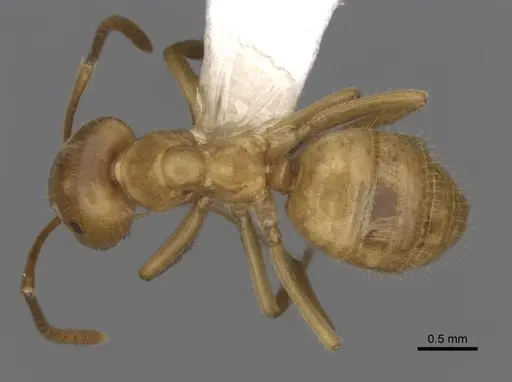
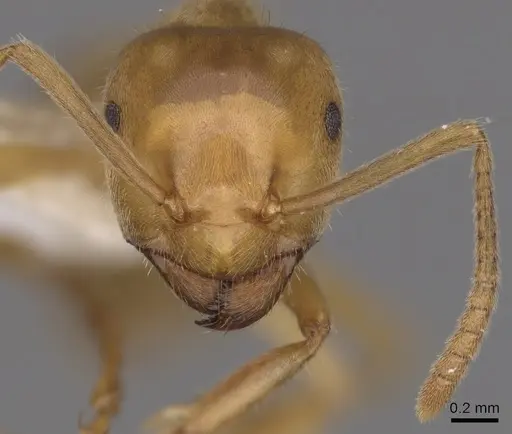
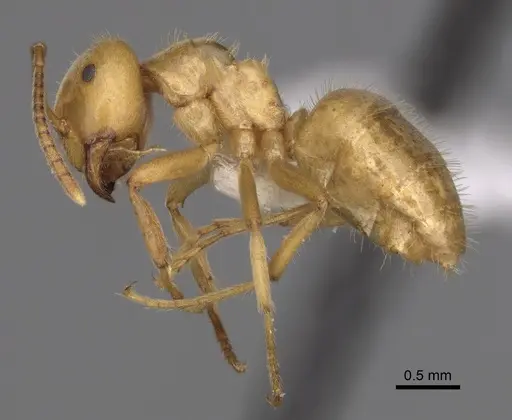
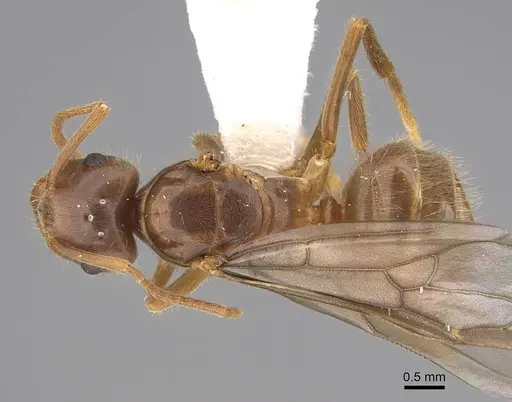
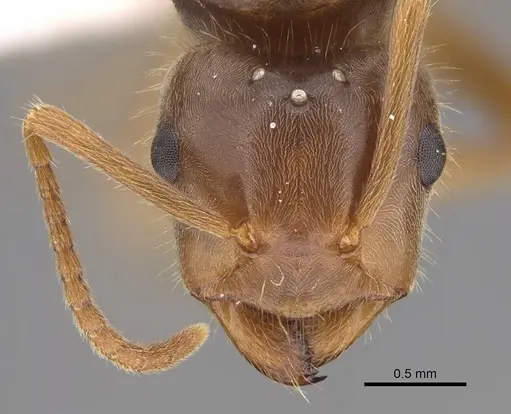
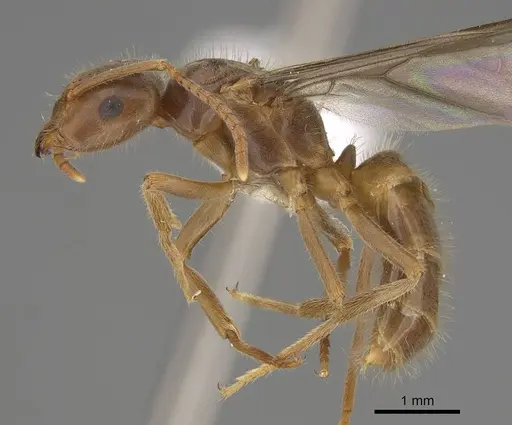
Lasius vestitus is a small, exceptionally hairy ant species native to the Pacific Northwest of North America. Workers are pale to medium brown with abundant long standing hairs on the abdomen, legs, and antennae - giving them a distinctly fuzzy appearance that sets them apart from related species. Queens are equally covered in dense silky-yellow hairs, with the gaster having a brush-like appearance. This species belongs to the umbratus group within the flavus clade and is closely related to Lasius umbratus but can be distinguished by its unique body pilosity . What makes Lasius vestitus particularly interesting is its remarkable cold tolerance - workers have been observed actively foraging on snow in Oregon's Cascade Mountains, making it one of the most cold-adapted ant species in North America. This exceptional hardiness, combined with its distinctive hairy appearance, makes it a rewarding species for keepers interested in a hardy, temperate ant that can handle cooler conditions than most other ants.
Quick Summary
- Difficulty: Easy
- Origin & Habitat: Pacific Northwest of North America (Oregon, Washington, northern California) extending to western Idaho and British Columbia. Found in damp, shaded forest habitats in the Cascade Mountains [1][2].
- Colony Type: Colony type is unconfirmed, Lasius species in the umbratus group may exhibit various social structures, but specific data for L. vestitus is unavailable in the research context.
- Size & Growth:
- Queen: size data unavailable, head measurements (1.37-1.52mm) are provided in literature but full body length is not recorded [3]
- Worker: ~3-4mm, inferred from typical Lasius worker size range [1]
- Colony: Colony size data unavailable for this species
- Growth: Moderate
- Development: Development timeline is unconfirmed for this specific species (Based on typical Lasius patterns, development likely takes several months at cool temperatures)
- Antkeeping:
- Temperature: Keep cool, this species tolerates temperatures other ants cannot handle. Aim for 15-22°C, with the cooler end being more natural. They can even be active near freezing temperatures in the wild. Room temperature (18-21°C) is ideal. Avoid overheating.
- Humidity: Moderate to high, they prefer damp forest floor conditions. Keep the nest substrate consistently moist but not waterlogged. Provide a water source.
- Diapause: Yes, as a cold-adapted temperate species, they require a winter hibernation period. Reduce temperature to 5-10°C for 3-4 months during winter, typically November-February depending on your location.
- Nesting: In nature they nest under stones, in rotting wood, and in soil in shaded forest habitats. In captivity, a test tube setup works well for founding colonies. Once established, they do well in Y-tong nests, plaster nests, or naturalistic setups with moist substrate. They do not need large spaces, moderate chambers are fine.
- Behavior: Generally peaceful and non-aggressive. Workers are active foragers and will search for honeydew, small insects, and sugar sources. They are not known for stinging, like most Formicinae, they can spray formic acid as a defense but pose minimal danger to keepers. Escape risk is moderate, they are small but not particularly fast-moving. Standard escape prevention (fluon on test tube rims, secure lids) is sufficient.
- Common Issues: cold stress from overheating, keep them cool, not warm like tropical species, colonies can be slow to establish, patience is required, excessive humidity can cause mold problems, balance moisture carefully, small colony size initially means slow growth, patience is required
Housing and Setup
For Lasius vestitus, you can start with a simple test tube setup for the founding queen. For established colonies, a Y-tong nest or plaster formicarium works well, these provide good humidity control and allow you to observe the colony easily. Naturalistic setups with soil and stones also work, mimicking their natural forest floor habitat. Keep the nest area dark or covered to reduce stress, as these ants prefer dim conditions. [1]
Feeding and Diet
Lasius vestitus workers are opportunistic foragers that accept a variety of foods. Offer sugar water, honey, or diluted syrup as a constant carbohydrate source. For protein, provide small insects like fruit flies, small crickets, or mealworm pieces. They will also collect honeydew from aphids if available. Feed protein sources 2-3 times per week, and keep sugar water available at all times. Remove uneaten food after 24-48 hours to prevent mold.
Temperature and Seasonal Care
This species is exceptionally cold-tolerant, so keep them on the cool side, 15-22°C is ideal, with 18-21°C being optimal for most keepers. They can tolerate temperatures near freezing and have been observed foraging on snow in the wild. This means you should avoid heating the nest, room temperature is often perfect. During winter, provide a true hibernation period: reduce temperature to 5-10°C for 3-4 months (typically November through February). Place the colony in a cool basement, garage, or refrigerator (not freezer) during this time. Do not feed during hibernation. This winter rest is essential for colony health and reproduction. [1]
Colony Establishment and Growth
Specific founding behavior for Lasius vestitus is not documented in available research. In captivity, colonies can be started with a queen and maintained in test tube setups. Once established, colonies grow moderately. Growth is faster during the active season and slows during hibernation. Provide consistent care with appropriate temperatures and feeding to support healthy colony development.
Behavior and Observation
These ants are relatively calm and not aggressive toward keepers. Workers are active foragers that will readily explore and collect food. They are primarily nocturnal or crepuscular in activity, so they may be most active in the evening or with reduced lighting. The most striking feature is their dense body pilosity, the long standing hairs give workers and queens a fuzzy, almost brush-like appearance that is quite distinctive. They communicate using chemical trails and will recruit nestmates to food discoveries. While they can spray formic acid as a defense, they pose minimal sting risk to humans. [3]
Frequently Asked Questions
Is Lasius vestitus a good beginner ant species?
Yes, with some caveats. This species is hardy and cold-tolerant, which makes care relatively straightforward. The main challenge is that specific colony establishment details are not well documented. If you can obtain an established colony, they are excellent for beginners.
What temperature should I keep Lasius vestitus at?
Keep them cool, 15-22°C is ideal, with 18-21°C being optimal. This species is exceptionally cold-tolerant and has been observed foraging on snow in the wild. Avoid heating the nest, room temperature is usually perfect. Overheating is more dangerous than being too cold.
How long does it take for Lasius vestitus to produce first workers?
Specific development timeline is unconfirmed for this species. Based on typical Lasius patterns, expect several months from egg to first worker at optimal (cool) temperatures. Growth is slower than tropical species due to their cold-adapted nature.
Do Lasius vestitus need hibernation?
Yes, they require a winter hibernation period. Reduce temperature to 5-10°C for 3-4 months during winter (typically November-February). This is essential for colony health and triggers reproductive behavior. Keep them in a cool basement, garage, or place them in a refrigerator during this period. Do not feed during hibernation.
What do Lasius vestitus eat?
They are opportunistic omnivores. Offer sugar water, honey, or diluted syrup as a constant carbohydrate source. For protein, provide small insects like fruit flies, small crickets, or mealworm pieces. They will also collect honeydew from aphids. Feed protein 2-3 times per week and keep sugar water available at all times.
How big do Lasius vestitus colonies get?
Colony size data is unavailable for this specific species. Based on related Lasius species, expect moderate-sized colonies.
Can I keep multiple Lasius vestitus queens together?
Colony structure data is unconfirmed for this species. In general, Lasius colonies are typically single-queen, but specific information for L. vestitus is not available.
Why is my Lasius vestitus colony growing slowly?
Slow growth may be normal for this species, they are cold-adapted and naturally grow more slowly than tropical ants. Ensure they have proper hibernation each winter, adequate protein feeding, and cool temperatures (not overheated).
What makes Lasius vestitus different from other ants?
Their most distinctive feature is the dense body pilosity, they are unusually hairy compared to most ant species. They are also exceptionally cold-tolerant, being one of the few ant species that remains active at near-freezing temperatures and has been observed foraging on snow in the Cascade Mountains.
Report an Issue
The current care sheet is based fully on literature. See inconsistencies, or something that's incorrect? Please , it will be resolved after review from an admin. Contributing to the blogs tab also helps providing information, to make us be able to further improve the caresheets. Thank you for your support!
References

This caresheet is licensed under CC BY-SA 4.0 .
Community Blogs
Literature
Loading distribution map...Loading products...