
Lasius silvaticus
- Sci. Name
- Lasius silvaticus
- Tribe
- Lasiini
- Subfamily
- Formicinae
- Author
- Seifert, 2020
- Distribution
- Found in 1 countries
Introduction
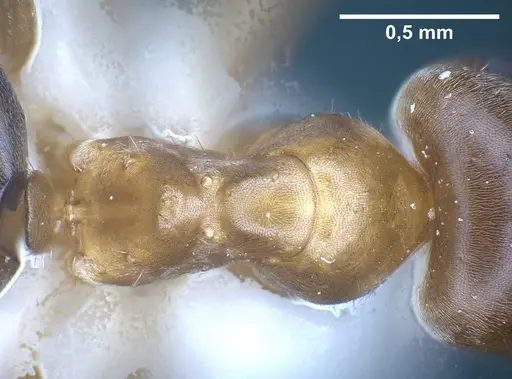
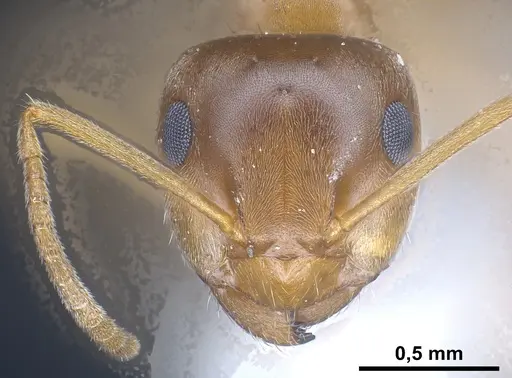
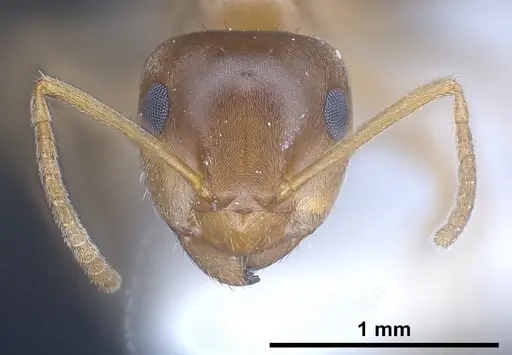
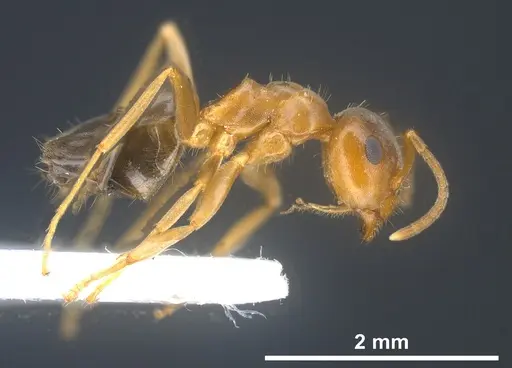
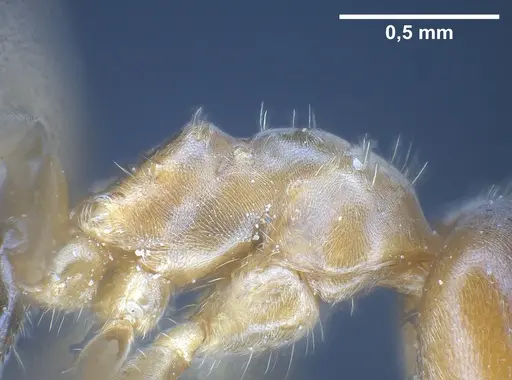
Lasius silvaticus is a small, dark brown ant belonging to the Lasius brunneus species complex. Body size data is unavailable, but based on typical Lasius species, workers are likely small. They were formally described in 2020 . Native to the southern Caspian region of Iran, they inhabit wet, humid broad-leafed forests and urban parks . This species was recently identified through morphological analysis, separating it from close relatives like Lasius brunneus. They nest in a variety of locations including rotting wood, under stones, in leaf litter, and directly in soil . For antkeepers, this represents a rare opportunity to keep a newly described species.
Quick Summary
- Difficulty: Medium
- Origin & Habitat: Southern Caspian region of Iran, specifically between 36.7-37.4°N latitude and 54.4-55.8°E longitude at elevations of 160-900 meters. They live in wet, humid Caspian broad-leafed forests and city parks with trees [1][2].
- Colony Type: Single-queen colonies (monogyne) based on typical Lasius patterns [2].
- Size & Growth:
- Queen: Size data unavailable, inferred from Lasius genus to be approximately 7-8 mm [2]
- Worker: Size data unavailable, inferred from Lasius genus to be approximately 2-4 mm [2]
- Colony: Up to 500 workers
- Growth: Moderate
- Development: Estimated 6-8 weeks[2] (Development time inferred from genus-level data since species-specific measurements are not available)
- Antkeeping:
- Behavior: Workers are small and non-aggressive. Escape risk is high due to tiny size[2].
- Common Issues: escape prevention is critical due to their tiny size, even standard test tube setups may need additional barriers[2], high humidity requirements can lead to mold problems if ventilation is poor[1], newly described species means limited captive husbandry information, some trial and error expected [1], slow colony growth may test beginner patience, winter diapause is likely required but timing and duration specifics are uncertain[1]
Housing and Nest Setup
Lasius silvaticus is a small ant that needs appropriately scaled housing [2]. A standard test tube setup works well for founding colonies, use a small-diameter tube with a cotton reservoir providing constant humidity. For established colonies, a Y-tong (AAC) nest or a small plaster nest works better. The key requirement is maintaining high humidity without stagnation. These ants naturally nest in rotting wood, under stones, and in soil [1], so they adapt well to various nest materials as long as moisture is maintained. Ensure all connections between nest and outworld are tight, their small size means they can squeeze through gaps that larger ants cannot. A thin barrier of fluon on the rim of the outworld is recommended.
Feeding and Diet
Like other Lasius species, these ants are omnivorous with a preference for sugary liquids [2]. Offer sugar water, honey, or diluted maple syrup as a constant energy source. For protein, provide small insects like fruit flies, pinhead crickets, or mealworm pieces. Because of their tiny size, prey items should be appropriately small. They will also tend aphids if given access to potted plants, though this is optional in captivity. Feed protein 2-3 times per week and keep sugar sources available at all times. Remove any uneaten prey after 24 hours to prevent mold.
Temperature and Seasonal Care
Lasius silvaticus comes from the temperate Caspian region of Iran, which experiences distinct seasons [1]. Keep the nest at room temperature, ideally 20-24°C. They do not require heating in most indoor environments. During winter, provide a diapause period of 2-3 months at 5-10°C, a simple way is to move the colony to an unheated garage or basement during late autumn. Reduce feeding during diapause but do not stop entirely, the colony still needs occasional moisture. Resume normal feeding when temperatures warm in spring.
Colony Development
This is a newly described species (2020), so detailed captive breeding information is limited [1]. Based on typical Lasius patterns, expect the following timeline: after mating, the claustral queen seals herself in a small chamber and lays eggs. She lives entirely on her stored fat reserves while raising the first brood. First workers (nanitics) should emerge in 6-8 weeks under optimal conditions[2]. These initial workers are smaller than mature workers and will begin foraging for food. Colony growth is moderate, expect several months to reach 50 workers, and perhaps a year or more to reach several hundred. Patience is key with this species.
Handling and Temperament
These ants are docile and present no danger to keepers. Workers are too small to bite effectively and do not possess a painful sting [2]. They are not aggressive and will typically flee rather than engage. The main handling concern is their tiny size, they are excellent climbers and can walk up smooth surfaces easily. Always use barrier tape (fluon) on enclosure rims. When observing the colony, do so gently to avoid stressing the queen and brood. These ants are best appreciated for their interesting behavior rather than any dramatic defensive displays.
Frequently Asked Questions
How long does it take for Lasius silvaticus to produce first workers?
Expect first workers in about 6-8 weeks after the queen lays eggs, assuming temperatures around 20-24°C. This is typical for Lasius species [2]. Growth is relatively slow compared to larger ants, so patience is required.
What temperature should I keep Lasius silvaticus at?
Room temperature of 20-24°C is ideal[1]. They come from a temperate region and do not need additional heating in most homes. Avoid temperatures above 28°C or below 15°C for extended periods.
How do I prevent Lasius silvaticus from escaping?
Excellent escape prevention is critical due to their tiny size[2]. Use fluon (insect barrier) on all rim edges, ensure test tube stoppers are tight, and check all connections between nest and outworld. Even small gaps that other ants cannot pass will allow these tiny workers to escape.
Do Lasius silvaticus need hibernation?
Yes, a winter diapause is recommended[1]. Keep the colony at 5-10°C for 2-3 months during winter (roughly November-February in the Northern Hemisphere). Reduce feeding but maintain light moisture. This mimics their natural seasonal cycle in the Caspian region.
What do Lasius silvaticus eat?
They are omnivorous like most Lasius species [2]. Offer sugar water, honey, or maple syrup constantly for energy. For protein, provide small insects like fruit flies, small mealworms, or similar tiny prey. Feed protein 2-3 times per week.
Is Lasius silvaticus good for beginners?
This species is rated as medium difficulty. While not the easiest species, it is manageable for beginners who understand basic antkeeping. The main challenges are escape prevention due to tiny size and the need for winter diapause. Their small colony size and docile nature make them forgiving in some ways.
How big do Lasius silvaticus colonies get?
Based on related species in the brunneus complex, colonies likely reach up to 500 workers at maturity. This is smaller than many common Lasius species like Lasius niger, which can reach thousands.
Can I keep multiple Lasius silvaticus queens together?
This species appears to be monogyne (single-queen) based on typical Lasius patterns [2]. Combining unrelated queens is not recommended and likely will result in fighting. Start with one queen per colony.
When should I move Lasius silvaticus to a formicarium?
Wait until the colony has at least 30-50 workers before moving to a larger setup. Test tubes work well for founding colonies and can support colonies up to about 100 workers. A Y-tong or small formicarium becomes appropriate once the colony exceeds this size.
Report an Issue
The current care sheet is based fully on literature. See inconsistencies, or something that's incorrect? Please , it will be resolved after review from an admin. Contributing to the blogs tab also helps providing information, to make us be able to further improve the caresheets. Thank you for your support!
References

This caresheet is licensed under CC BY-SA 4.0 .
Community Blogs
ANTWEB1041453
View on AntWeb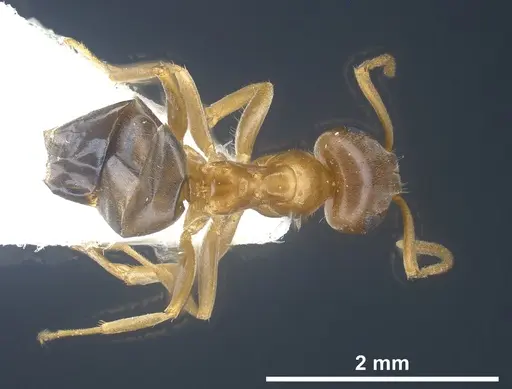
Literature
Loading distribution map...Loading products...