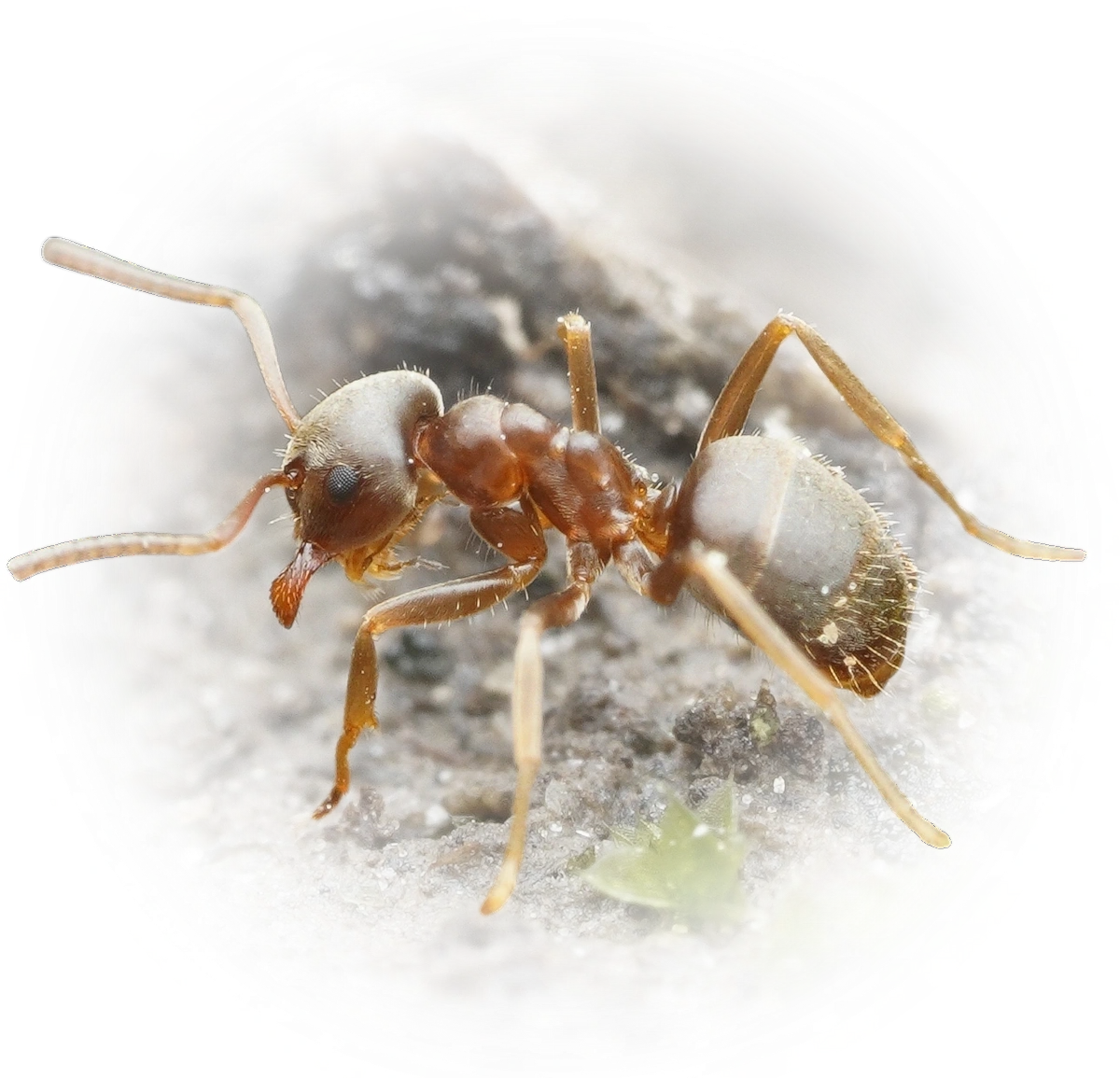
Lasius psammophilus
- Sci. Name
- Lasius psammophilus
- Tribe
- Lasiini
- Subfamily
- Formicinae
- Author
- Seifert, 1992
- Distribution
- Found in 14 countries
Introduction
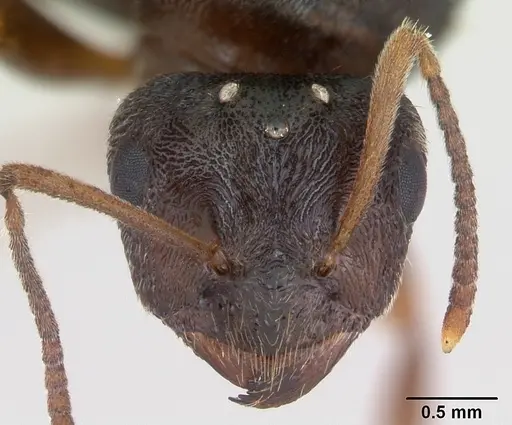
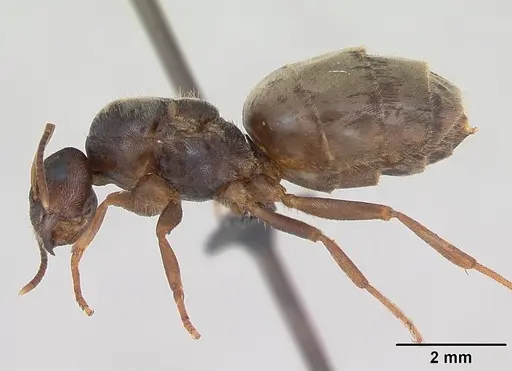
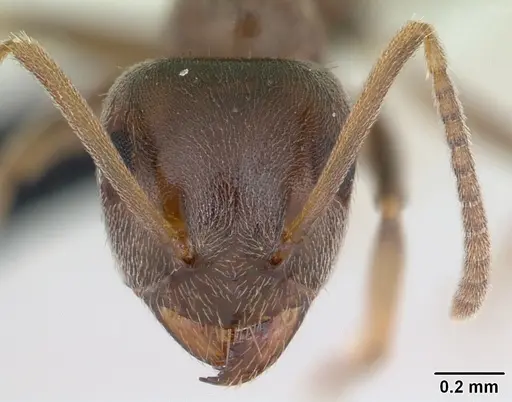
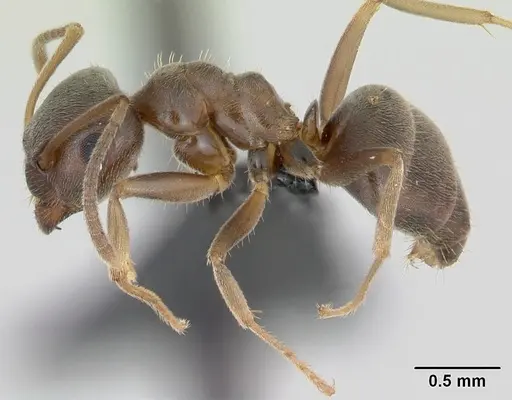
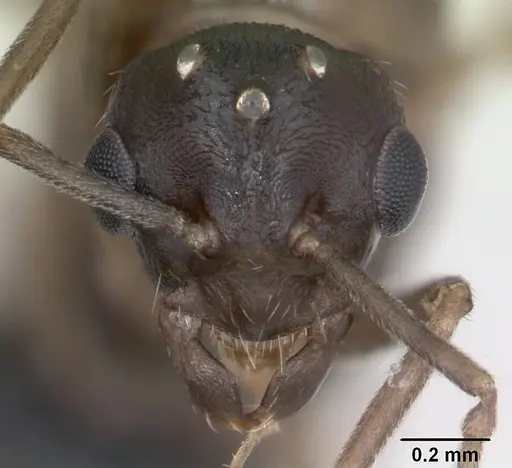
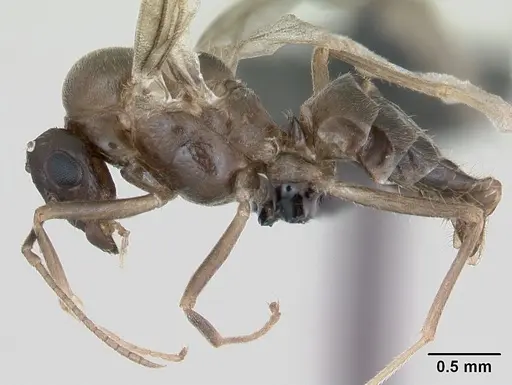
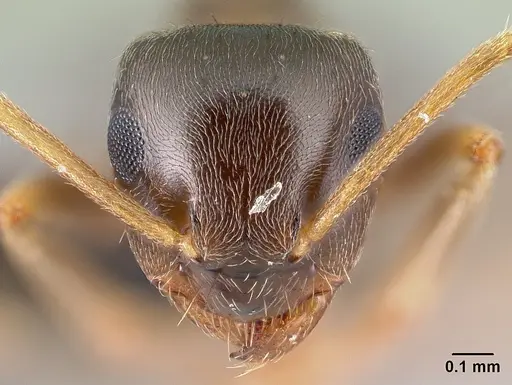
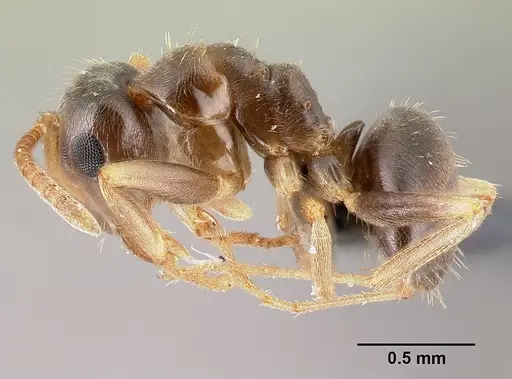
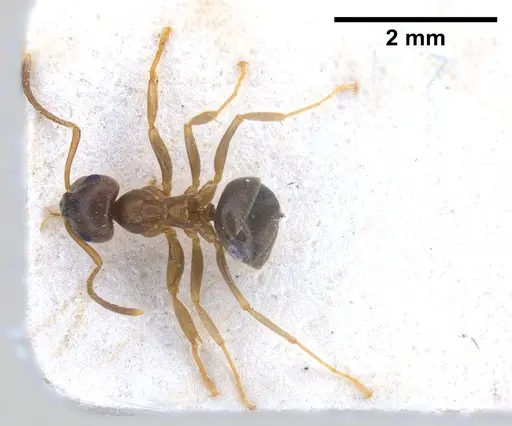
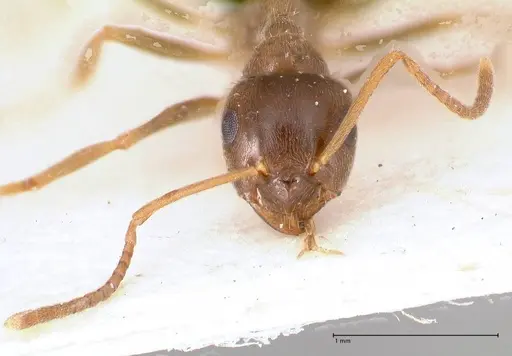
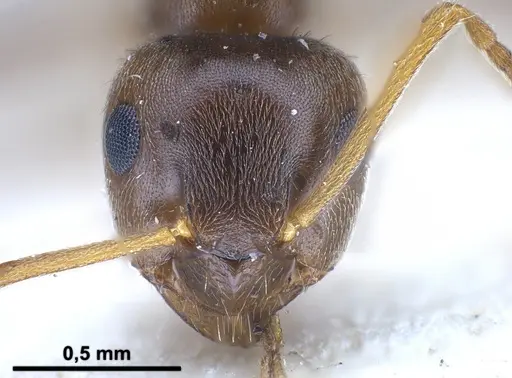
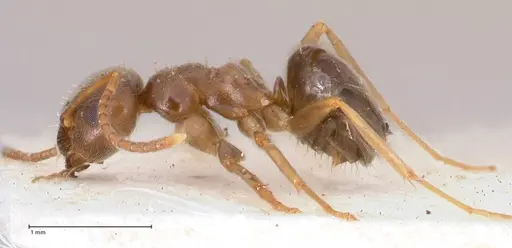
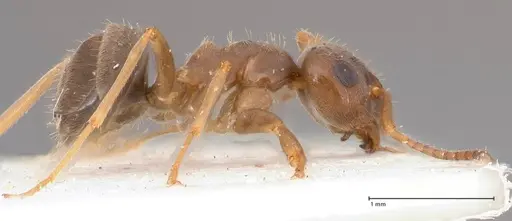
Lasius psammophilus is a small ant native to temperate Europe, first described as a separate species in 1992. Workers measure approximately 3-4mm and queens reach 6-9mm. The name 'psammophilus' means 'sand-loving' - this species has an extremely strong preference for sandy soils in dry habitats like coastal dunes, heathlands, and pine forests . It belongs to the Lasius alienus species complex within the niger clade. Unlike many Lasius species, these ants build entirely underground nests without mounds, with a single crater-like entrance. They are the primary host for the temporary social parasite Lasius meridionalis . This species can hybridize with the closely related Lasius niger, particularly where their nuptial flight periods overlap .
Quick Summary
- Difficulty: Easy
- Origin & Habitat: Native to temperate Europe, from Britain and France across Central and East Europe to Scandinavia, with northern limits around 63-65°N in Sweden and Finland. Strongly associated with sandy soils in dry habitats including coastal dunes, heathlands, dry grasslands, and pine forests. In Russia they prefer sandy soils in dry pine forests, while in Greece they nest under stones at higher altitudes (1000-1720m) [1][6].
- Colony Type: Monogyne, single queen colonies. Polydomous, meaning colonies can occupy multiple connected nesting sites. Nests are strictly monogynous with one reproductive queen per colony [2][7].
- Size & Growth:
- Queen: 6-9 mm [2]
- Worker: 3-4 mm [2]
- Colony: Colonies can reach several thousand workers. Annual production can reach around 34,000 workers per colony in optimal habitat [8].
- Growth: Moderate
- Development: 6-8 weeks at room temperature (Development time is typical for Lasius s.str. species. Queens seal themselves in during founding and raise first workers alone.)
- Antkeeping:
- Temperature: Keep at 20-24°C. Workers become active at around 7°C soil surface temperature and activity nearly ceases above 38°C [8]. Room temperature is typically suitable.
- Humidity: Low to moderate, these are dry habitat ants. Keep nest substrate slightly moist but not wet. They prefer well-drained sandy conditions.
- Diapause: Yes, requires winter hibernation of 2-3 months at 5-10°C during winter months [2][8].
- Nesting: Fully subterranean nests without mounds. Use a test tube setup with sand or a sandy soil mix as substrate. They prefer tight chambers. A Y-tong or plaster nest with sand-filled chambers works well. Keep the nest relatively dry.
- Behavior: Generally peaceful and non-aggressive. Workers are small and not particularly defensive, they will flee rather than fight when threatened. They are primarily subterranean foragers, hunting small prey and collecting honeydew from root aphids. They rarely forage far from the nest, studies show foraging range usually does not exceed 1 meter [3]. They are considered a subordinate species in competitive hierarchies. Escape risk is low, they are not strong climbers.
- Common Issues: colonies often fail if kept too damp, these are dry habitat ants, slow growth during founding phase can cause beginners to overfeed or disturb the queen, wild-caught colonies may have the social parasite Lasius meridionalis, test tube setups can flood if water reservoirs are too large, use minimal water, colonies may abandon nests if conditions are too humid
Nest Preferences and Housing
Lasius psammophilus is a fully subterranean species that builds nests in sandy soil without above-ground mounds. In the wild, they create extensive tunnel systems with galleries 10-30cm deep, though chambers can reach down to 120cm [8]. The nest entrance is typically a single crater-like opening. For captive care, a test tube setup with a sand-filled chamber works well, or you can use a Y-tong nest filled with sandy substrate. These ants prefer tight chambers scaled to their small worker size. Keep the nest relatively dry, these are dry habitat ants that do poorly in constantly damp conditions. A small water reservoir is sufficient, but ensure good drainage so water doesn't pool in the nesting area. Avoid overly compact or clay-heavy substrates, they need the loose, well-drained sandy conditions they evolved with [6][8].
Feeding and Diet
In the wild, Lasius psammophilus feeds primarily on honeydew from root aphids, which they tend underground. They also hunt small prey and scavenge dead arthropods [6]. For captive colonies, offer sugar water or honey as a constant energy source. For protein, provide small insects like fruit flies, small mealworms, or other tiny prey. They are not aggressive hunters given their small size, so prey items should be appropriately sized. Feed protein 2-3 times per week and keep sugar water available at all times. Remove uneaten prey after 24 hours to prevent mold [6][9].
Temperature and Seasonal Care
These ants are adapted to temperate climates and will do well at standard room temperature (20-24°C). Workers become active at around 7°C soil surface temperature, and foraging nearly stops above 38°C [8]. During the active season (spring through fall), keep them at room temperature. In winter, they require a hibernation period of 2-3 months at 5-10°C. This can be provided by moving them to an unheated garage, basement, or refrigerator during winter. The hibernation period is important for colony health and triggering reproductive behavior. Do not hibernate them too wet, keep the test tube slightly moist but not damp, as overly wet conditions during hibernation can kill colonies [8][2].
Behavior and Colony Dynamics
Lasius psammophilus is a peaceful, non-aggressive species. Workers are small (3-4mm) and will typically flee rather than defend aggressively when threatened. They are polydomous, meaning a single colony can occupy multiple connected nesting sites in the wild [7]. Colonies are strictly monogyne, only one queen per colony [2]. Workers are primarily subterranean foragers, staying close to the nest (foraging range typically under 1 meter) [3]. They are considered a subordinate species in competitive hierarchies and often coexist peacefully with other ant species. The species is known to be the primary host for the temporary social parasite Lasius meridionalis, if you notice smaller, paler ants in your colony, this may be the parasite [3][4]. Nuptial flights occur in July and August [10][11].
Colony Founding
Like other Lasius s.str. species, Lasius psammophilus queens practice claustral founding, the queen seals herself in a small chamber and raises the first brood alone, using stored fat reserves for energy. She does not leave the nest to forage during this critical period. First workers (nanitics) are typically smaller than normal workers but will enlarge the nest and begin foraging once they emerge. Founding colonies should be kept in a dark, quiet location and not disturbed for several weeks. A simple test tube setup with a water reservoir and sandy substrate works well for founding. After the first workers emerge, you can begin offering small amounts of sugar water and tiny prey items. Be patient, the founding phase can take 6-10 weeks before the first workers appear, and colonies grow slowly at first [2][8].
Growth and Development
Colony growth is moderate rather than fast. Each mature colony can produce around 34,000 workers per year in optimal conditions [8]. The time from egg to first worker is approximately 6-8 weeks at typical room temperature. Initial growth is slow, the first batch of workers (nanitics) are smaller and the colony may take several months to reach 20-30 workers. Once established, growth accelerates but remains moderate compared to some faster Lasius species. Colonies can live for many years with a single queen. The key to healthy growth is providing appropriate conditions: slightly dry sandy substrate, moderate temperatures, and a consistent but not excessive food supply. Overfeeding can lead to mold problems in their relatively dry nest environment [8][2].
Frequently Asked Questions
Can I keep Lasius psammophilus in a test tube?
Yes, test tubes work well for this species. Use a sandy substrate or a small amount of cotton with a minimal water reservoir, these ants prefer dry conditions. A test tube with sand-filled chambers or a small container with sandy soil works best. Keep them in a dark location during founding and avoid disturbing the queen until first workers emerge.
How long until first workers with Lasius psammophilus?
Expect 6-10 weeks from egg to first worker at room temperature (20-24°C). The exact timing depends on temperature, warmer conditions slightly speed development, while cooler temperatures slow it. Be patient during the founding phase, queens seal themselves in and should not be disturbed.
Are Lasius psammophilus good for beginners?
Yes, they are a good beginner species. They are small, peaceful, and have straightforward care requirements. The main things to watch are keeping them too damp (they prefer dry conditions) and not disturbing the founding queen.
What do Lasius psammophilus eat?
They primarily eat honeydew from aphids in the wild, along with small insects and scavenged arthropods. In captivity, offer sugar water or honey constantly, and protein sources like small fruit flies, pinhead crickets, or tiny mealworms 2-3 times per week. Remove uneaten prey after 24 hours.
Do Lasius psammophilus need hibernation?
Yes, they require a winter rest period of 2-3 months at 5-10°C. This is essential for colony health and triggering reproductive behavior. You can move them to an unheated garage, basement, or use a refrigerator during winter. Keep the nest slightly moist but not wet during hibernation.
How big do Lasius psammophilus colonies get?
Mature colonies can reach several thousand workers. In the wild, they can produce around 34,000 workers per year in optimal habitat. They are polydomous, meaning a single colony can occupy multiple connected nesting sites.
Can I keep multiple queens together?
No, Lasius psammophilus is strictly monogyne, colonies have only one queen. Multiple queens will fight. Only one queen should be kept per colony. However, they are polydomous, meaning one colony can have multiple nest entrances connected underground.
Why are my Lasius psammophilus dying?
The most common causes are: 1) Too much moisture, they prefer dry, sandy conditions, 2) Disturbance during founding, queens should not be disturbed until workers emerge, 3) Poor nutrition, ensure sugar water is always available and protein is offered regularly, 4) Parasites, they are hosts for the social parasite Lasius meridionalis, which can weaken colonies. Check for any unusually pale, smaller ants that may be parasites.
When to move to a formicarium?
You can move them to a larger setup once the colony reaches 50-100 workers and the test tube is becoming crowded. A Y-tong or plaster nest with sandy chambers works well. However, they can be kept in test tubes for quite long since they prefer tight spaces. Make sure any new nest provides the dry, sandy conditions they prefer.
Report an Issue
The current care sheet is based fully on literature. See inconsistencies, or something that's incorrect? Please , it will be resolved after review from an admin. Contributing to the blogs tab also helps providing information, to make us be able to further improve the caresheets. Thank you for your support!
References

This caresheet is licensed under CC BY-SA 4.0 .
Community Blogs
CASENT0172728
View on AntWeb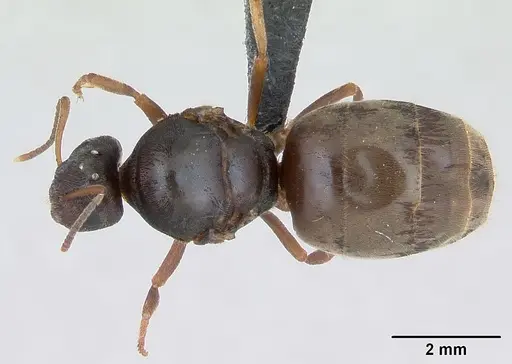
CASENT0172733
View on AntWeb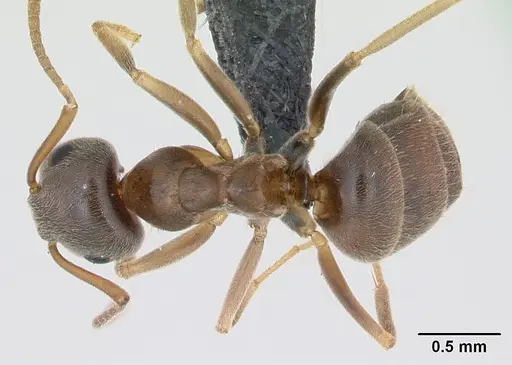
CASENT0172734
View on AntWeb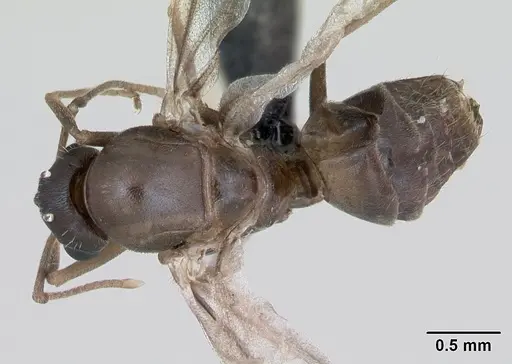
CASENT0179885
View on AntWeb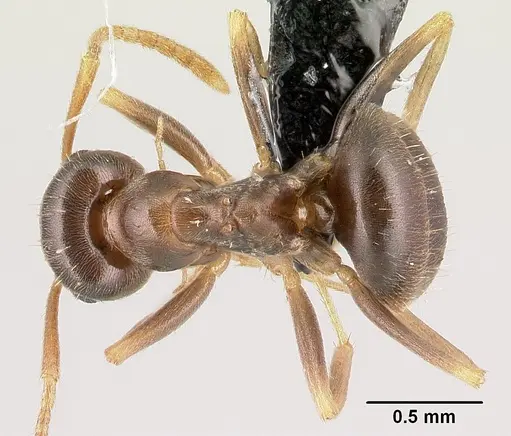
FOCOL0752
View on AntWeb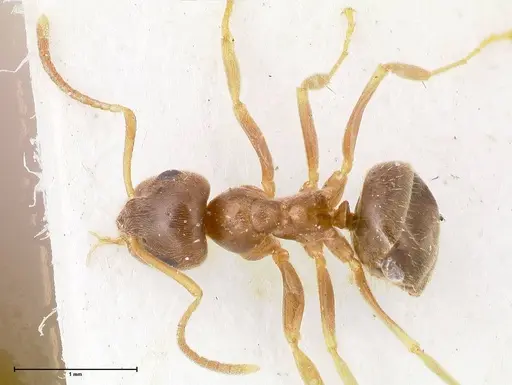
Literature
Loading distribution map...Loading products...