
Lasius persicus
- Sci. Name
- Lasius persicus
- Tribe
- Lasiini
- Subfamily
- Formicinae
- Author
- Seifert, 2020
- Distribution
- Found in 1 countries
Introduction
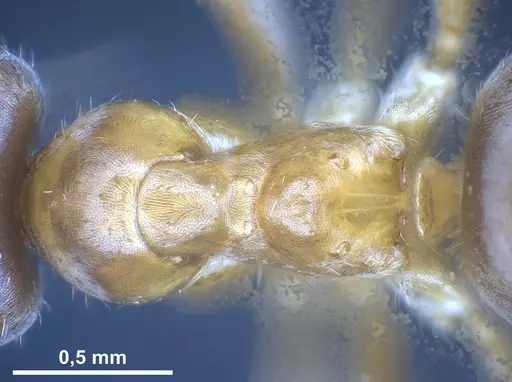
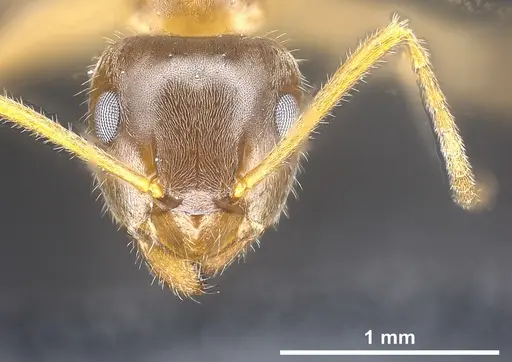
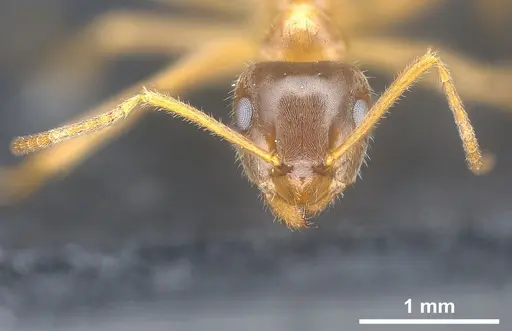
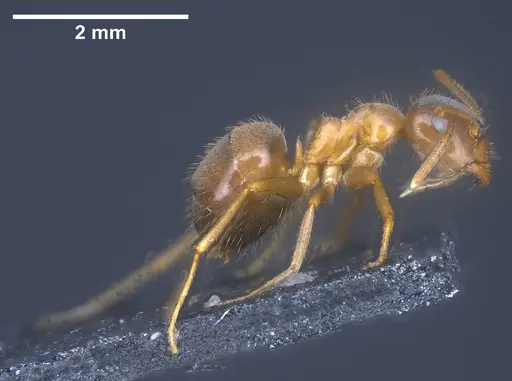
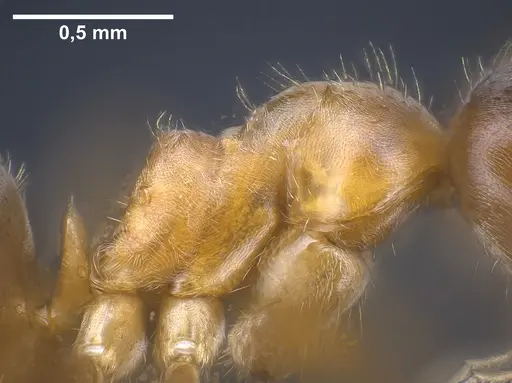
Lasius persicus is a recently described medium-sized ant from the niger species group, discovered in the humid Caspian forests of northern Iran . Workers have a distinctive appearance with numerous long setae covering their body and appendages, more than in similar related species. The head is more rounded than the closely related Lasius emarginatus, and they have smaller eyes. Coloration is light orange-brown on the head, mesosoma, legs, and antennae, with a dark brown gaster. This species is strongly associated with humid broad-leafed forest environments and was primarily found nesting in rotting logs .
Quick Summary
- Difficulty: Medium
- Origin & Habitat: Native to the humid Caspian forest region in northern Iran, spanning a small area between 37.7°N and 36.1°N at elevations from -26 to 1170 meters above sea level [1]. This is a temperate forest environment with distinct seasons. The species is strongly associated with humid broad-leafed forest habitats.
- Colony Type: Based on typical Lasius niger clade patterns, likely monogyne (single queen). Like related species, colonies likely have one founding queen that establishes the colony alone after mating.
- Size & Growth:
- Queen: size data unavailable, inferred from Lasius genus patterns to be roughly 7-9mm
- Worker: ~4-5mm, inferred from Lasius genus worker size range [1]
- Colony: unknown, no colony size data exists for this species
- Growth: Moderate, typical for Lasius species
- Development: unknown, development time has not been documented for this species (Development likely follows typical Lasius patterns. Temperature around 20-24°C is likely optimal.)
- Antkeeping:
- Temperature: Keep at 20-24°C. As a temperate species from northern Iran, they prefer cooler conditions than tropical ants. Avoid overheating, temperatures above 28°C may be harmful. Room temperature is likely suitable for most keepers.
- Humidity: High humidity is essential. This species is strongly associated with humid broad-leafed forest in its natural range. Keep nest substrate consistently moist but not waterlogged. Provide a water tube for drinking water.
- Diapause: Yes, as a temperate species from northern Iran, they likely require a winter dormancy period. Reduce temperature to 10-15°C for 2-3 months during winter, typically October through March in the Northern Hemisphere.
- Nesting: In nature, most nests are found in rotting logs, with some in soil [1]. In captivity, they do well in test tube setups for founding, then can be moved to Y-tong (AAC) nests, plaster nests, or naturalistic setups with rotting wood pieces. Keep nest material damp.
- Behavior: Workers are small but active. Like other Lasius species, they are not aggressive and typically flee from disturbance rather than attack. They are moderate foragers, readily collecting sugar sources and small prey. Their very small size means escape prevention is critical, they can squeeze through tiny gaps. Workers likely have moderate longevity. They probably show typical Lasius behavior of maintaining trails to food sources.
- Common Issues: escape prevention is critical due to very small worker size, use fine mesh and tight-fitting barriers, high humidity requirements can lead to mold if ventilation is poor, slow founding phase, queens may take months to raise first workers, patience is essential, hibernation failure can weaken or kill colonies if proper cooling is not provided, test tube flooding can drown founding queens, use appropriate water reservoir size
Housing and Nest Setup
For founding colonies, use a standard test tube setup with a water reservoir sealed with a cotton plug. The tube should be dark (wrapped in paper or foil) to simulate a nest chamber. Keep the tube horizontal so the queen can retreat to the humid end. Once the colony reaches 20-30 workers, you can transition to a proper formicarium. Y-tong (AAC) nests work well because they maintain humidity while allowing you to observe the colony. Plaster nests are also suitable given their need for moisture. Naturalistic setups with rotting wood pieces can replicate their natural nesting preferences [1]. Regardless of nest type, always use excellent escape prevention, these ants are tiny and will find any gap larger than 0.5mm. Apply fluon or use fine mesh on all openings.
Feeding and Diet
Lasius persicus will likely accept the standard Lasius diet. Provide a constant sugar source, sugar water, honey, or diluted honey water works well. For protein, offer small insects like fruit flies, small mealworms, or crickets. In nature, they likely tend aphids for honeydew, so sugar sources are important. Feed protein 2-3 times per week, removing uneaten prey after 24 hours. Fresh water should always be available. Given their small size, prey items should be appropriately sized, very small pieces or small insects.
Temperature and Seasonal Care
Keep the colony at 20-24°C. This is a temperate species from northern Iran, so they prefer cooler conditions than many tropical ants. Room temperature is often ideal. Avoid placing the nest in direct sunlight or near heat sources that could push temperatures above 28°C. During winter, provide a diapause (hibernation) period of 2-3 months at 10-15°C. This is essential for colony health and likely triggers reproductive cycles. You can move the colony to an unheated garage, basement, or refrigerator (for small colonies in test tubes) during this period. Do not feed during diapause but keep water available. [1]
Humidity and Water
High humidity is crucial for this species. In their natural habitat of humid Caspian forest, they nest in rotting wood that retains moisture [1]. Keep the nest substrate consistently damp but not waterlogged. The test tube water chamber should be appropriately sized, large enough to maintain humidity but not so large that flooding risks drowning the queen. For established colonies, ensure there's always fresh water available, either through a water tube or by moistening the nest regularly. Monitor for condensation on nest walls, some condensation is good, but excessive pooling indicates too much water.
Growth and Development
The founding queen will seal herself into a chamber and remain there while laying eggs and raising the first brood. This claustral founding means she does not leave to forage, she lives entirely on her stored fat reserves. First workers (nanitics) will be smaller than mature workers but will immediately begin caring for the colony. Growth rate is moderate. Colonies grow steadily after that. The small worker size means you may not see much activity in early stages, but this is normal. Patience is key during the founding phase.
Behavior and Temperament
Lasius persicus workers are small and not particularly aggressive. Like other Lasius species, they will likely flee from threats rather than engage in combat. They are active foragers and will establish trails to food sources. Workers probably live for several months to a year, with the queen living much longer, Lasius queens can live 15-20 years in captivity. The main behavioral concern is escape, their tiny size means they can slip through remarkably small gaps. Always double-check your escape barriers. They are not known to sting and pose no danger to keepers.
Frequently Asked Questions
How long does it take for Lasius persicus to raise first workers?
Exact development time has not been documented for this species. Based on typical Lasius patterns, expect several months from egg to first worker at optimal temperature (20-24°C). The founding queen is claustral, she seals herself in and raises the first brood alone using stored fat reserves.
What do Lasius persicus ants eat?
They accept standard ant foods, sugar water, honey, or diluted honey for carbohydrates, and small insects like fruit flies, small mealworms, or crickets for protein. Sugar sources should be available constantly. Remove uneaten prey after 24 hours.
Do Lasius persicus ants need hibernation?
Yes. As a temperate species from northern Iran, they require a winter dormancy period. Reduce temperatures to 10-15°C for 2-3 months, typically from late autumn through early spring. This diapause period is important for colony health.
How big do Lasius persicus colonies get?
Colony size data is not available for this species. Based on typical Lasius niger clade patterns, mature colonies likely reach several thousand workers. The queen can live 15-20 years, so colonies can grow substantial over time.
Are Lasius persicus good for beginners?
They are moderate difficulty. The main challenges are their small size (requiring excellent escape prevention), high humidity needs, and the slow founding phase. If you have experience with other Lasius species, this one should be manageable.
What temperature is ideal for Lasius persicus?
Keep them at 20-24°C. This is a temperate species that prefers cooler conditions than tropical ants. Room temperature is often ideal. Avoid temperatures above 28°C.
Can I keep multiple Lasius persicus queens together?
Not recommended. Like most Lasius species in the niger clade, they are likely monogyne (single queen). Combining unrelated foundress queens has not been documented for this species and would likely result in fighting.
When should I move Lasius persicus from a test tube to a formicarium?
Move them once the colony reaches 20-30 workers and you see significant activity. Make sure the formicarium has appropriately sized chambers and passages for their tiny workers. Keep humidity high in the new setup.
Why are my Lasius persicus escaping?
Their very small size means they can squeeze through tiny gaps. Use fine mesh (at least 0.5mm or smaller), apply fluon to barrier edges, and check all connections thoroughly. Even small gaps that seem insignificant will allow escape.
Report an Issue
The current care sheet is based fully on literature. See inconsistencies, or something that's incorrect? Please , it will be resolved after review from an admin. Contributing to the blogs tab also helps providing information, to make us be able to further improve the caresheets. Thank you for your support!
References

This caresheet is licensed under CC BY-SA 4.0 .
Community Blogs
ANTWEB1041449
View on AntWeb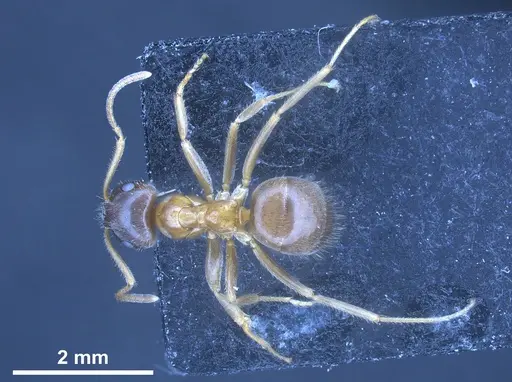
Literature
Loading distribution map...Loading products...