
Lasius obscuratus
- Sci. Name
- Lasius obscuratus
- Tribe
- Lasiini
- Subfamily
- Formicinae
- Author
- Stitz, 1930
- Distribution
- Found in 7 countries
Introduction
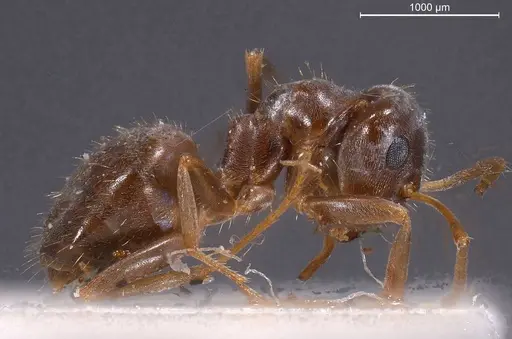
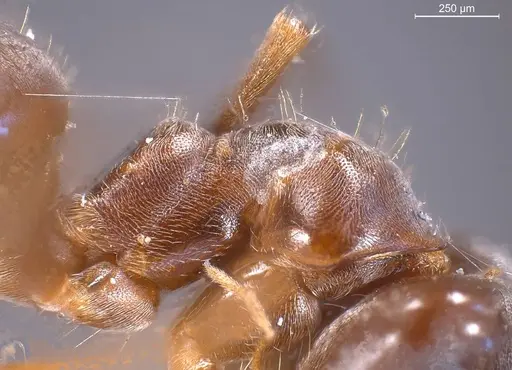
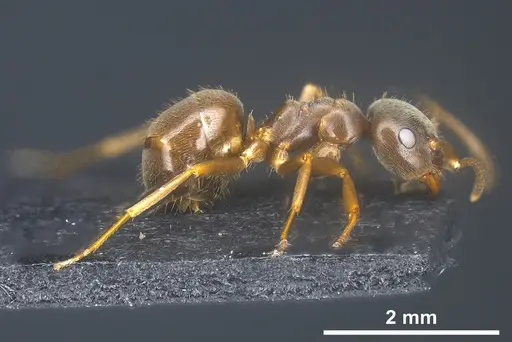
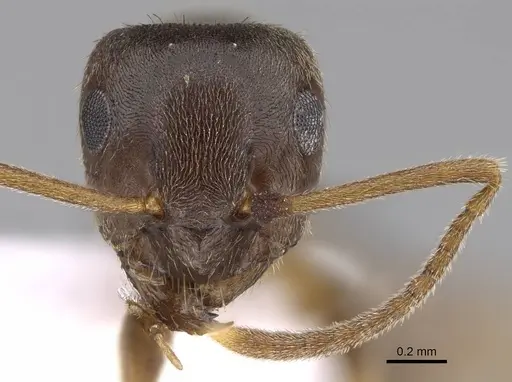
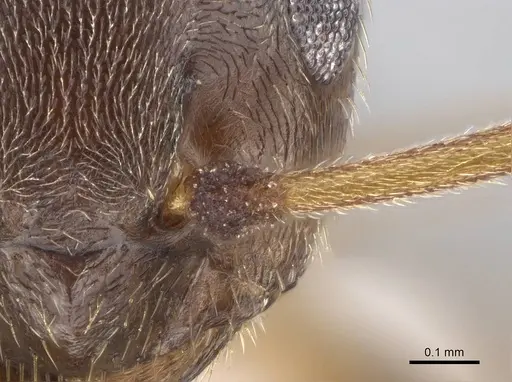
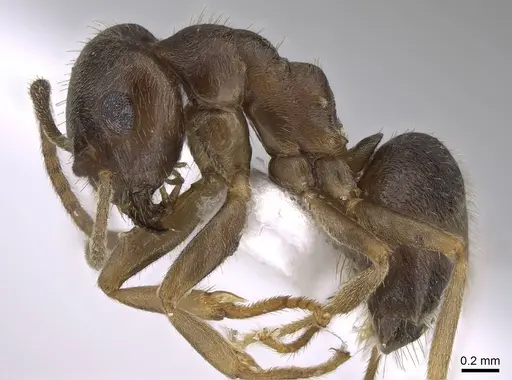
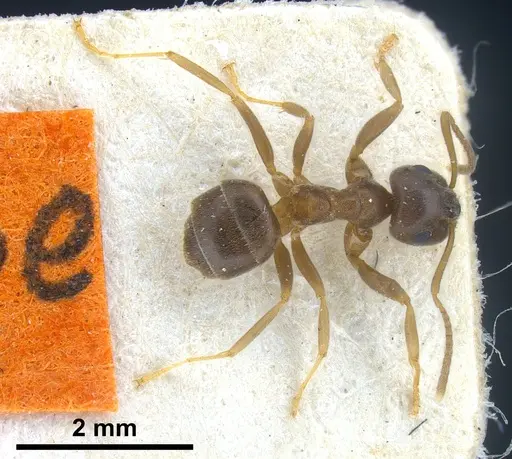
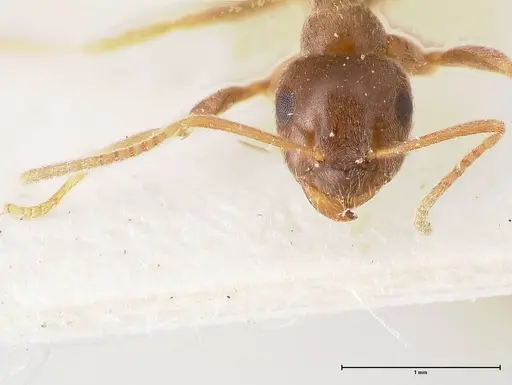
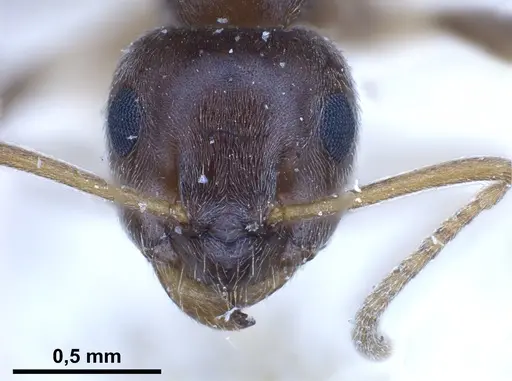
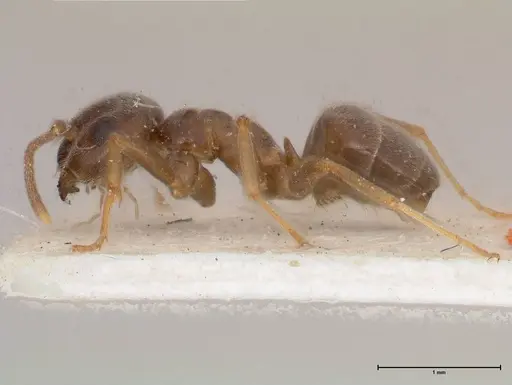
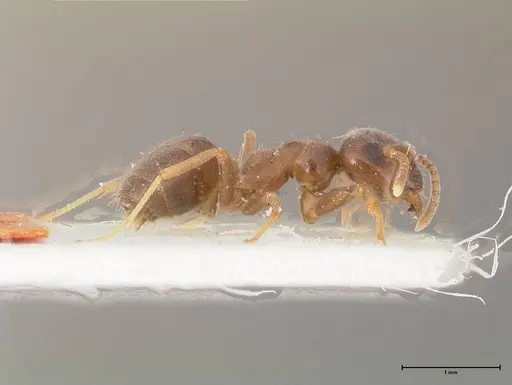
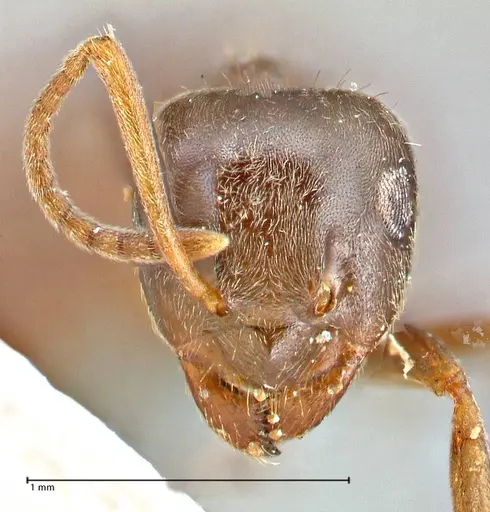
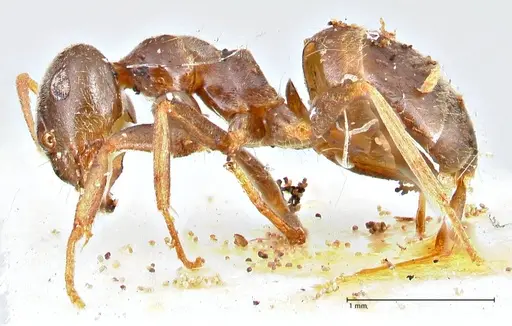
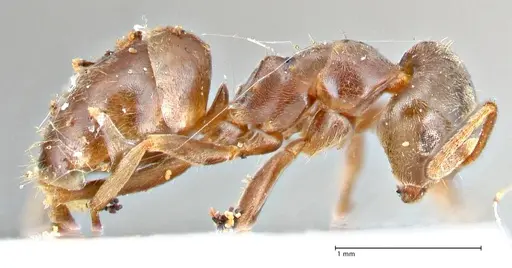
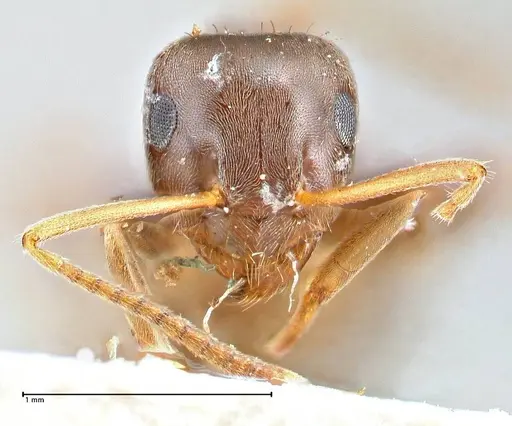
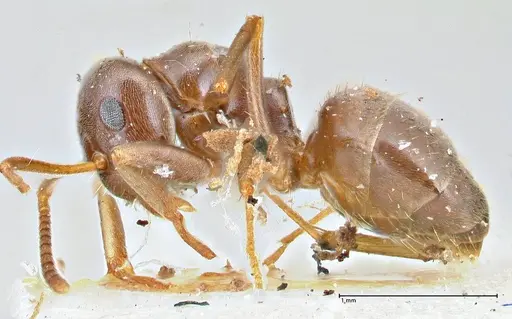
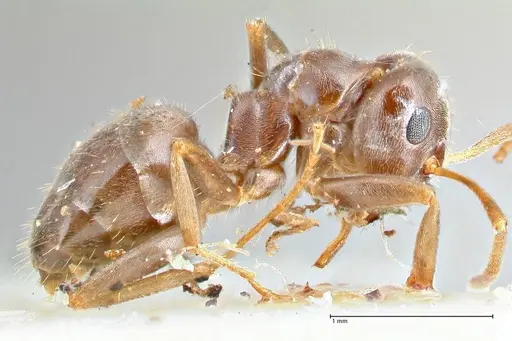
Lasius obscuratus is a small soil-nesting ant species native to the Palaearctic region, found across Asia from Asia Minor through the Caucasus to Mongolia and northeastern Tibet . Workers are quite small with a dark brown head and gaster, often a slightly lighter mesosoma, while mandibles, antennae, and legs are yellowish-brown . This species belongs to the niger clade and was previously known as Lasius gebaueri before being synonymized . In the wild, these ants prefer open steppe habitats, short-grassy pastures, and light steppe forest, often nesting under stones in xerothermous conditions . They are particularly abundant in high-altitude pastures and meadows in the Caucasus region at elevations ranging from 900m to over 3000m .
Quick Summary
- Difficulty: Easy
- Origin & Habitat: Palaearctic species found across Asia from 27°E to 115°E and 34.5°N to 53.2°N, including Azerbaijan, China, Georgia, Mongolia, and the Russian Caucasus [1][2]. They inhabit open steppe, short-grassy pastures, light steppe forest, and montane meadows at elevations ranging from 536m near Lake Baikal to 3400m in northeastern Tibet [1].
- Colony Type: Colony type is unconfirmed. The context does not specify whether this species forms single-queen or multiple-queen colonies.
- Size & Growth:
- Queen: ~6-8mm, inferred from Lasius genus [3][1].
- Worker: ~3-4mm, inferred from Lasius genus [1][3].
- Colony: Colony size data unavailable.
- Growth: Growth rate is unconfirmed.
- Development: Development timeline is unconfirmed for this species. (Alates (reproductives) have been observed in nests from late July to mid-August [3].)
- Antkeeping:
- Temperature: Keep at room temperature, ideally 18-24°C. Based on their high-altitude and temperate Asian distribution, they prefer cooler conditions than many ant species.
- Humidity: Moderate humidity. As soil-nesting ants that naturally nest under stones, they prefer substrate that is damp but not waterlogged. They are found in xerothermous habitats, so they tolerate drier conditions better than overly wet ones.
- Diapause: Yes, as a temperate species from high latitudes and altitudes, they require a winter dormancy period. Provide hibernation at 5-10°C for 2-3 months during winter.
- Nesting: Soil-nesting species that naturally nests under stones in the wild. In captivity, they do well in test tubes for founding colonies, then transition to naturalistic setups with soil substrate or Y-tong/plaster nests. Provide a layer of damp soil that can hold moisture while allowing some drying. Flat stones or similar cover objects simulate their natural nesting sites [1].
- Behavior: Workers are small but active foragers. They tend aphids for honeydew and collect small insects. They are not particularly aggressive and typically flee from threats rather than attack. Their small size means they can escape through tiny gaps, excellent escape prevention is essential. They are not known for stinging and pose no danger to keepers.
- Common Issues: escape prevention is critical due to their very small worker size, use fine mesh barriers and tight-fitting lids, colonies may grow slowly initially, patience is needed during the founding phase, overwatering can be fatal, they prefer drier conditions than many ants, wild-caught colonies may carry parasites that can decimate the colony in captivity, hibernation failure can kill colonies, ensure proper cooling period is provided
Nest Preferences and Housing
Lasius obscuratus naturally nests in soil, preferentially under stones in warm, dry habitats [1]. In captivity, they adapt well to various setups. For founding colonies, a simple test tube setup works well, fill a test tube with water, plug with cotton, and place the queen in a dark area. Once workers arrive, you can keep them in the test tube for several months before upgrading. For established colonies, they do well in naturalistic setups with a soil substrate layer or in Y-tong/plaster nests. Adding a flat stone or piece of bark on top of the substrate mimics their natural under-stone nesting sites. They prefer compact nesting areas rather than expansive formicariums. Keep the nest area slightly humid while the outworld can be drier.
Feeding and Diet
Like other Lasius species, Lasius obscuratus primarily feeds on honeydew from aphids and small insects [4]. In captivity, offer sugar water or honey as an energy source, refreshed every 2-3 days. For protein, provide small insects like fruit flies, pinhead crickets, or mealworms. They are small, so prey items should be appropriately sized. They tend to be less aggressive in their foraging than some Lasius species, so place food near the nest entrance. Feed protein 1-2 times per week, and ensure sugar sources are always available once workers are present. Remove uneaten prey after 24 hours to prevent mold.
Temperature and Seasonal Care
Lasius obscuratus prefers cooler temperatures than many ant species, reflecting their high-altitude and temperate Asian distribution. Keep the nest area at 18-24°C, with room temperature being ideal. They can tolerate brief periods outside this range but grow best within it. During summer, avoid placing their setup in direct hot sunlight. In winter, they require a proper hibernation period of 2-3 months at 5-10°C. This diapause is essential for their health and triggers reproductive behavior the following spring. Reduce feeding during hibernation and ensure the colony has some moisture but not excessive wetness. Alates develop in late summer and are typically ready from late July through August [3].
Behavior and Colony Dynamics
This is a peaceful, non-aggressive species that focuses on honeydew collection and small prey rather than territorial defense. Workers are small and relatively slow-moving compared to some Lasius species. Colonies grow moderately. The founding queen seals herself in and raises the first brood alone. They are not known for stinging and pose no threat to keepers. Their small size means they are excellent escape artists, always use fine mesh on any ventilation and check for gaps in your setup regularly. [3][1]
Growth and Development
Development timeline for this specific species is not documented in available research. Following typical Lasius patterns, after the queen lays eggs, eggs hatch into larvae in about 2 weeks, then pupate for another 2-3 weeks, with first workers emerging 4-6 weeks after egg-laying. The first brood is usually small and these workers are smaller than normal workers. Growth accelerates once the first workers begin foraging. The colony reaches maturity when alates are produced, typically in late summer after 2-3 years.
Overwintering Requirements
As a temperate species from high latitudes and altitudes, Lasius obscuratus requires a winter dormancy period. This diapause is not optional, colonies that are kept warm year-round often fail to thrive or produce alates. Provide 2-3 months of hibernation at 5-10°C, typically from late October through March in the Northern Hemisphere. A refrigerator, basement, garage, or insulated box can work. During hibernation, the colony will be mostly inactive, clustered together. Ensure the nest substrate remains slightly moist but not wet. Do not feed during this period. Bring the colony back to room temperature gradually in spring to trigger activity and egg-laying. [1][3]
Frequently Asked Questions
How long does it take for Lasius obscuratus to get their first workers?
Development time is unconfirmed for this specific species. Based on typical Lasius patterns, expect first workers 4-8 weeks after egg-laying, depending on temperature.
Can I keep Lasius obscuratus in a test tube setup?
Yes, test tubes work well for founding colonies. Keep the cotton moist but not flooded, and place the tube in a dark, quiet area. You can keep them in the test tube for several months after first workers emerge before upgrading.
What temperature do Lasius obscuratus need?
Keep them at room temperature, ideally 18-24°C. They prefer cooler conditions than many ant species, reflecting their high-altitude Asian habitat.
Do Lasius obscuratus need hibernation?
Yes, they require a winter dormancy period. Provide 2-3 months at 5-10°C during winter. This is essential for their health and for triggering reproduction the following spring.
Are Lasius obscuratus good for beginners?
Yes, they are an excellent beginner species. They are small, peaceful, do not sting, and have straightforward care requirements. The main challenges are their small size and their need for proper hibernation.
How big do Lasius obscuratus colonies get?
Colony size data is unavailable for this species. Based on typical Lasius patterns, colonies can become substantial over several years.
What do Lasius obscuratus eat?
They primarily eat honeydew and small insects. In captivity, offer sugar water or honey for energy and small insects like fruit flies or pinhead crickets for protein.
When should I move Lasius obscuratus to a formicarium?
Wait until the colony has at least 20-50 workers and the test tube is becoming crowded. For this species, a naturalistic setup with soil substrate works better than large formicariums.
Why are my Lasius obscuratus dying?
Common causes include: overwatering, escape through tiny gaps due to their small size, improper hibernation, or parasites from wild-caught colonies. Check your setup for escape routes and ensure you're not keeping them too wet.
Report an Issue
The current care sheet is based fully on literature. See inconsistencies, or something that's incorrect? Please , it will be resolved after review from an admin. Contributing to the blogs tab also helps providing information, to make us be able to further improve the caresheets. Thank you for your support!
References

This caresheet is licensed under CC BY-SA 4.0 .
Community Blogs
ANTWEB1008435
View on AntWeb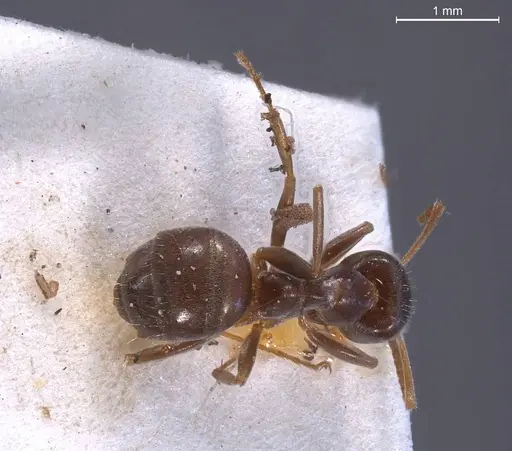
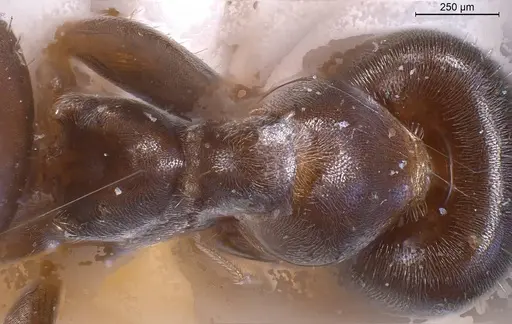
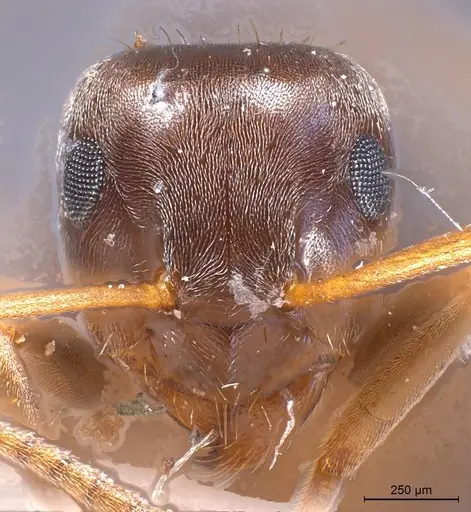
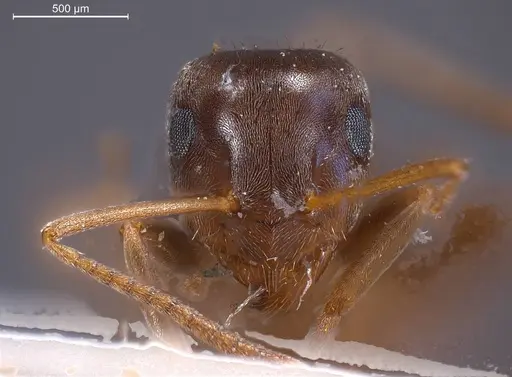
ANTWEB1041465
View on AntWeb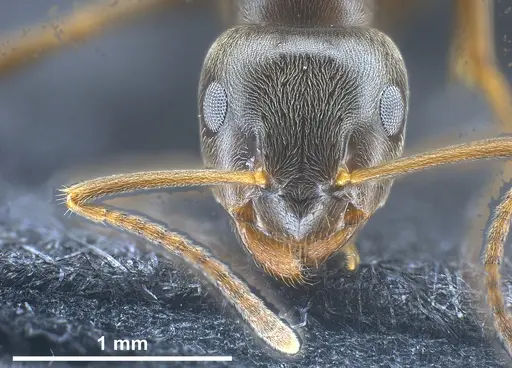
CASENT0922718
View on AntWeb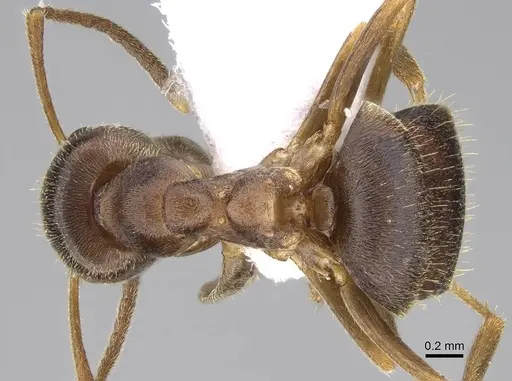
FOCOL0749
View on AntWeb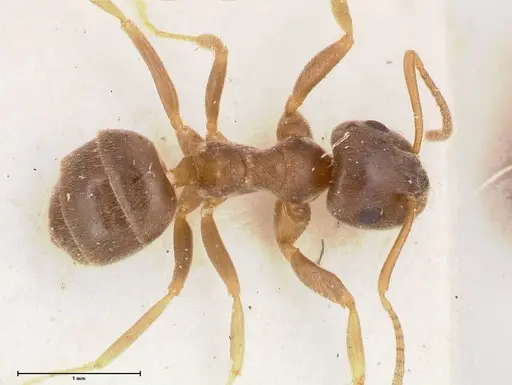
FOCOL2738
View on AntWeb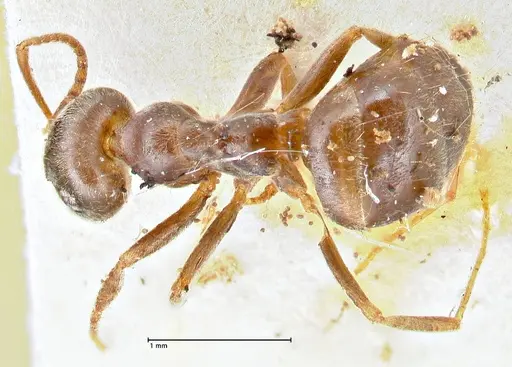
FOCOL2739
View on AntWeb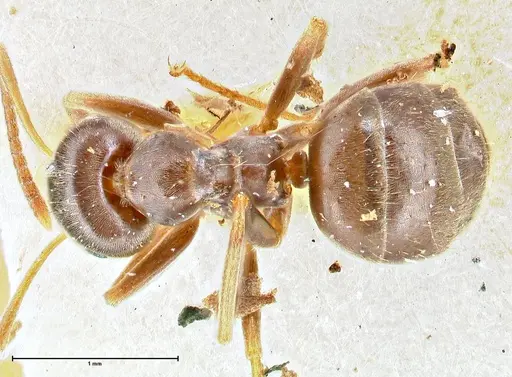
Literature
Loading distribution map...Loading products...