
Lasius maltaeus
- Sci. Name
- Lasius maltaeus
- Tribe
- Lasiini
- Subfamily
- Formicinae
- Author
- Seifert, 2020
- Distribution
- Found in 2 countries
Introduction
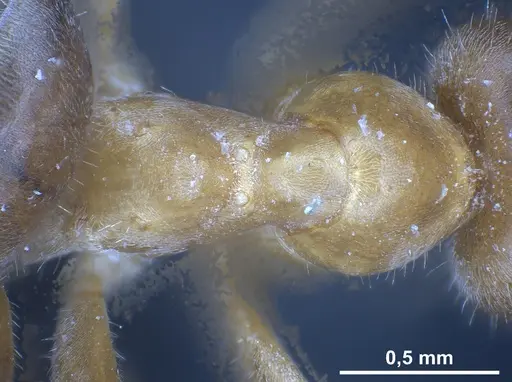
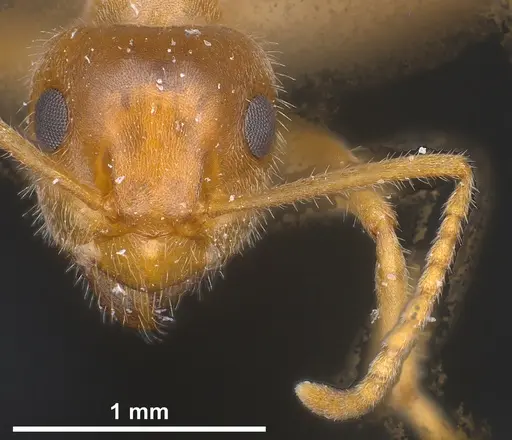
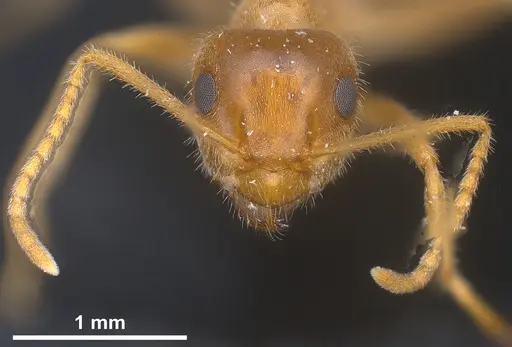
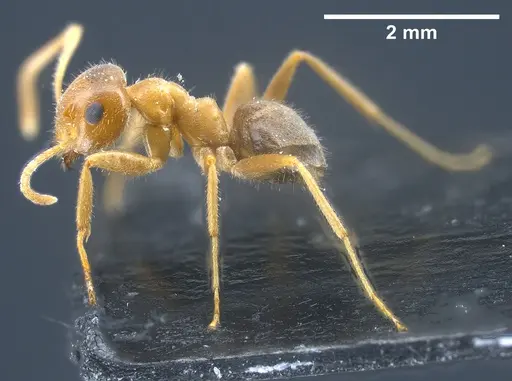
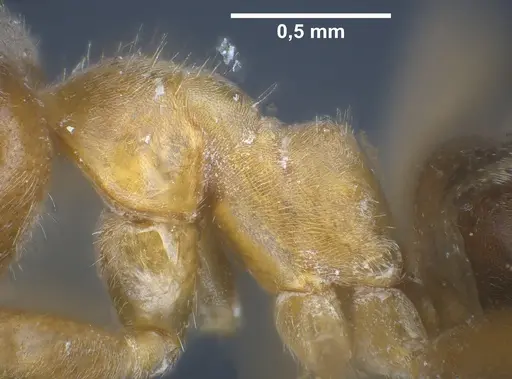
Lasius maltaeus is a medium-sized ant species endemic to Malta and Sicily in the Mediterranean region. Workers have a distinctive orange coloration with the gaster (back section) being darker orange-brown. This species holds the record for being the hairiest member of the Lasius emarginatus species complex, with extremely high setae counts on the head, scapes, and legs . They were first described in 2020 and are closely related to Lasius emarginatus. In their natural habitat, they've been found nesting at the base of promenade walls, showing they adapt well to human-made structures .
Quick Summary
- Difficulty: Easy
- Origin & Habitat: Mediterranean islands of Malta and Sicily. Found in both natural and urban environments, including at the base of promenade walls [1][2].
- Colony Type: Colony structure is unconfirmed for this species. Based on typical Lasius genus patterns, likely single-queen colonies (monogyne).
- Size & Growth:
- Queen: Size data unavailable, no queen measurements documented in primary literature.
- Worker: Size data unavailable, the only available measurement is cephalic size (head), which cannot be used as body size. Typical Lasius workers measure approximately 4-5mm.
- Colony: Unknown for this specific species. Related Lasius emarginatus colonies reach several thousand workers [3].
- Growth: Moderate, typical Lasius growth patterns
- Development: Development timeline is unconfirmed for this species. Based on typical Lasius patterns, expect 6-8 weeks at optimal temperature. (This estimate is based on typical Lasius development patterns since specific data for L. maltaeus is not available.)
- Antkeeping:
- Temperature: Keep around 20-24°C. Mediterranean origin suggests they tolerate warmer conditions, but avoid overheating. A temperature gradient allows ants to regulate their own exposure.
- Humidity: Moderate humidity is acceptable. These ants are found in Mediterranean climates with dry summers, so avoid overly damp conditions. A water tube in the outworld provides drinking access.
- Diapause: Likely yes, Mediterranean Lasius species typically require a winter rest period. This is inferred from related species behavior and geographic range.
- Nesting: Accepts most standard nest types. Test tubes, Y-tong (AAC), and plaster nests all work well for Lasius. They do well with some dry areas in the nest. Given their small size, ensure escape prevention is adequate.
- Behavior: Workers are active foragers that likely tend aphids for honeydew, similar to other Lasius species. They are not particularly aggressive but will defend their nest. Their small size means escape prevention must be excellent, they can squeeze through very small gaps. Workers likely have moderate longevity and the colony will show typical Lasius foraging patterns.
- Common Issues: escape prevention is critical due to their small size, newly described species means limited species-specific care information available, winter diapause is likely required but timing and duration specifics are unknown, wild-caught colonies may carry parasites that can devastate captive colonies
Housing and Nest Setup
Lasius maltaeus accepts various nest types commonly used in antkeeping. Test tubes with water reservoirs work well for founding colonies and can be used long-term. For established colonies, Y-tong (AAC) nests, plaster nests, or naturalistic setups all prove suitable. The key is providing a nest area with stable humidity and a separate outworld for foraging. Since workers are very small, ensure your setup has no gaps larger than 0.5mm, these ants can escape through remarkably small openings. A simple test tube setup with a cotton barrier and a small outworld container works perfectly for this species. [1]
Feeding and Diet
Like other Lasius species, Lasius maltaeus workers are sugar-loving ants that thrive on honeydew from aphids and sugar water or honey. Offer a constant source of sugar in the outworld. For protein, offer small insects like fruit flies, small mealworms, or cricket pieces. In the wild, these ants likely tend aphids and scale insects for honeydew, so sugar sources are essential for colony health. Feed protein 2-3 times per week, removing any uneaten prey after 24 hours. Sugar water should always be available.
Temperature and Seasonal Care
Maintain temperatures around 20-24°C for optimal colony activity and brood development. These Mediterranean ants can tolerate warmer conditions but should be kept away from direct heat sources that could cause drying. A room-temperature setup around 21-23°C is often ideal. During winter, expect to provide a diapause period, reduce temperature to 5-10°C for several months. This can be done in a basement, garage, or refrigerator. Reduce feeding during diapause and keep the colony slightly moist but not wet. Return to normal temperatures gradually in spring.
Behavior and Colony Dynamics
Lasius maltaeus workers are active foragers that will readily explore their outworld in search of food. The colony will establish defined trails once they find reliable food sources. Workers are relatively long-lived for their size, which helps the colony maintain its workforce through winter. The colony will grow from a handful of workers to several thousand over several years. Unlike some aggressive ant species, Lasius maltaeus is not particularly defensive and rarely bites. However, their small size makes them excellent escape artists, always use fluon or other barriers on the outworld rim and ensure any connections between nest and outworld are secure. [1]
Growth and Development
A newly mated queen will seal herself into a small chamber and raise her first brood without leaving the nest. She lives entirely on her stored fat reserves during founding. The first workers, called nanitics, are often smaller than subsequent workers and emerge several weeks after the eggs are laid, depending on temperature. After the nanitics arrive, the queen stops foraging and is entirely cared for by workers. The colony then grows steadily, with worker numbers increasing over the next 2-3 years to reach several thousand. Growth rate depends heavily on temperature and feeding, warmer conditions and abundant food speed development.
Frequently Asked Questions
How long does it take for Lasius maltaeus to produce first workers?
First workers typically emerge 6-8 weeks after the queen lays eggs, assuming temperatures around 21-24°C. This is based on typical Lasius development patterns since specific timing for L. maltaeus hasn't been documented.
What do Lasius maltaeus ants eat?
They need a constant sugar source (honey water, sugar water, or raw honey) and protein from small insects like fruit flies, small mealworms, or cricket pieces. Sugar is essential for worker energy and queen reproduction.
Can I keep multiple Lasius maltaeus queens together?
This species is likely monogyne (single queen) like most Lasius. Combining unrelated queens is not recommended as they will likely fight. Only introduce a male or queen during nuptial flights for breeding purposes.
Do Lasius maltaeus need hibernation?
Yes, a winter diapause of several months at 5-10°C is recommended. This mimics their natural Mediterranean seasonal cycle and helps maintain colony health. Reduce feeding during this period.
How big do Lasius maltaeus colonies get?
Colony size is not documented for this specific species, but related Lasius emarginatus colonies reach several thousand workers. Expect 2-3 years to reach several hundred workers under good care.
Are Lasius maltaeus good for beginners?
Yes, they are considered easy to keep. They are forgiving of minor care mistakes, accept various food sources, and don't require extreme humidity. The main challenge is their tiny size requiring excellent escape prevention.
When should I move Lasius maltaeus to a formicarium?
You can keep them in a test tube setup indefinitely if it remains clean. Move to a larger nest (like Y-tong or plaster) when the colony reaches several hundred workers or the test tube becomes moldy. A formicarium provides more space for growth.
Why are my Lasius maltaeus escaping?
Their small workers can squeeze through gaps that seem impossible. Apply fluon or petroleum jelly to rim edges, check all connections between nest and outworld, and ensure any ventilation holes are covered with fine mesh.
What temperature is best for Lasius maltaeus?
Keep them at 20-24°C. Room temperature (around 21-23°C) is often ideal. Avoid temperatures above 28°C or prolonged exposure to direct sunlight, which can overheat and dry out the nest.
Report an Issue
The current care sheet is based fully on literature. See inconsistencies, or something that's incorrect? Please , it will be resolved after review from an admin. Contributing to the blogs tab also helps providing information, to make us be able to further improve the caresheets. Thank you for your support!
References

This caresheet is licensed under CC BY-SA 4.0 .
Community Blogs
ANTWEB1041447
View on AntWeb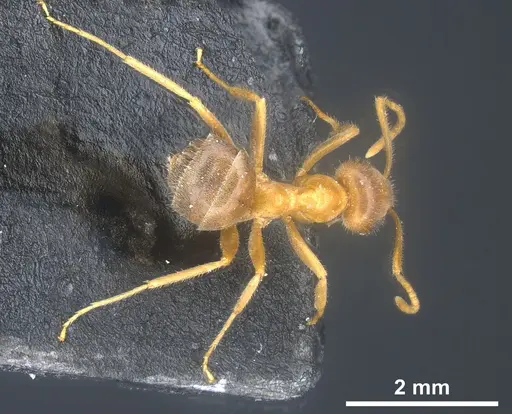
Literature
Loading distribution map...Loading products...