
Lasius lawarai
- Sci. Name
- Lasius lawarai
- Tribe
- Lasiini
- Subfamily
- Formicinae
- Author
- Seifert, 1992
- Distribution
- Found in 1 countries
Introduction
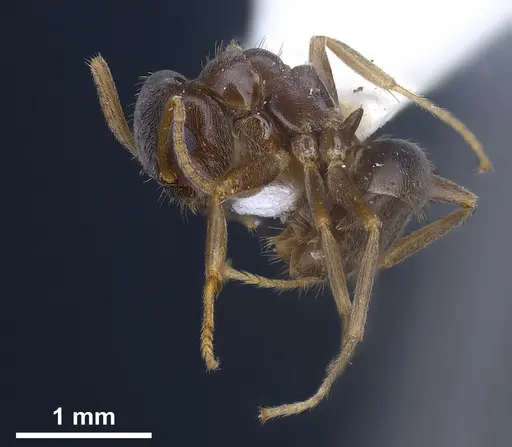
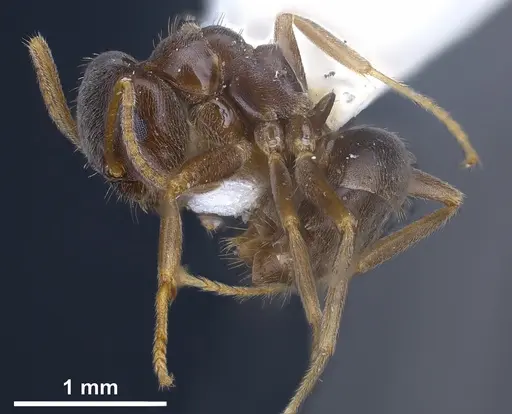
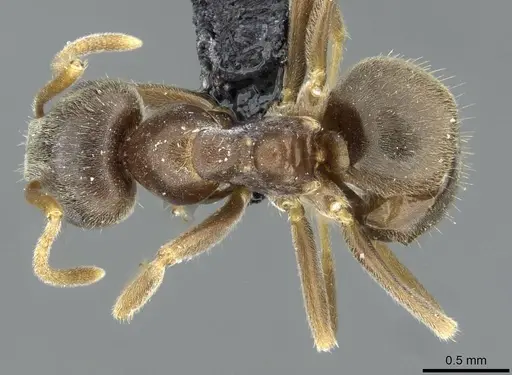
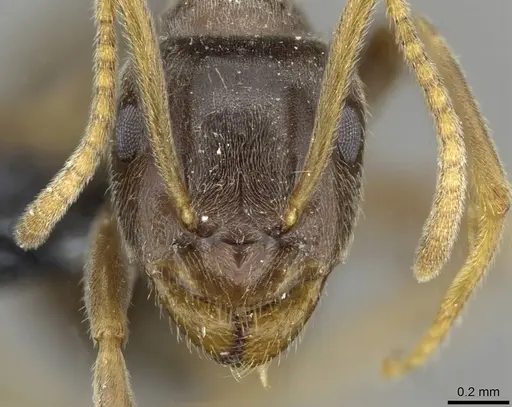
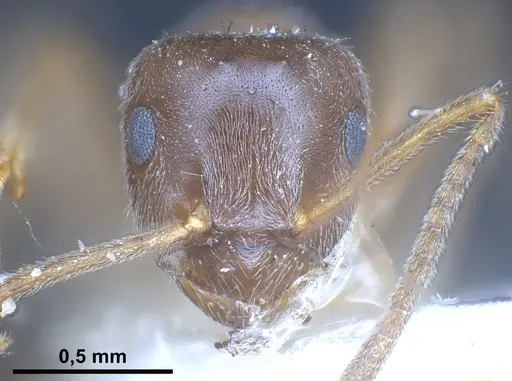
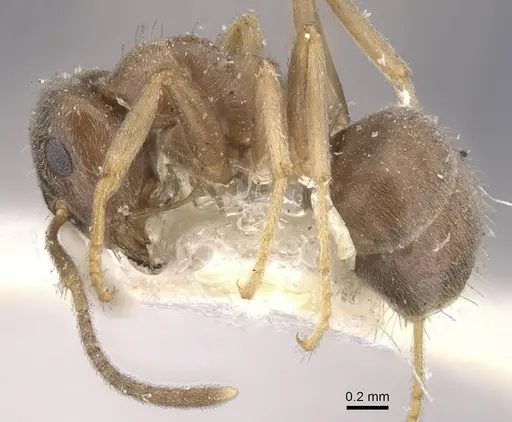
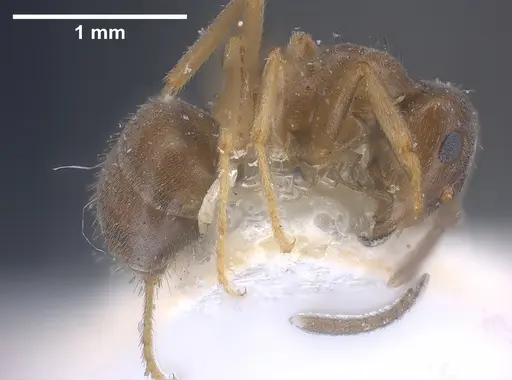
Lasius lawarai is a tiny, high-altitude ant species endemic to the Himalayan region of Pakistan and northern India. Workers are among the smallest in the Lasius genus, measuring approximately 3.2mm in total length, with a dark brown head, variable-colored mesosoma ranging from pale yellowish to dark brown, and a blackish brown gaster. The species is identifiable by its unusually small eyes, large postocular index, and notably short antennae. First described in 1992 from the Lawarai Pass in northern Pakistan, this species has since been recorded across the southwestern Himalayas at elevations between 2300 and 3100 meters. This is a cold-adapted mountain species representing one of the highest-dwelling Lasius species in the region.
Quick Summary
- Difficulty: Expert
- Origin & Habitat: High Himalayas at 2300-3100m elevation in northern Pakistan and northern India (Himachal Pradesh). The type locality is Lawarai Pass in the Hindu Raj Mountains. This is a cold-adapted mountain species from the alpine zone of the Himalayas [1][2].
- Colony Type: Colony structure is unconfirmed. Based on related Lasius species in the niger group, likely single-queen colonies (monogyne). No data on ergatoid replacement reproductives exists for this species.
- Size & Growth:
- Queen: Size data unavailable, no described queen for this species
- Worker: Approximately 3.2mm in total length, inferred from genus patterns [1]
- Colony: Colony size data unavailable for this species
- Growth: Growth rate is unknown
- Development: Development timeline is unconfirmed for this species (No species-specific development data exists. High-altitude origin suggests development may be slower at cooler temperatures.)
- Antkeeping:
- Temperature: Keep cool at 15-22°C. This is a high-altitude cold-adapted species that likely experiences freezing temperatures in winter. Avoid overheating, room temperature or slightly below is ideal [1].
- Humidity: Moderate humidity (50-70%). Mountain environments are drier than lowland forests. Provide a water tube but avoid overly damp conditions.
- Diapause: Yes, required. This high-altitude species needs a winter dormancy period. Provide 3-4 months at 5-10°C during winter [1].
- Nesting: Likely soil-nesting like other Lasius species. A test tube setup works well for founding colonies. For established colonies, a Y-tong or plaster nest with some moisture but not wet conditions is appropriate.
- Behavior: Workers are small and active. Based on related Lasius species, they likely forage for honeydew and small insects. No specific aggression data exists, but the genus is generally not aggressive toward keepers. Escape risk is moderate, their small size means they can squeeze through small gaps, so use standard barrier methods. They are likely more active in cooler conditions than most tropical ants.
- Common Issues: this species is extremely poorly studied, most care recommendations are inferred from genus patterns and habitat, high-altitude origin means temperature management is critical, overheating can be fatal, diapause appears essential but specific requirements are unknown, growth is likely slow, beginners may lose patience and overfeed, no documented captive breeding success exists for this species
Origin and Natural Habitat
Lasius lawarai is endemic to the high Himalayas, known only from elevations between 2300 and 3100 meters above sea level. The species was first collected from the Lawarai Pass in the Hindu Raj Mountains of northern Pakistan at 2700m elevation, and has since been recorded from multiple locations in Pakistan (Dir, Chitral, Hazara, Swat) and northern India (Himachal Pradesh) [1][2]. This makes it one of the highest-dwelling Lasius species in the region.
The type locality is in a mountainous area that would experience cold winters with potential snow. Going up in elevation toward the pass (3118m), the vegetation changes from forest through various open habitat types. This area has undergone rapid environmental change in recent decades [3]. The high elevation means this species is adapted to cool conditions and likely experiences extended cold periods during winter.
For captive care, this translates to a species that prefers cooler temperatures than most commonly kept ants. Room temperature or slightly below is ideal, and overheating is a significant risk. The natural habitat suggests they can tolerate cold but not excessive heat.
Identification and Morphology
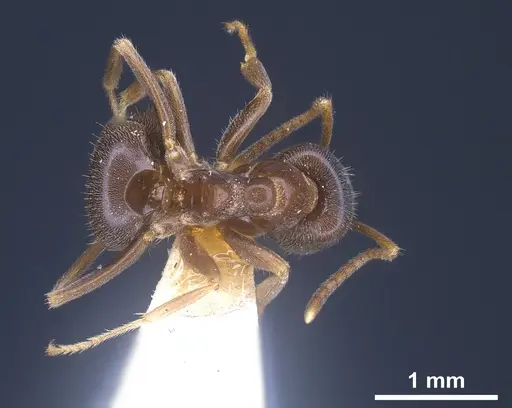
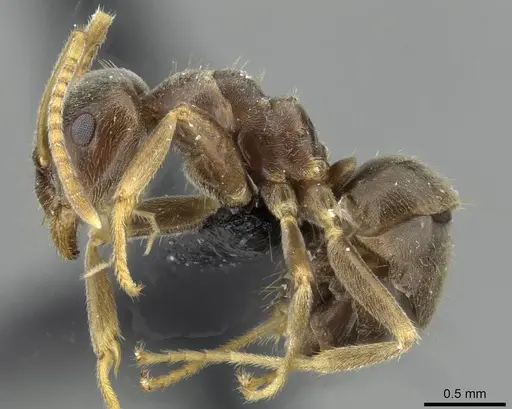
Lasius lawarai workers are among the smallest in the entire Lasius genus, with a head size of approximately 0.8mm, roughly 3.2mm in total body length [1]. This makes them significantly smaller than common species like Lasius niger.
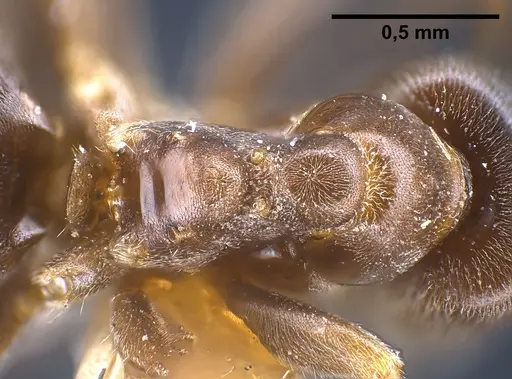
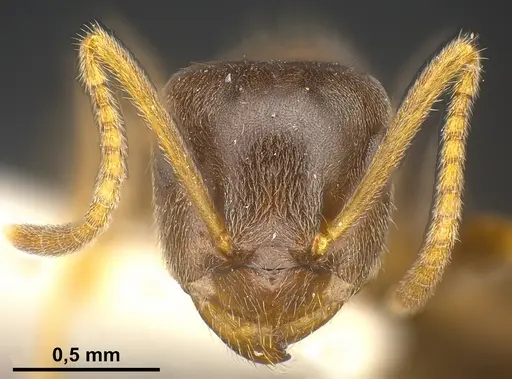
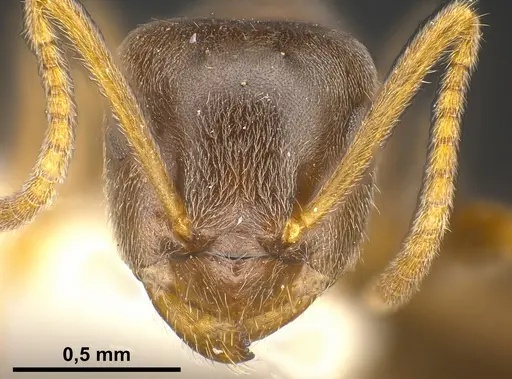
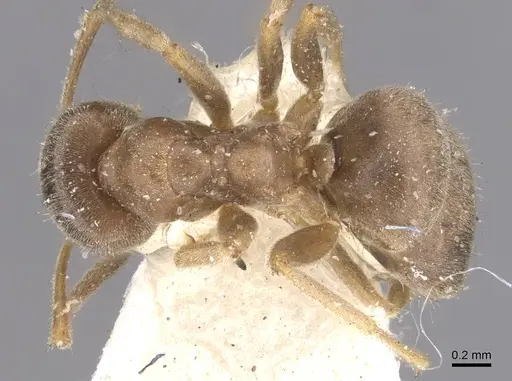
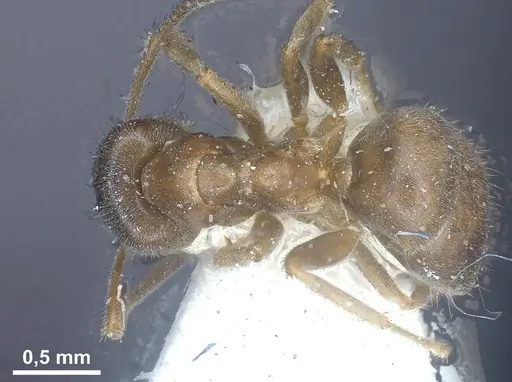
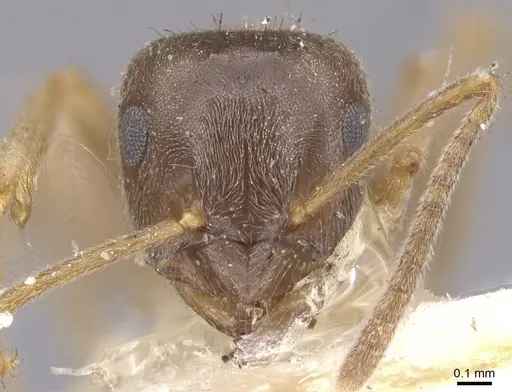
The species is identifiable by a combination of distinctive features: unusually small eyes, a large postocular index, and notably short antennae [1]. The mandibles have 8-10 teeth. The mesopropodeal depression is deep, and the mesonotum is high and vaulted compared to other Lasius species.
Coloration is variable but typically shows a dark brown head, mesosoma ranging from pale yellowish brown to dark brown, and a blackish brown gaster. The mandibles, antennae, tibiae, and tarsi are typically light yellowish brown [1][4]. This color pattern helps distinguish them from similar species.
The queen has not been formally described in the literature.
Temperature and Seasonal Care
This is a cold-adapted species requiring cool conditions. Based on the high-altitude Himalayan habitat (2300-3100m), aim for temperatures in the range of 15-22°C. This is significantly cooler than most commonly kept ant species, which prefer 20-28°C.
During summer, avoid placing the colony in warm rooms or using heating cables. The natural habitat experiences cool summers, and overheating can stress or kill colonies. A cool room or basement is ideal. If your room runs warm, consider using a cooling method or simply accept that this species may be too challenging for warm environments.
Winter diapause appears essential given the high-altitude origin. Provide 3-4 months of cold conditions around 5-10°C during winter months. This mimics the natural winter dormancy they would experience in the Himalayas. Failure to provide adequate cold period could stress the colony and prevent proper seasonal cycling.
The development of brood is likely slower at cooler temperatures, which is normal for cold-adapted species. Be patient, colonies grow more slowly than tropical species. [1]
Feeding and Nutrition
No specific dietary studies exist for Lasius lawarai. Based on the genus and related species in the niger group, they likely have a typical Lasius diet consisting of honeydew from aphids and scale insects, plus small insects for protein.
For captive feeding, offer sugar water or honey water as a constant carbohydrate source. For protein, small live prey items are appropriate given their tiny worker size, fruit flies, pinhead crickets, or small mealworms work well. Avoid prey items that are too large for their small workers to handle.
Given their mountain origin, they may have a lower metabolic rate than lowland species, so feed accordingly, perhaps 2-3 times per week for protein rather than daily. Remove uneaten prey promptly to prevent mold.
The small worker size means they cannot consume large quantities of food at once. Offer small amounts more frequently rather than large meals.
Nesting and Housing
In the wild, Lasius lawarai likely nests in soil under stones or in rotting wood, similar to other Lasius species in the niger group. The high-altitude habitat suggests they may nest in protected microhabitats that buffer them from extreme temperatures.
For captive colonies, a standard test tube setup works well for founding queens and small colonies. The test tube provides the dark, humid environment they prefer. For larger, established colonies, a Y-tong or plaster nest with some moisture is appropriate.
Given their small size, ensure escape prevention is adequate, they can squeeze through surprisingly small gaps. Standard cotton ball barriers in test tubes are usually sufficient.
Avoid overheating the nest area. If using a heating method, place it on top of the nest rather than underneath to avoid drying out the nest while providing gentle warmth if needed. However, given their cool preferences, additional heating is often unnecessary except in very cold rooms.
Challenges and Limitations
Lasius lawarai is one of the least-studied ant species in the hobby. Almost nothing is known about its captive behavior, colony development, or specific requirements. Every aspect of captive care beyond basic genus-level assumptions is essentially experimental.
This species is recommended only for experienced antkeepers who are comfortable with experimental husbandry and can carefully observe and adjust conditions. There are no documented captive breeding successes to reference, you would be pioneering husbandry for this species.
The primary challenges are: providing appropriate cool temperatures year-round, managing the apparently essential winter diapause, accepting that growth will be slow and colony sizes modest, and the complete lack of species-specific guidance.
Before acquiring this species, consider whether your local conditions can provide the cool, stable environment this Himalayan mountain species requires. If you keep other Lasius species successfully, you have the foundation for attempting this challenging but rewarding species.
Frequently Asked Questions
How long does it take for Lasius lawarai to produce first workers?
The egg-to-worker timeline is unconfirmed for this species. No documented development data exists. Given their high-altitude origin and likely cool-temperature preferences, development may be slower than typical Lasius species. Patience is essential.
What temperature do Lasius lawarai ants need?
Keep them cool at 15-22°C. This is a high-altitude Himalayan species adapted to cold conditions. Room temperature or slightly below is ideal. Avoid overheating, this species is far more sensitive to heat than most ant species.
Do Lasius lawarai ants need hibernation?
Yes, a winter diapause appears essential. Provide 3-4 months at 5-10°C during winter. This high-altitude species would naturally experience extended cold periods in the Himalayas.
Are Lasius lawarai good for beginners?
No. This is an expert-level species due to its extreme rarity in captivity, complete lack of documented husbandry, specific temperature requirements (cool), and the likelihood that it requires proper winter diapause. Only experienced antkeepers should attempt this species.
How big do Lasius lawarai colonies get?
Colony size is not documented for this species. No data exists on maximum colony size.
What do Lasius lawarai ants eat?
Based on related species, they likely accept sugar water or honey water, plus small live prey like fruit flies or tiny insects. Their small worker size means prey items must be appropriately sized.
Can I keep multiple Lasius lawarai queens together?
This is unknown. No data exists on colony founding behavior or whether multiple queens can establish colonies together. Based on related species, single-queen colonies are likely. Do not attempt combining unrelated queens.
Where is Lasius lawarai found in the wild?
This species is endemic to the high Himalayas in northern Pakistan and northern India (Himachal Pradesh), found at elevations between 2300 and 3100 meters. The type locality is Lawarai Pass in the Hindu Raj Mountains of Pakistan.
Is Lasius lawarai a claustral founding species?
Founding behavior is unconfirmed for this species. While claustral founding is typical for the Lasius genus, this has not been directly documented for Lasius lawarai specifically.
Report an Issue
The current care sheet is based fully on literature. See inconsistencies, or something that's incorrect? Please , it will be resolved after review from an admin. Contributing to the blogs tab also helps providing information, to make us be able to further improve the caresheets. Thank you for your support!
References

This caresheet is licensed under CC BY-SA 4.0 .
Community Blogs
Literature
Loading distribution map...Loading products...